I honestly don’t think I’ve ever been more disgusted by a group of parents in my entire life than I was last weekend at my daughter’s soccer game. Let me start by saying this: I am fiercely competitive. Competition runs in my blood. I was raised an athlete, and I thrive on rivalries and challenges. But I also know when to turn off my competitive switch. And honestly? I think a lot more parents need to learn how to do that.
My daughter Presley just turned seven. Most of the girls on her soccer team are six, all first graders. Only two of them, Presley included, have ever played soccer before. For the rest, this sport is completely new. The only rule they knew going into the season? Don’t touch the ball with your hands. That’s it.
This league is completely recreational. Anyone can sign up—sisters, nieces, daughters—pay the $100 registration, and spend 11 weeks learning the basics. One practice a week, one game on Saturdays. There are no tryouts, no playoffs, no traveling, and everyone takes home a trophy at the end. This is the fun, hang-out-with-your-friends league. No scorekeeping. Again, these kids are six and seven years old.
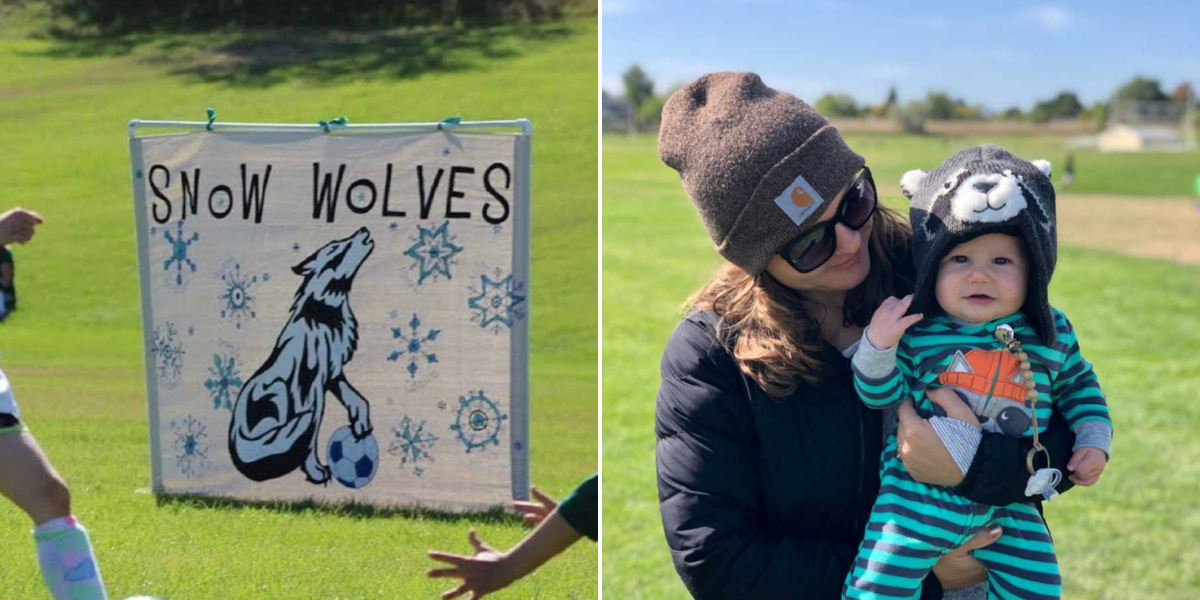
One of our amazing moms even made a creative team sign. The girls picked their team name—the Snow Wolves—and that weekend, she poured her time into making this fun, special banner for them to show off at games. Little touches like this make the experience more exciting for the kids, and as a parent, I deeply appreciate it.

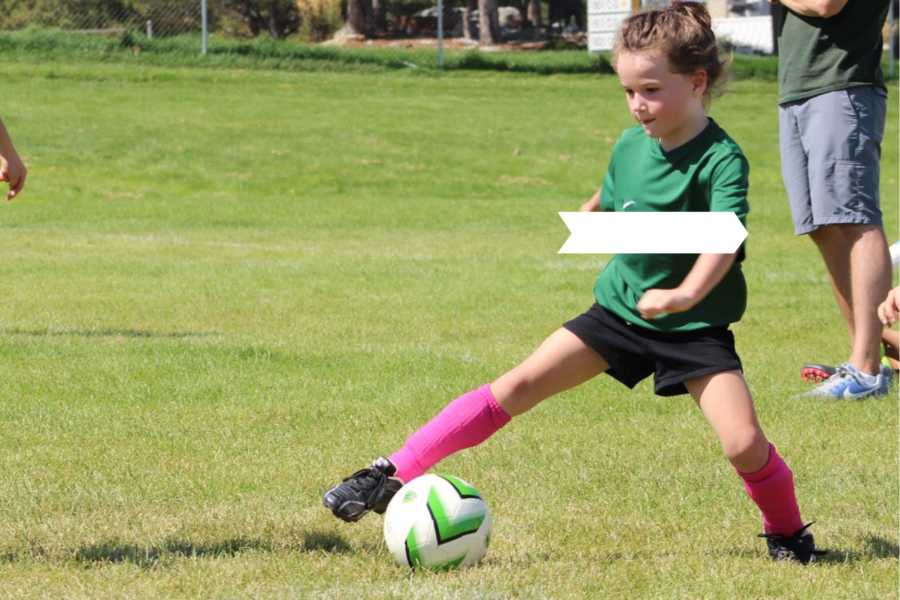
By week three, the girls were starting to get the hang of things. They understood the rules, knew which goal to kick toward, and took turns playing goalie. There are no referees; the coaches guide them while cheering them on. It’s all very beginner-level, very much about learning and having fun.
The first two games were pure joy. Both teams were figuring it out, and all of us parents cheered, laughed, and celebrated the small wins. We held our breath when they tripped, giggled when they fumbled, and mostly, we enjoyed watching them make new friends and learn teamwork.
Then came week three, and everything changed. Within two minutes, it was clear the other team was more advanced. Some kids just pick up sports faster. That’s fine. I braced myself and focused on supporting our girls, praying the game wouldn’t crush their spirits. We cheered loudly, encouraged them, and tried to keep the energy positive.
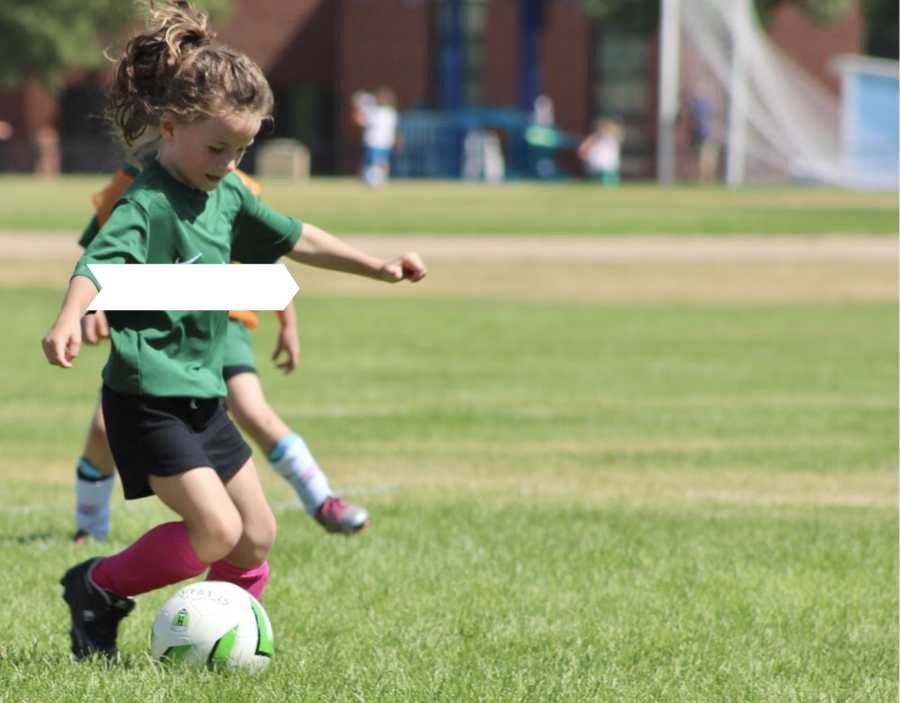
Unfortunately, the other team’s parents had a completely different agenda. From the first whistle, they mocked our girls.
One girl tripped on a breakaway, and a parent chuckled, “Soccer dribbling is a pretty basic skill!” Another girl tried a corner kick and, instead of kicking toward the goal, sent it upfield. “She does realize she’s in a green jersey, right? Kick it to a GREEN player! Not a white one! Hahaha,” came the snicker from the sidelines.
Every minor mistake was met with ridicule—kicking the ball wrong, standing back, or even playing goalie. And my personal favorite: when our goalie tossed the ball in the air and it rolled into the goal, a parent shouted, “Hey! That’s a point for us!!” Newsflash: WE DON’T KEEP SCORE.
Making fun of six- and seven-year-olds who are just learning a sport is not just unnecessary—it’s cruel. This is recreational soccer. It’s about trying something new, learning teamwork, and having fun. Not everyone is destined for the Olympics, and that’s perfectly okay. The goal here is simple: get kids moving, help them grow, and encourage them along the way.
I cheered for every goal the other team scored because I wanted their kids to feel proud of themselves. I wanted them to see that sportsmanship includes celebrating the success of others, even when it’s not your own child. It’s not hard. Cheering for all the kids creates warmth, positivity, and joy—something these girls deserve, especially at six years old.
Parents, do better. If you take recreational sports too seriously, then maybe a casual league isn’t for you. But for the rest of us, let’s keep the fun alive. Let’s encourage, uplift, and celebrate the effort—not just the outcome. Because these little girls, trying something new, deserve nothing less.