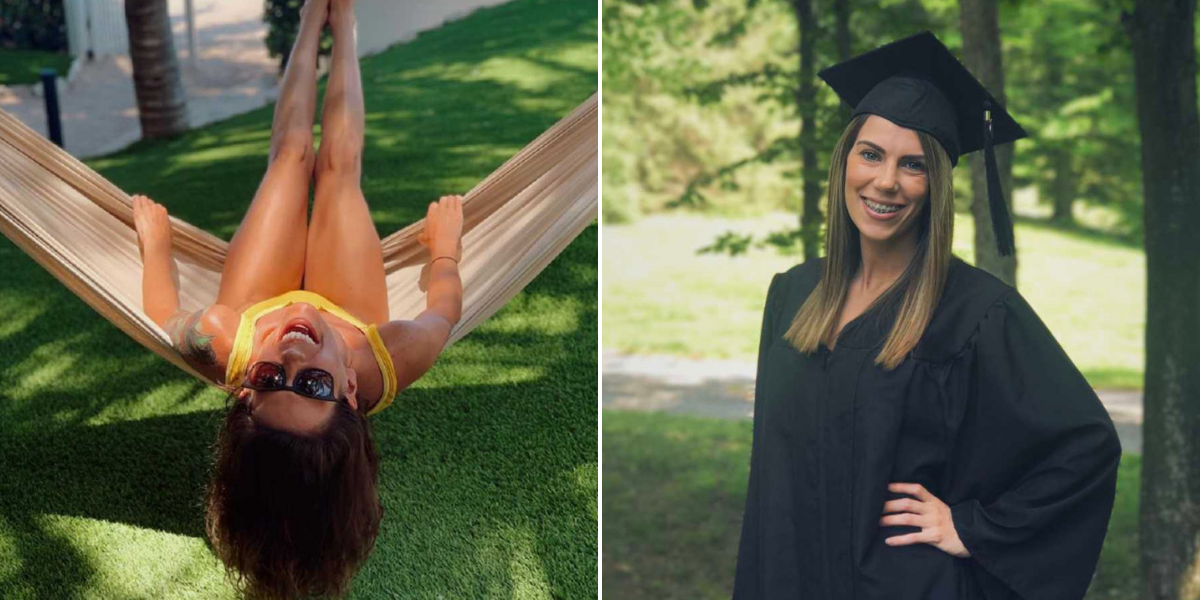
“‘I could stop if I wanted to.’ Famous last words—words I repeated so often that I eventually convinced myself they were true. Blinded by the deep denial that walks hand in hand with addiction, I had no idea I’d already crossed the line, passed the point of no return. The scariest part is that I didn’t even know I was lost… until the moment I finally realized I was.
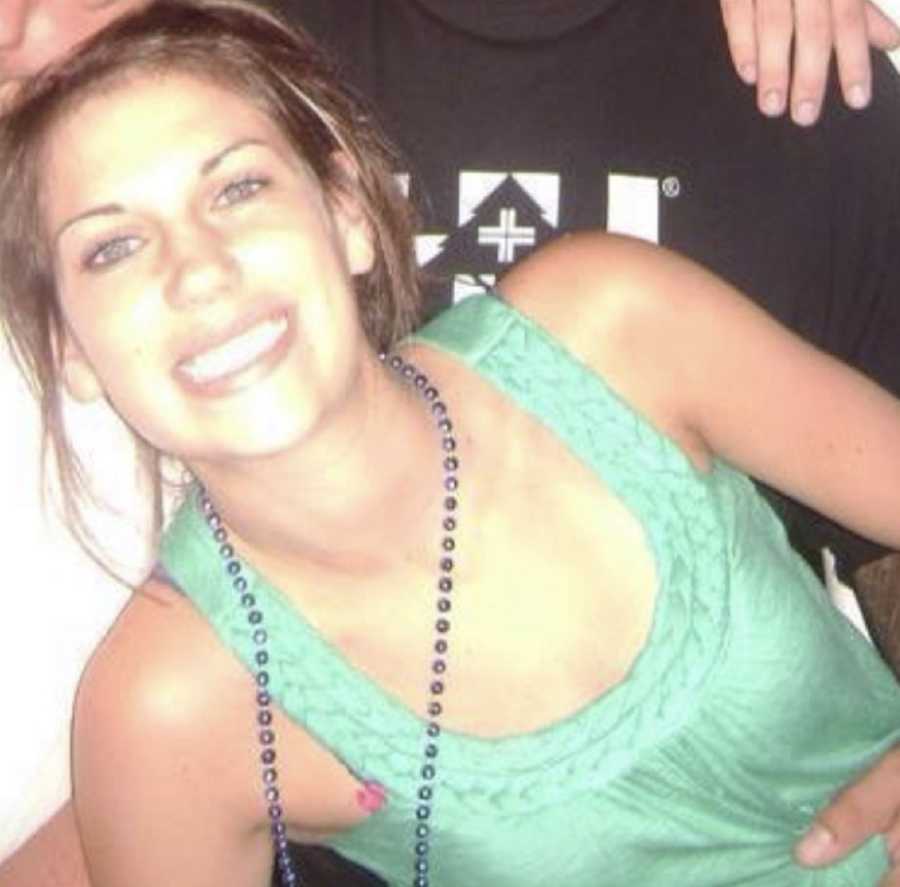
At 19 years old, I was supposed to have my whole life ahead of me. Instead, the last few years had been spent slowly dismantling every dream I’d ever dared to have, letting go of every goal I once held close. The little girl who swore she’d never become like her drug-addicted father had grown up only to inherit some of his most painful traits, despite promising herself she never would.
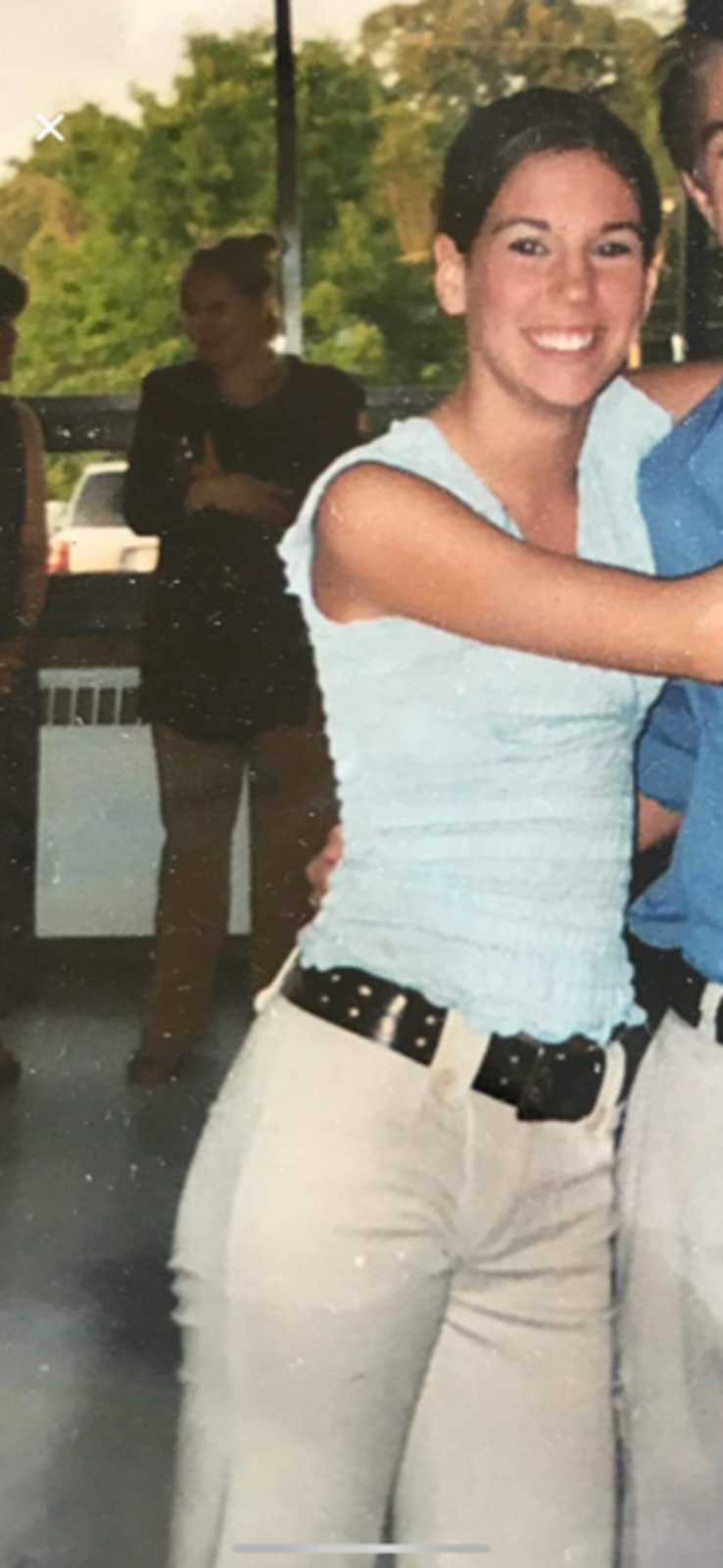
Looking back now, I can almost replay it all in slow motion. For as much as I don’t remember, there’s so much that I do. I remember sending humiliating, desperate text messages, begging people to front me until payday—knowing full well my paycheck would disappear before I could ever repay them. I remember fearing sleep, because waking up meant I’d already be deep into withdrawal and scrambling for a plan. I remember stealing from my mother’s purse while she folded laundry downstairs, talking loudly to her the entire time just so I could track how close she was by the sound of her voice. And I remember the moment everything shifted—the day my life took a turn I could never undo.
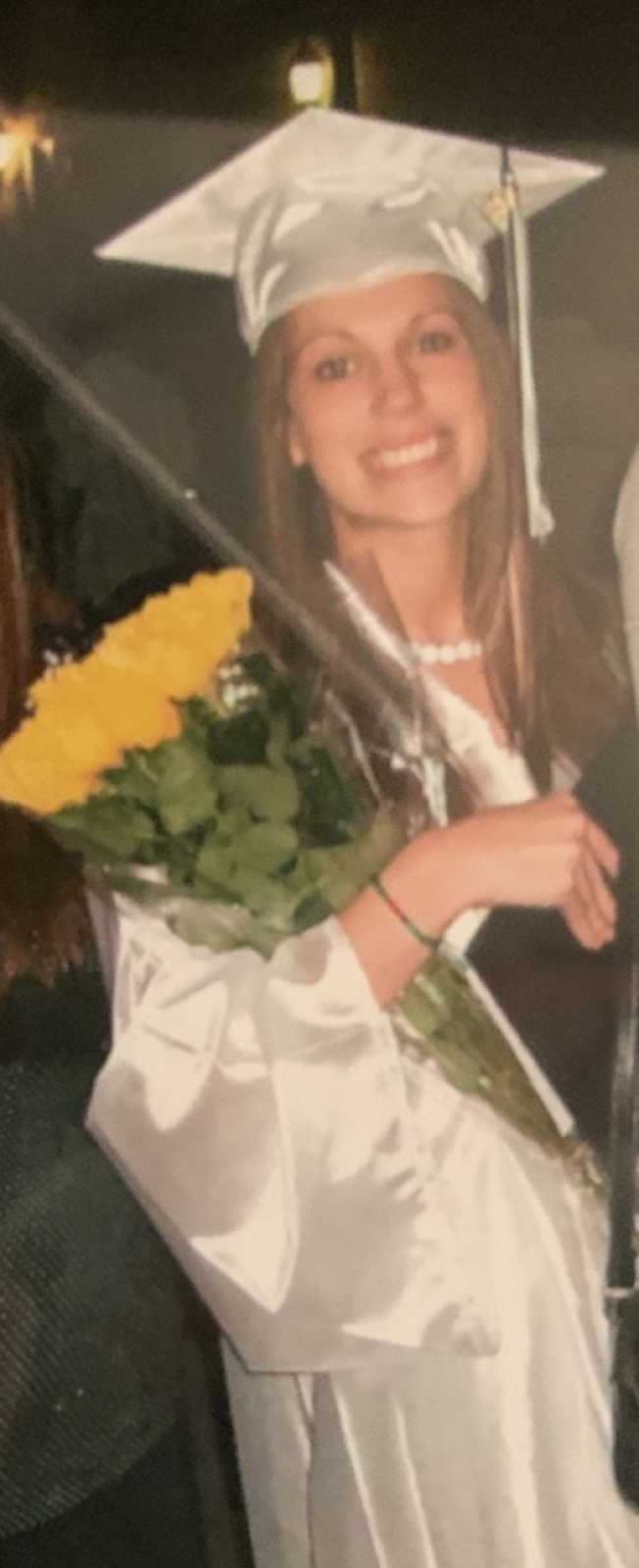
I spent nearly a year dating a guy who sold drugs—convenient, yes, but devastatingly toxic. Each day blurred into the next. We’d wake up in his parents’ basement, arguing over who got what, both of us consumed by rage when the balance didn’t feel fair. My mom later described my presence in her home as a tornado. She dreaded seeing my car pull into the driveway, knowing the chaos that would follow me through the door. When I try to remember the ‘good times’ we shared, I come up empty. Addiction was the only thing holding us together.
One day, while Christmas shopping at the mall, I felt a sudden chill wash over my body—something unfamiliar and deeply unsettling. I knew people who needed drugs just to feel normal, but that wasn’t me. I wasn’t that bad. I told myself I was using because I wanted to, because I liked getting high. I justified it by thinking, If you lived the life I’ve lived, you’d get high too. I told my boyfriend I didn’t feel well, and we realized I hadn’t used yet that day. He looked at me and said the words that changed everything: You’re going through withdrawal. From that moment on, the next year of my life stopped being about living and became solely about surviving.
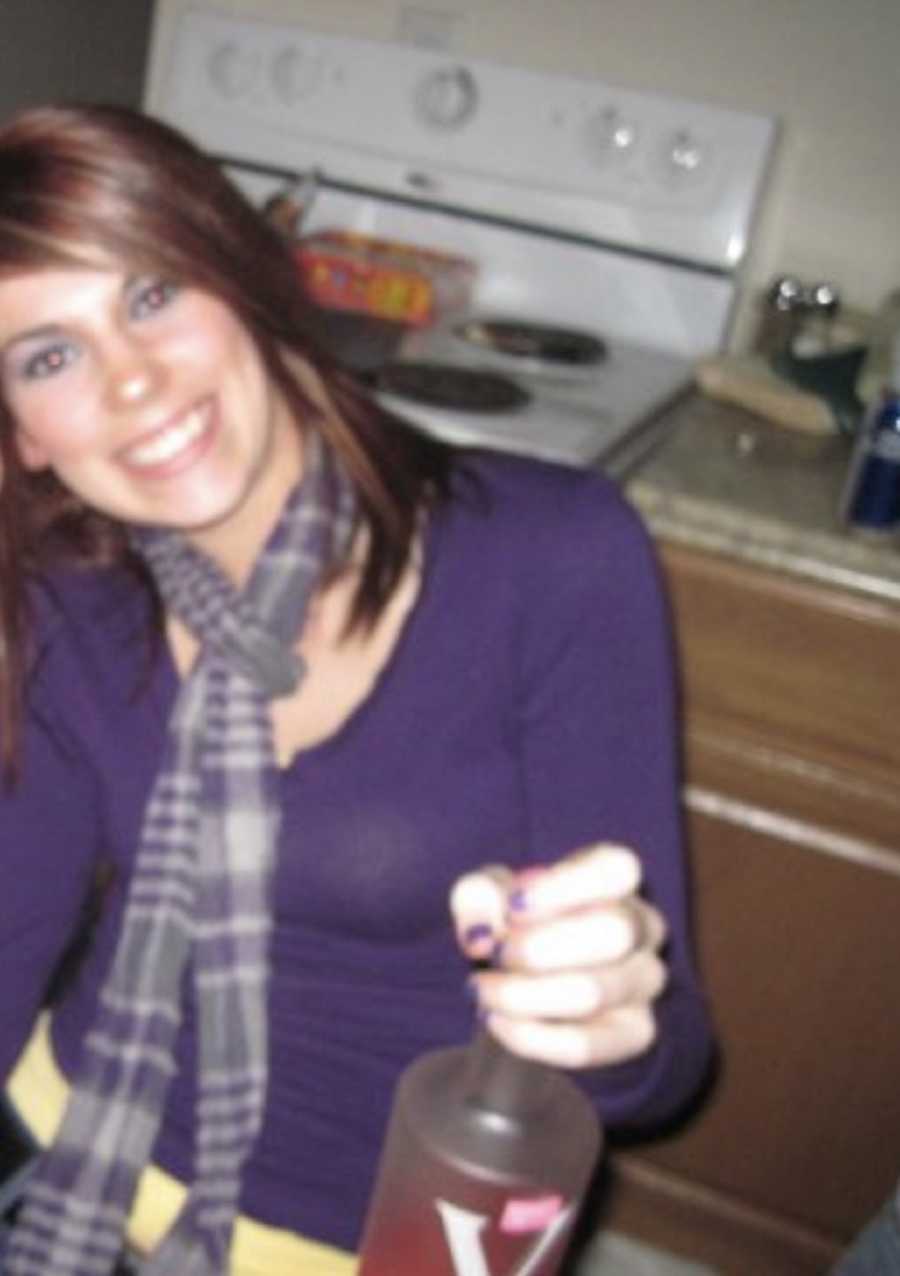
On a bitter December day the following year, I walked into treatment for the first time. I thought I already knew rock bottom. I truly believed life couldn’t get any worse than what I’d been living. But I had a plan—what I thought was a clever one. I’d detox, get through the physical withdrawal, then leave and return to life like a normal 19-year-old. I wasn’t like them. I was just young, naïve, and physically dependent on opiates because my body had adjusted. That could happen to anyone, right?
Wrong.
I listened as people in treatment recited the same clichés: Alcohol is a drug. Once an addict, always an addict. You never have to use again. I remember thinking, Did I miss something? Surely they weren’t talking about me. These must be general statements, and I was clearly the exception. So I opted out.
What followed was a living hell beyond anything I could have imagined. I was introduced to faster, more intense ways of using, and with them came a level of obsession and compulsion that erased the word choice from my life. I moved like a robot, my addiction holding the remote. It dictated when I woke up, what I did, and who I hurt along the way. It stripped me of my values, my morals, and every meaningful relationship I had left. It took my soul and left nothing but a shell behind.
As desperately as I wanted to stop, I couldn’t. There was no cure, no magic formula, no amount of love, begging, or bargaining that could save me. I’d sit on the bathroom floor in my mother’s house, curled up and sobbing, drenched in sweat yet freezing cold, just trying to get well enough to function. I’d wake in the middle of the night in full withdrawal, pulling the blankets over my head to trap warm air, hoping it might ease the relentless chills enough to let me sleep.
That living hell quickly became rock bottom—a depth so dark I didn’t even know where to begin climbing out. So I did the only thing I knew how to do. A little over a year later, I walked back into the same treatment center. There’s nothing quite like hearing, Hey, I remember you. I remember looking at the floor, unable to make eye contact, overwhelmed by shame, thinking, I’d really rather not be remembered here.
On January 26, 2011, at 21 years old, my journey truly began. The clichés were still there, but I was different. I had been spiritually and emotionally beaten down to nothing. I had no fight left in me to continue living in active addiction. So I surrendered.
From that day forward, my life has been nothing short of a miracle. I’ve been given opportunities I never thought possible—opportunities many people never experience. I’ve stood among thousands of recovering addicts at a world convention, reciting the Serenity Prayer, chills running through my body as every hair stood on end. I’ve repaired broken relationships and built new ones rooted in honesty and depth. I’ve celebrated recovery milestones eight times over. I’ve earned things I once believed I’d never have—not because they’re valuable, but because I worked for them. I went back to school and earned not one, but two college degrees. I show up daily for a career I pour my heart into.
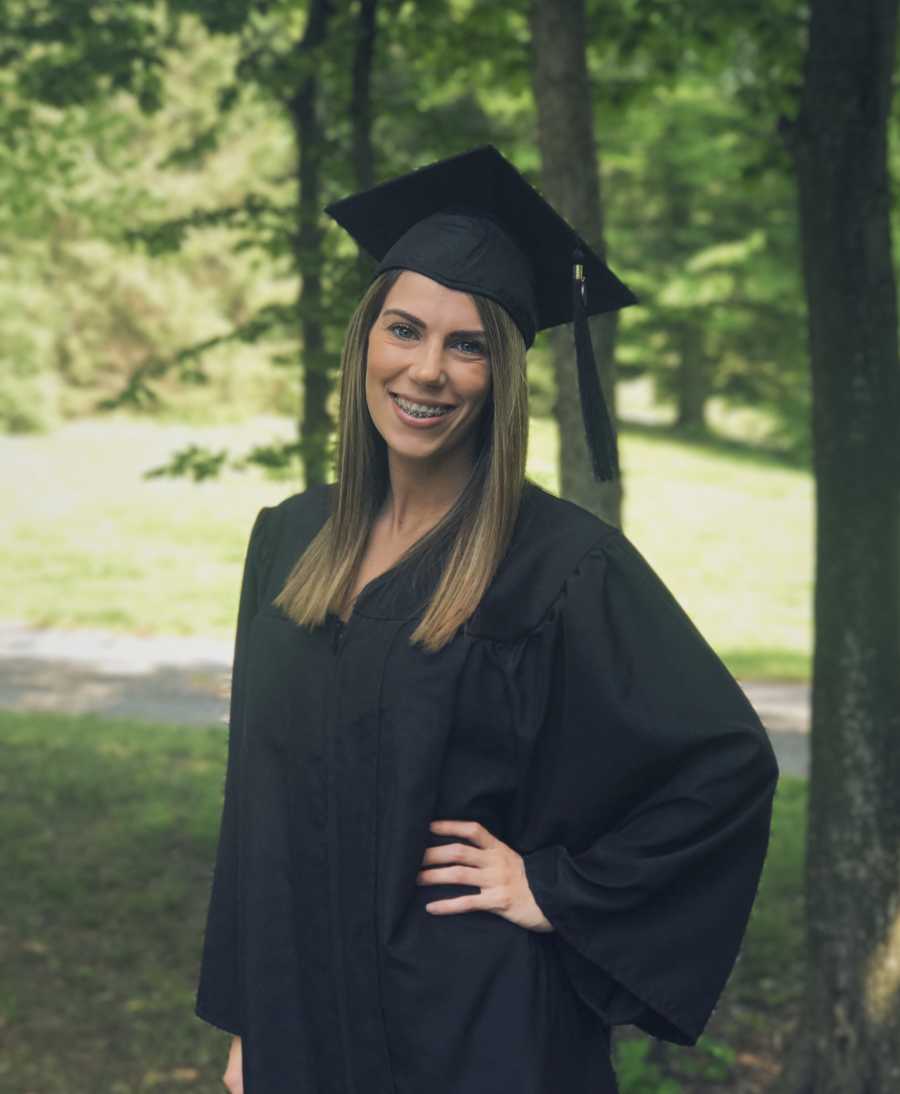
Yet the greatest gifts aren’t the ones anyone can see. They’re internal, quiet, and deeply powerful. I’m worlds away from the 21-year-old who walked through those doors—and not just because I’m older now and have a gray hair or two. I no longer spend my days wishing my life away or wondering why God kept me alive. My heart has shifted from anger and resentment to gratitude and peace. I don’t run from myself anymore. I don’t avoid mirrors. I’ve learned I’m capable of handling whatever emotions or experiences come my way.
Where I once questioned God and resented my story, I now see purpose woven through every chapter. The soul that addiction ripped from me has been replaced with one overflowing with life. The girl who lived selfishly and wanted to die now wakes up every day simply wanting to live.”