“When can I come see the baby?”
It’s a question new moms hear over and over.
Sometimes even before she leaves the hospital. Before she’s had a chance to sleep. Before she’s had a chance to shower off the blood, the sweat, the exhaustion.
“When can I come see the baby?”
Her phone dings again as she settles into her home with a brand new human—and her brand new normal.
Her hormones are plunging. Estrogen and progesterone drop from the highest highs to the lowest lows. She feels shaky, hot, cold, sweaty, and weak all at once.
Whether she chooses to breastfeed or not, her milk is coming in, making her sore and engorged. Her uterus is contracting for days—or even weeks—sometimes with pain as intense as labor. She’s bleeding, and that bleeding may continue for up to six weeks.
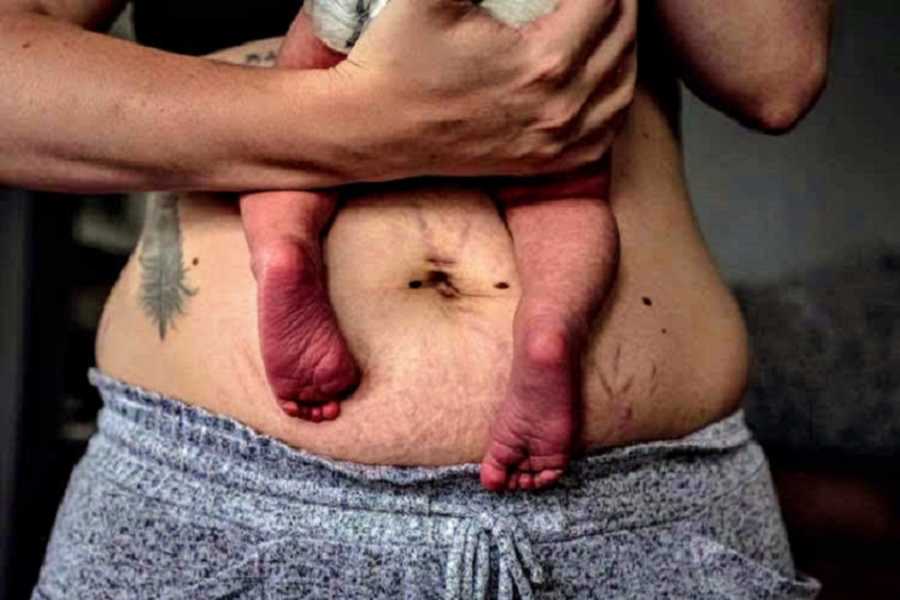
Her body carries the evidence of birth. Her crotch is swollen, puffy, and tender—or her incision aches—or both. Bathroom trips are challenging, and she might pee a little when she laughs, sneezes, or coughs. Her core muscles are weak, making lifting anything feel like a mountain.
She is endlessly hungry. Her body is changing with stretch marks, varicose veins, hair loss, acne, dry eyes, and blurry vision. She catches a glimpse of herself in the mirror and sees a stranger staring back.
She hasn’t slept for more than an hour at a time in days—or weeks. Her independence—the ability to run errands, shower, eat, go to work, even pee and sleep—has been suspended.
So when you come to visit, look at her first.
Give her the space she needs to heal, to bond, to rest. Stand by her side if she asks. Offer to help—and then follow through.
Admire the baby, of course. Celebrate this new life. But don’t forget to nurture the mother.
Because she is still here. She is still human. And she needs care too.