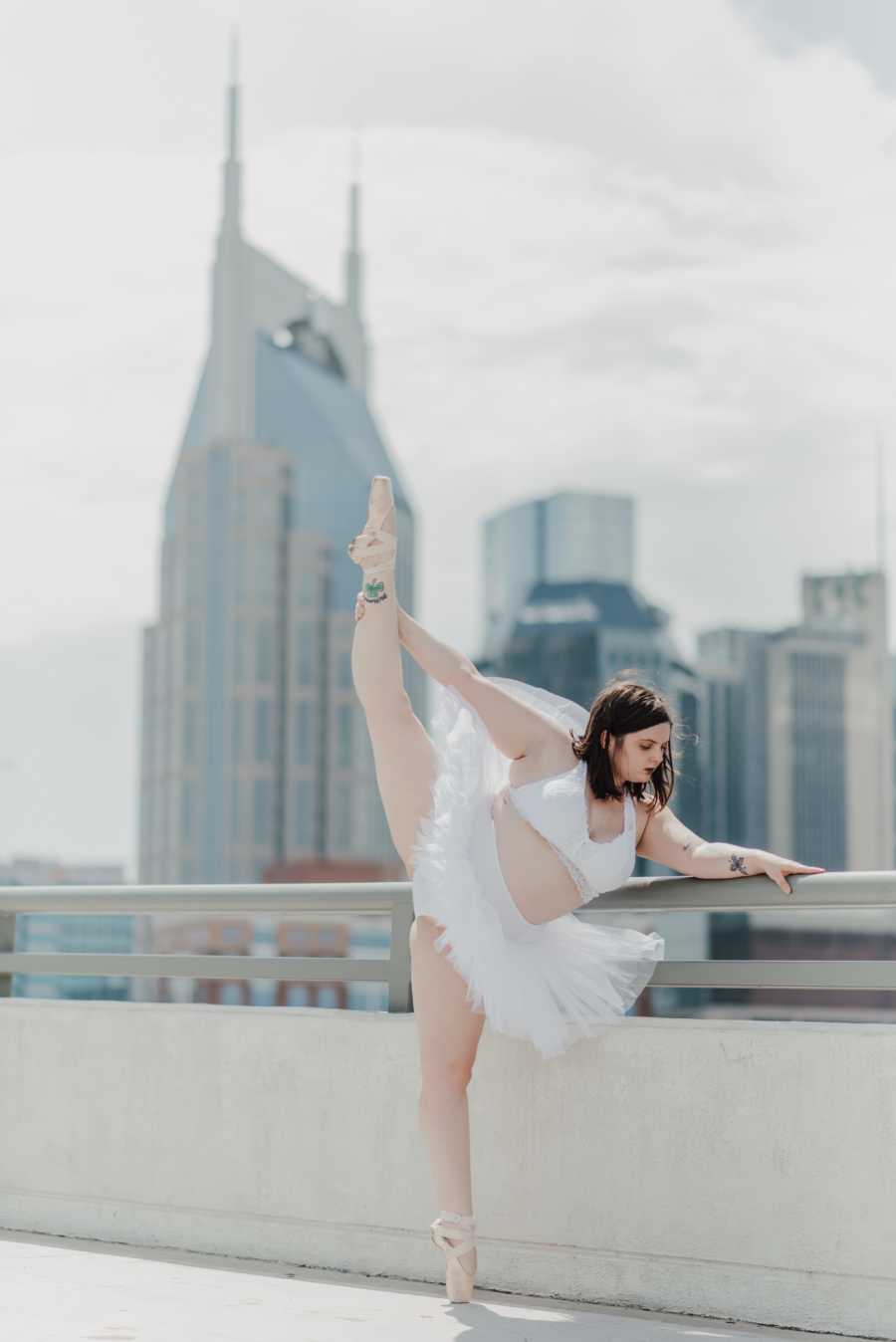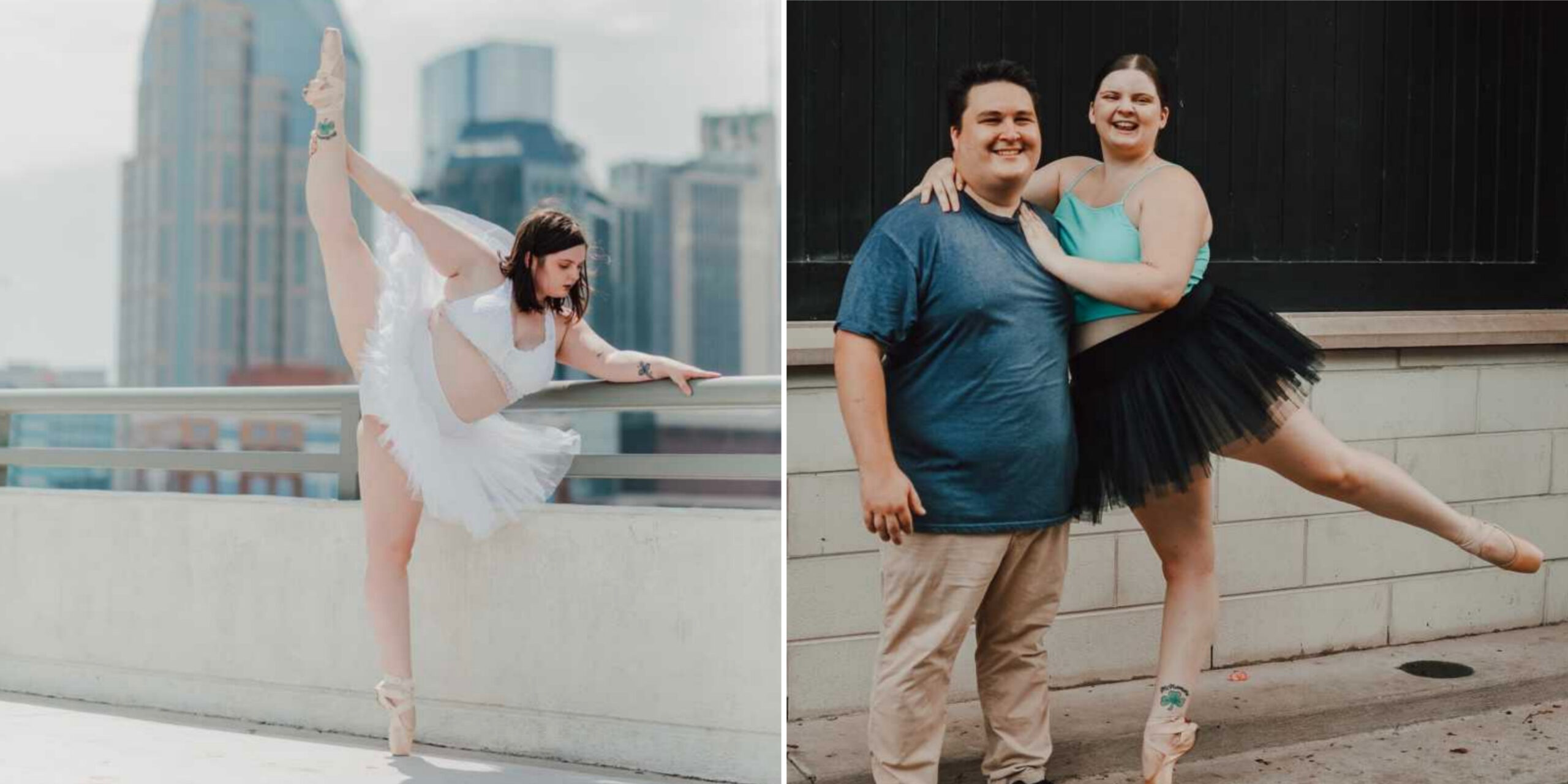
My name is Colleen. I’m 22 years old, and I’ve been in recovery from anorexia nervosa for three years.
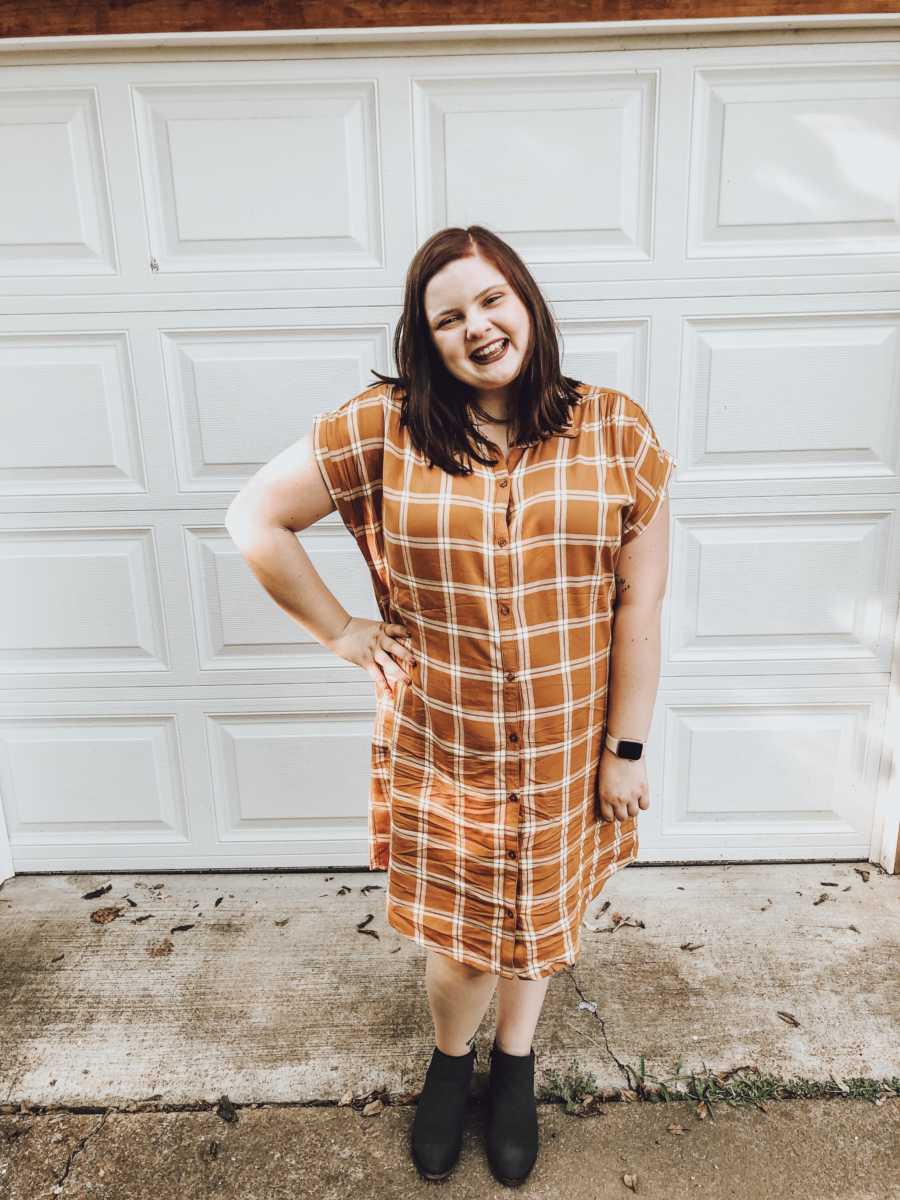
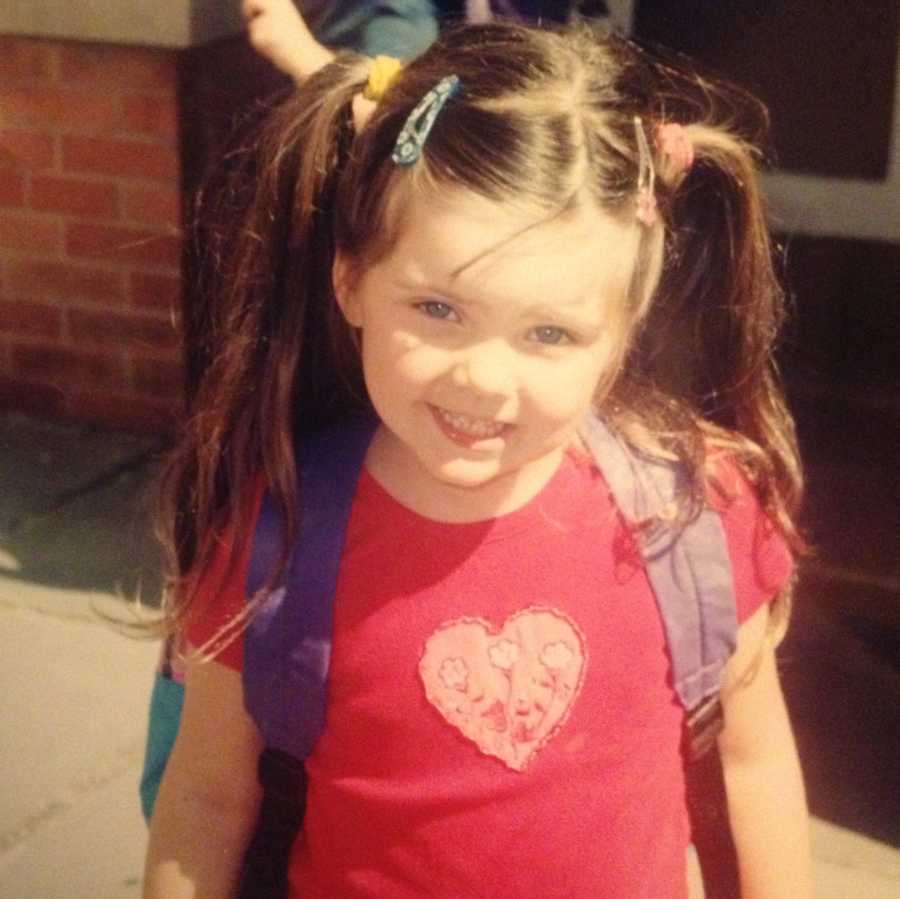
I’ve struggled with food and body image for as long as I can remember. Growing up immersed in diet culture, it felt almost inevitable that I would learn to hate my body. When I was just eight years old, my pediatrician told me, “You need to eat more salad.” At ten, after finding a Weight Watchers book in my living room, I went on my first diet. That moment marked the beginning of a long, painful spiral that eventually led to a life-threatening eating disorder, PTSD, generalized anxiety disorder, and severe major depressive disorder.
After experiencing trauma at ages 14 and 15, navigating my parents’ divorce, and pursuing my dream of becoming a professional dancer, my eating disorder intensified rapidly. My thoughts were consumed by food and my body. I severely restricted calories, weighed everything I ate, and fixated on “clean” eating. Alongside more than 20 hours a week of dance training, I went to the gym twice a day on my days off and exercised constantly at home. I would compulsively do jumping jacks in the kitchen while waiting for my dinner to heat up, convincing myself it was normal. My energy was nonexistent, especially in dance class. I felt lightheaded all the time and passed out more than once, but I brushed it off as overheating. Meanwhile, people praised me: “You look amazing! What are you doing? Keep it up!” Because my weight loss was applauded, I truly believed nothing was wrong.
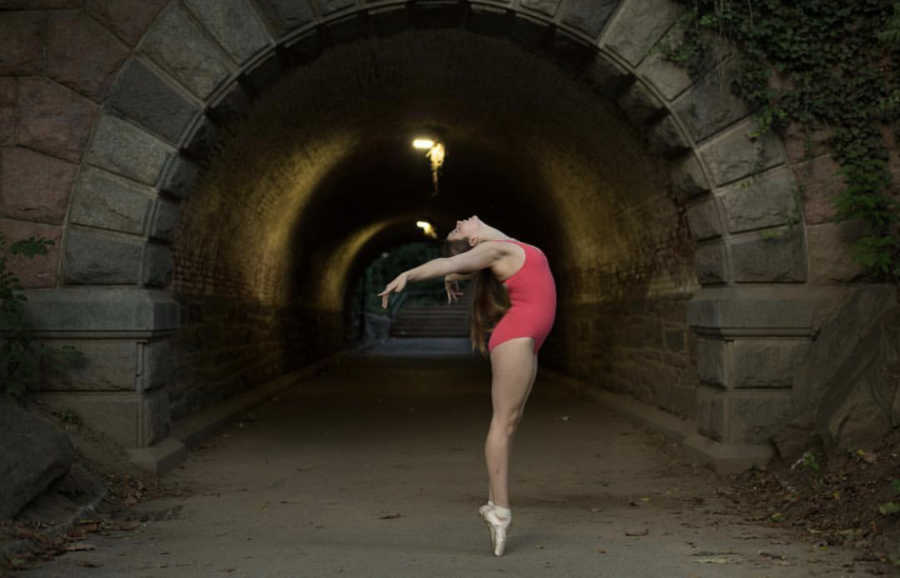
It wasn’t until I was 19 that I finally admitted to myself that I had a problem and needed help. Making the decision to recover was one of the bravest steps I’ve ever taken.
At the start of my recovery, I created an Instagram account to document my journey. It began small and fairly surface-level, mostly followed by strangers who were also recovering from eating disorders. Still, it gave me something I desperately needed: community. For the first time, I felt understood by people who were fighting similar battles, something I lacked in my everyday life.
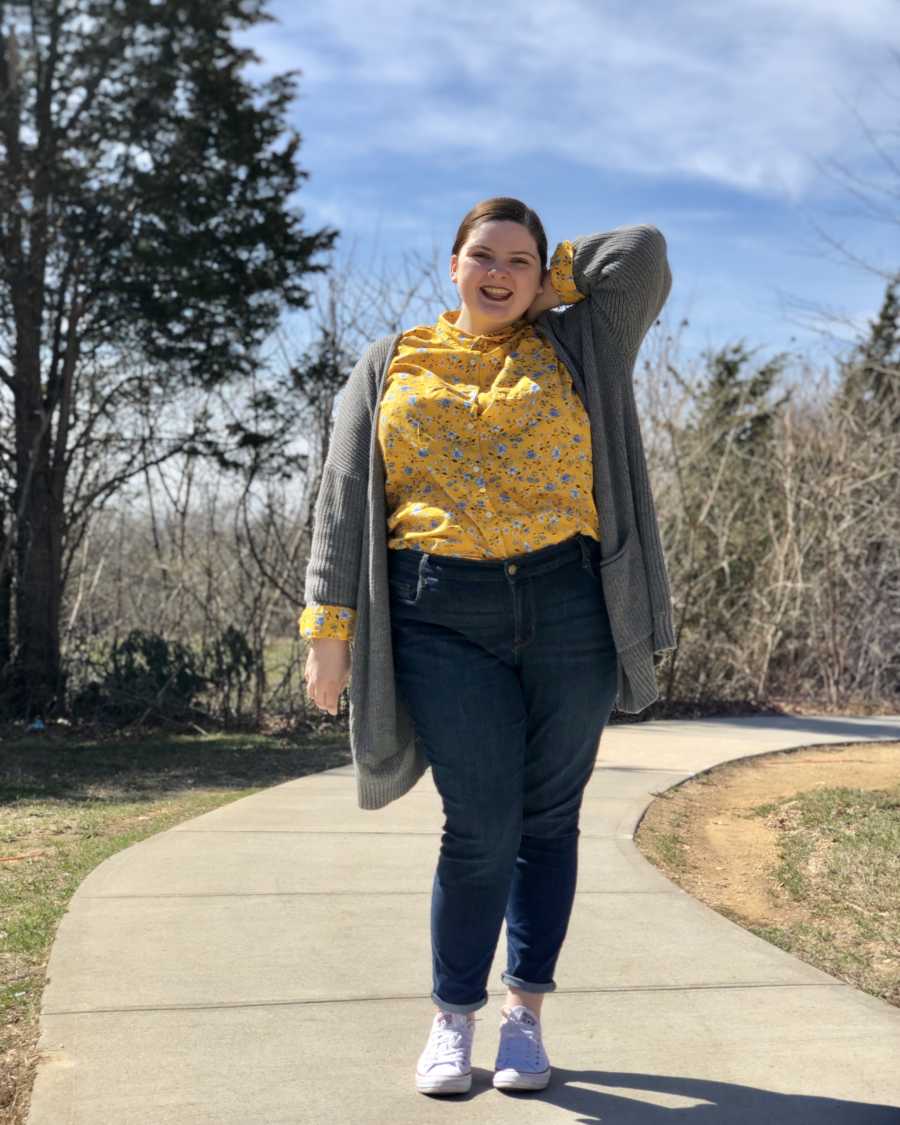
In April 2017, I shared a post calling out the dance community for perpetuating harmful body standards and disordered eating. I created the hashtag #BopoBallerina, short for body positive ballerina. I hoped it would resonate, but I never expected what happened next. The post received over 1,000 likes, major media outlets covered my story, and within two weeks my following grew from about 1,000 to more than 10,000. Suddenly, I had a platform—and a deep sense of responsibility to use it to tell the truth and advocate for others.
In 2018, after losing a close family member that winter and surviving a sexual assault later that summer, I experienced a lapse in my recovery and was diagnosed with PTSD. I found myself slipping back into restriction, trying to outrun emotional pain through exercise. But I quickly realized that continuing down that path would destroy my chances of achieving my dreams—and I had so many. I recommitted fully to recovery, and within a month or two, I was back in a stable place. Around that time, I signed a book deal, which gave me even more motivation to keep going.
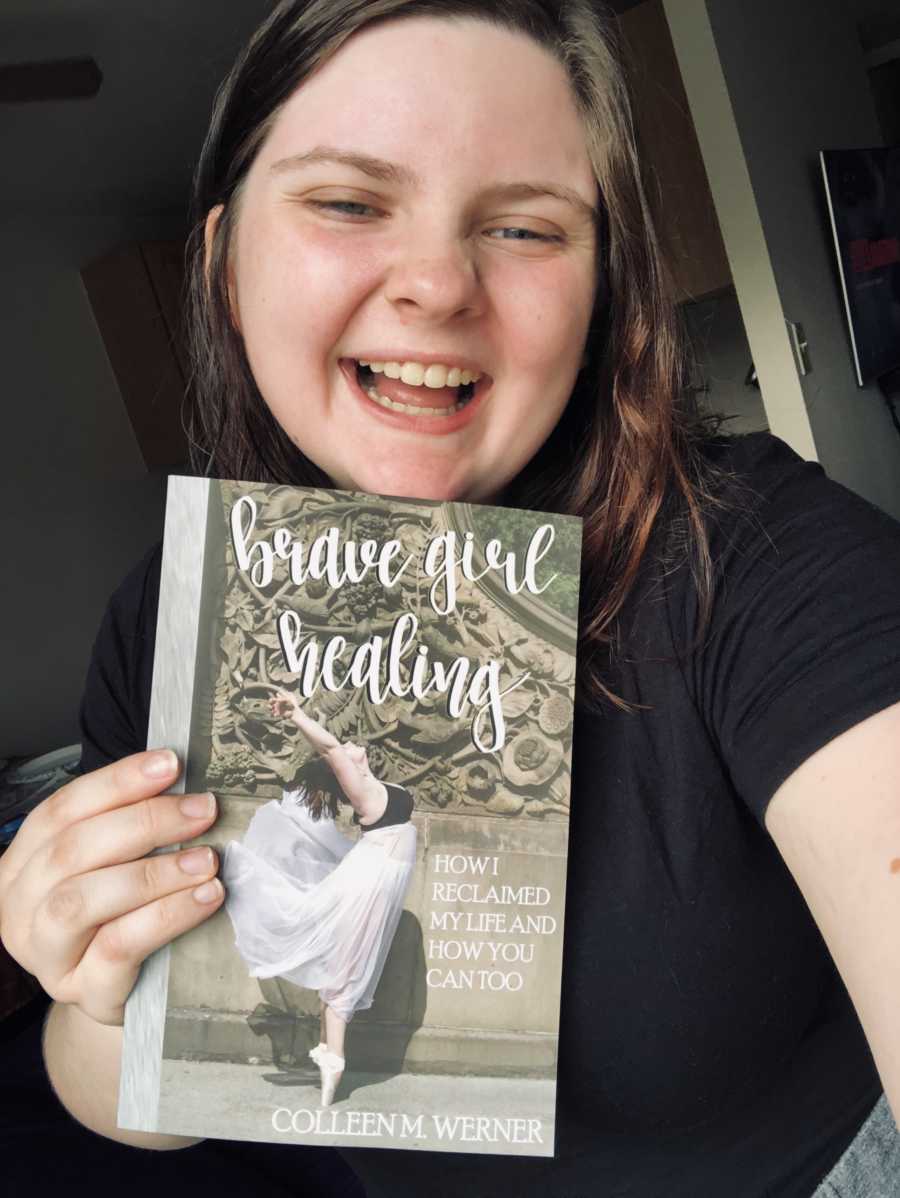
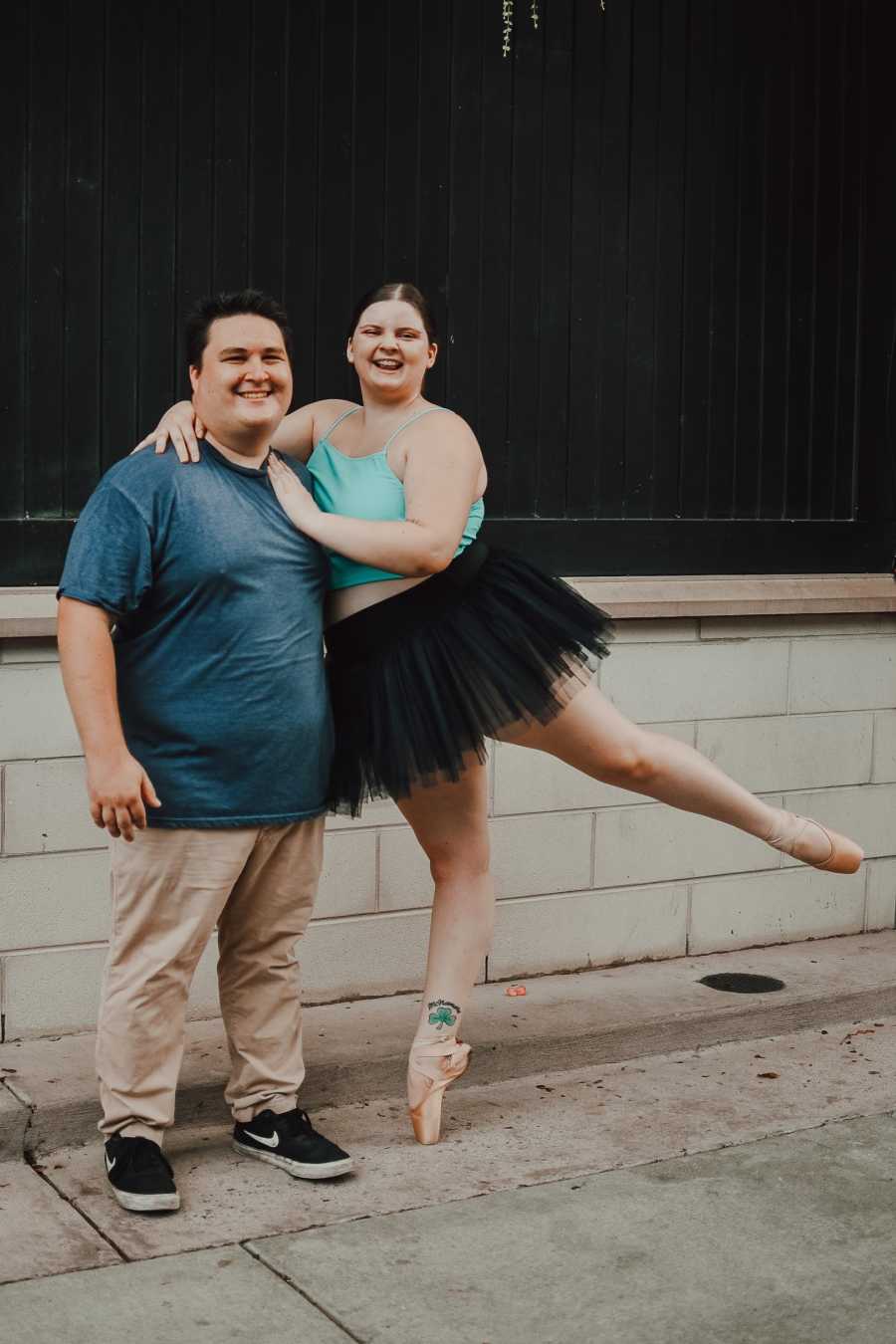
My book, Brave Girl Healing—part memoir, part self-help guide, part workbook—was released this past May. Two weeks later, I graduated with my bachelor’s degree in psychology. I packed up my life, left my childhood home in New York, and moved to Nashville, Tennessee, with my boyfriend. My Instagram was filled with excitement about graduation, my move, and preparing for graduate school, and I was overwhelmed with love and support from my followers.
Then one night, while checking my Instagram DMs, I received a message that stopped me cold.
The sender told me that my account made her not want to recover. She said seeing my body terrified her, that full recovery meant becoming “large” like me, and that my body-positive photos were triggering. She suggested I add trigger warnings or make my account private.
Reading those words shook me to my core. Accepting my recovery body has been hard enough, especially as someone in a larger body. Having someone essentially say, “Your body is my worst nightmare,” made me want to disappear. I felt shame flood in and the urge to relapse rise up. The idea that my body could make someone afraid to recover made me feel broken and wrong. But instead of spiraling, I paused. I leaned on my boyfriend for support and forced myself to look at the situation honestly and rationally.
After many tears—and a lot of typing, deleting, and retyping—I sent a response that was both compassionate and firm. I explained that I wouldn’t hide my recovered, healthy body. I acknowledged her fear, shared that I once felt the same way, and gently pointed out that internalized fat phobia is something recovery requires us to confront. I made it clear that my body is healthy, worthy, and not something I will apologize for or conceal.
Choosing to respond that way took an enormous amount of strength. Earlier in my recovery, a message like that would have sent me straight into relapse. But years of therapy and healing gave me the tools to protect myself. Instead of derailing my recovery, it became a temporary discomfort that passed.
Through this experience, I’ve learned that people—both strangers and loved ones—sometimes say cruel, untrue things to shield themselves from their own pain. While I can’t control their words, I can choose who I engage with and when to set boundaries, even if that means stepping back or blocking someone.
If you’ve ever received hurtful comments about your body, with or without an eating disorder, please know this: you are enough. You are worthy. You are beautiful exactly as you are.
And if you’re battling an eating disorder, recovery is possible. There is a life beyond your disorder—one filled with freedom, light, and purpose. Three years ago, I was still trapped in my illness. Today, I’m a published author, a national mental health conference and UN speaker, and a graduate student pursuing a master’s degree in Clinical Mental Health Counseling. My dream is to become a therapist specializing in eating disorders and trauma and to one day create a treatment program specifically for dancers.
I am the expert on myself, and I refuse to let anyone else define me.