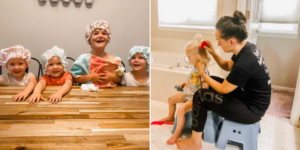
February 17, 2015, was the day we discovered we were going to welcome our fourth child! Would it be a girl or a boy? We didn’t know, but we were thrilled either way. The excitement of expecting another little one filled our hearts with joy.
My early doctor’s appointments went smoothly, and I experienced the usual pregnancy sickness, much like with my other children. Nothing seemed out of the ordinary, and I was happy and hopeful.
June 4, 2015, arrived—the day of my anatomy scan. We thought it would be just another routine appointment, eager to see our baby on the screen. But after the sonogram, my doctor’s words caught me off guard: “We are going to send you across the street to a specialist to get better images of your baby’s heart.” She reassured me, “Nine times out of ten, everything is fine, but we just want to make sure.” At that moment, I still felt okay and wasn’t overly worried.
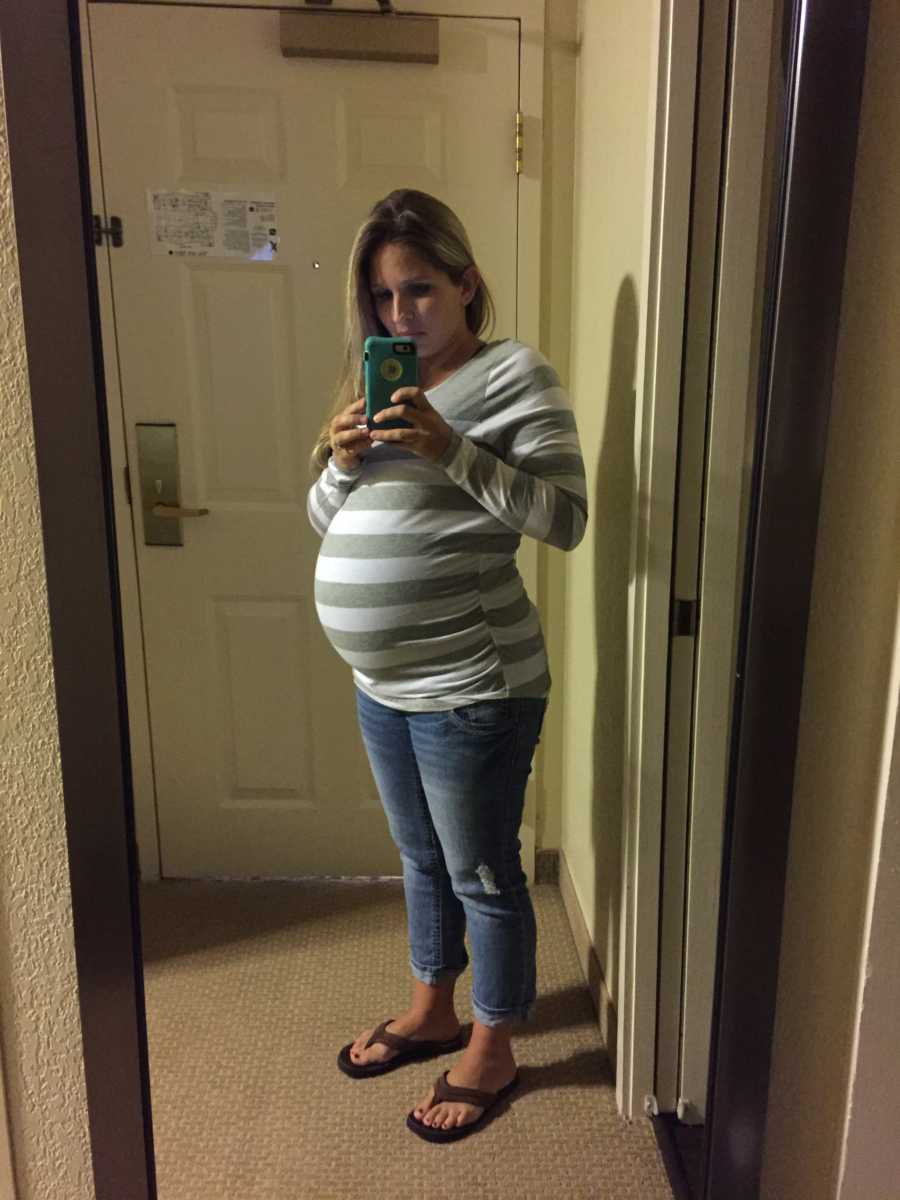
Our specialist appointment was June 9, 2015—a day that will forever remain crystal clear in my mind. I went in feeling relatively calm and even told my husband, Tyler, to go to work; I would call him with updates. After the sonogram, I was asked to sit in front of a large white screen for a telemedicine consultation—the doctor would appear virtually from Chattanooga.
When he came on screen, he asked why I had been referred. I explained briefly about the unclear heart images. And then he said the words that shattered me: “Yes, I can see why! The left side of your baby’s heart is severely underdeveloped, and this will require open-heart surgeries for her to survive.” My heart sank. Tears immediately streamed down my face. The nurses handed me tissues and offered to call someone for me, but I told them no. An appointment with the specialist himself was scheduled in Chattanooga, Tennessee.
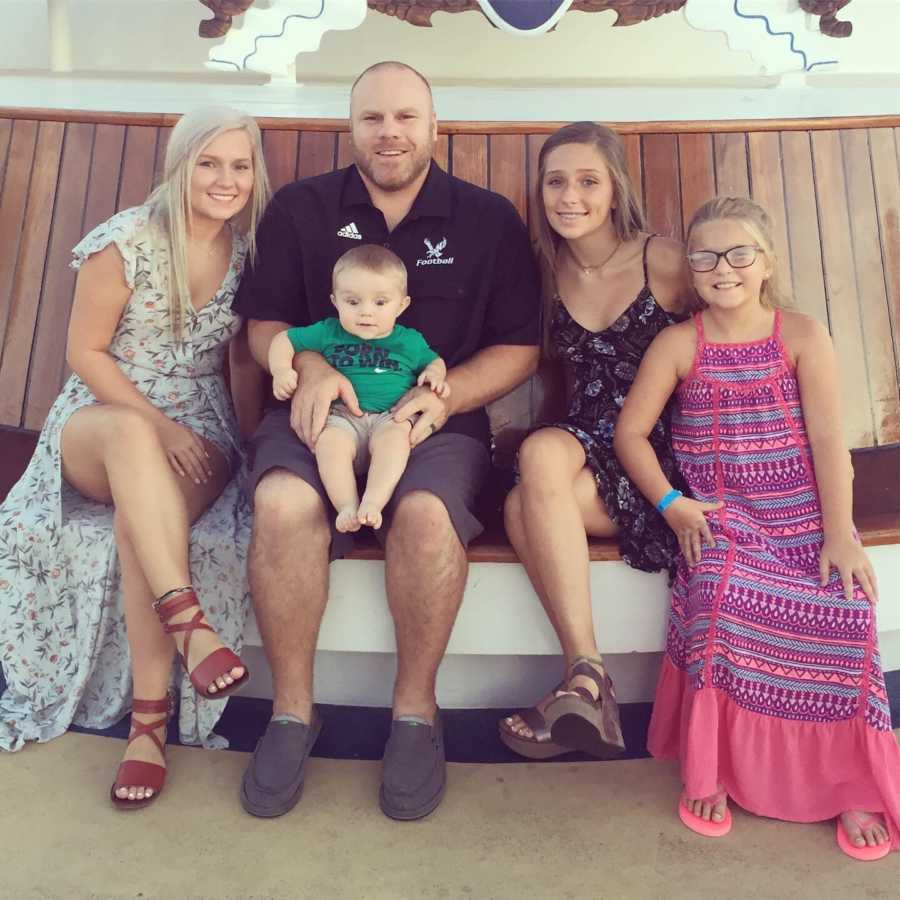
I called Tyler on my way home, asking him to meet me. Once he arrived, we stayed in the car to shield our three daughters—Kelsey, 14; Kylie, 12; and Jersi, 5—from the devastating news. We sat together, sobbing, feeling completely lost, shocked, and overwhelmed with uncertainty.
At our Chattanooga appointment, we learned our baby had Hypoplastic Left Heart Syndrome. We researched surgeons and hospitals, eventually deciding on Vanderbilt in Nashville, Tennessee—a three-hour drive from our home in Cartersville, Georgia. Between June 9 and our first Vanderbilt appointment on July 23, 2015, we explained everything to our daughters, who had so many emotions and questions. It was one of the hardest conversations we had ever had as parents.
I continued regular appointments with my OB, the specialist, and monthly visits at Vanderbilt. On August 20, 2015, during one of these visits, we received more difficult news: Berkeley had a restrictive atrial septum. This meant she would go straight to the cath lab at birth, followed by her first open-heart surgery a few days later.
On September 24, Tyler and I traveled to Nashville to wait for her arrival. I remember thinking, “How will we walk these halls filled with sick babies and tubes?” One afternoon, Tyler and I sat downstairs after an appointment, and I noticed tears running down his face. Across the room, a father fed his daughter through a tube, little knowing we would face that exact reality ourselves.
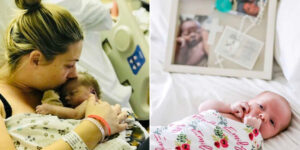
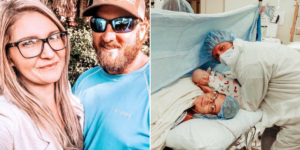
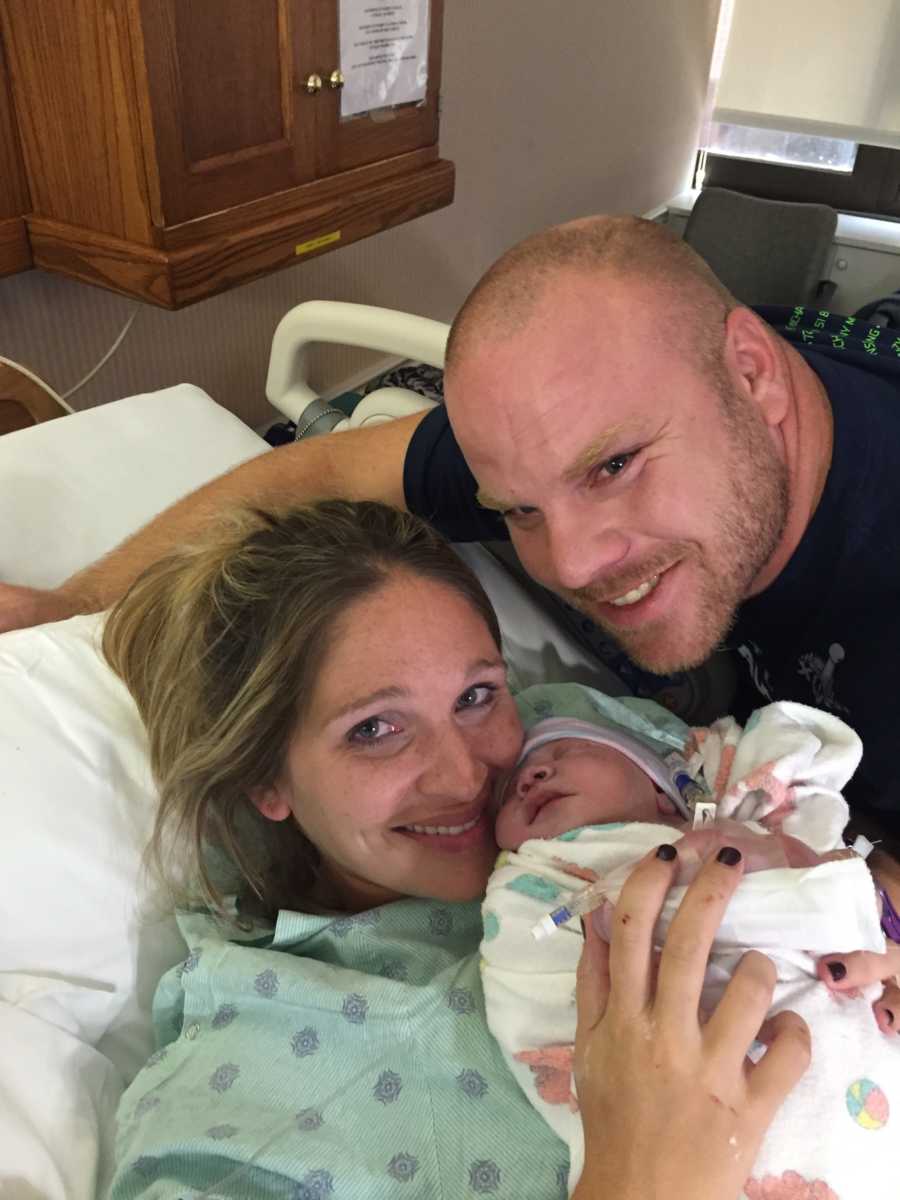
Berkeley was born on October 11, 2015, screaming and looking stronger than we feared. About eighteen people were in the delivery room to ensure everything went smoothly. We held her for only a few minutes before she was rushed to the cath lab. Watching her leave in such a fragile state broke my heart. Less than twenty-four hours later, I was walking to the Children’s Hospital to see her as much as possible.
Her first open-heart surgery, the Norwood procedure, was on October 15. It was a long day, but the surgery went as expected. We lived minute by minute, hoping for smooth recovery and the chance to go home before her next surgery—but we never left the hospital. Every day of her 321-day life was spent there.
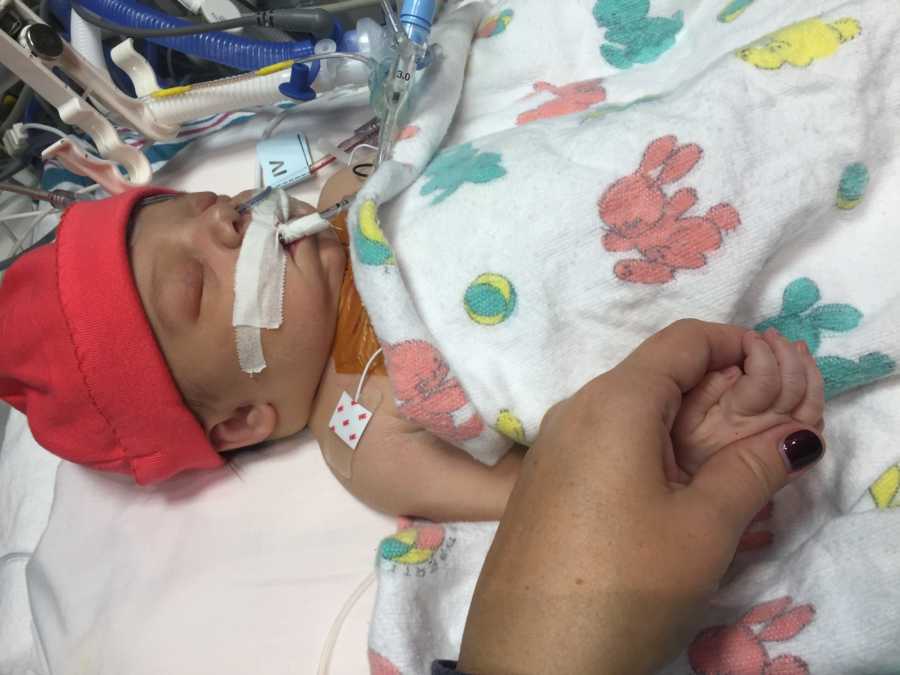
While this unfolded, Tyler stayed home to care for our three daughters and work, while I stayed in Nashville, traveling back occasionally to see them. Our nurses at Vanderbilt became like family, loving Berkeley as their own, and giving us the strength to step out for a few hours without guilt. I am forever grateful to them.
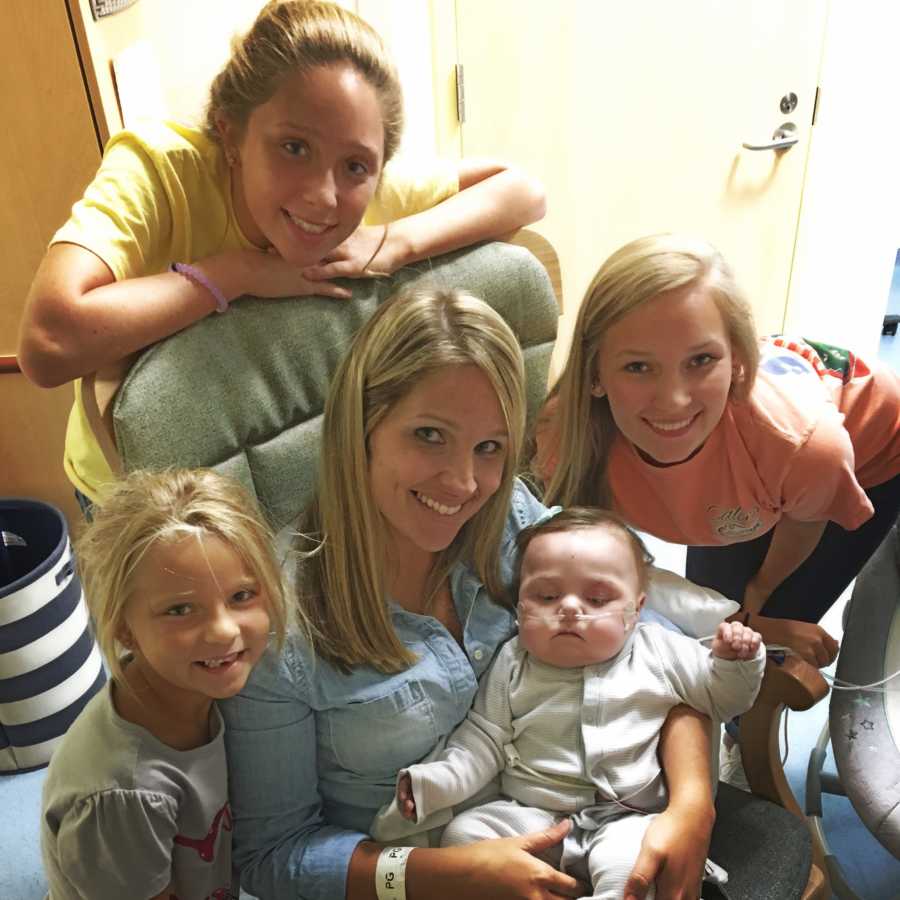
The first time I truly feared for Berkeley’s life was January 2016. She developed yeast in her blood and looked so swollen and fragile I told Tyler to drive the three hours immediately. By God’s grace, she made a miraculous recovery.
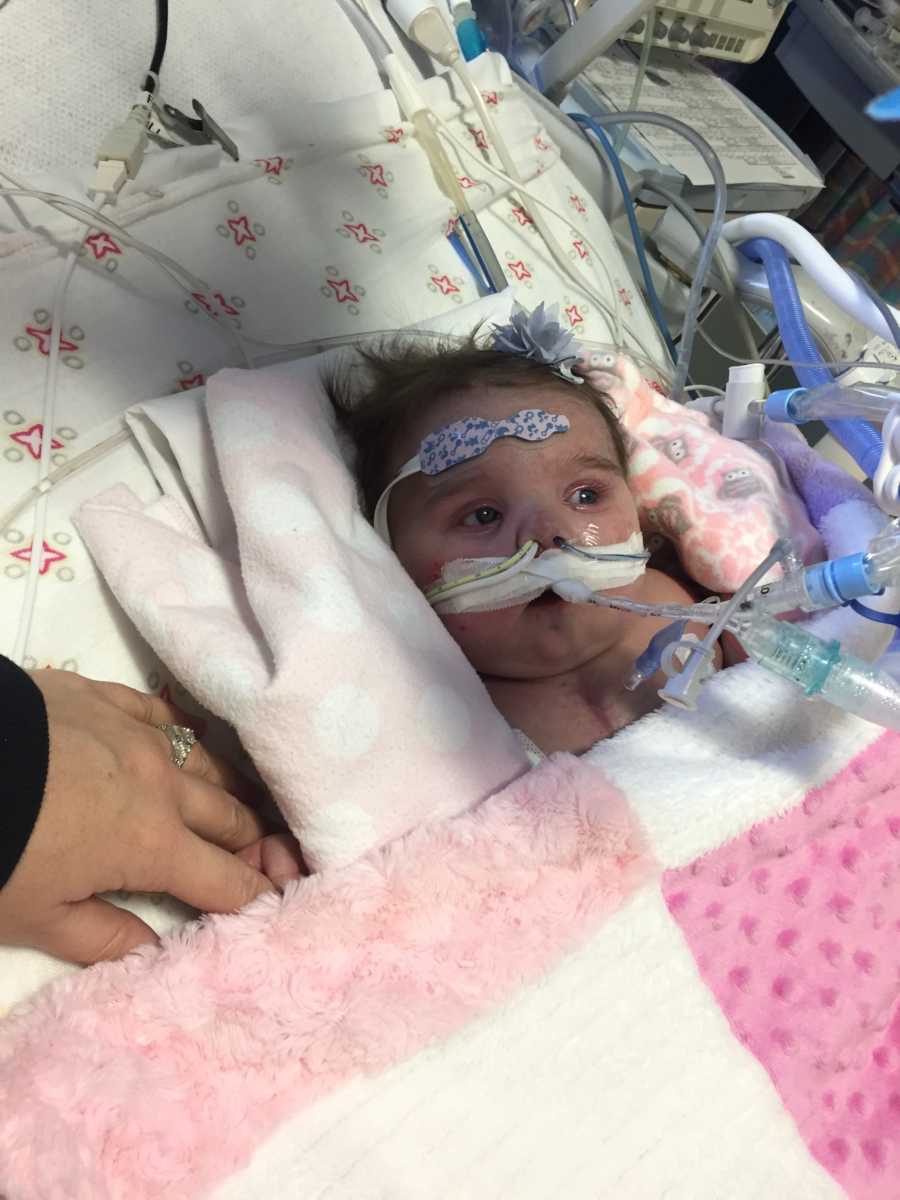
In March, she underwent her second surgery, the Glenn procedure. She improved but faced ongoing feeding challenges. Even with a feeding tube, her care was constant, trial-and-error, and emotionally exhausting.
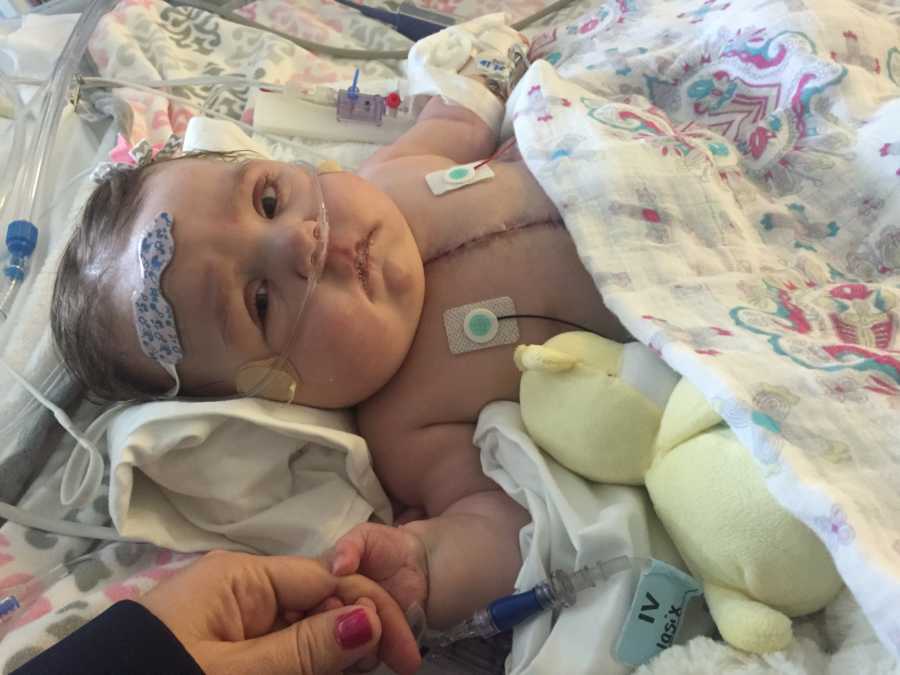
July brought a glimmer of hope—we might finally go home. I spent the 4th of July at home for one of our daughters’ birthdays, then returned to prepare for the step-down unit. But the very next day, Berkeley went into cardiac arrest, requiring fifteen minutes of CPR. My heart sank as I fell to the floor, calling Tyler to come. She survived, but the days ahead were long and filled with constant monitoring for strokes, seizures, and other complications.
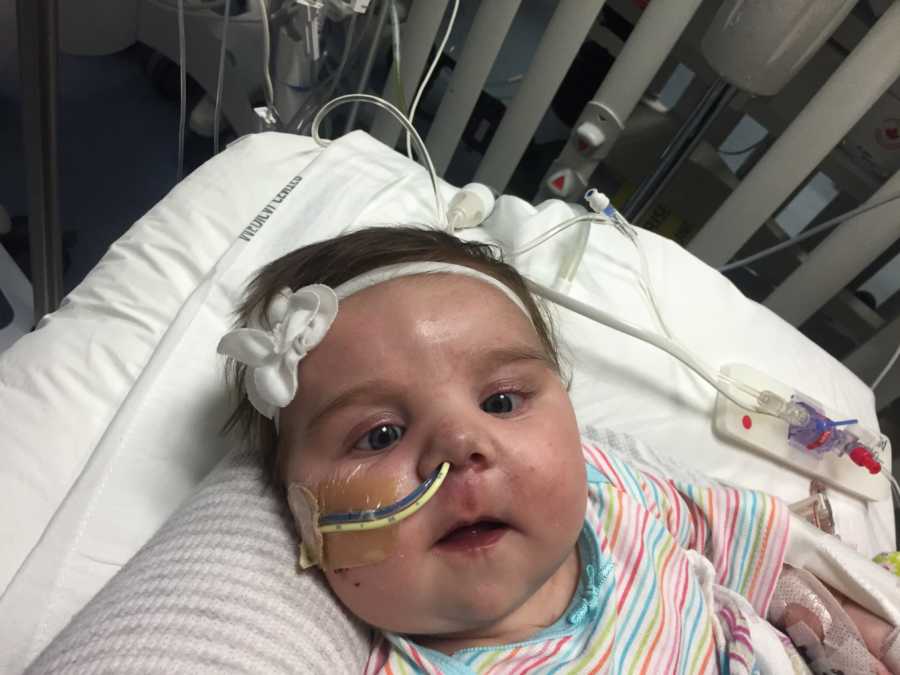
Despite everything, Berkeley fought with incredible strength. Her will to live was extraordinary. Then, on August 15, 2016, while driving home, I received a call from the ER: my father had suffered a stroke. As we rushed to him, we also learned Berkeley had another cardiac arrest. She survived again, but her health was fragile. My father would spend months in recovery, now permanently disabled.
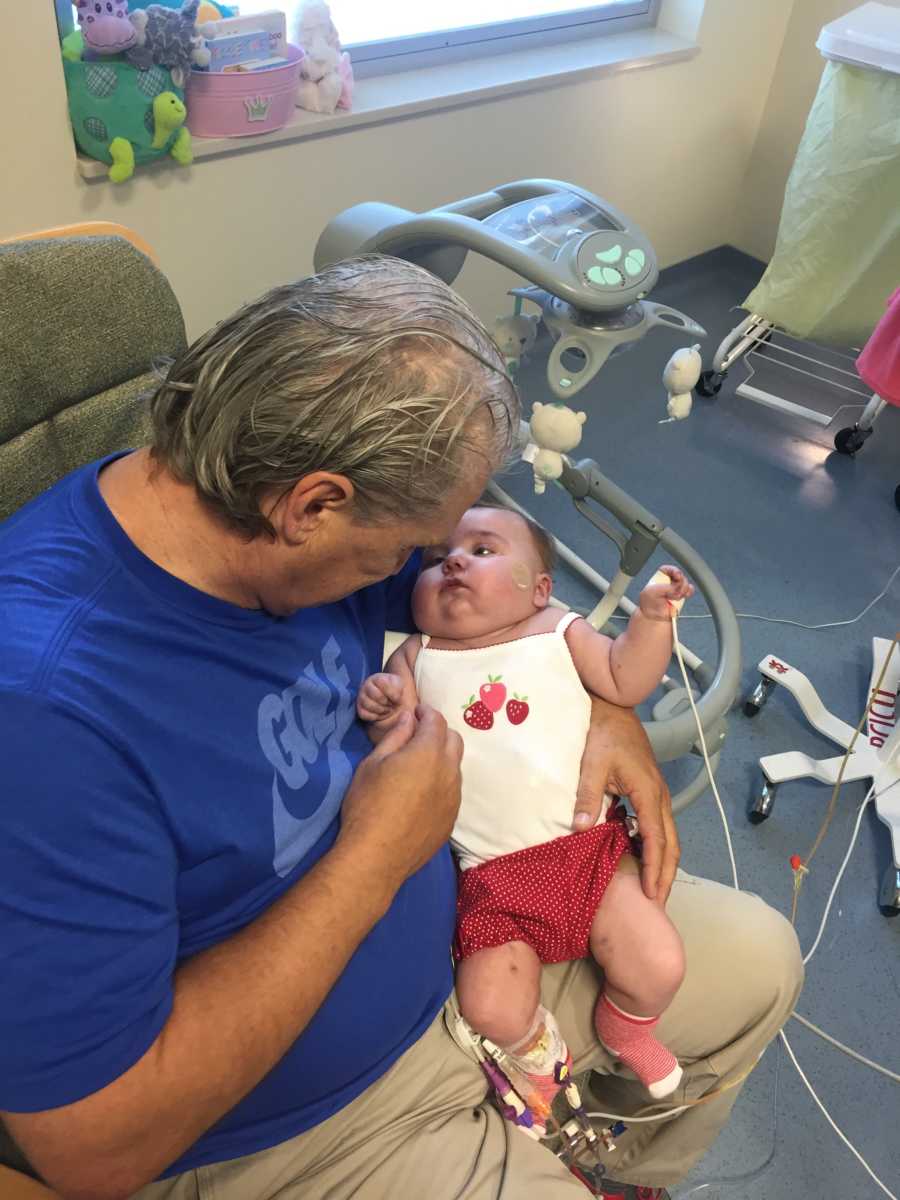
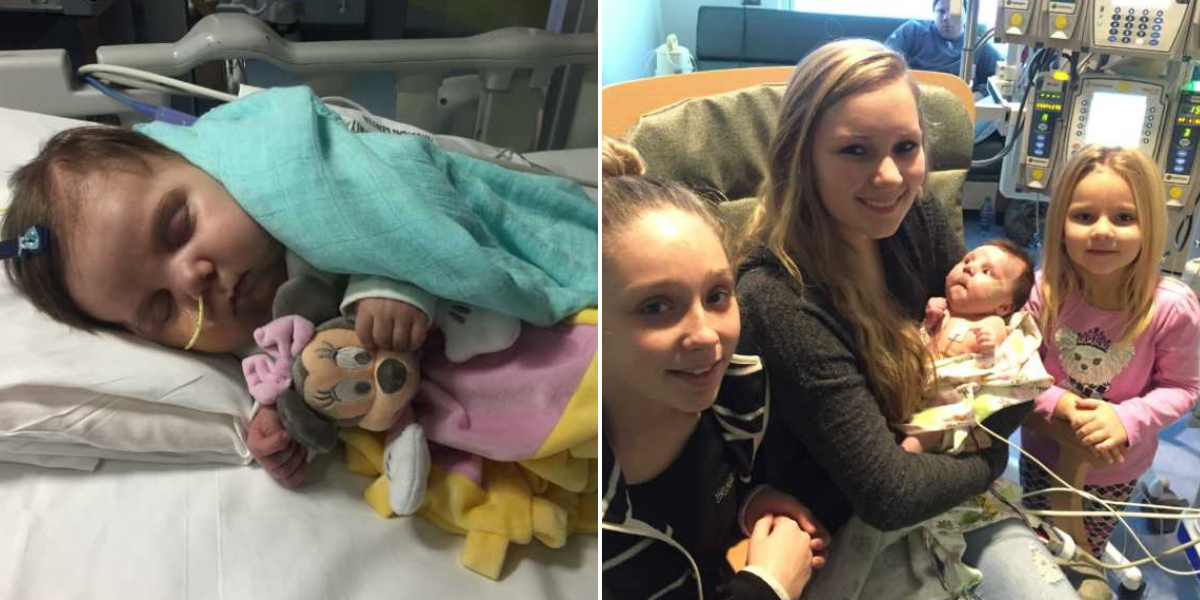
Doctors eventually told us Berkeley would not be a candidate for her third heart surgery, the Fontan, and might never leave the hospital. My heart knew she was exhausted, that she had endured too much, and that it was time for her to rest. Tyler and the girls came to the hospital, and we made the difficult decision to list Berkeley as DNR. On August 26, she was taken off the ventilator. After hours of holding her, we cherished every moment.
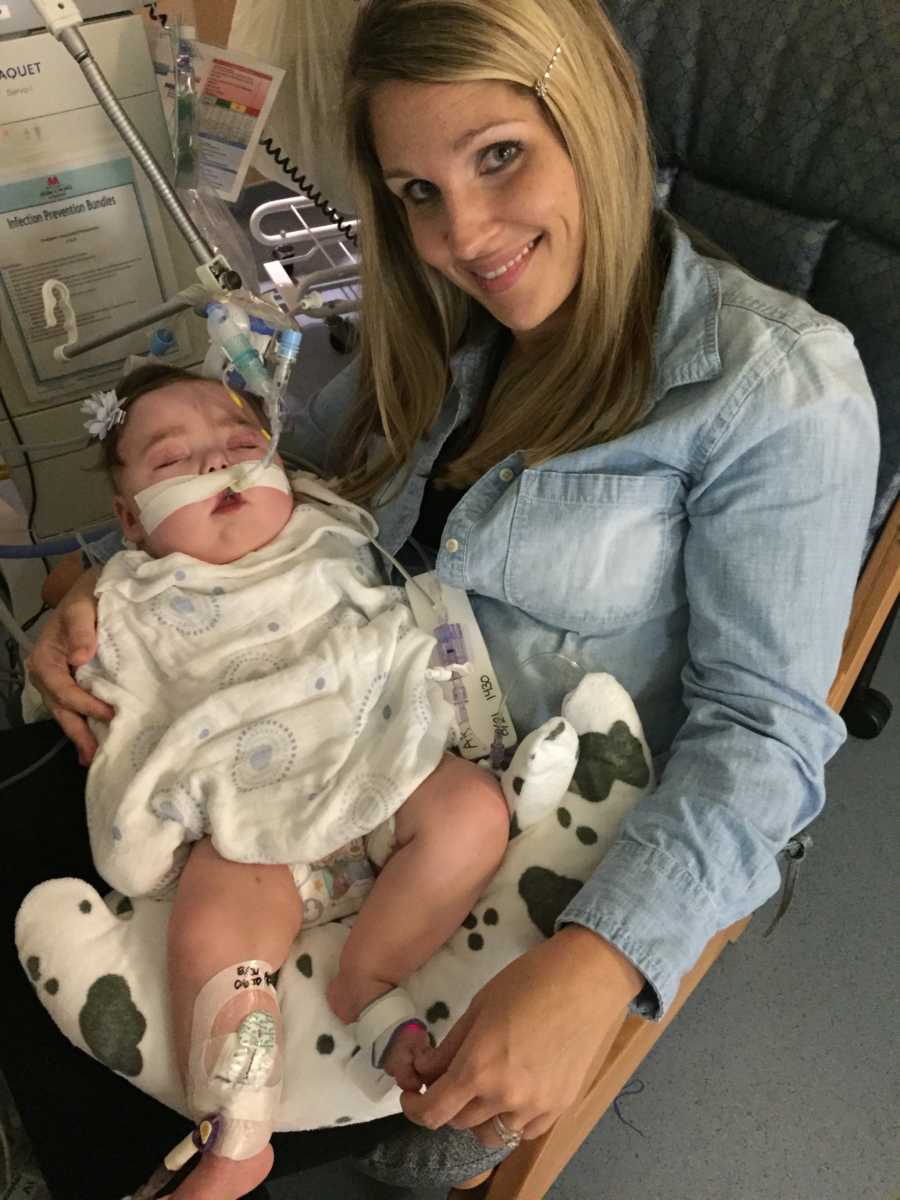
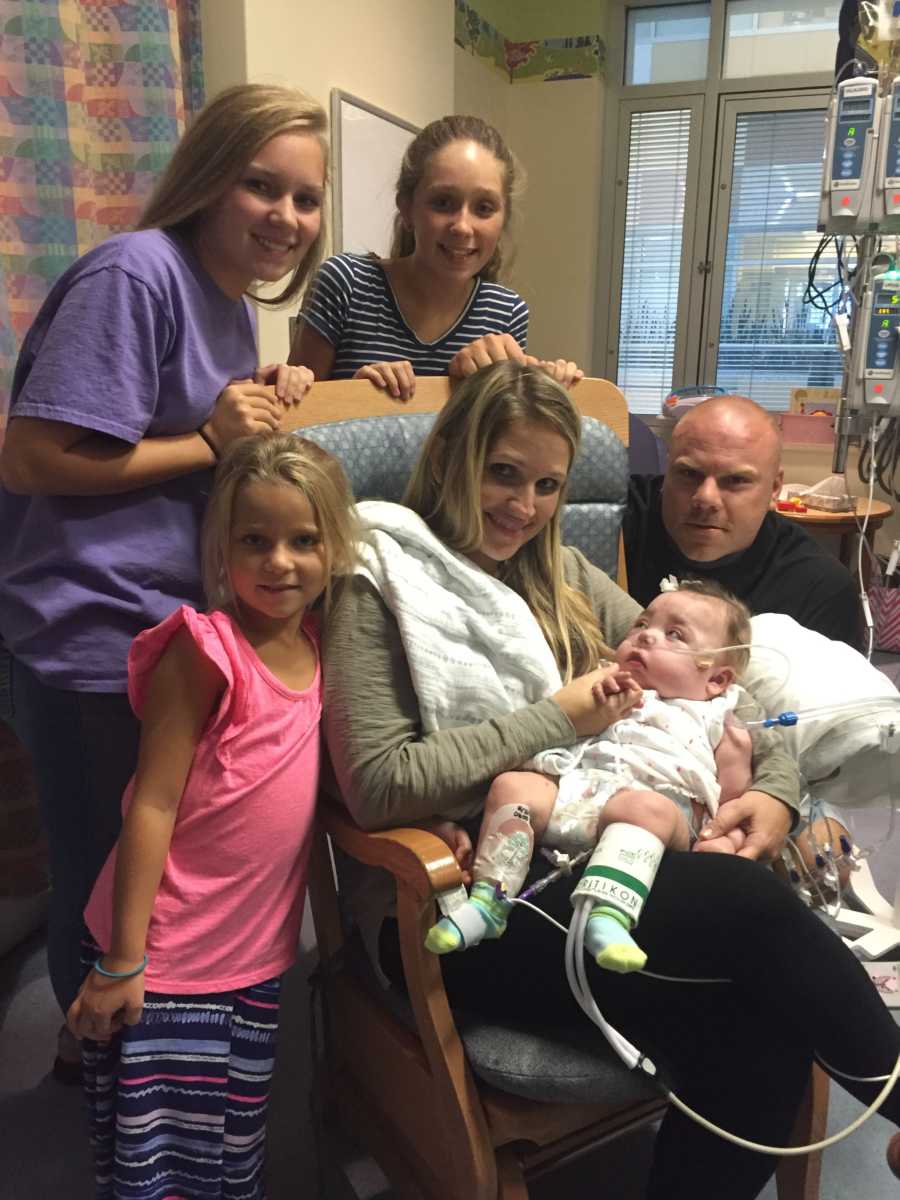
In the early hours of August 27, 2016, our sweet Berkeley passed away at 2:15 a.m., just ten and a half months old. Though our grief was unbearable, we believed it was God’s plan. Her short life left a legacy of courage, love, and purpose.
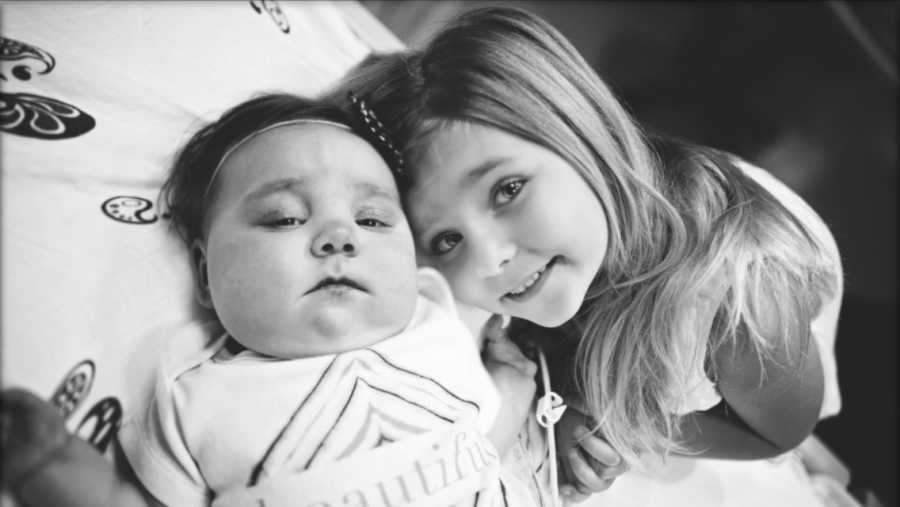
The pain of losing a child is indescribable. People often ask, “How do you do it?” I answer, “You do what you must, because your family needs you.” I prayed constantly for strength, and God, Tyler, and our children gave me the will to keep going.
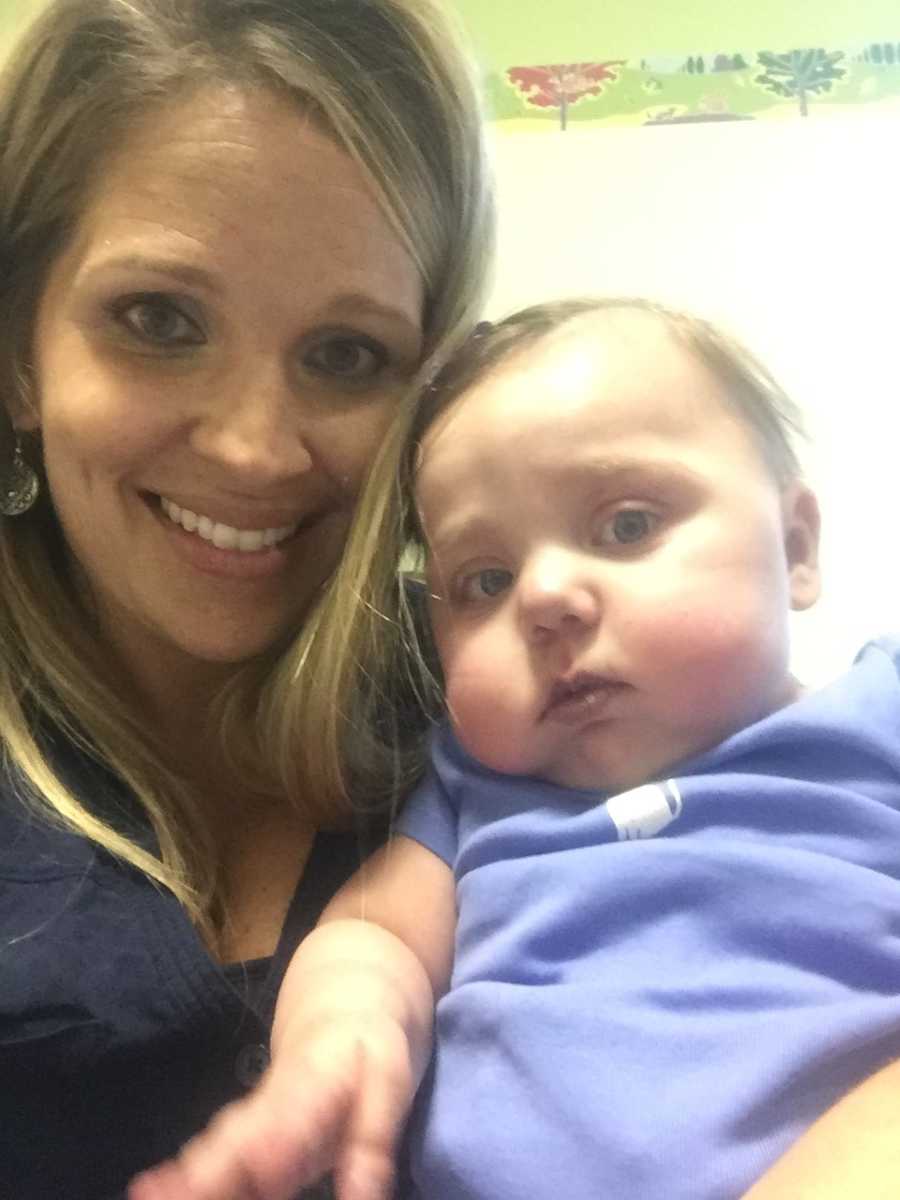
Even before Berkeley’s passing, we knew we wanted another child. I approached every appointment with caution and prayer, especially the anatomy scan, anxiously checking for a healthy heart. On September 15, 2018, we welcomed our miracle boy, Beckett Tyler Best. He resembles Berkeley in so many ways, bringing light to our darkest days and joy to our hearts.
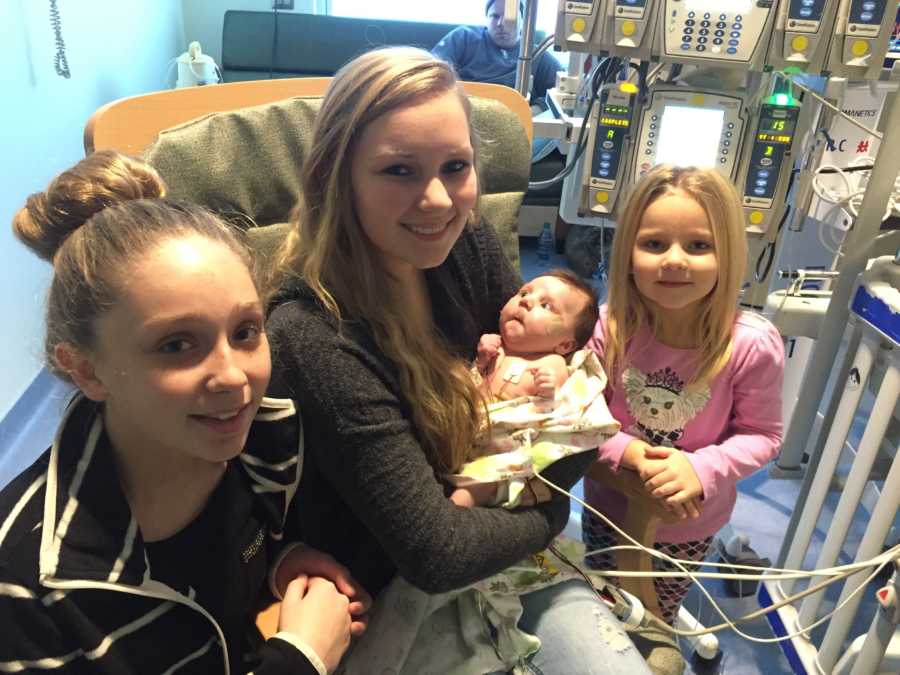
To honor Berkeley, we filled our home with her pictures and keepsakes, wore jewelry in her memory, and celebrated her life with balloon releases on special days. Most importantly, we created Berkeley Bees Heart Foundation, dedicated to supporting families facing congenital heart disease. We understand their struggles, their fear, and their hope.
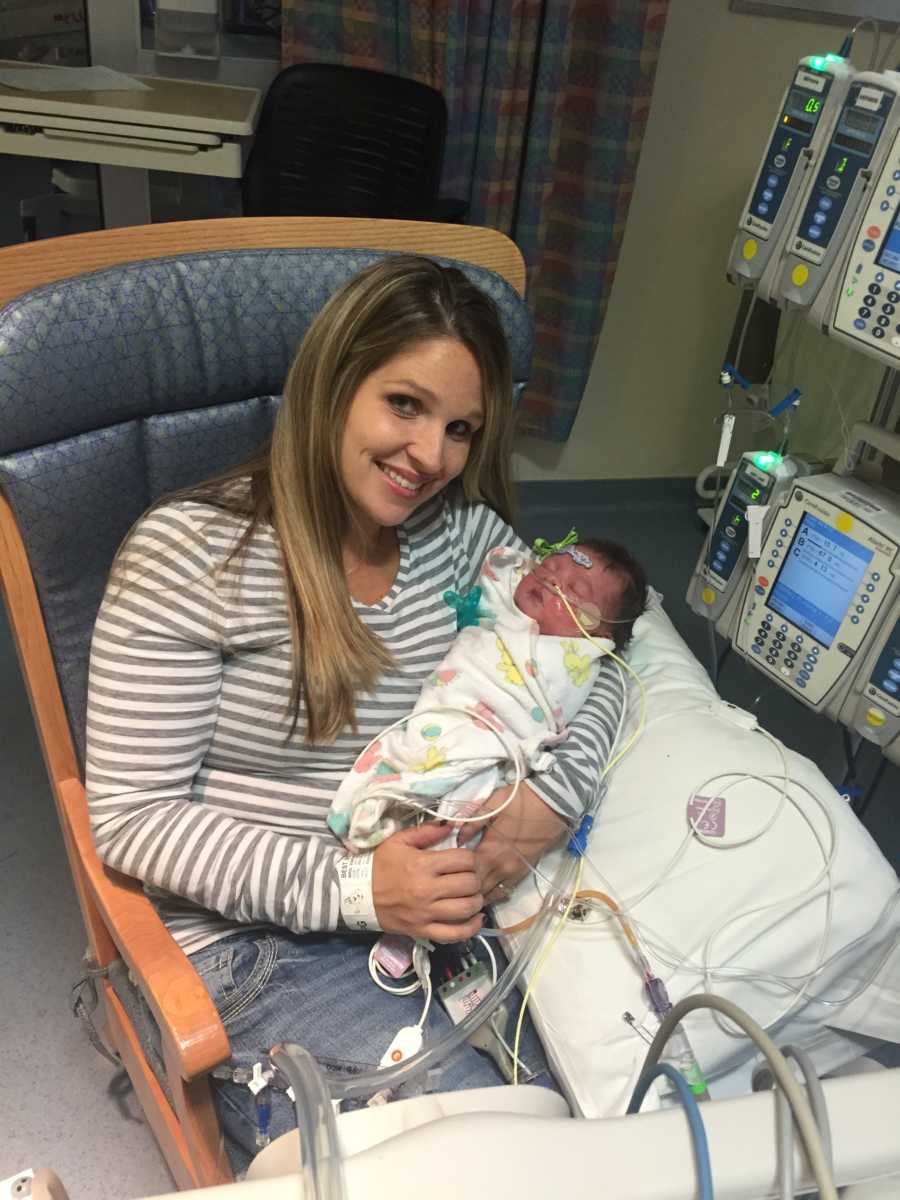
To those enduring similar heartbreak, know this: your faith can be stronger than your fear. Time does not erase loss, but it teaches new ways to cope and honor your child. Berkeley’s life changed us, and her memory continues to guide us. Our children proudly speak of their sister, and we walk forward with faith, strength, and hope, knowing we will see her again one day.