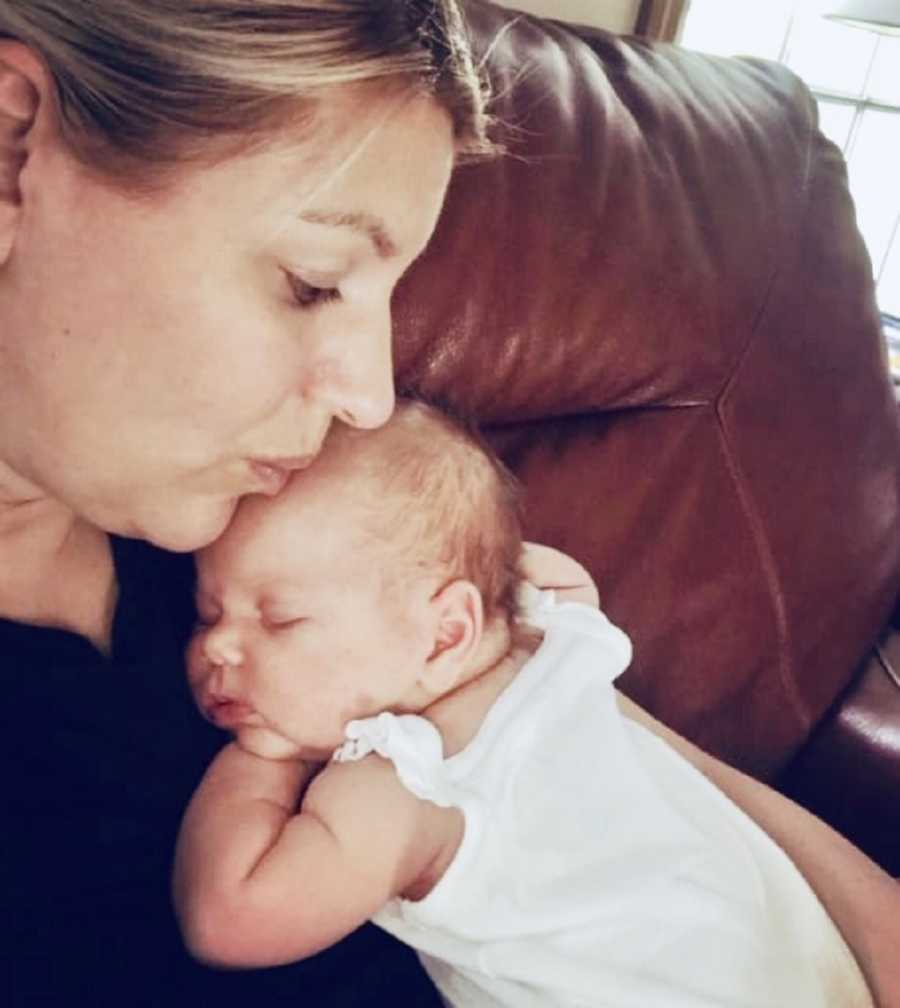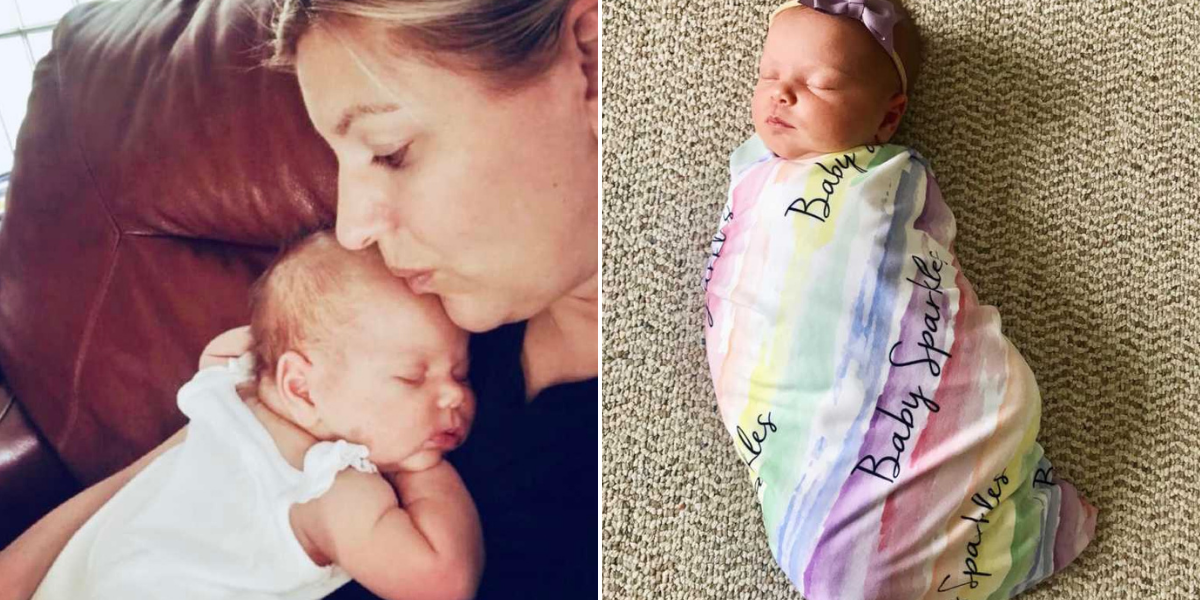
I’ve been on maternity leave for exactly six weeks. As I sit here with my newborn resting on my chest, I can hardly imagine returning to work today. The thought feels impossible, yet for so many women across the U.S., this is the reality—and it breaks my heart.
It takes over nine months to grow and nurture a tiny human inside your body, yet many women are expected to leave their newborns just a few weeks later and return to work. How is it fair—or even possible—to ask that of a mother who is still adjusting, healing, and learning her baby’s every need?
In the six weeks I’ve been home, I haven’t slept more than four hours at a stretch. My days are consumed with feeding, pumping, changing diapers, and deciphering why my baby is crying. Even with my maternal instincts kicking in, we haven’t yet settled into a rhythm. The idea of leaving my baby, even for a few hours, feels unbearable.
At just six weeks postpartum, returning to work feels unimaginable—but many women go back even sooner, sometimes just two weeks after giving birth. And for some, the challenges go beyond exhaustion. Postpartum depression, anxiety, or, in my case, PTSD, can take a heavy toll. I delivered my triplets more than 17 weeks prematurely, and heartbreakingly, two of my children passed away within their first two months. Surviving a birth where I nearly lost my own life, coupled with the grief of losing two of my babies, has left scars that run deeper than anyone can see. The memories and triggers from that trauma stay with me, even in moments of joy with my surviving child. And while I juggle these emotions, I’m also navigating sleepless nights, midnight feedings, and the ongoing physical recovery—stitches that are still healing and bleeding that hasn’t fully stopped, clear signs that my body is far from ready to return to work.

At six weeks postpartum, the idea of leaving my baby in daycare is overwhelming. Between diaper changes, doctor visits, and endless hours of holding and staring at this tiny, perfect human, I am finally beginning to feel the connection that only quiet, uninterrupted time at home can nurture. But six weeks is not enough. Bonding, healing, and adjusting take time—precious, irreplaceable time that so many women simply don’t have. And yet, the reality is that most mothers need to work because life requires income, which means leaving their newborns in the care of someone else—a decision that carries its own stress and guilt.
Paid maternity leave in the U.S. is inconsistent at best. Some companies offer compensation, others provide unpaid time off, and many women have no option at all. I consider myself lucky—I’ve saved vacation days and receive short-term disability benefits—but I know that luck is not the standard.
Around the world, some countries offer up to a full year of paid leave after childbirth. Here, until policies change, women like me must find ways to balance career and motherhood as best we can. Some mothers return to work before they’ve fully bonded with their babies, or before their bodies have healed. But despite the challenges, we do our best. We hold our babies close whenever we can, cherish the fleeting quiet moments at home, and embrace every minute of connection that life allows. Because even with the juggling, the exhaustion, and the heartache, those moments are everything.