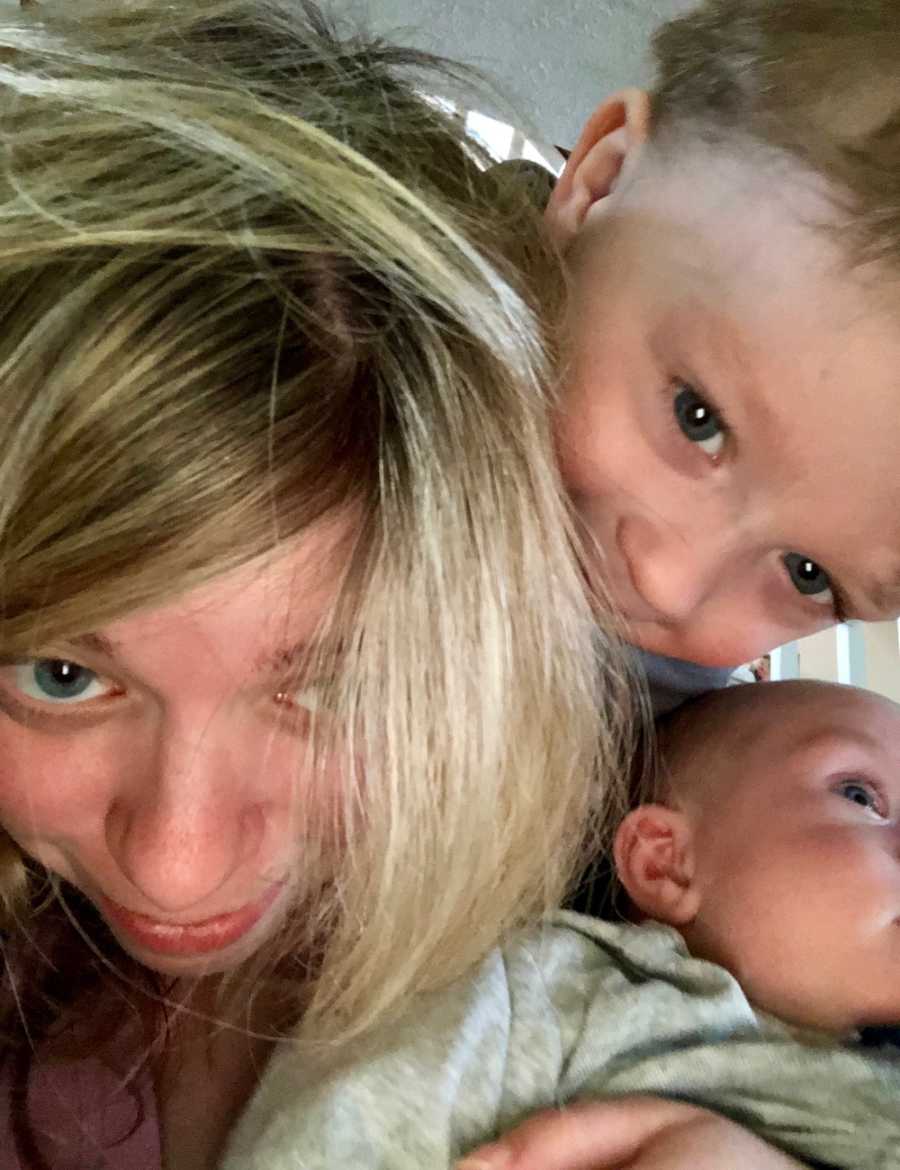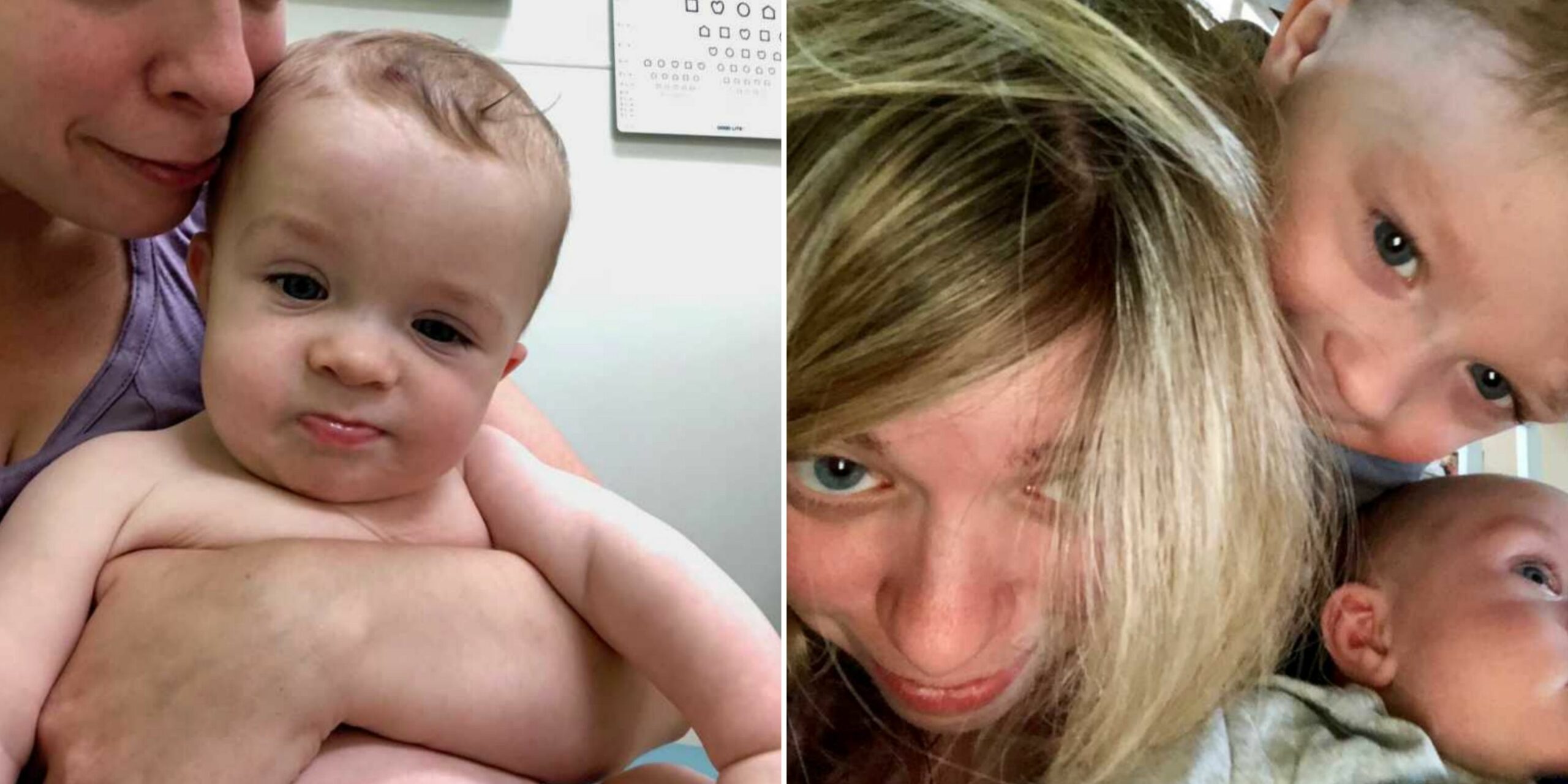
I breastfed my second baby, Aiden Ziggy, for almost eighteen months. Five hundred twenty-four days, to be exact. And here’s my dark secret: I hated it. There, I said it. I hated breastfeeding. But this is our story…
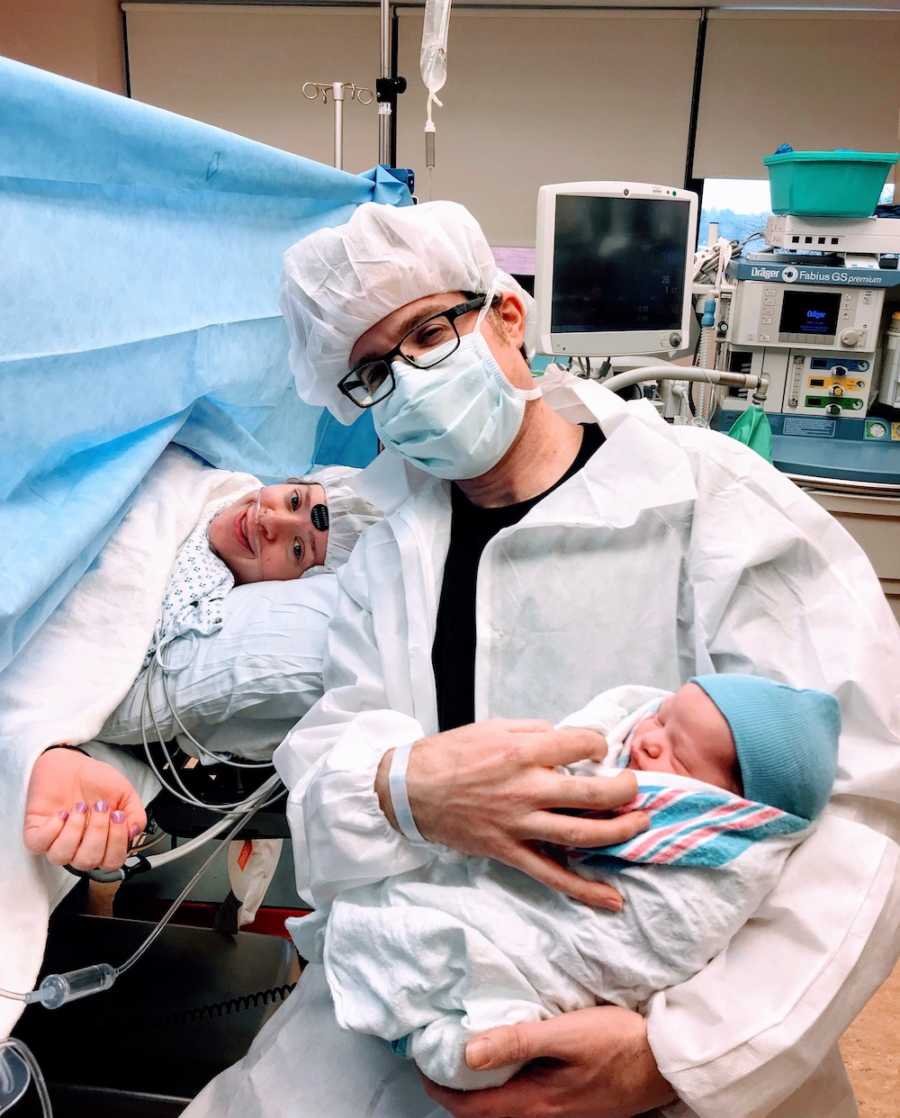
I should start by saying that I was unable to breastfeed my firstborn, Dylan. As a first-time mom, I desperately wanted it to work. After a traumatic birth that nearly landed him in the NICU, left me needing blood transfusions, and drowned both of us in tears, he simply would not latch. I felt like a failure. I never established a full supply in that first month, so he was mostly fed by the F word. Yes—formula. Anyone in breastfeeding circles knows how frowned upon that can be, sometimes treated worse than putting your infant forward-facing in a car seat. But Dylan needed to eat. I also pumped for an entire year just to give him a little breastmilk. And let me tell you—I hated every minute of pumping. But guilt drove me. Guilt over not being able to breastfeed, guilt over feeling like a broken mom.
When I became pregnant with Aiden, anxiety consumed me. Would he latch? What if I couldn’t breastfeed again? What if I had to rely on formula once more, or, even worse, what if I could breastfeed but he refused a bottle? Anxiety had always been part of my life, but breastfeeding seemed designed to amplify it. And the pressure from the trend of “breast is best,” the so-called baby-friendly hospitals, and judgment from support groups—it all mounted on me. I was drowning before he was even born.
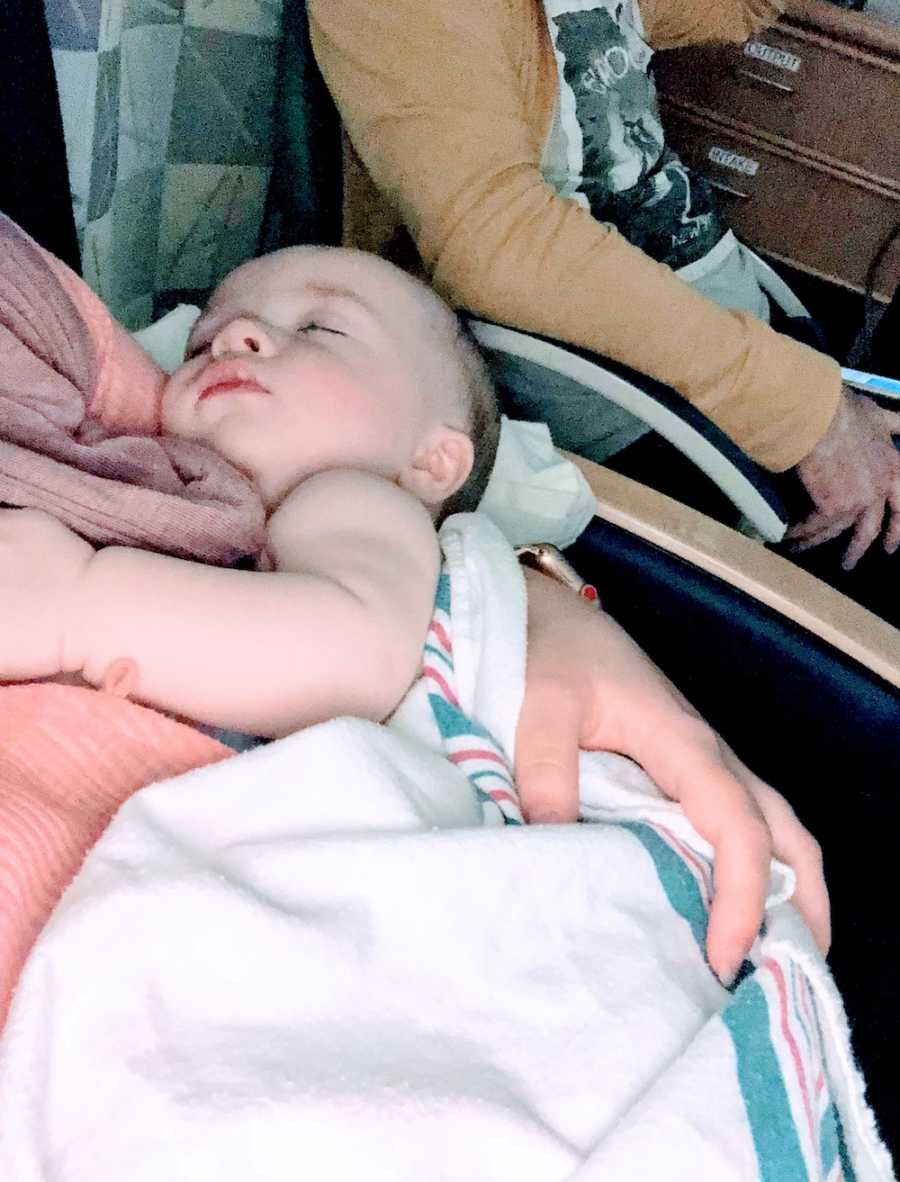
When Aiden arrived, nursing was challenging from the start. He had a tongue tie and wouldn’t latch on my right side. One morning, a nurse checked my blood pressure for the third time in twenty minutes—it wouldn’t drop. She asked what was wrong. I told her, “I really need my baby to latch.” Within moments, a lactation consultant and a social worker were in the room, listening to me cry as my baby clutched at my breast but wasn’t eating. His breathing had become an issue, and he needed monitoring in the nursery. I cried as I fed him a bottle, and the lactation consultant, seeing my struggle, told me gently that I didn’t have to keep breastfeeding. I wish I had listened. But determination won. Once his tongue tie was clipped, he latched, and we left the hospital together.
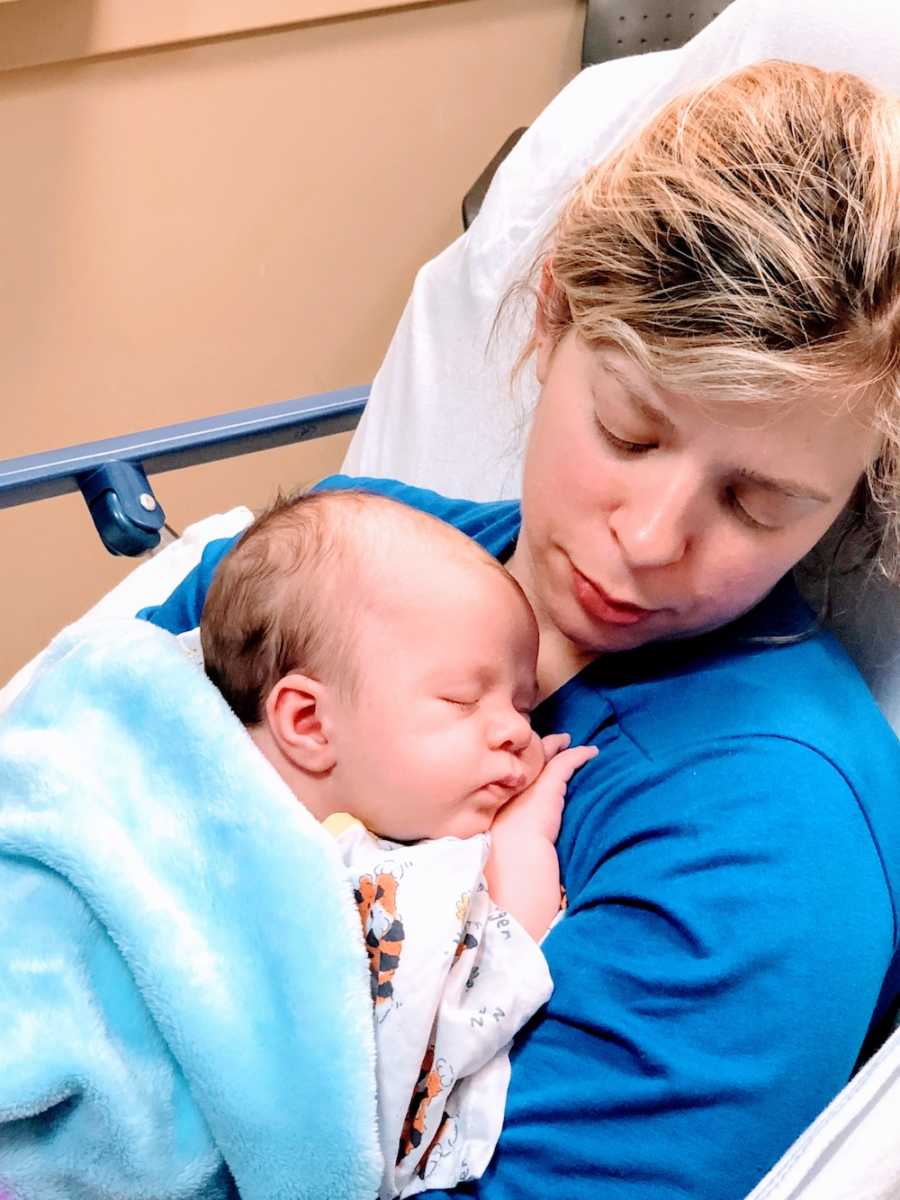
The first month was pure stress. Aiden wasn’t gaining weight. We saw a pediatrician who was also a lactation consultant, and she helped guide us. She told me to remove his pacifier, delay bottle introduction until two months, and respond closely to his hunger cues. Slowly, his weight climbed, reaching birth weight after nearly a month. I thought the hardest part was over—but I was wrong.
By two months, I tried the bottle. He hated it. Only my mom could get him to take one. But we were deep in medical chaos: doctor visits, specialists, reflux, sleepless nights, and a baby in constant pain. I tried everything—diet changes, giving up coffee, changing my routine—but nothing seemed enough. Every feed carried immense pressure.

At three months, Aiden was diagnosed with failure to thrive. More doctor visits, more strategies, more pumping—and still, he refused the bottle. I nursed him every two hours, sleep-deprived and anxious, watching his weight obsessively. As a former nanny to children with special needs, I feared tube feeding. I feared permanent effects on his development. Days blurred into nights, conversations forgotten, and every hour revolved around his next meal.
By four months, we discovered his dairy allergy, added a GI specialist, and slowly spaced weight checks to every other week, then monthly. But even with progress, my anxiety worsened. I couldn’t take stronger medication because I was breastfeeding. Every choice came with a caveat, every day a careful negotiation of my baby’s needs and my own limits.
Nighttime was a battlefield. Aiden had gotten used to feeding every two hours, and sleep apnea often startled him awake. He only knew how to soothe himself with breastfeeding. I couldn’t bear to let him cry, so I fed him on demand, even when it meant exhausting myself. And then there was the constant mental tug-of-war over calories, weight, and my past struggles with eating. It was another source of anxiety, another trap.
Last winter, illness struck hard. Ear infections, reflux, frequent sickness. Nursing became the only comfort. He woke every forty-five minutes in pain. I was stuck in a cycle I couldn’t escape. Days blurred. I napped in short increments to survive the evening routine, rushed through chores, barely found time for myself, and kept feeding him back to sleep, over and over.
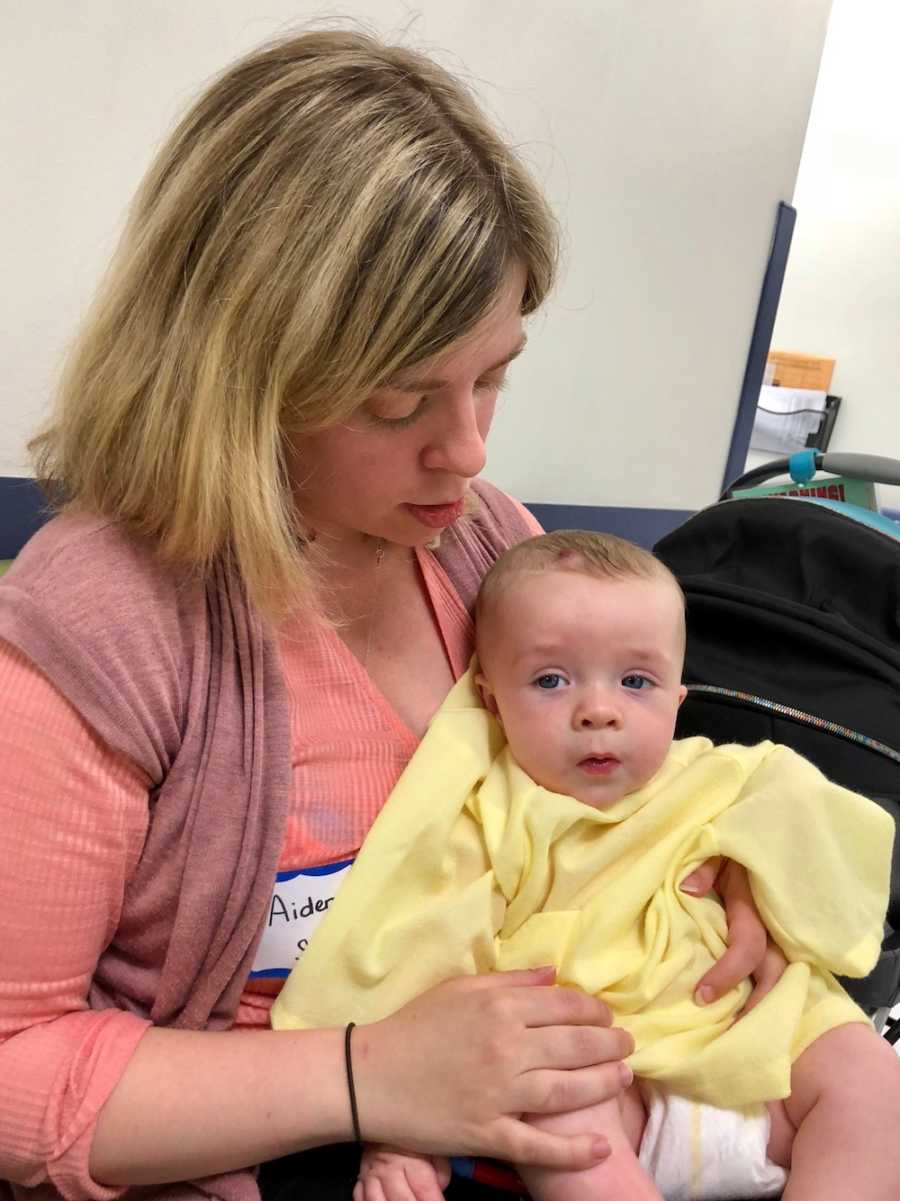
This story isn’t meant to disparage breastfeeding. It can be beautiful. But it can also take everything from you. It stole my time, my mental space, my sense of freedom. Rare moments of rest, packing our house, writing, hobbies—they all slipped through my fingers. And yet, there were moments of sweetness: calming my baby, feeling the bond, his tiny hands on my face, those little eyes looking up at me. I hold those memories close.
Do I regret breastfeeding Aiden? No. It was part of our journey. Perhaps it gave him extra antibodies, helped me monitor his apnea, or taught me resilience. Love does conquer everything.
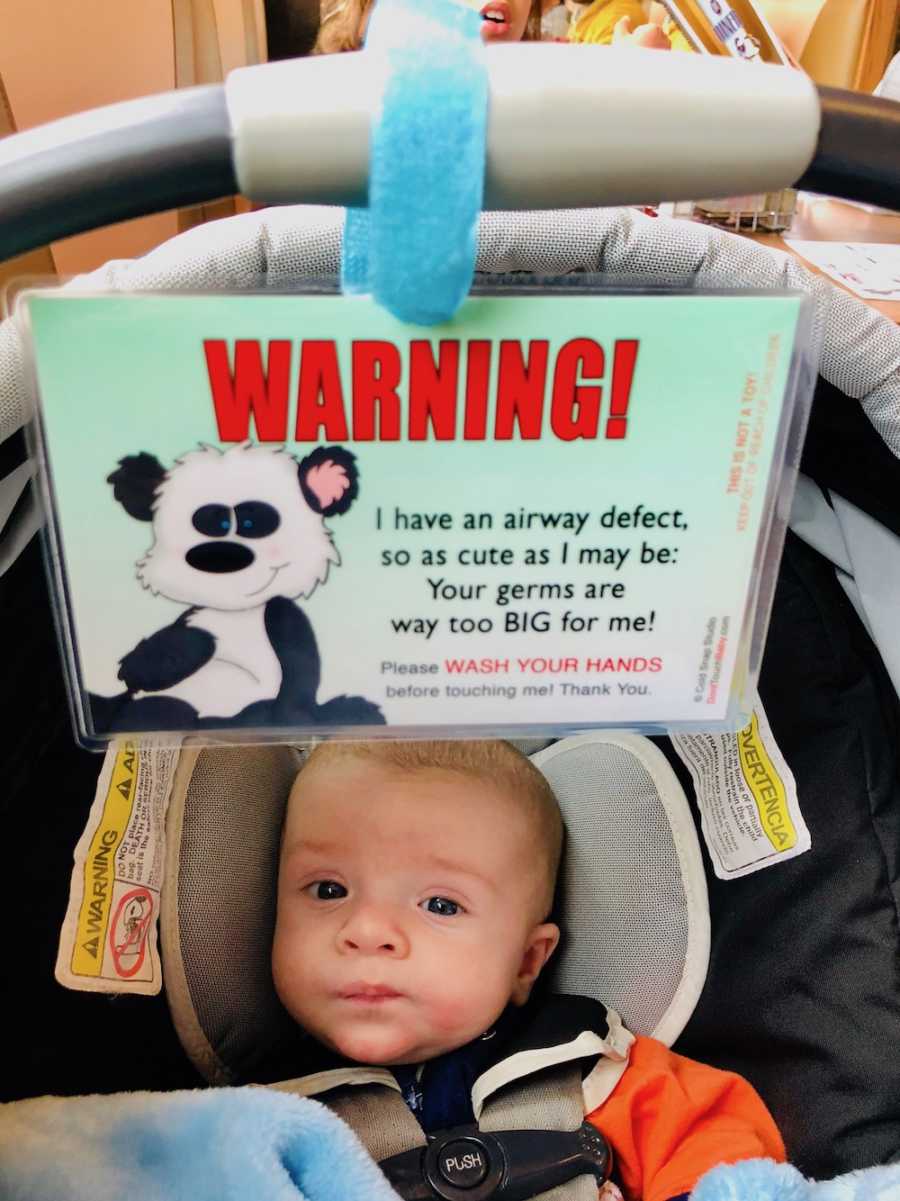
Now, out of the fog of the past year and a half, I share this story. Formula is okay. Science milk is amazing. If my baby hadn’t been medically complex, would I feel differently? Maybe. But breastfeeding demanded too much, and since weaning, I’ve found myself again—enjoying time with friends, date nights with my husband, pursuing hobbies, auditioning, even planning circus classes. I’m no longer controlled by my boobs, and I am a better, stronger mom for it.