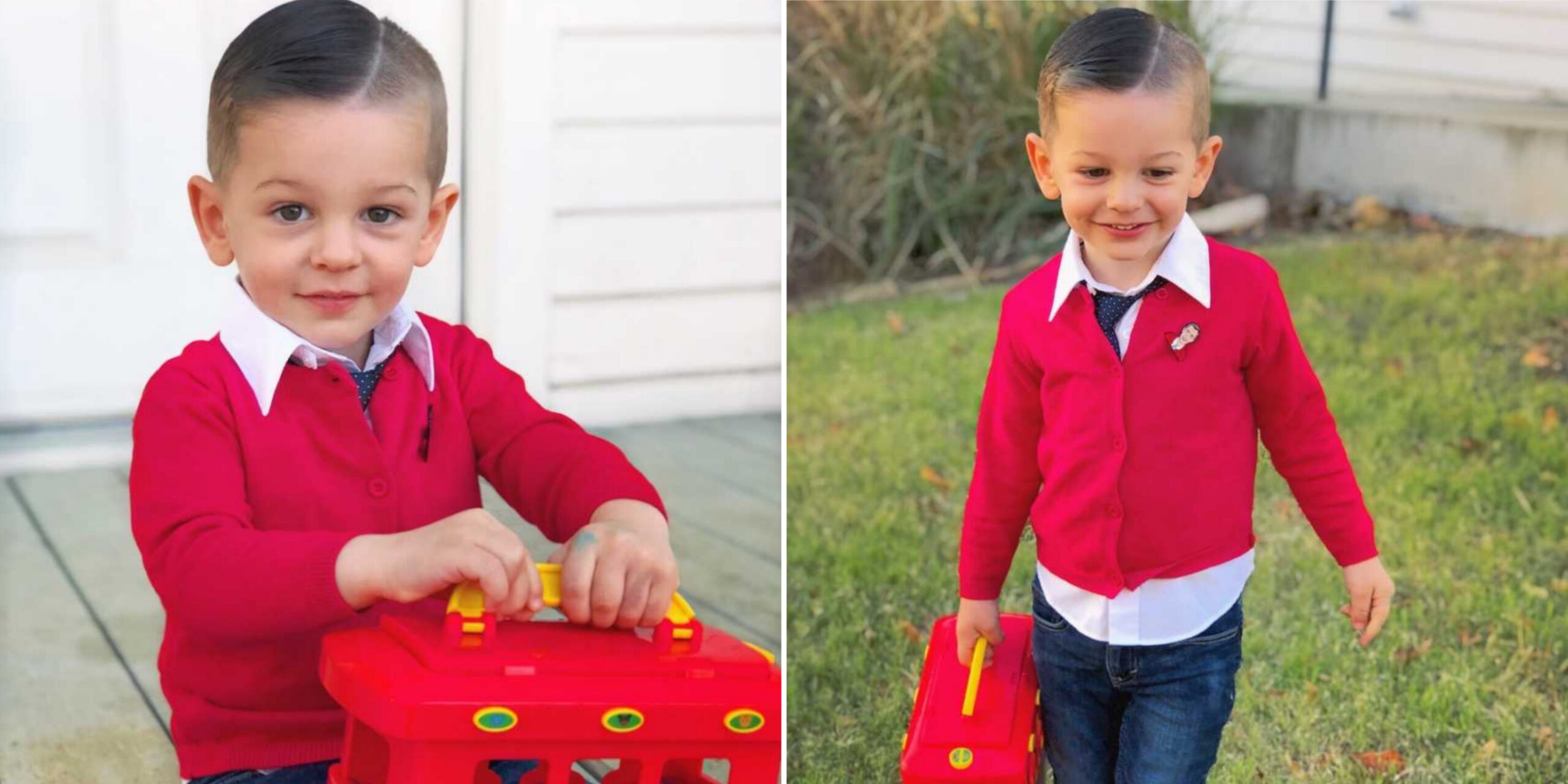
To celebrate the upcoming Halloween season, my son’s preschool hosted a sweet little tradition called a “Heroes Parade.” The children arrived dressed as the people they admired most—doctors, firefighters, police officers, and even one tiny astronaut proudly marching along.
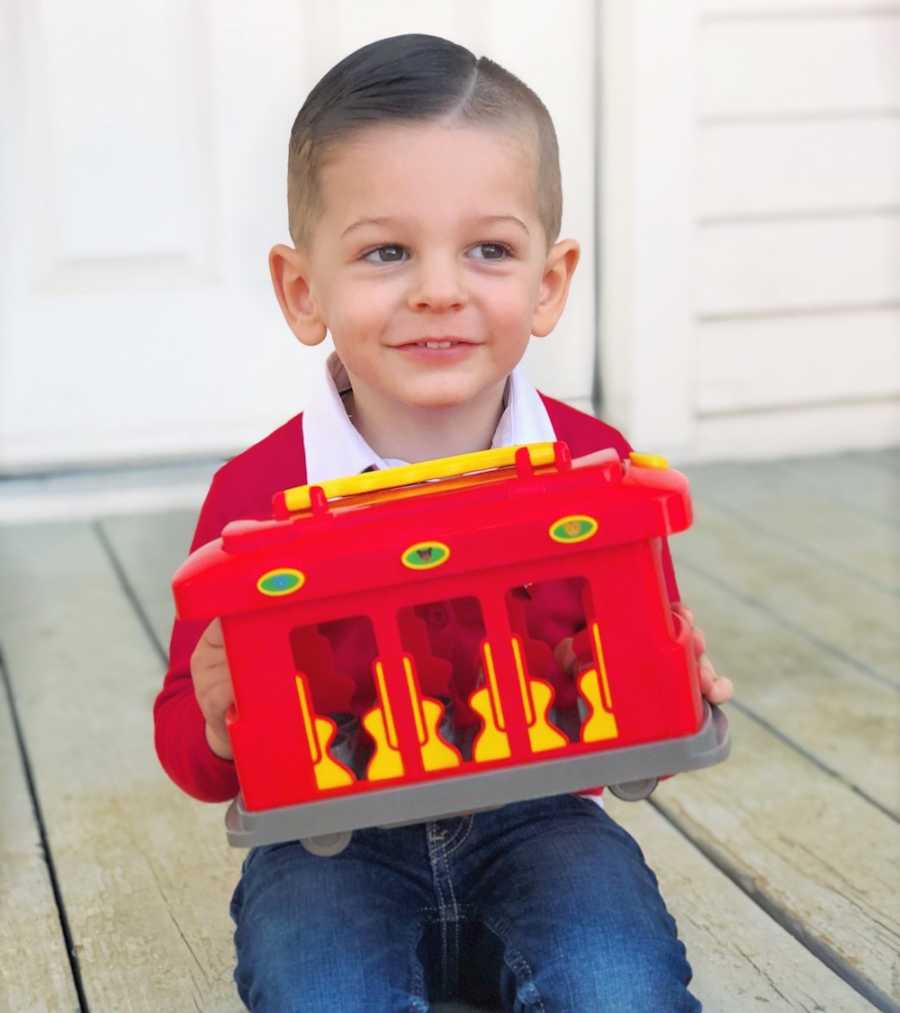
My son went as Mr. Rogers.
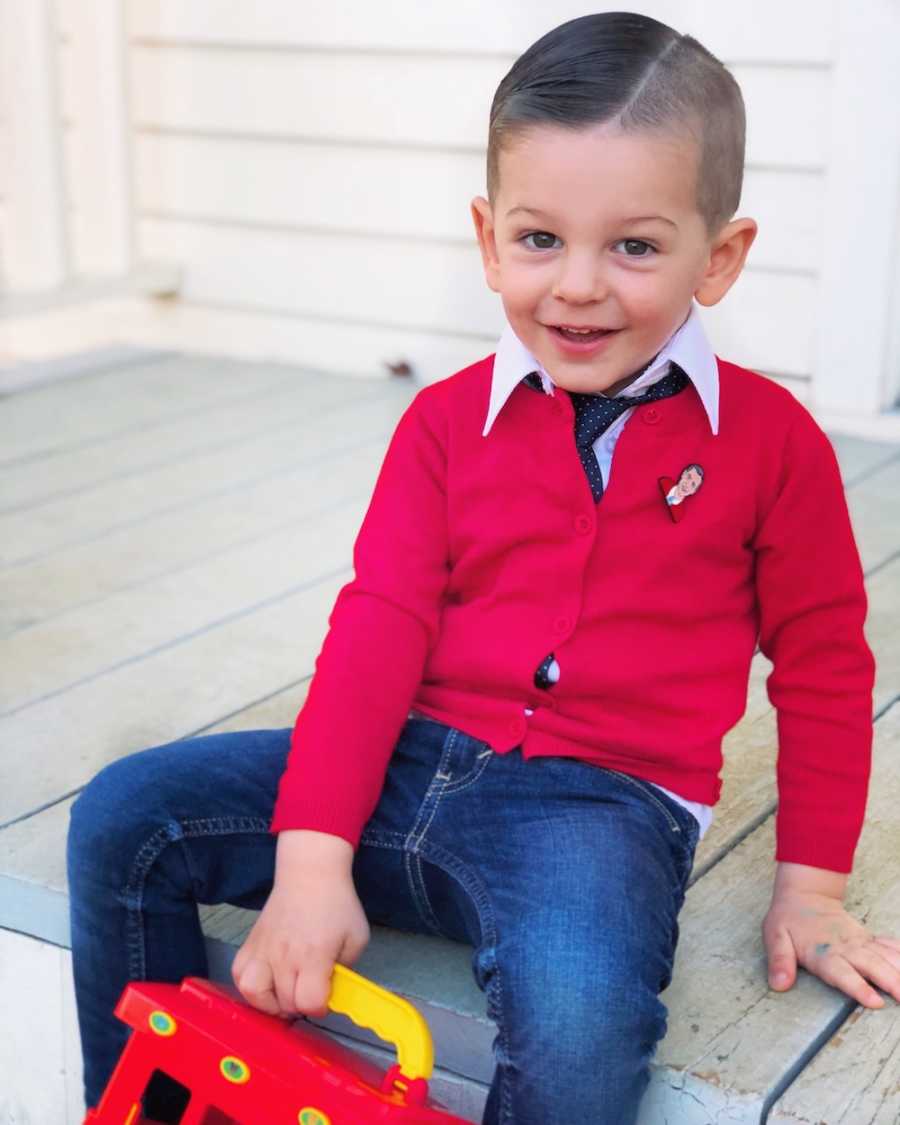
Well, a casual Friday version of Fred Rogers, since I couldn’t track down the classic khaki pants in time. Still, the red cardigan said everything it needed to say.
I honestly can’t think of a greater hero than someone whose life’s message was, “I like you just the way you are.” Every morning, as I send my children out into a world that is both beautiful and painfully harsh, I hope they encounter people who live by that same belief—people who welcome them fully, without conditions.
Like most parents, I want my children’s best sides to be seen. It’s why we proudly share photos of their artwork, remind them to say please and thank you, and apologize to strangers when they get loud on airplanes. We’re all quietly hoping our little ones will fit in while still standing out for the many reasons that make them unique. We want the world to accept them, to value them—and if we’re being honest, we adults want that too. Every human longs for connection, not the polished, Instagram-perfect kind, but the real, soul-deep version.
Fred Rogers’ words resonate so deeply with me because my son has a disability: autism. He often blends in at first glance, yet carries special needs that can make it harder to belong—to communicate, to regulate emotions, to feel understood.
So loving my son “just the way he is” has required the world to look different—and required me to see beauty in a new way. It meant grieving the picture I once held in my mind of who I thought my son would be, and starting again with the remarkable human being I gave birth to. It meant trading expectation for appreciation, and loving him not for milestones reached or sports played, but for who he is in this very moment.
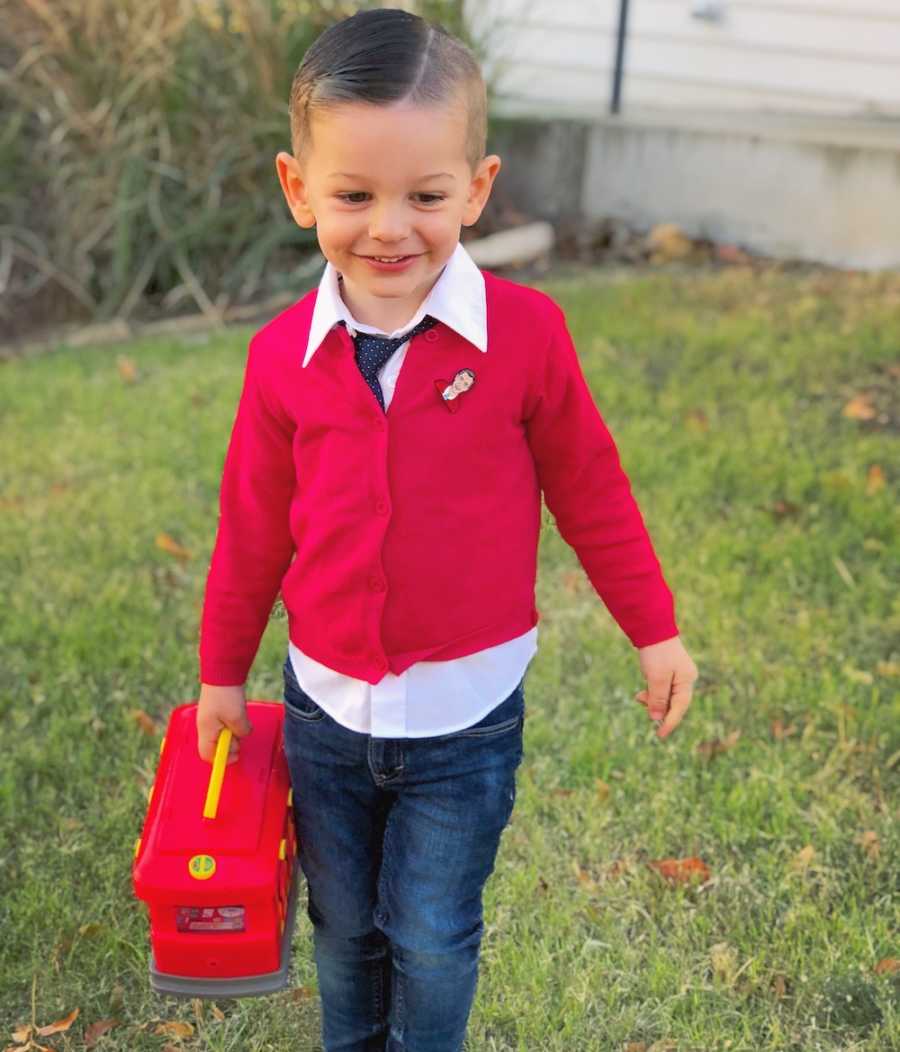
Fred Rogers was a trailblazer and a truth teller. He refused to see barriers of gender, race, or sexual orientation. He spoke about things others were afraid to name—and he spoke directly to children. He gave them permission to be honest, to ask questions, to grow, and to feel deeply. He opened doors to hard conversations and, in his world, there was no such thing as a disability—only differences that deserved dignity.
Fifty years ago, Mr. Rogers taught us to “love thy neighbor,” and decades later, that message feels more urgent than ever. Love everyone. Be an equalizer. Extend a hand. Look someone in the eye, and keep looking even if they don’t look back. Remember that every child has a gift and is a gift—especially those who challenge the norm.
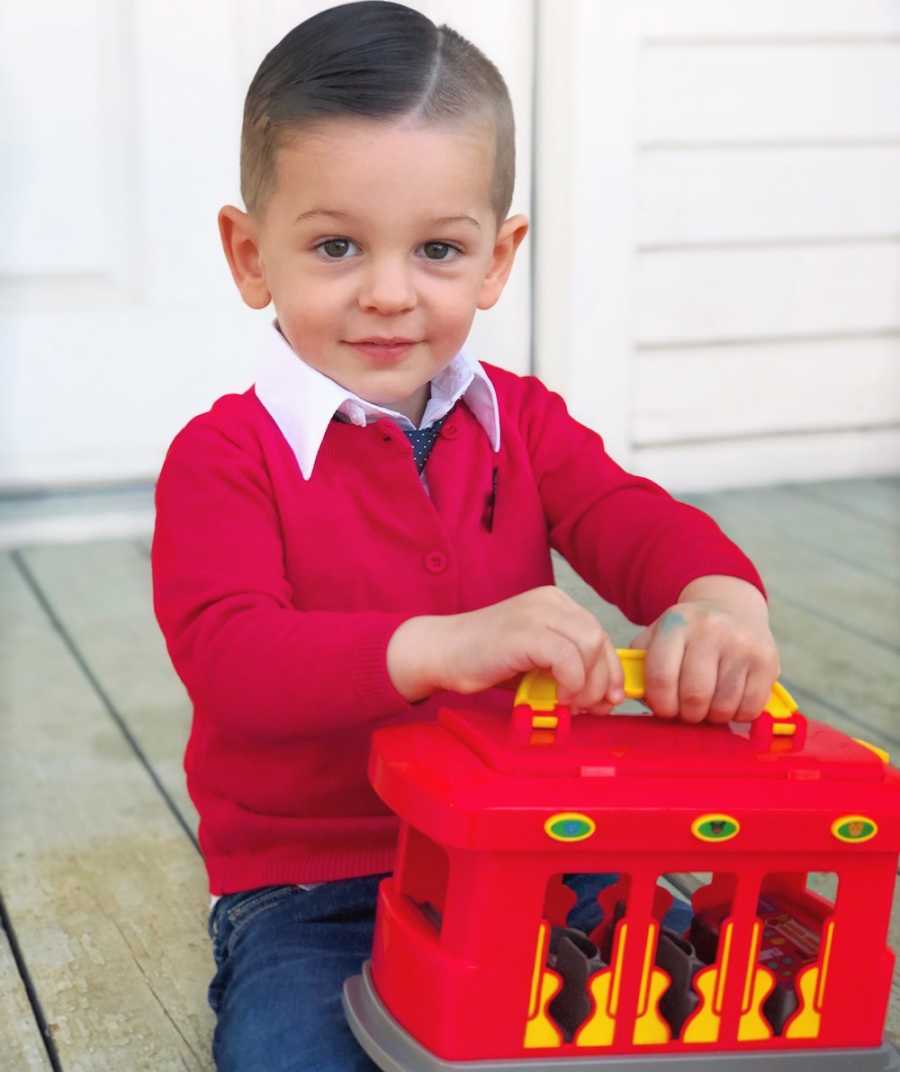
Mr. Rogers wanted to make this world kinder for my children and yours. And I plan to honor that legacy by standing on the shoulders of someone who showed us how to get it right.