“I’m dating to find a wife, so if at any point you realize you can’t marry me, please tell me. And whoever I marry has to be open to adoption.”
That was how my husband began our very first date. What he didn’t know was that I was an adult adoptee myself. It felt like more than coincidence—like providence. I’d never had negative feelings about being adopted, so the idea didn’t scare me. If anything, it felt right. And just like that, our story began.
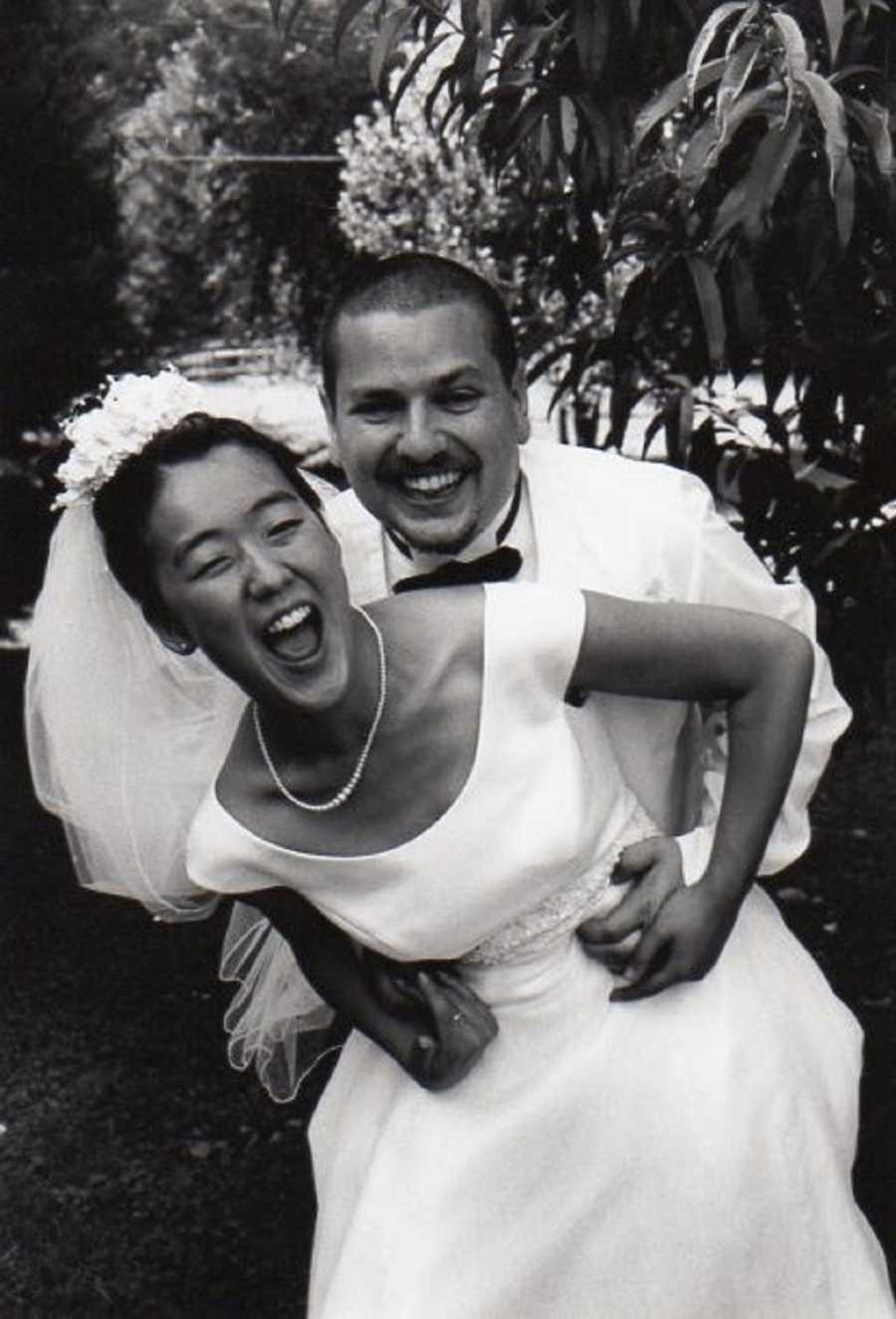
We married young—20 and 23—full of optimism and blissfully unaware of what lay ahead. We were bright-eyed, bushy-tailed, and wildly naïve. Soon after, our first two children arrived by birth: a boy and then a girl, two years apart.
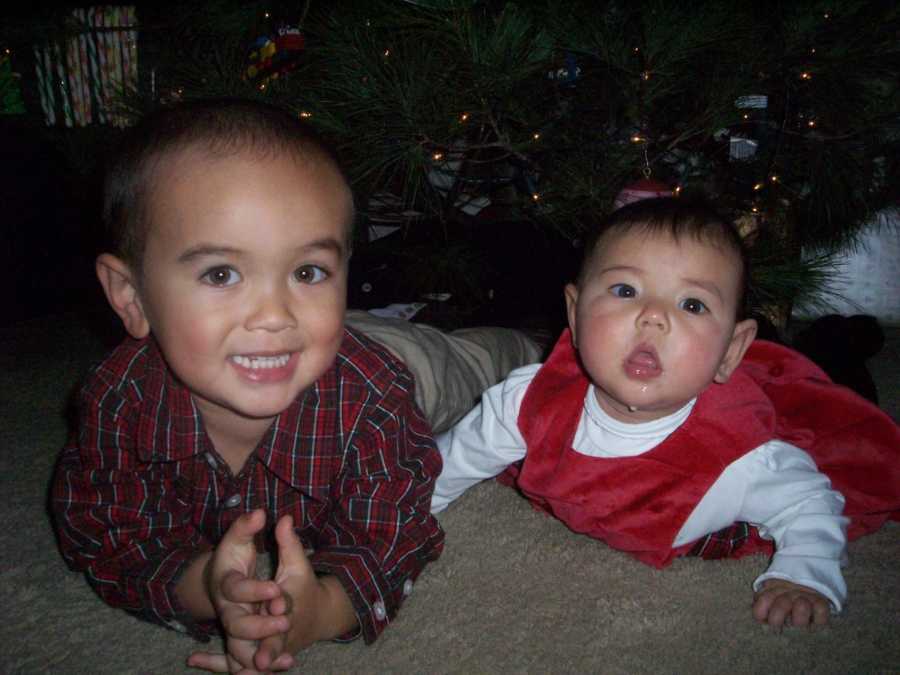
One day, while casually talking about our future plans to adopt, someone mentioned, “I’ve heard you can’t have bunk beds when you adopt.”
I remember thinking, Then we should adopt before we ever have bunk beds. After that, we can keep having kids.
So we began researching. We knew foster care wasn’t the path for us—we didn’t feel equipped for all the unknowns. Private adoption, however, came with a price tag that felt overwhelming. Maybe, we thought, we were meant to work harder and dig deeper to find a different way—one that removed barriers instead of reinforcing them.
During my research, I came across a list of children in Korea who were waiting for families. All of them had special needs, but two little boys stood out. Compared to the others, their needs seemed manageable.
I forwarded the list to my husband with a simple message: “Take a look.”
A few minutes later, my phone rang. “Well… there were two boys,” he said.
Exactly 365 days later, we were on a plane with both of our mothers and our two children, flying across the world to bring home our toddler son.
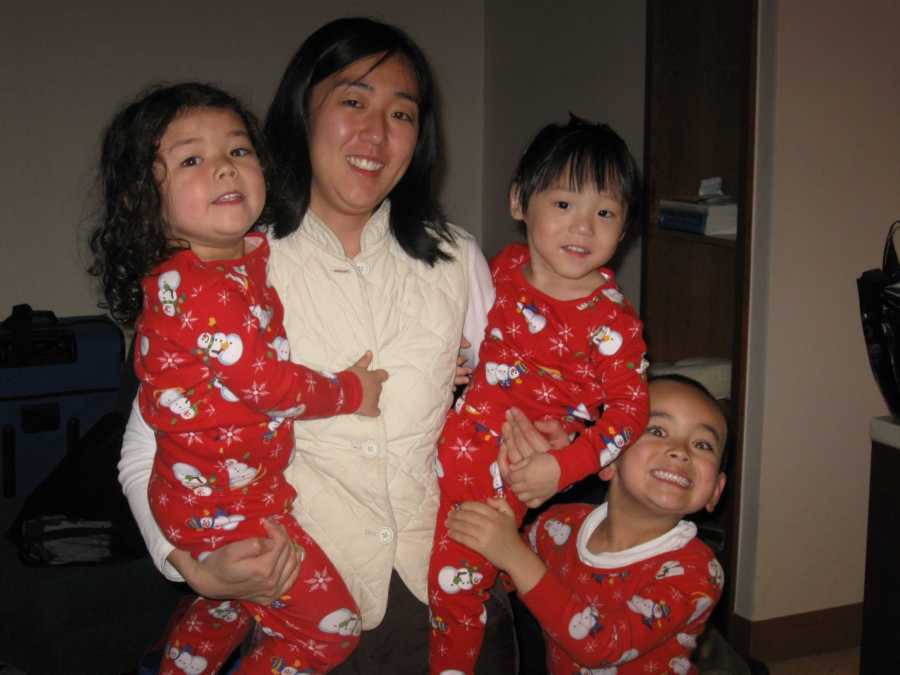
During adoption training, we learned about the effects of institutional care and the importance of racial awareness when adopting internationally. But our son hadn’t lived in an institution, and he wouldn’t be the only Korean person in our family. He was also coming home with many developmental years still ahead of him. We assumed attachment would come naturally.
What no one told us was how surviving a stressful delivery and experiencing multiple caregiver changes could drastically alter the way a child processes the world.
Ty arrived like a whirlwind—constantly in motion. None of the parenting techniques that had worked with our first two children worked with him. Discipline and timeouts only escalated his behavior, leading to bigger outbursts and more aggression. We were exhausted, confused, and completely lost.
After months of research and joining every adoptive-mom Facebook group I could find, I finally suggested something radical. I asked my husband if we could go to Texas to train as parent trainers with an organization called Empowered to Connect.
Learning about early complex trauma and how to truly understand challenging behaviors saved our family. Things weren’t suddenly perfect, but we were making progress—real progress. Enough that we believed we were ready to adopt again.
One day, while filling out paperwork, I called across the house, “It’s asking how many children we’ll take, their ages, and gender.”
There was a brief pause before he replied, “Put down up to three kids—any age, any gender.”
“Okay,” I said with a shrug. That’s just how we roll.
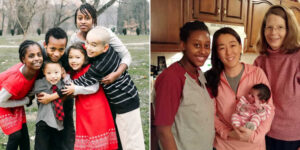
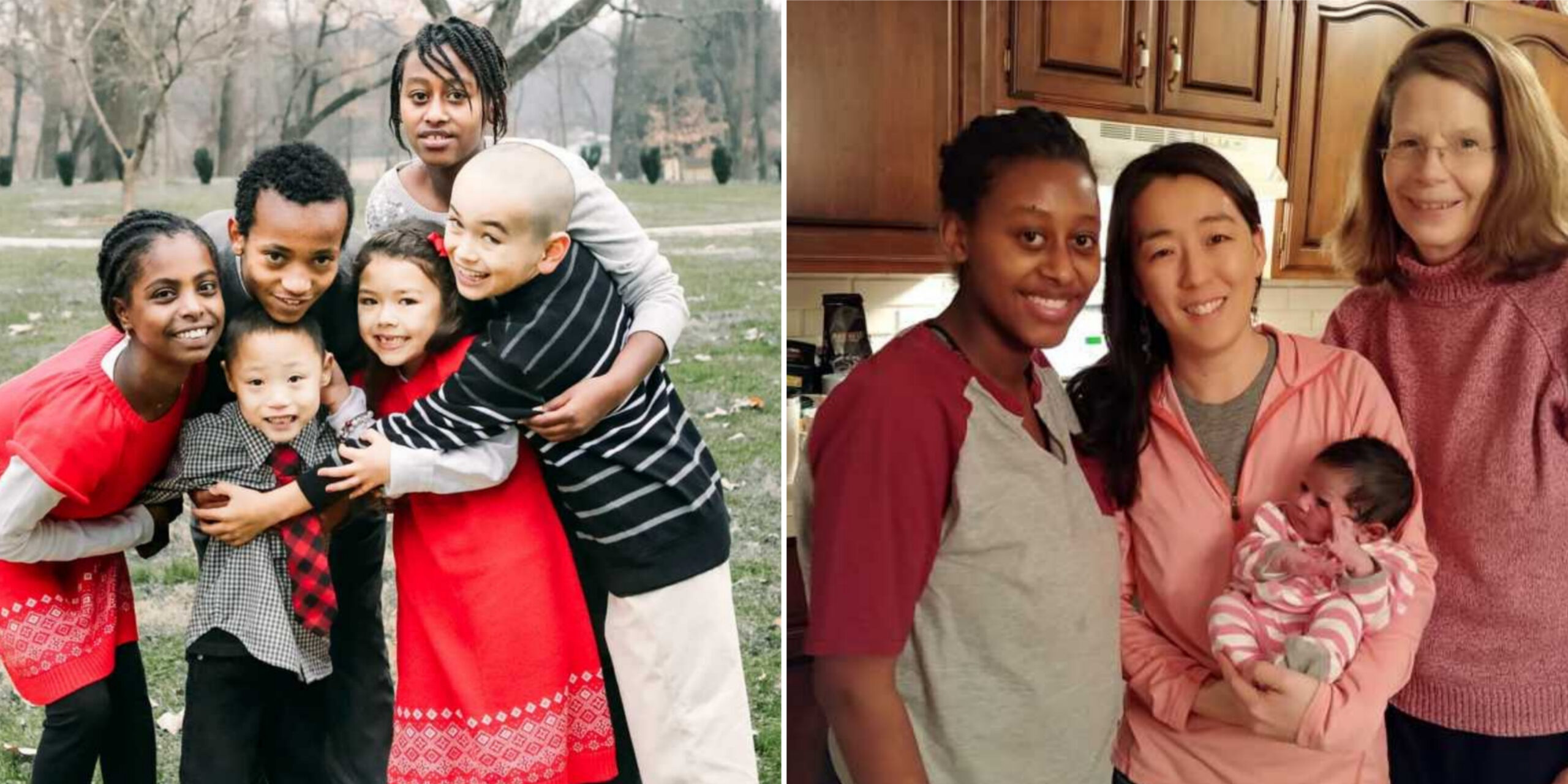
Six months later, we were boarding a plane to Ethiopia with my father-in-law and all three kids to meet a 13-year-old girl and a 14-year-old boy. They weren’t biologically related, but while there, we discovered that our son John had been raised alongside another girl who entered the orphanage at the same time he did. After additional paperwork and an extra trip, she officially became part of our family.
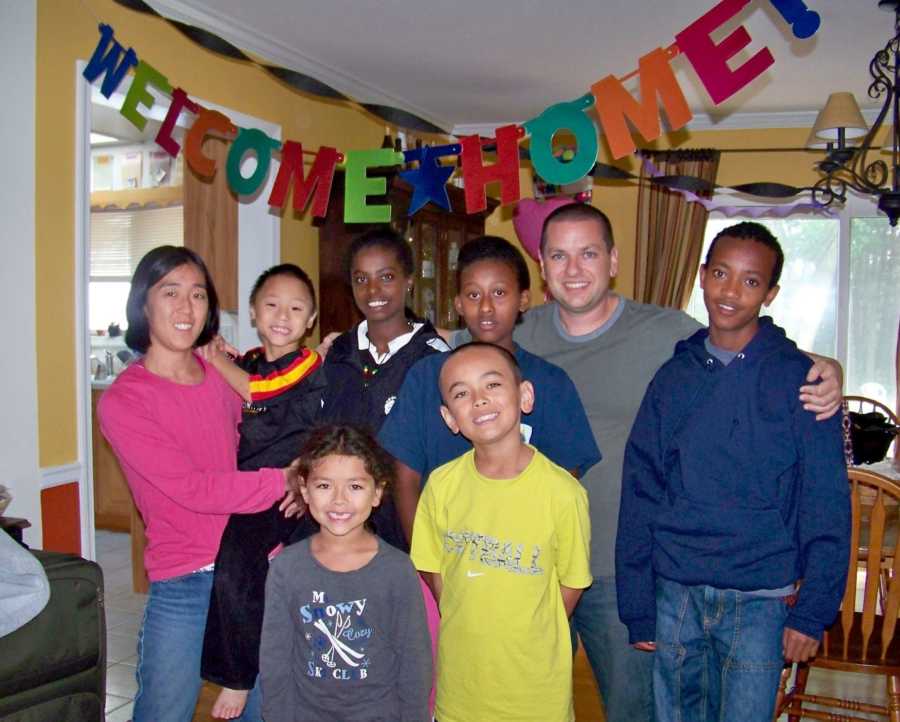
In the span of two months, we went from three children to six.
And then everything unraveled.
Even with training and experience, we were painfully unprepared for the level of fear-based behaviors that surface when children have been repeatedly abandoned and betrayed. Our home became a battleground for more than three years. There were moments of joy—real ones—and we even captured some on camera. But overall, our family felt like a ship taking on water far too fast.
At our lowest point, when we were begging for help and services, a mental health worker told us that someone would need to be hospitalized due to aggression before additional support could be provided.
We were crushed. I was hanging by a thread, dangerously close to my own mental health breaking point.
Through relentless prayer, unexpected provision, and what I can only describe as acts of God, we finally found the help we needed. Slowly, our family stabilized. We reunited with children who had once been estranged—and along the way, we even welcomed a granddaughter.
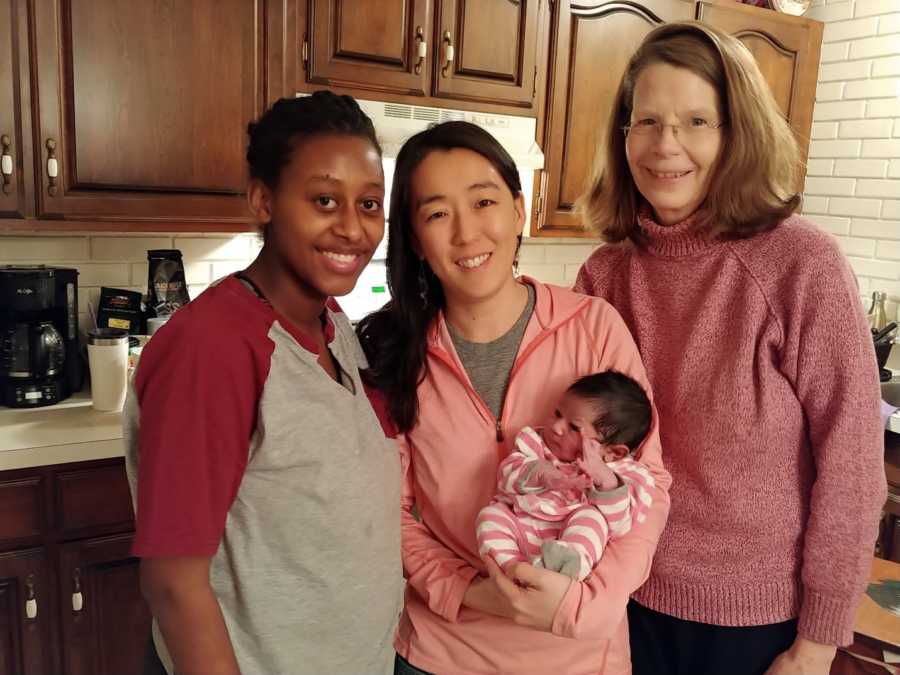
When the fog finally lifted, I made a promise to myself: I would do everything in my power to make sure other families didn’t have to walk this road alone.
I partnered with another seasoned adoptive mom, and together we created The Adoption Connection. Today, I work full-time supporting discouraged, exhausted moms as they parent children with extreme behaviors.
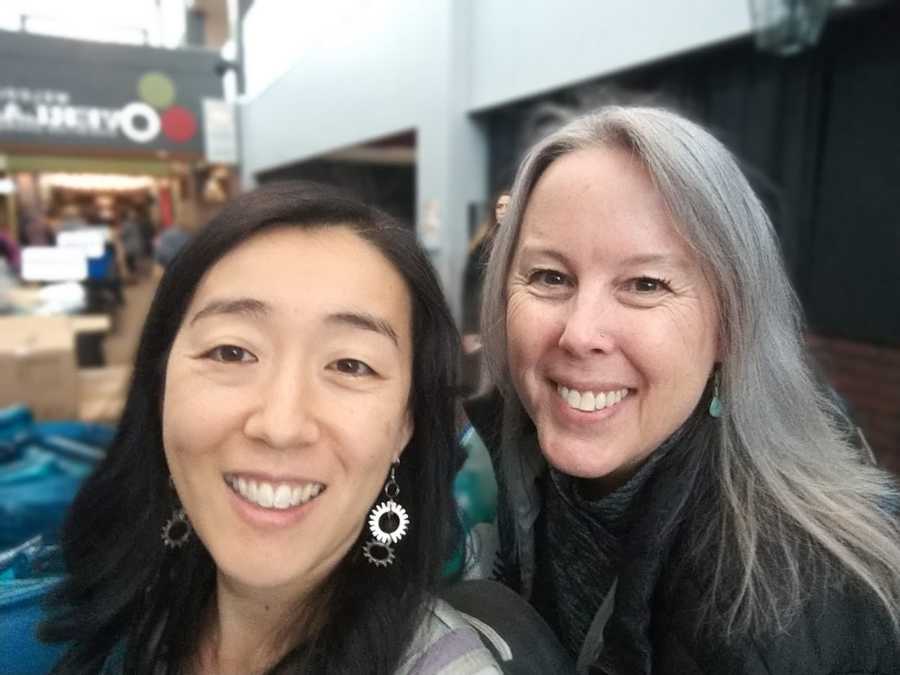
We offer the support and services we desperately needed when we were drowning and had nowhere to turn.
And every time a mom sighs and tells me, “I’m so glad I found you. I finally feel validated. I feel hope for the first time in years,” I’m reminded that every hard, chaotic step of our journey was worth it.