My husband and I got married in January 2015 in Townsville, North Queensland—the town where we had spent most of our lives. We were young, just 19 and 20, full of dreams and excitement for the future. At the time, I felt ready to start a family, but Sean wasn’t. We agreed to put discussions of children on hold until we had grown a little more, until life felt more settled. Yet, life had a way of surprising us. Three days after Christmas in 2016, I found out I was pregnant. Sean was in complete shock. He couldn’t even say the words “pregnancy” or “baby” without stumbling, while I was bursting with joy and excitement. I decided to take a “go with the flow” approach to my pregnancy, trusting that Sean would come around in time—and slowly, he did. Together, we chose to receive our care at the Birth Centre because I wanted a natural birth. I was open to any interventions if necessary, but my heart was set on experiencing a birth as natural as possible.

The early months of my pregnancy were a mixture of wonder and typical discomfort. Morning sickness hit me hard, my iron levels were low, and I needed an iron infusion. My pubic symphysis pain made some days feel unbearable. But despite all of this, I was filled with gratitude for the privilege of carrying our baby. My midwife was competent and professional, yet I didn’t always feel supported. I often hesitated to ask questions for fear of being judged, even when they were sincere concerns. For most of the pregnancy, I pushed these feelings aside, determined to focus on the excitement of what was to come.
It wasn’t until 36 weeks that the challenges became overwhelming. My baby was measuring about three weeks ahead of schedule, and the pain in my pubic area had worsened to the point that walking or moving became a struggle. I spoke with my midwife about the possibility of induction, and she referred me to an obstetrician. I consulted multiple doctors, specialists, and midwives, and though all agreed that induction was possible, most suggested I continue with medication and simply wait for the baby to come on his own. Emotionally, I felt completely alone. I questioned my worth as a mother because I couldn’t endure the discomfort that others told me I should. I longed for understanding and support, but all I felt was inadequacy. Eventually, the doctors scheduled an induction the day before my due date. My primary midwife, who had been with me throughout my pregnancy, did not attend the birth, as she did not fully support the decision. I was instead attended by midwives and doctors I had never met, including a student midwife and a student doctor, which only heightened my anxiety.
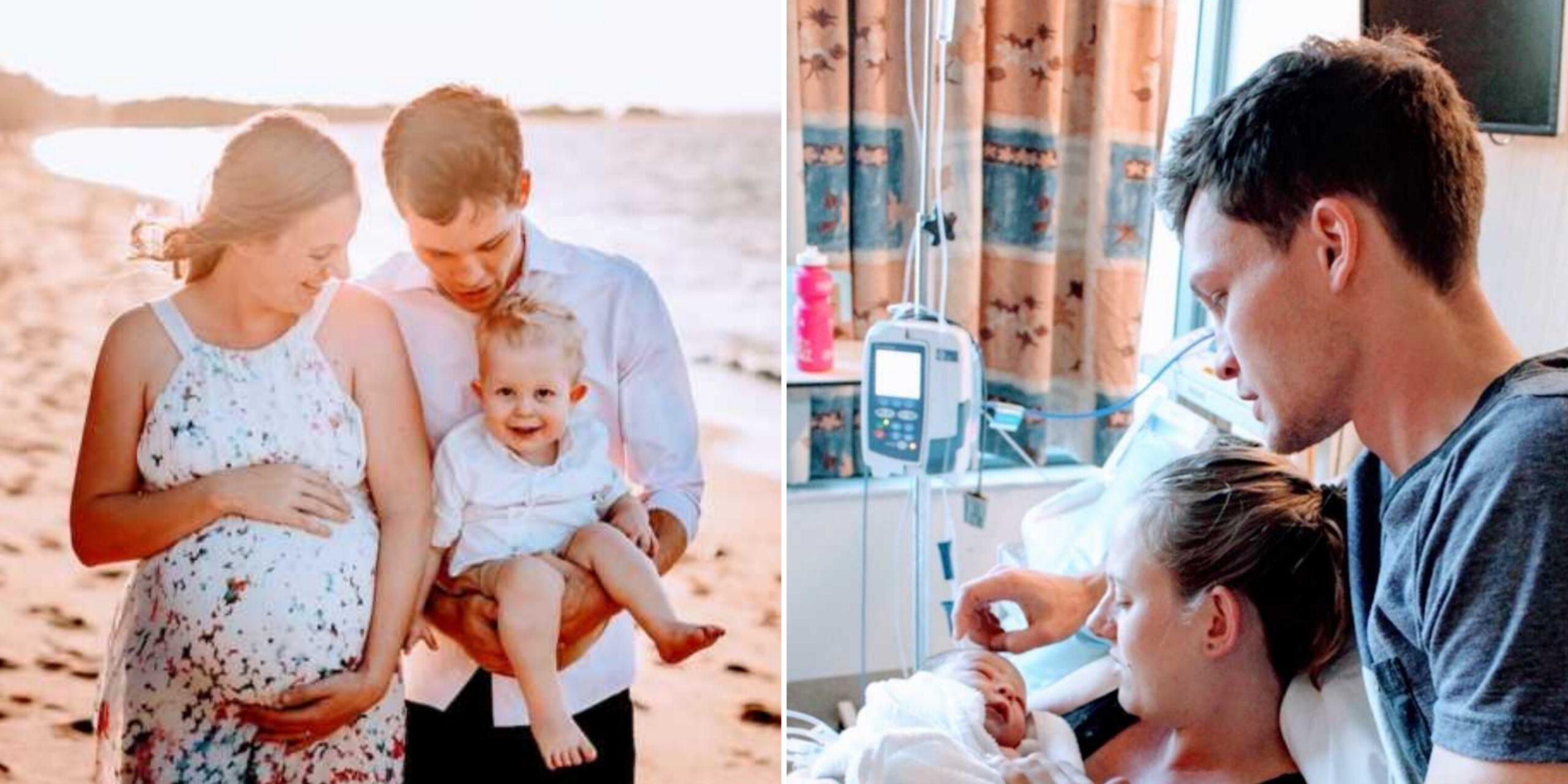
The induction began on 30th August 2017, a day that would change our lives forever. The doctor broke my waters at around 8 a.m., and mild contractions started soon after. By 10 a.m., the doctor suggested accelerating labor with a synthetic hormone drip because the ward was full. At the time, I didn’t realize I had the option to decline—I assumed it was part of the process. By 3:30 p.m., I was in active labor. Twenty minutes of pushing later, our son, Nathaniel Colin Bill—Nate—was born. He weighed 9 pounds 3 ounces, with chubby cheeks and piercing blue eyes. Holding him for the first time was indescribable.
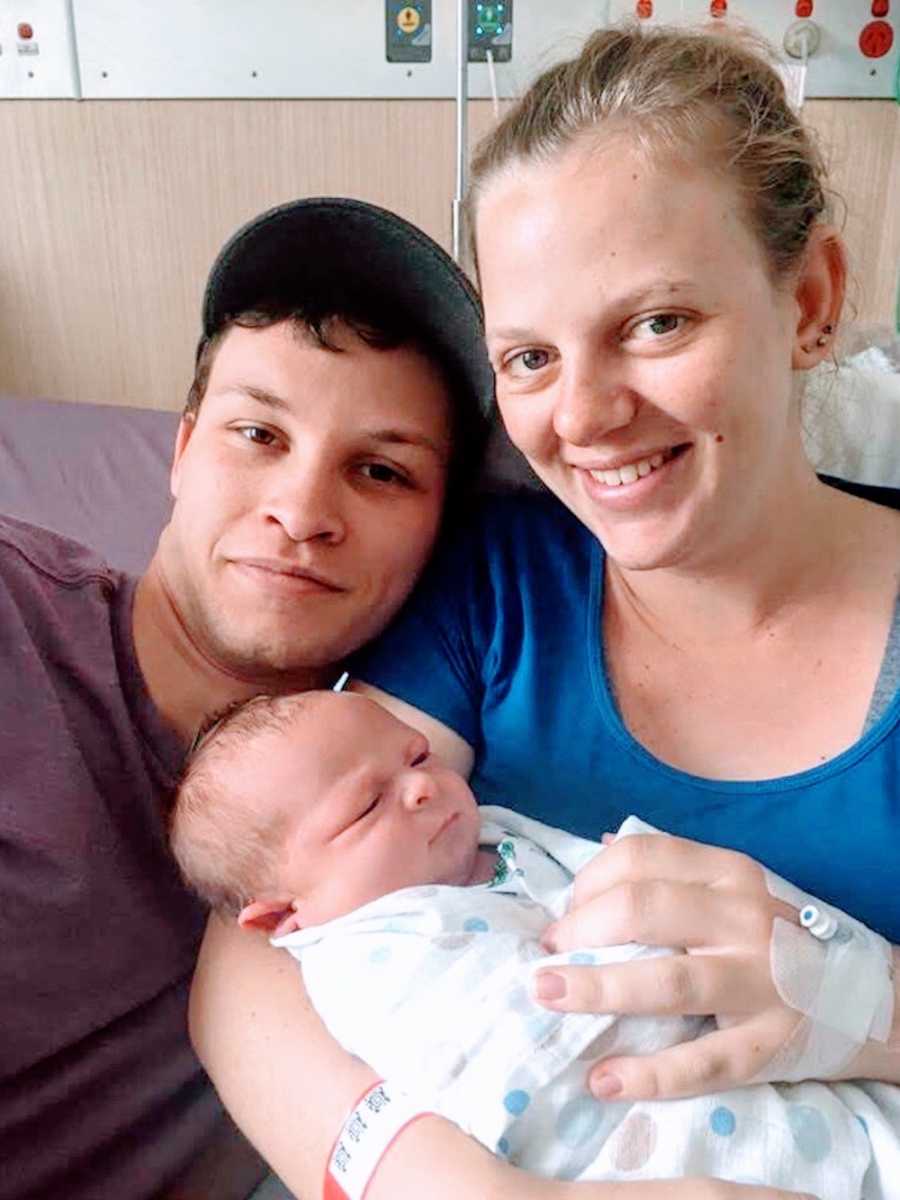
However, joy quickly turned to fear. Within moments, the midwife noticed he was making unusual noises while breathing and took him to see a doctor, with Sean following. Minutes later, he returned, reassuring me that Nate was fine. But as soon as my placenta delivered, I began hemorrhaging, losing 1.3 liters of blood. The room filled with doctors and nurses, needles poking every available vein, and over the next two hours, they stabilized me. I was left pale, exhausted, and barely able to hold my newborn. Sean was traumatized, and I could barely comprehend what had just happened. Later that night, a midwife insisted I shower before moving to the maternity ward despite my pain and exhaustion. Sean left for the night, promising to return the next morning, and I was left alone with a newborn, sore, connected to cannulas, a catheter, and reeling from the trauma of birth. Breastfeeding was difficult, changing him was almost impossible, yet I managed. I questioned my ability as a mother constantly, thinking I should have been able to handle it all effortlessly.
Two days later, we returned home. Settling into our new routine was difficult, as I was still recovering and adjusting to breastfeeding. When Nate was two and a half weeks old, I went camping with my family while Sean worked. During dinner one night, I passed a blood clot the size of a golf ball. Initially, I thought it was normal postpartum bleeding. Two hours later, while soothing Nate, I felt a sudden gush of blood. My aunt helped me to the bathroom, and I left a trail of blood behind. The ambulance took me to a small hospital where a student doctor, under supervision, removed clot after clot. I had lost an estimated 1.2 liters of blood and was started on IV antibiotics. That night, Nate developed hives after breastfeeding, revealing a severe allergy to penicillin. I was forced to supplement with formula without guidance on maintaining my milk supply. An ultrasound revealed retained placenta, too small to remove at the remote hospital, and I was discharged the next day.
Soon after, I faced further complications, requiring another hospital visit for a D&C to remove the remaining placenta. My milk supply suffered, and breastfeeding became even more challenging. I bled intermittently for three months, alternating between light and heavy bleeding, with frequent hospital visits. Finally, surgery removed most of the calcified retained placenta, though a small piece remained, increasing the risks for future pregnancies. Meanwhile, at four months old, Nate began reacting severely to formula, with vomiting, diarrhea, rashes, and rapid weight loss, dropping from the 97th percentile to the 8th. Multiple hospital admissions, nasogastric tube placements, and countless tests followed until an allergist diagnosed multiple food hypersensitivities, including FPIES. Feeding and introducing new foods became a delicate, nerve-wracking process, with reactions sometimes lasting a week.
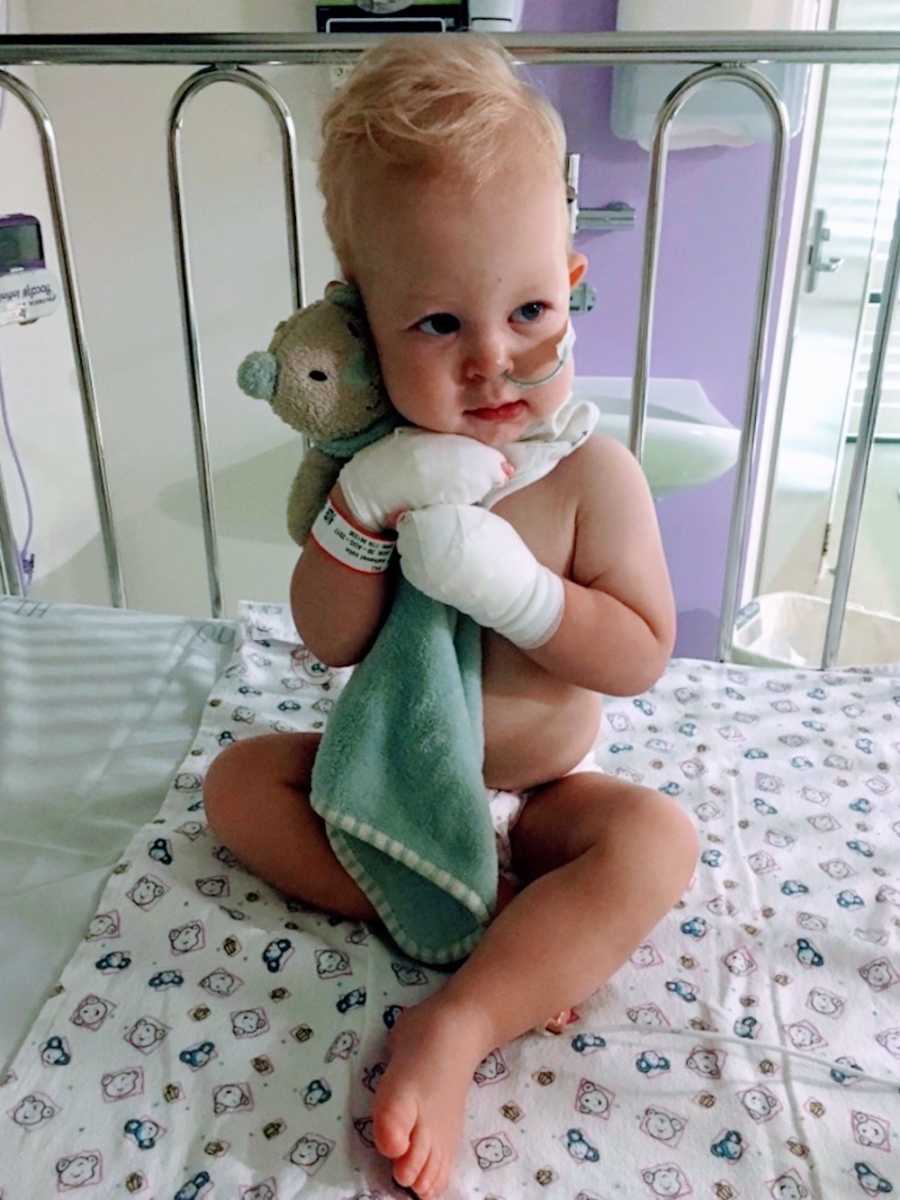
Despite these challenges, Nate’s resilience amazed us. Even with constant hospital visits, tests, and dietary restrictions, he remained cheerful, affectionate, and full of energy. Each reaction, each hospital visit, was a lesson in patience and perseverance. His courage inspired both Sean and me, strengthening our marriage and teaching us the depth of parental love.
After Nate’s first birthday, we began discussing expanding our family. Given my medical history, we expected difficulties in conceiving or maintaining a pregnancy. Yet, after just one cycle, we discovered we were pregnant on 24th October 2018. This time, both of us were ready and excited to welcome another child. Early in the pregnancy, I experienced bleeding at seven weeks. Fear gripped my heart as I assumed we had lost the baby. An ultrasound, however, revealed a flicker of a heartbeat. We were told it was a threatened miscarriage, with only a 50% chance of the pregnancy continuing to 12 weeks. We decided to remain positive and trust in our baby’s strength.
By 12 weeks, the pregnancy was stable, but we faced new challenges as Nate became ill with a high fever due to a virus. His ongoing reactions and hospital visits meant that our days were a constant balance between managing his health and monitoring the pregnancy. Multiple appointments with allergists culminated in an urgent referral to the Children’s Hospital in Brisbane. By the time of the appointment, I was 23 weeks pregnant. Both Nate and I fell ill before the scheduled visit, delaying crucial tests. Miraculously, we managed to attend the appointment just two days before I reached 28 weeks.
At the Children’s Hospital, Nate underwent numerous tests and was diagnosed with an IgE-mediated allergy to penicillin, a non-IgE dairy allergy, gut hypersensitivity, and FPIES to rice and oats. FPIES affects the gut and can result in severe vomiting, diarrhea, and dehydration. It is a challenging condition with no cure, requiring strict dietary management until children outgrow it, usually by ages two or three. Returning home, we settled into a new routine, carefully managing Nate’s diet and monitoring every reaction.
Meanwhile, my pregnancy progressed, and I faced typical discomforts alongside heightened anxiety due to my previous birth experiences and Nate’s ongoing health challenges. At 28 weeks, my midwife noticed the baby was measuring three weeks larger than expected, increasing my risk of hemorrhage during birth. An induction was scheduled for 40 weeks at the latest, and I underwent an iron infusion at 32 weeks to prepare my body for the potential challenges ahead.
At 37 weeks, while dealing with Nate’s reactions to food, I experienced a frightening incident. Nate’s eyes rolled back, and he lost consciousness briefly. We rushed him to our GP and then the hospital, discovering low blood sugar, ketones, and dehydration. He was stabilized on a hypoallergenic formula, which quickly improved his condition.
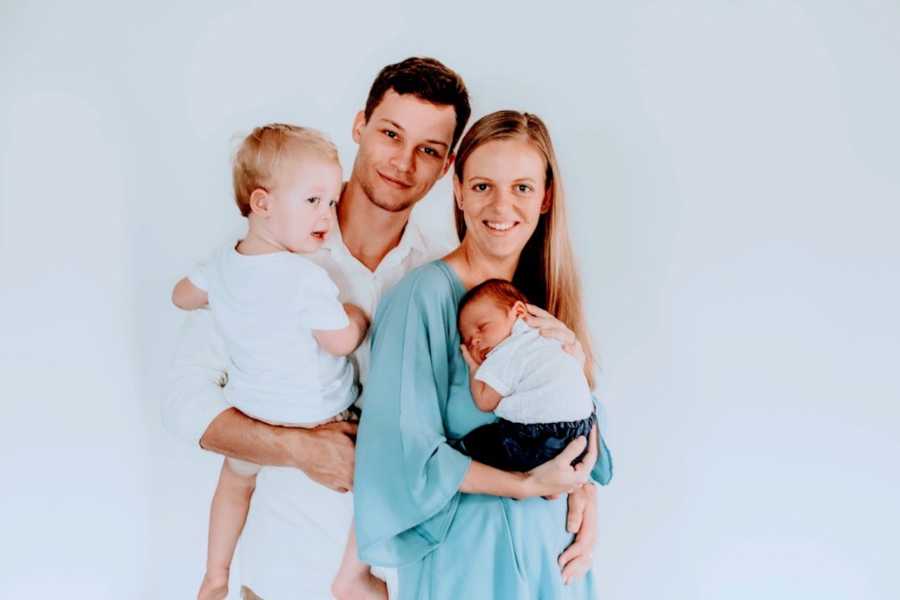
Three days before my scheduled induction, at 38 weeks and 4 days, I felt sharp pain on the left side of my abdomen. I called my backup midwife, S, who sent me to the hospital, suspecting a kidney infection. That night, my waters broke, and I went into active labor. Anxiety and fear overwhelmed me. I was terrified of repeating the traumatic experiences of my first birth. By 3:42 p.m. on 25th June 2019, after another intense labor and episiotomy, Orlando Charlie Bill—Ollie—was born, weighing 8 pounds 9 ounces. Immediately, I hemorrhaged again, losing 1.4 liters of blood. Surrounded by doctors and midwives, I was stabilized and finally able to breastfeed. Both Olli and I spiked fevers, and he required NICU care for jaundice and monitoring under lights.
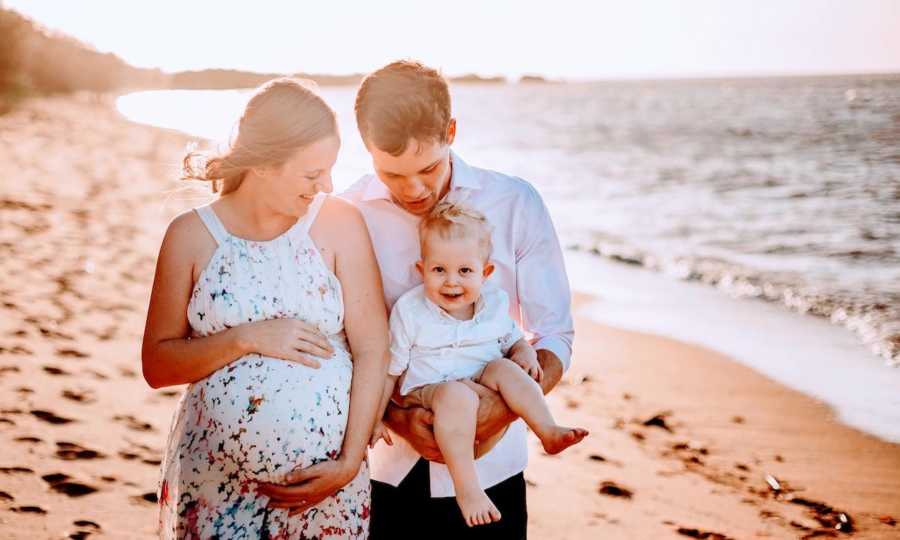
After Olli’s birth, I felt stronger and more confident as a mother. Our family finally felt complete. With the support of my husband, midwives, and faith, I navigated Olli’s early life and his dietary restrictions. By five weeks, he developed CMPA and soy allergies, requiring me to adjust my diet while breastfeeding. Hospital visits became routine once again as he underwent testing and treatment, reinforcing the importance of advocacy, patience, and maternal resilience.
Now, with a nearly two-year-old with chronic allergies and an eight-week-old heading in the same direction, life is demanding, exhausting, and beautiful. Nate’s resilience and courage inspire me daily. Sean has been unwavering in his support, sharing the weight of hospital visits, sleepless nights, and emotional stress. Being a mother to children with chronic allergies has tested every limit but also empowered me, strengthened our family bond, and deepened our faith.
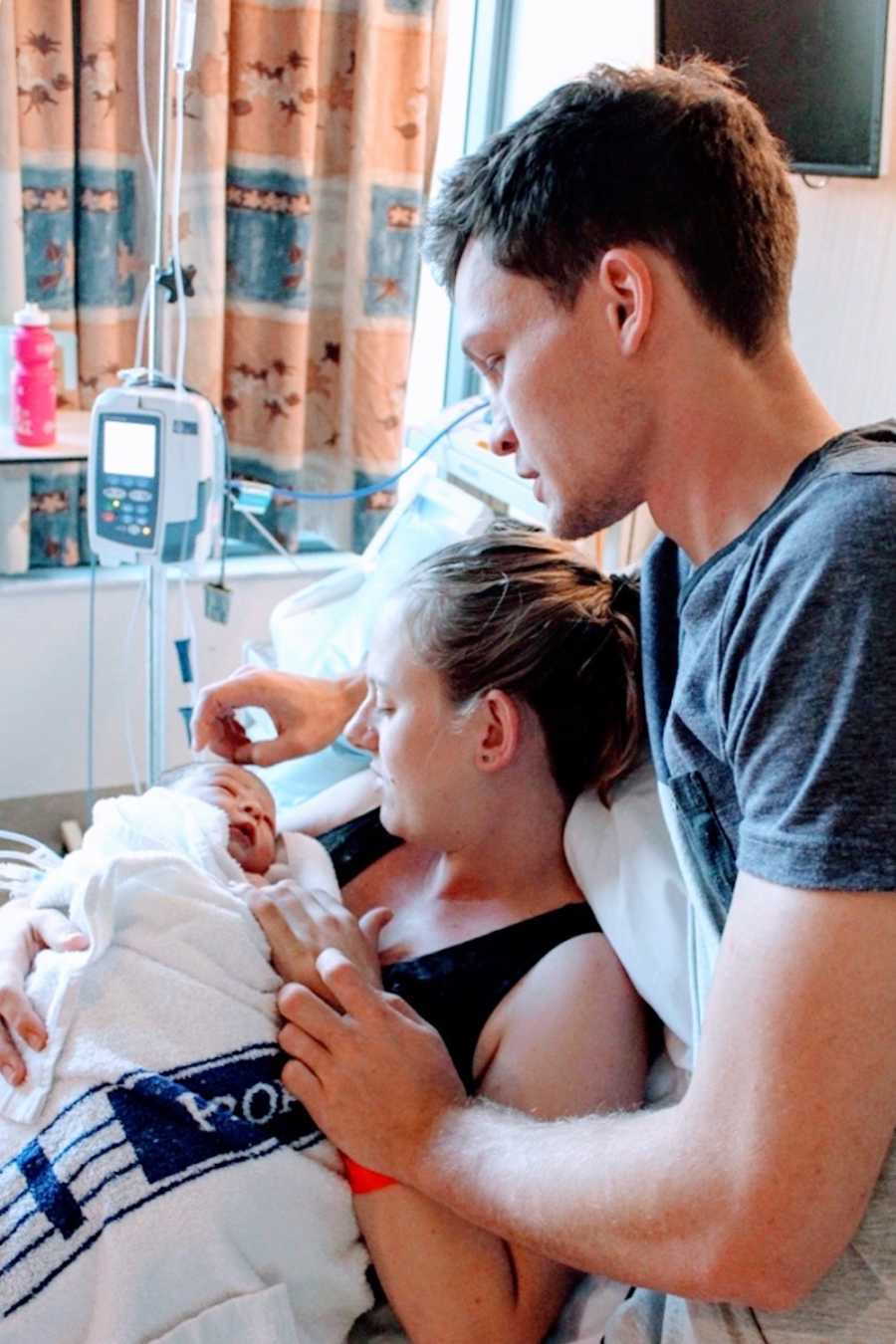
I could never have imagined the challenges of motherhood would include managing chronic illnesses, allergies, and hospital visits. Yet, through every difficult moment, every needle, every tube, and every sleepless night, I have discovered the depths of parental love. My boys know they are safe, cherished, and unconditionally loved. My journey has been the hardest of my life, but it has also been the most empowering. I am grateful for my husband, our family and friends, and most of all, for the courage and resilience of our two beautiful boys.