This is the raw and heartbreaking story that became my every day life.
On September 12, 2017, I nervously took a pregnancy test in a local 7/11 bathroom, waiting impatiently for the results. It didn’t take long for the test to show positive. I felt a surge of joy—this meant I was going to be a mom—but fear gripped me as well. At the time, I was trapped in an extremely abusive relationship with my daughter’s biological father, who had never shown any interest in being a part of her life.

My fiancé, Tyler, came into my life around three to four months into my pregnancy. He became her daddy in every sense of the word and always will be. At 10 weeks and 2 days, I attended my first OBGYN appointment. Meanwhile, on October 11, 2017, her biological father went to jail. I felt a small weight lift off my chest, realizing this was my chance to protect my unborn daughter and myself. Slowly, I began cutting all ties with him.

On December 12, 2017, I learned I was having a baby girl. Tears of joy streamed down my face—I had dreamed of this moment for so long. I chose the name Aliza Rose: Aliza from a childhood cartoon, The Wild Thornberrys, with a slight twist, and Rose as my middle name. A few days later, on December 16, Tyler and I officially started dating.
My pregnancy was anything but easy. At 27 weeks, after not feeling her move for several hours, I rushed to the doctor. They discovered I was experiencing contractions and was dilated to a 2. They gave me a shot—I can’t recall the name—but it successfully stopped the
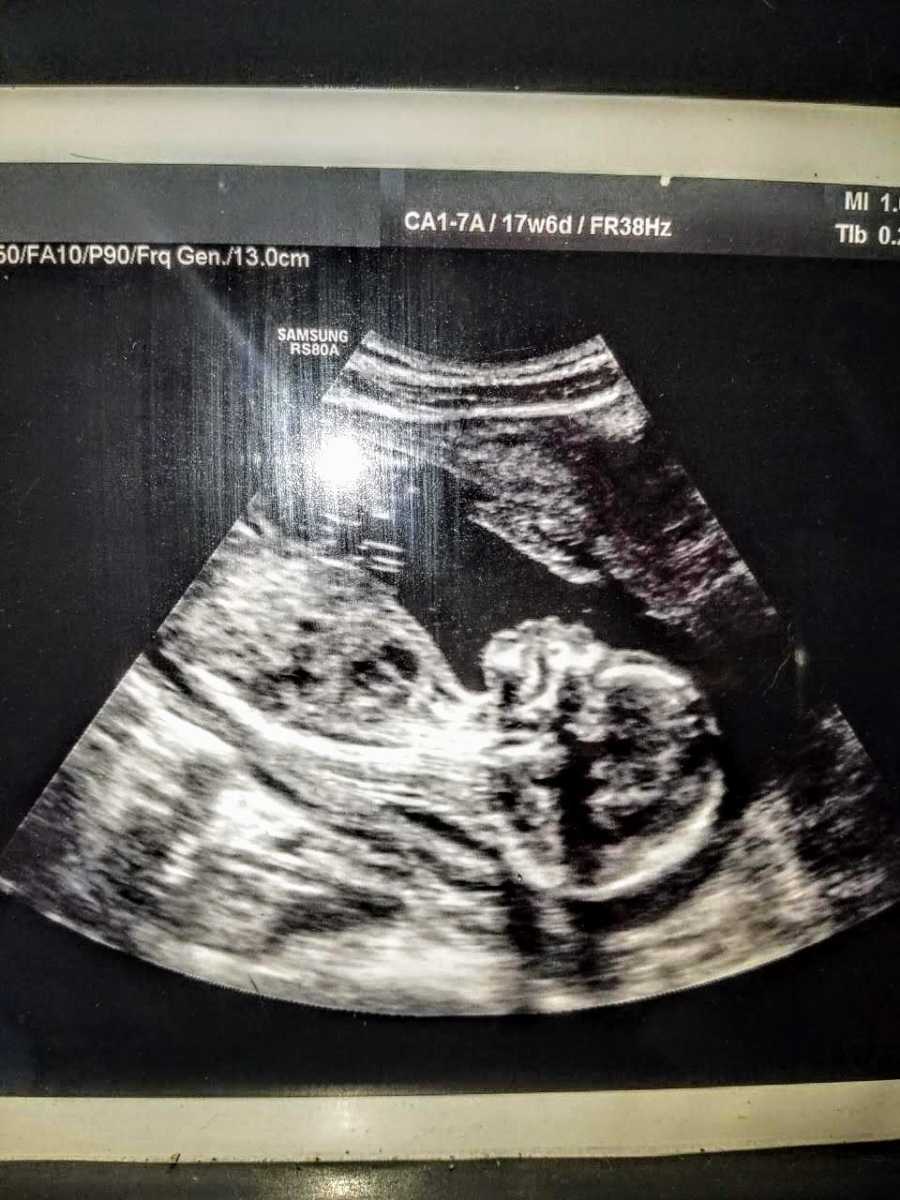
By 30 weeks, my contractions worsened, and dilation reached three and a half centimeters. The team at Garrett Regional Medical Center decided the safest course was to transfer me to Ruby Memorial Hospital in West Virginia. They started me on magnesium to halt labor, but it wasn’t enough. I received a shot in my hip to help Aliza’s lungs develop in case she arrived prematurely, giving her a better chance of survival.

After two days in the hospital, I was released, but my pregnancy was now considered high risk. I was placed on moderated bed rest, enduring excruciating contractions until the day I gave birth—39 weeks and 3 days later. On the morning of May 12, 2018, Tyler and I headed to the hospital to meet our daughter. My epidural worked well initially, a rare relief after months of worry—but then she became stuck.
She was too large for my birth canal, and even after three minutes of forceps, she wouldn’t budge. I screamed in unimaginable pain. My doctor told me he had never seen an epidural pull itself out of someone’s spine like mine did. They had to administer a full spinal block, numbing me from neck to toe, to perform an emergency C-section.
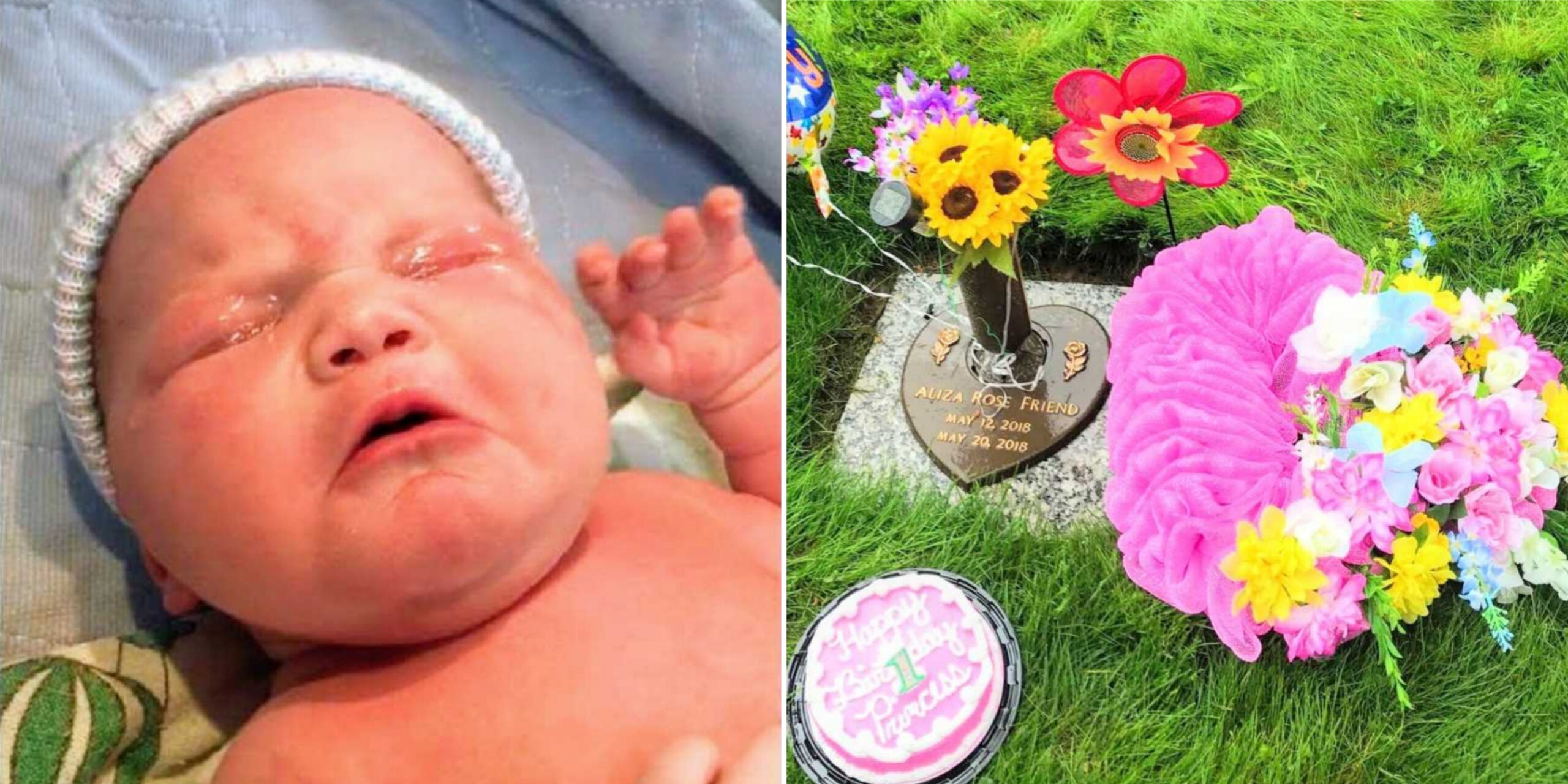
At 11:52 p.m., May 12, 2018, Aliza Rose Friend was born, perfect and healthy: 8 pounds, 5 ounces, 20 1/2 inches long, with a 14-inch chest. She was everything I had dreamed of and more.
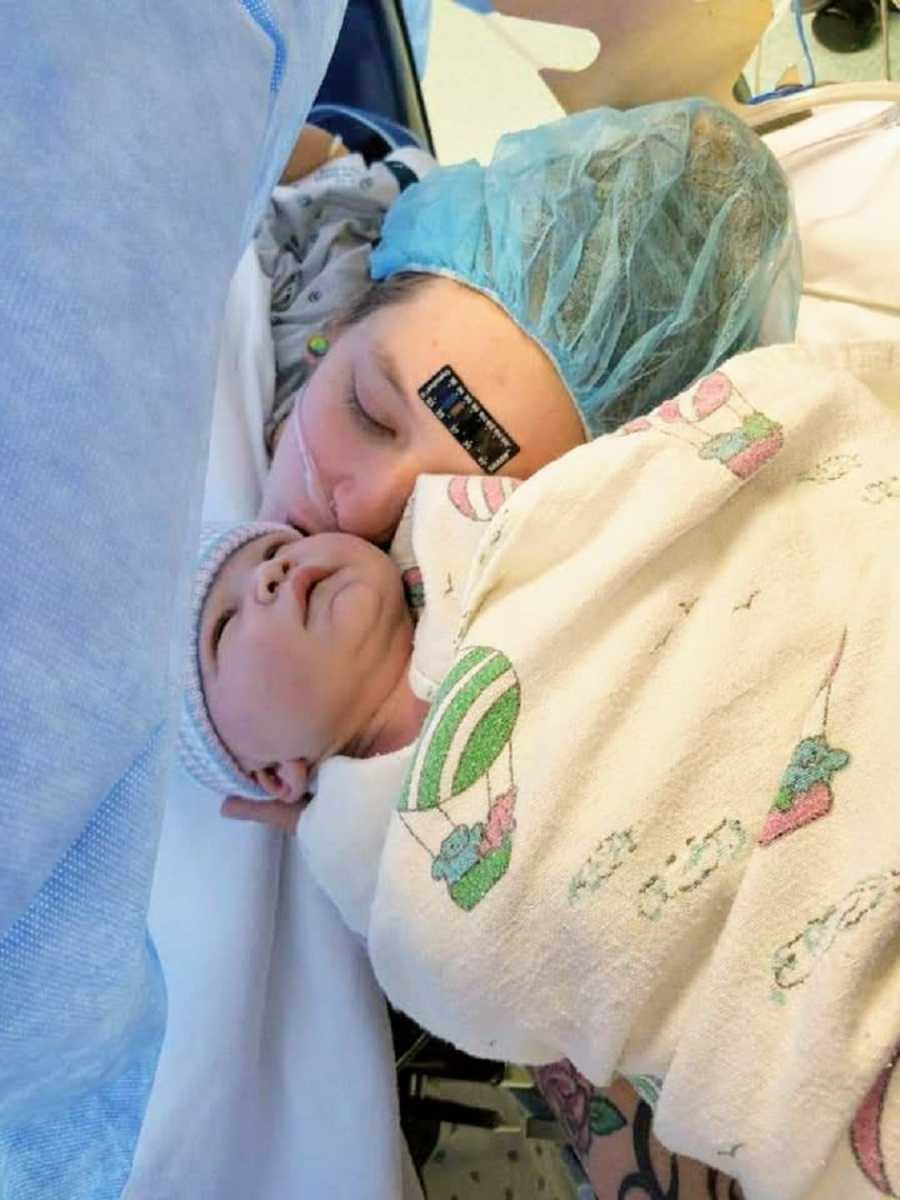
Two days later, on May 14, Aliza fell ill. Despite Garrett’s best efforts, she stopped eating, became unusually lethargic, and her skin took on an alarming orange tint. At 8 p.m., she was rushed to Ruby Memorial for specialized NICU care. I couldn’t accompany her, still recovering from surgery. My doctor told me I could be discharged once I could walk across the room and back—a milestone I reached the next day. I refused to be apart from her.
She was diagnosed with suspected meningitis, a common yet terrifying condition in newborns. Machines surrounded her, tubes drained fluid from her lungs, and she received maximum oxygen support. An EEG monitored her brain activity because the medications could trigger seizures.
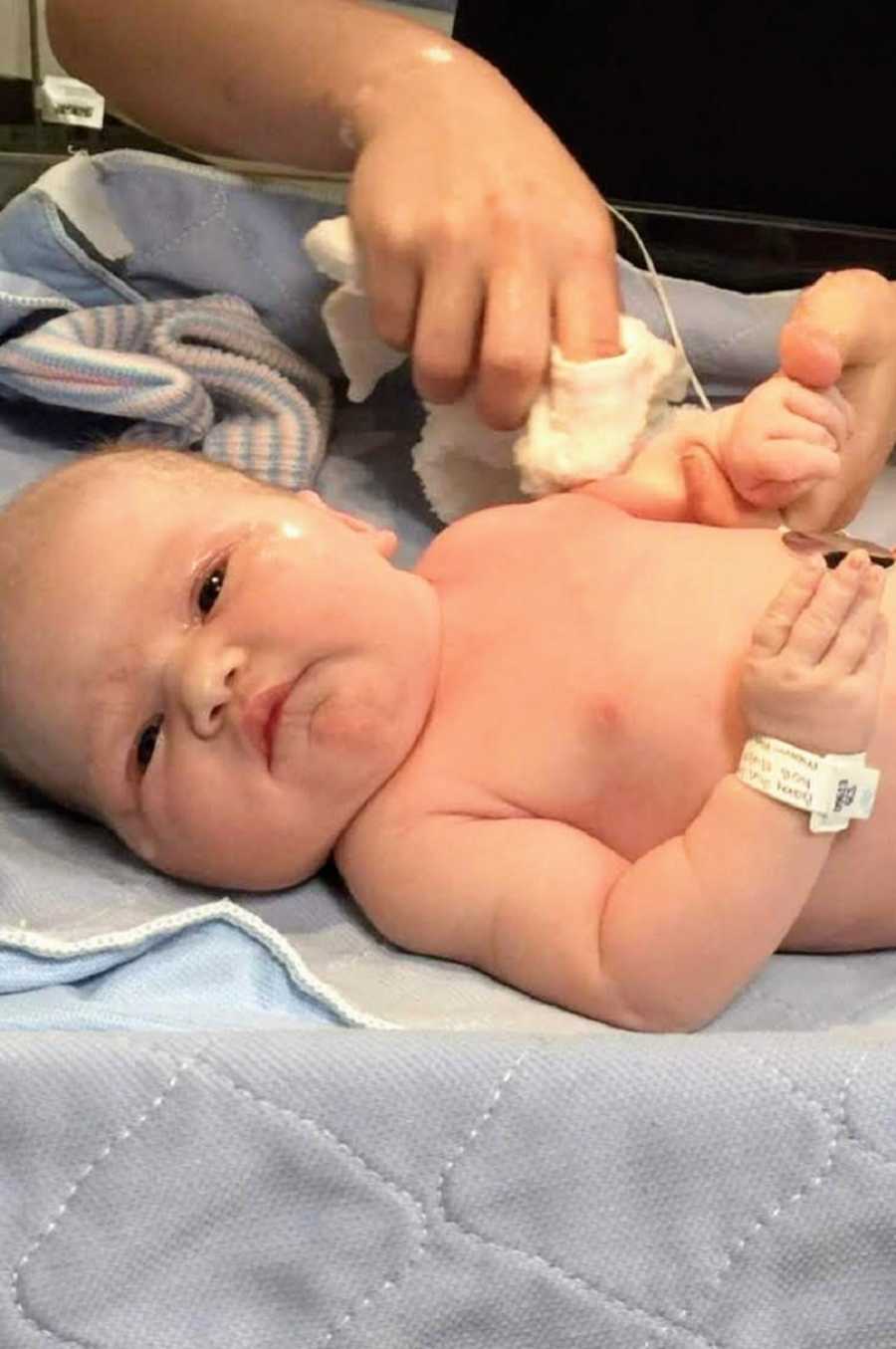
By May 18, doctors reported her numbers were improving. I asked them directly if there was genuine hope or if it was just reassurance. They confirmed there was real hope.
Two days later, on May 20 at 9 a.m., her medical team gathered Tyler, me, and our families. They delivered devastating news: though her numbers looked better on paper, she had no brain activity. The virus had reached her brain, and she was medically brain dead. The machines were only prolonging her suffering. I faced the most excruciating decision a parent can make: to let her go.
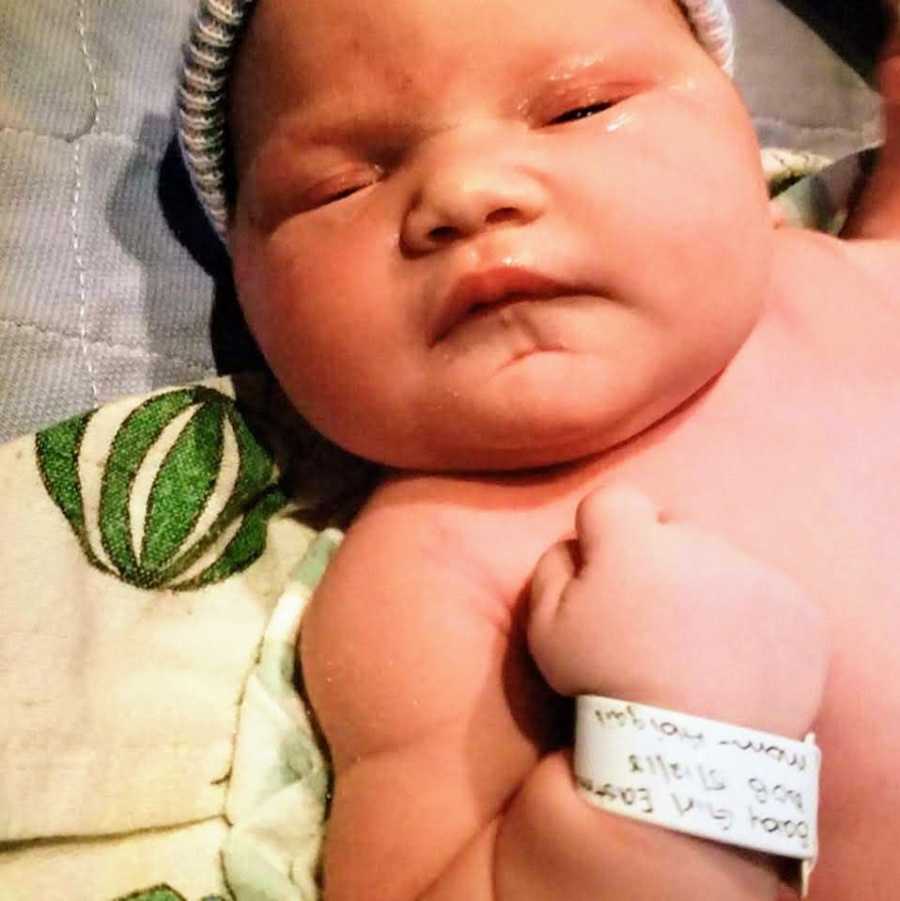
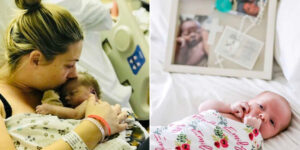
Before shutting down the machines, every immediate family member held her one last time. Then Tyler and I held her as the life-sustaining machines were turned off. She was only on medicine to keep her from feeling pain. Tyler held her first, then I did. I watched her struggle for breath, turn blue, and all I could do was hold her tightly and weep.
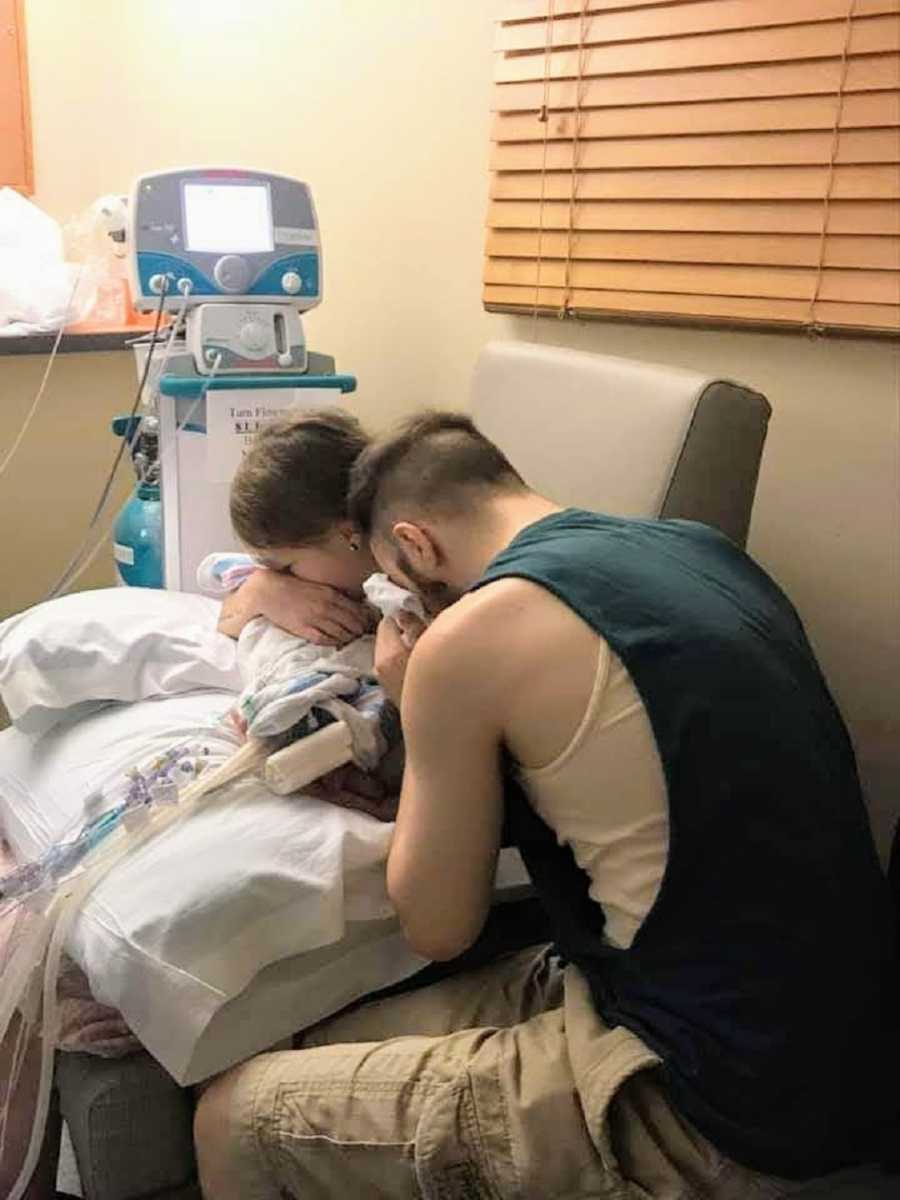
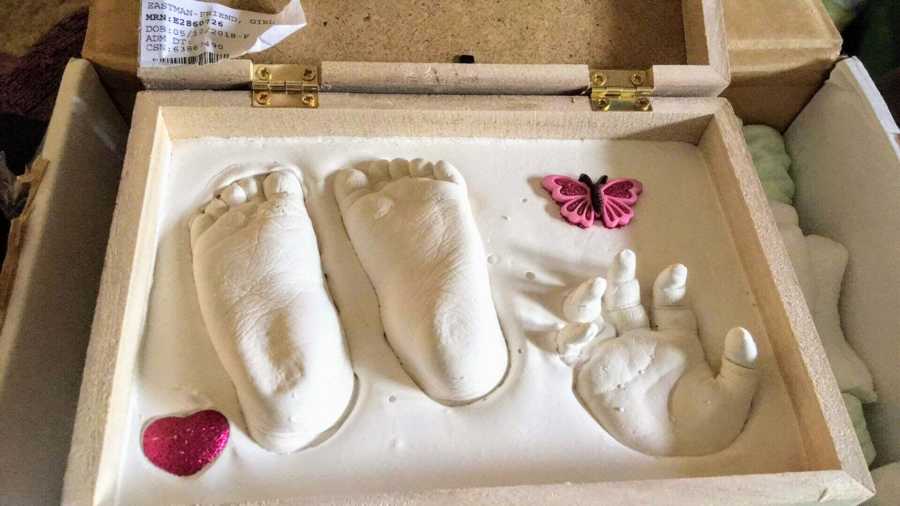
At 4:19 p.m., May 20, 2018, Aliza Rose Friend took her last breath in my arms. I screamed and prayed, hoping she could hear me. My soul shattered, and I will never be whole until I am with her again. She died from the HSV1 virus—the common cold sore virus.
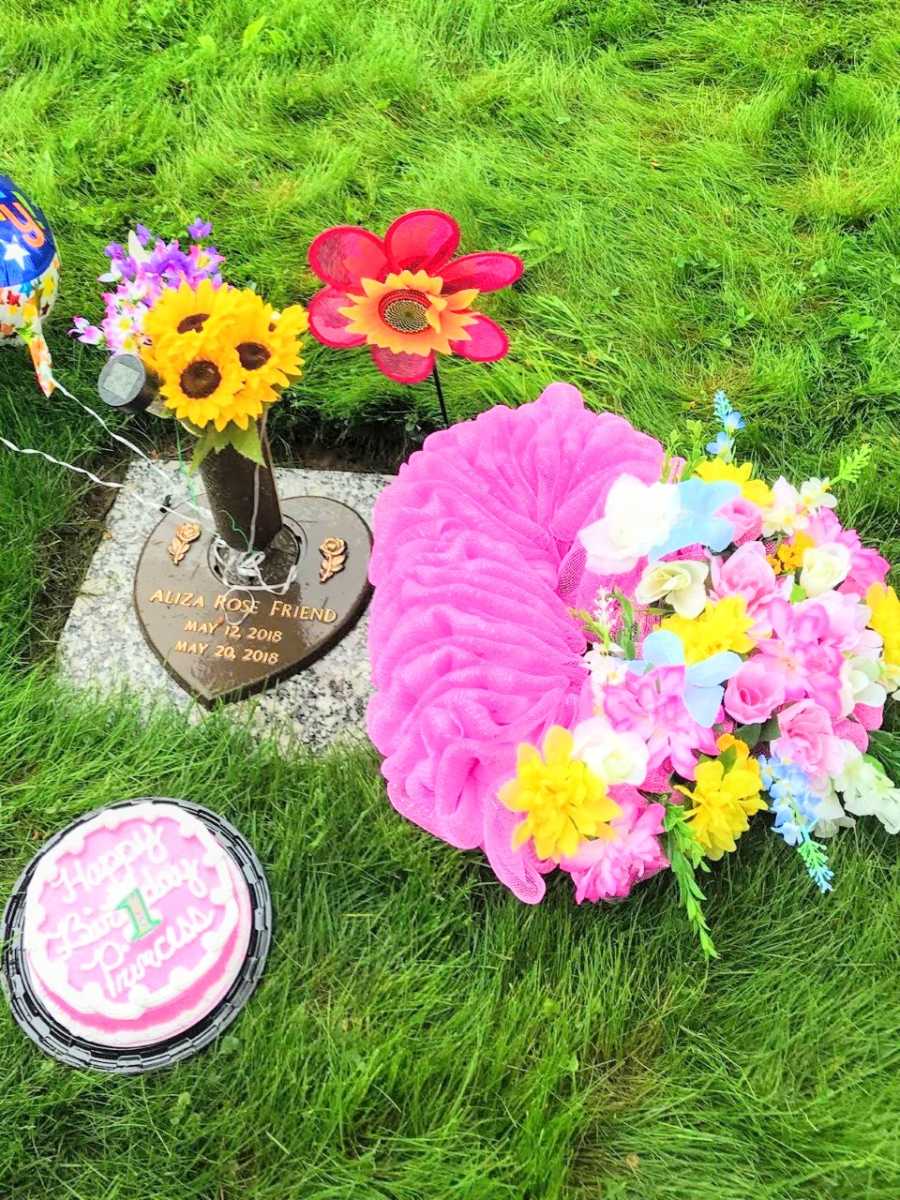
Please, never kiss babies or small children when you are sick, even slightly. HSV1 can be fatal for infants, even without visible symptoms. Wash your hands, be vigilant, and protect these tiny lives.
Hold your babies a little tighter tonight.