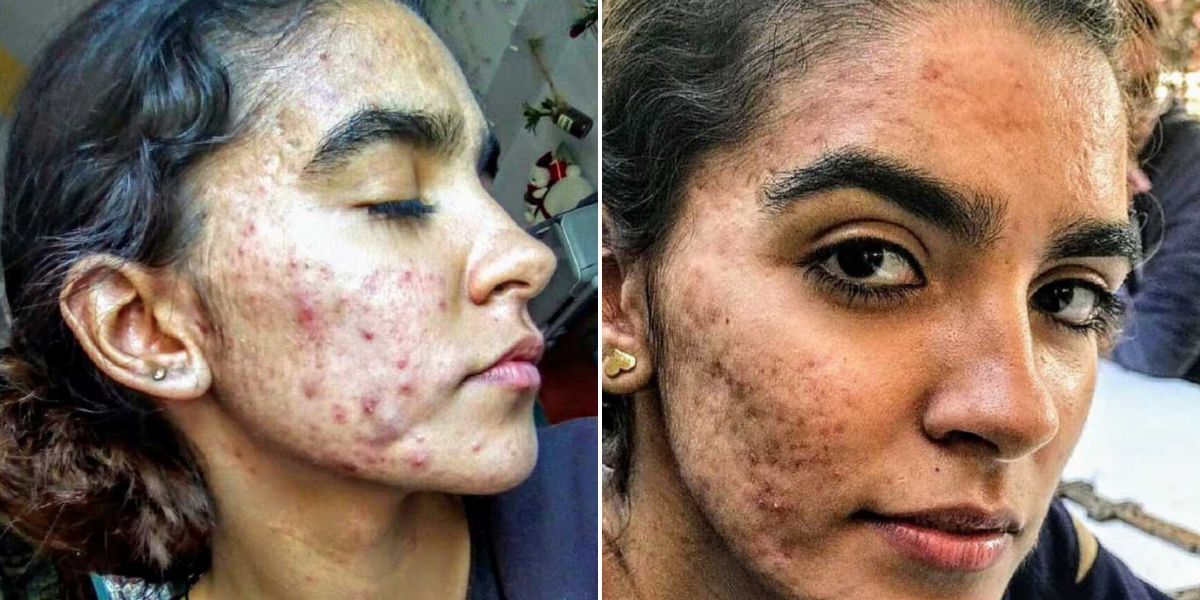
My first breakout happened when I was just seven years old. At first, they were the common pimples most kids get. But by the time I was eight, the bumps had spread to my face, back, and chest. Soon, my acne became nodular and severe. Nobody could have imagined that acne that extreme could appear on a ten-year-old girl.
By the time I turned eleven, I started taking Isotretinoin, also called Roaccutane or Accutane. It’s the last-resort medication for severe acne, a powerful pill that comes with intense side effects—dryness, joint pain, hair loss, nosebleeds, and even vision issues. Back then, I didn’t understand what was happening to my body or why my skin looked the way it did. I used to describe it as “lumps filled with blood that could explode at any moment.”
School was especially hard. My acne would flare unpredictably, often breaking open and staining my clothes, desk, and even my exams with blood and pus. It was painful, embarrassing, and utterly humiliating, especially in elementary school. For two long years, I slept only on my back to avoid waking up with burst blemishes staining my sheets. But no amount of caution could shield me from the emotional pain.
People treated me differently. Many were grossed out or scared, afraid they might get infected. I received questions that cut deeply:
“Did you burn your face?”
“Aren’t people scared to touch you?”
“How can your mom kiss you?”
Now, the question has evolved to: “How can your boyfriend kiss you?” And my answer has always been the same: “I’m normal, just like anyone else. Acne is normal.” Still, society often treats me like my skin makes me unworthy, undesirable, or less human.
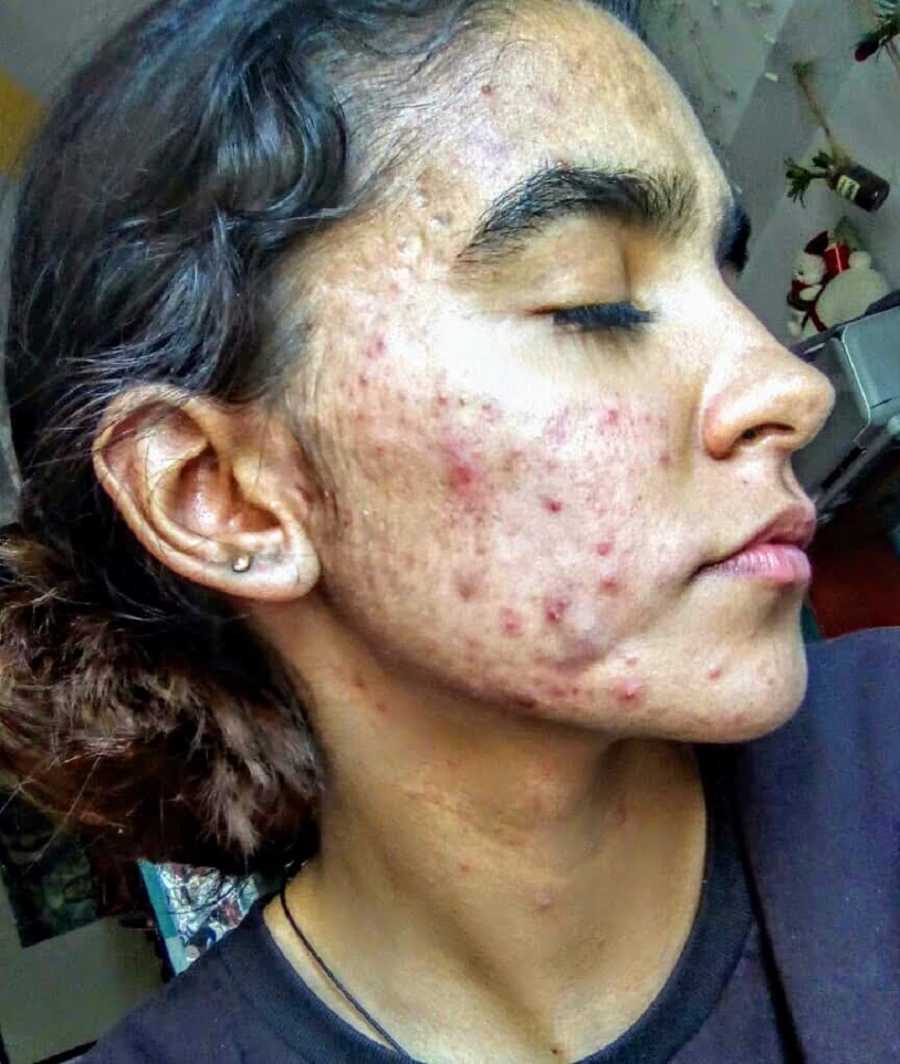
All of this made me feel deeply alone. It wasn’t easy rushing to the bathroom mid-class to wipe blood and pus from my face while classmates stared. Adults tried to help, but they couldn’t be there every moment. I learned to focus on myself instead of waiting for someone else to accept me. At twelve, I discovered that self-love was enough.
Freshman year of high school brought another memorable moment. I ran to the bathroom to clean up after a cyst burst. A group of sophomores looked on in shock. When I explained, “It’s my acne. My cysts can explode at any time,” they were stunned. “ACNE?!” one of them exclaimed. I explained I had acne conglobata, a severe inflammatory condition, far beyond the “pimples from stress” most people know. One girl said, “Wow, she’s here bleeding and losing class time while I thought one pimple was the end of the world.” Those words still resonate. I realized then how misunderstood people with severe acne truly are—so close to everyone else, yet so isolated in our experience.
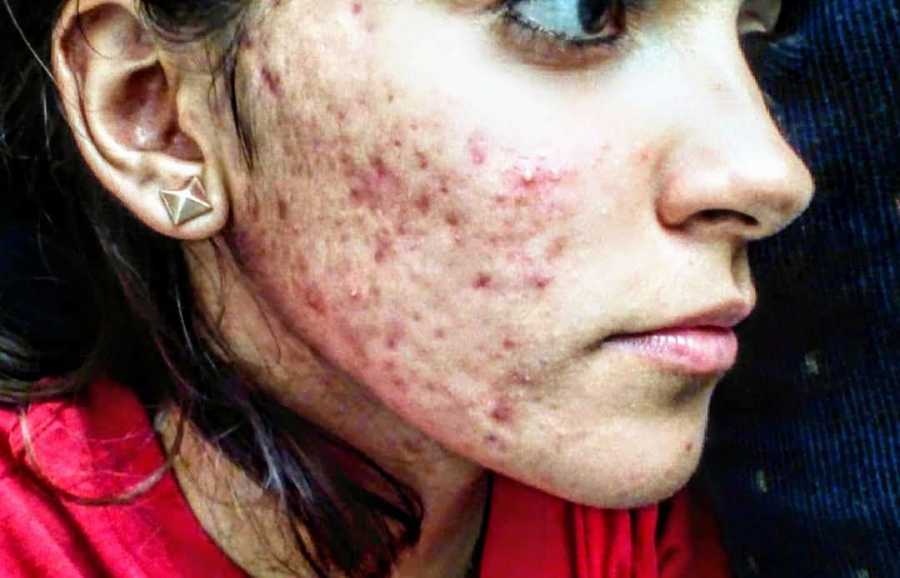
Over the years, I underwent countless treatments: intralesional triamcinolone injections, over 100 chemical peelings, 3 years and 7 months of daily 120mg Isotretinoin, and antibiotics like Lymecycline Tetralysal. I avoided the sun meticulously, wearing sunscreen and hats every time I went outside. Even after months on Isotretinoin, new breakouts would occur. Less than 20% of people relapse after Accutane, but I was not one of them.
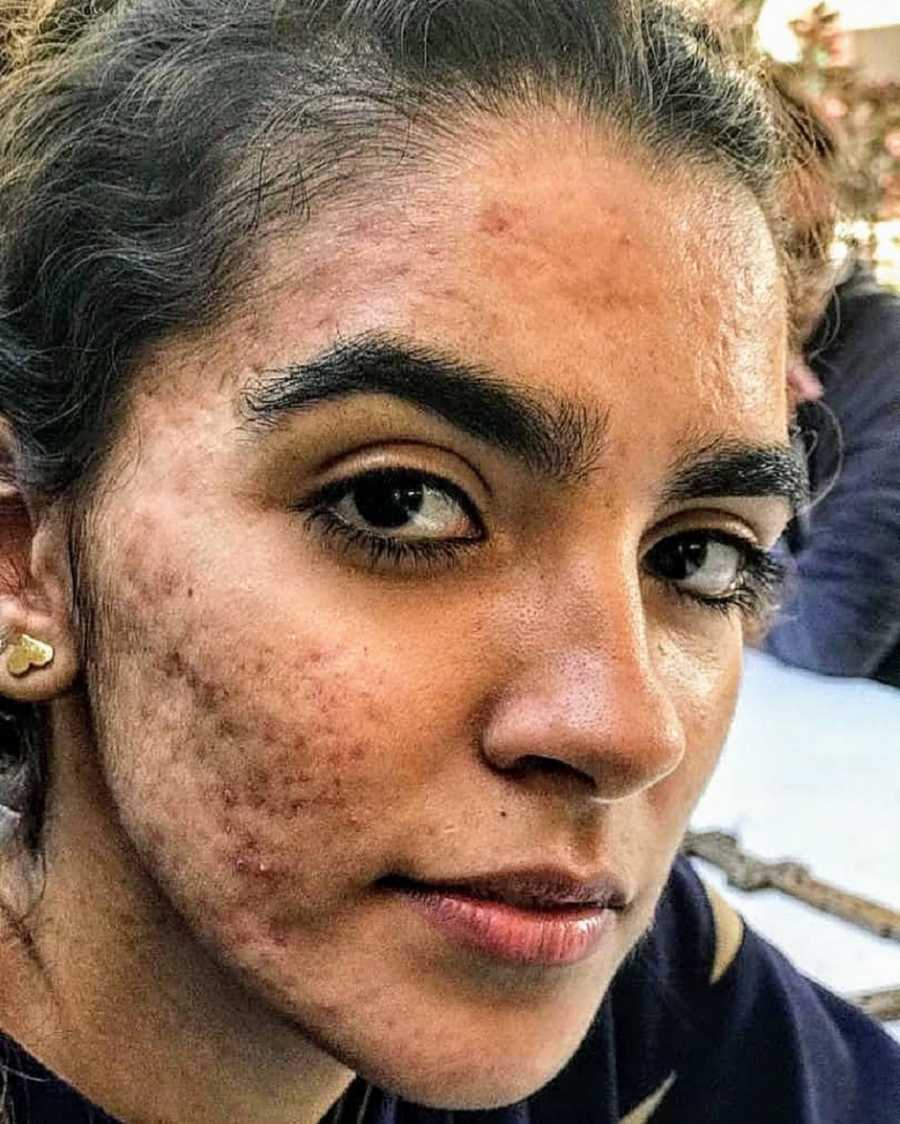
Today, nearly two years after stopping treatment, some side effects remain: extreme dryness of my skin, lips, eyes, and hair, stunted growth, and significant vision loss. I’ve learned I can’t change my nature, but I can face it with a positive attitude.
Growing up in a culture obsessed with beauty standards was challenging. Modeling agencies, television, and social media place so much importance on appearance. Luckily, my parents never taught me that being attractive determined my worth. That support helped me cope with a condition that could have crushed my confidence.
Most girls my age are taught to perfect themselves—to obsess over makeup, appearance, and unrealistic ideals. I’ve chosen a different path: to be happy with what I have. My friends and family have always supported me, and that’s what truly matters—not acne, not challenges, but who stands by you in tough times.
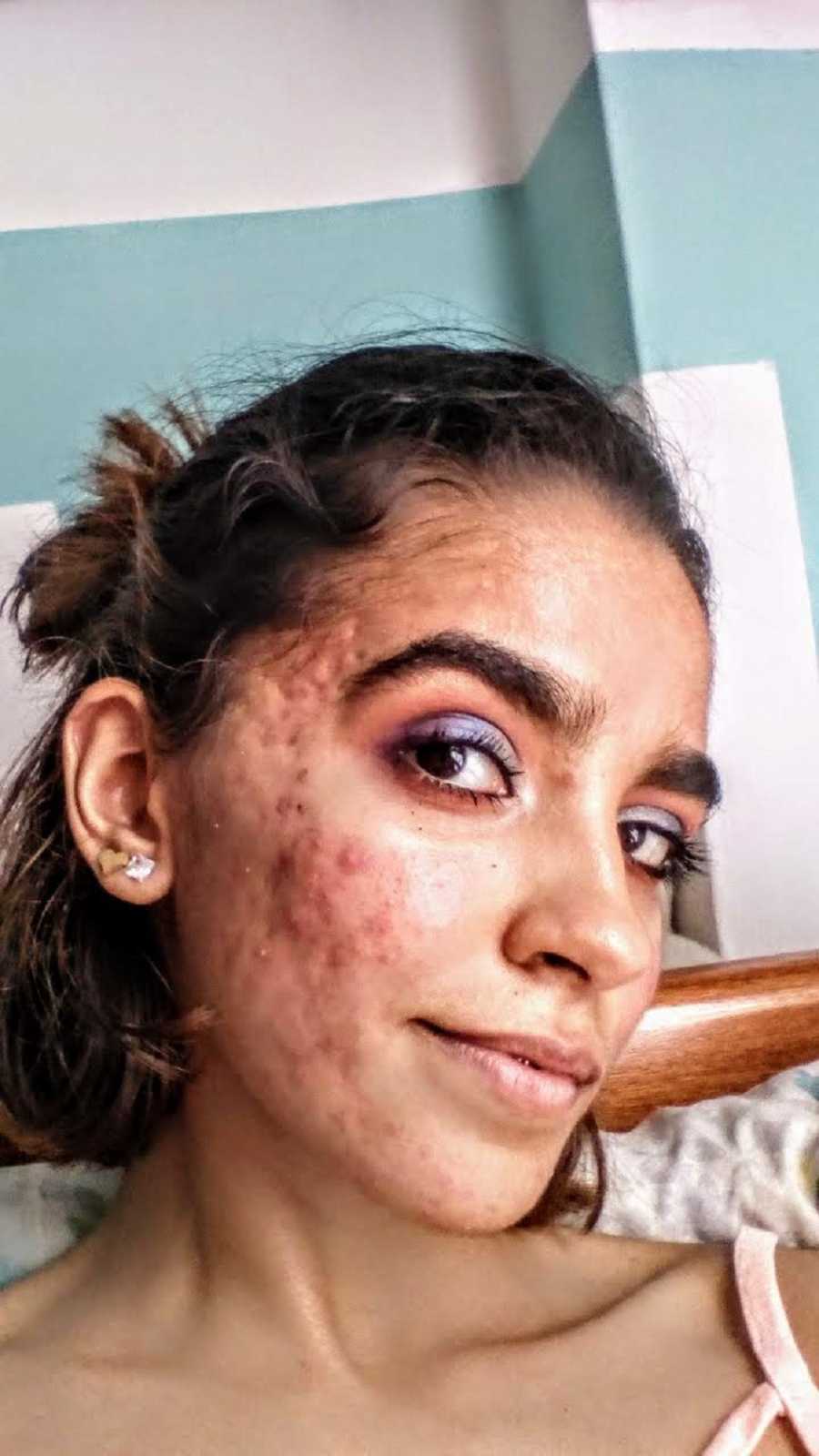
Severe acne is exhausting and painful, but it has given me invaluable lessons. It taught me that not every environment is healthy and not everyone will support you. If something tortures you, focus on changing your environment, not yourself. Surround yourself with people who see your worth, and you will thrive.
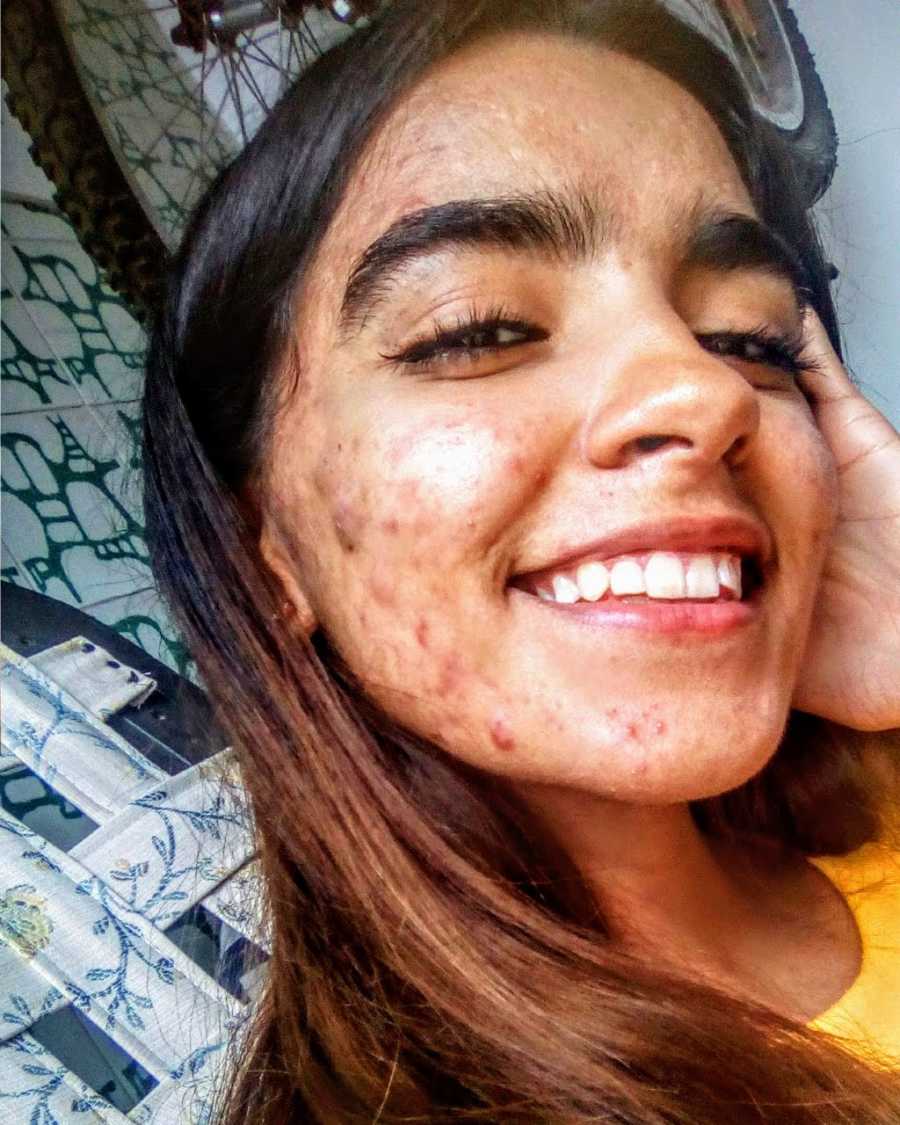
My acne is hereditary and incurable, yet I no longer wish for a cure. It shaped me into the resilient 17-year-old I am today. It taught me to embrace my scars, defend myself, and have unwavering confidence. After years of fear, pain, and insecurity, I now understand that the hardest moments can make us stronger, kinder, and more self-assured than we ever imagined.