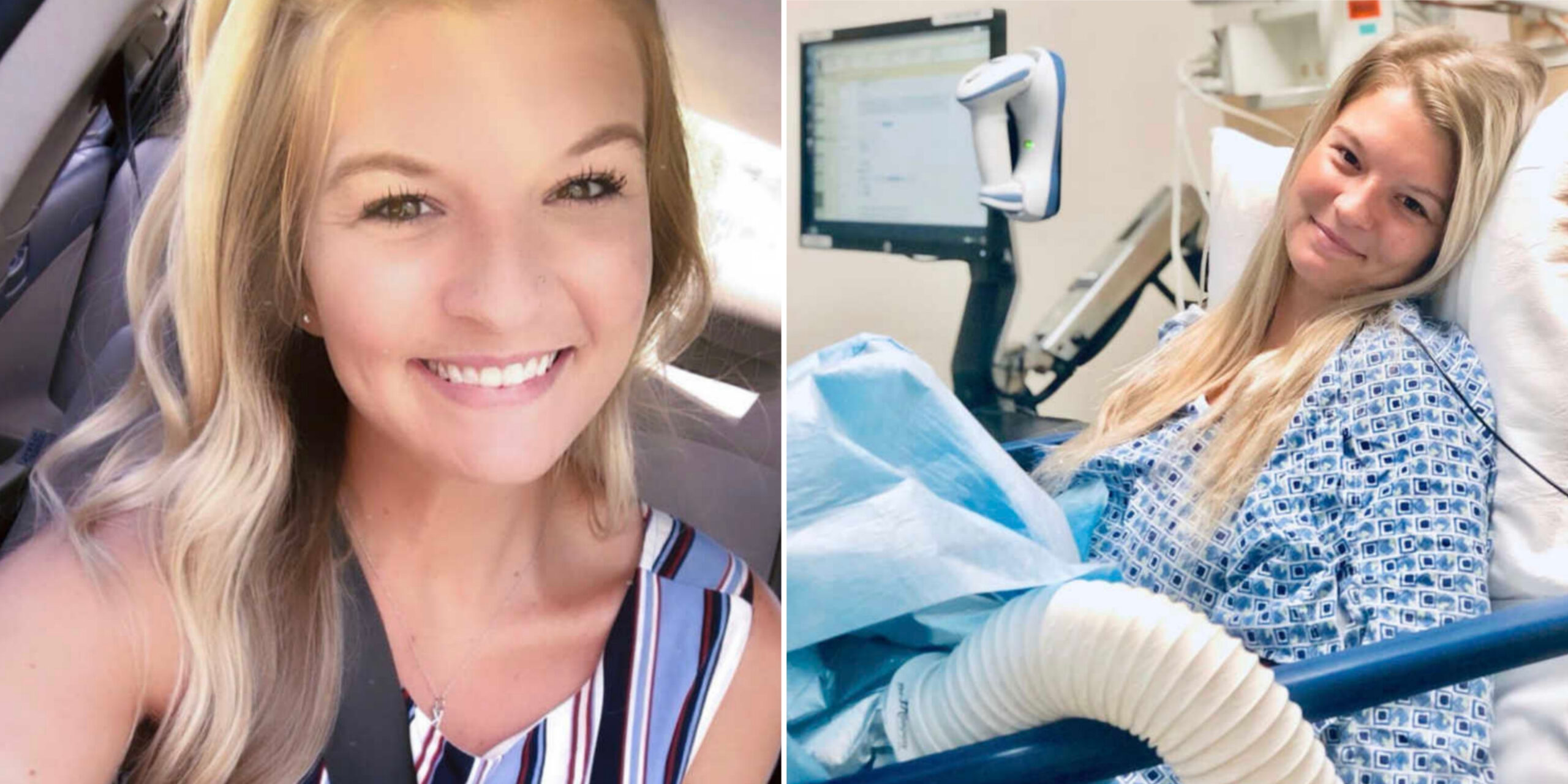
As I sat in my car in the parking lot of my doctor’s office, clutching yet another pamphlet about Dysmenorrhea—painful periods, the tears I’d been holding back finally spilled over. I couldn’t stop crying, not because this pamphlet was new or shocking, but because deep down, I knew in every fiber of my being that this was all wrong. This wasn’t just a painful period. Every part of me wanted to run back inside, demand answers, and make sure someone figured out what was happening to my body—no matter what it took. But I didn’t. Instead, I put my car in reverse, drove away, and silently cried all the way home. Once again, I felt silenced.
It would take years before I finally understood what was happening: I have a chronic illness called Endometriosis. It has no known cause or cure and can only be definitively diagnosed through surgery. One in ten women—almost two hundred million worldwide—live with this condition, yet it takes an average of six to eleven years to receive a proper diagnosis. Years of suffering in silence, simply because women’s pain is often dismissed, minimized, or ignored. Why? Because society has trained us to believe that these issues are private, embarrassing, or “not worth mentioning.” It’s time we step up, speak out, and break the stigma.
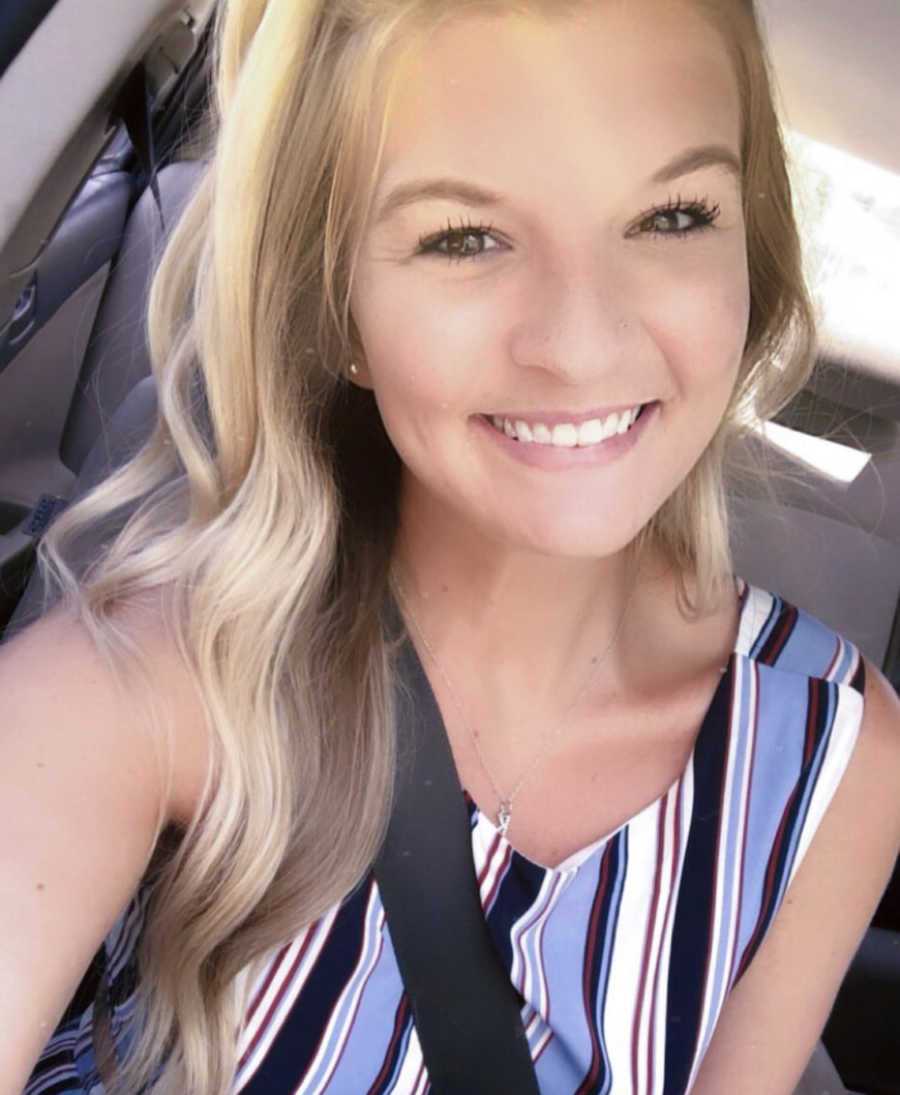
Endometriosis occurs when tissue resembling the lining of the uterus grows outside the uterus, often attaching to other organs. Unlike the uterine lining, which sheds each month, this tissue continues to respond to hormones, building up and shedding wherever it is. This can cause internal bleeding and a wide array of debilitating symptoms: extreme bloating, painful intercourse, excruciating periods, chronic pelvic pain, fatigue so severe it’s almost paralyzing, and even infertility—a terrifying possibility for anyone who dreams of having a family.
I am one in ten. And my path to a diagnosis was anything but straightforward.
At eleven years old, I got my first period. It was erratic—so irregular that sometimes I wouldn’t get it for five months. By fourteen, I went on birth control to regulate it and help manage hormonal acne. Over the next few years, my cycles became more predictable. I don’t remember ever experiencing truly severe pain during those early periods. But about five years ago, my period became unpredictable again, arriving heavily every other week for a full seven days. It hurt—but like many young women, I told myself that this was just “part of being a woman,” something to endure quietly. Women aren’t supposed to complain about period pain, right?
Then things escalated. My body started sending alarming signals I couldn’t ignore. Migraines would leave me curled in a ball on the floor of my closet, unable to move. My legs were covered in bruises from low iron, and my stomach would bloat so severely that I looked pregnant. Exhaustion was constant; even minor daily tasks became insurmountable, yet no one seemed to notice. I experienced sudden, sharp lower back, hip, and pelvic pain. For six months, I had visible blood in my urine. My stomach pain became so intense that I would hide in bathrooms at work or cry in the middle of social outings. But I always went back out, wearing a mask of “normalcy.”
Doctors appointments piled up—blood work, allergy tests, dietary adjustments, prescriptions, CT scans, X-rays, ultrasounds, pelvic exams, MRIs, even a cystoscopy. None of them offered answers.
Gradually, I began to question my sanity. Maybe the doctors were right. Maybe it was all in my head. Maybe this pain was “normal,” and I was just overreacting. Fighting for your health without answers for years can break you. It can make you feel invisible, foolish, and exhausted. Eventually, I stopped. I gave up. I stopped complaining, stopped seeking explanations. I went silent.
Even my family didn’t fully understand the depth of my pain. I would occasionally mention aches or discomfort, but I didn’t want to burden anyone. When my doctors dismissed my symptoms, I feared my family might too. Finally, years later, when I began debating a laparoscopy procedure, I opened up to my mom. She encouraged me. Her support became my lifeline.
Despite the ongoing pain, I maintained the appearance of a normal life—going to work, seeing friends—but my quality of life suffered. Mentally, I was consumed by the pain, counting down the moments until I could retreat to the safety of home. Physically present, emotionally trapped.
During a routine gynecological checkup, I mentioned some of these symptoms to a doctor. That’s when he uttered a word I had never heard before: Endometriosis. Then came his questions:
“Is your period debilitating to your everyday life?”
“Are you in the hospital every month due to your menstrual cramps?”
“No,” I replied.
“Oh,” he said, “maybe you should just self-soothe your pain with a heating pad and medicine.”
I was livid. My pain had to be labeled “debilitating” to be taken seriously? My frustration boiled over. That day, I went home, sat down, and decided I would fight for myself one last time. I researched obsessively, and somewhere deep inside, I just knew that endometriosis was the answer I had been seeking.
I persisted. The first surgeon I consulted was almost certain I had endometriosis but hesitated to operate because there is no cure. The choice was mine. I insisted—I needed certainty. Finally, I found a doctor who listened, who valued my pain and respected my instincts. I underwent a diagnostic laparoscopy and hysteroscopy. And at last, I had the clarity I had been seeking for years.
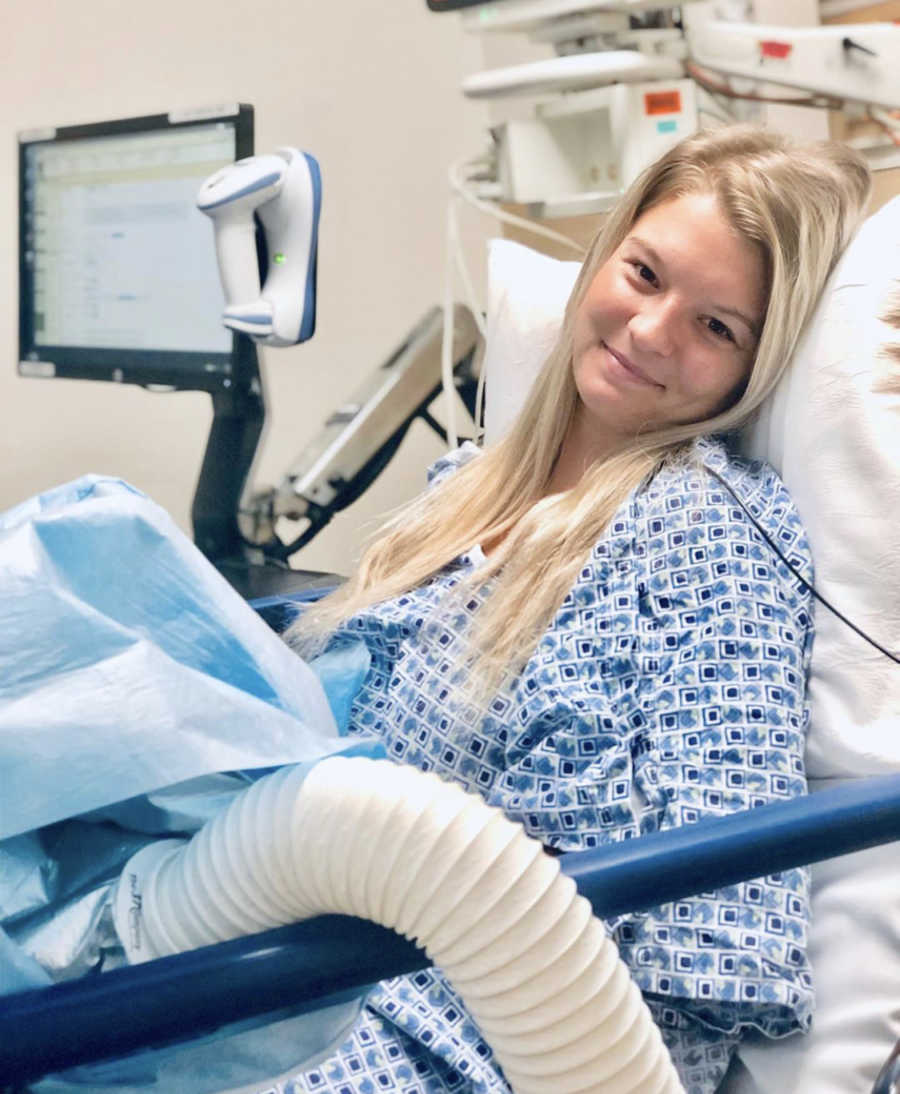
Even now, I live with fear. The uncertainty about whether I can have children someday haunts me constantly. From a young age, I always imagined myself as a mother of a large family. My career plans were flexible, but my dreams of motherhood were unwavering. The idea that endometriosis might threaten that dream is terrifying.
Yet, this grueling journey has taught me invaluable lessons—lessons I wish every woman could understand. It is absolutely essential to advocate for yourself. You are the only person who truly knows your pain and your body. Trust yourself. Be relentless. Be strong. Fight for answers.
Women endure so much because we’re told period pain is “normal.” Let me be clear: it is not. Severe pain should never be ignored. It is not in your head. You are not weak. You are not overreacting. And most importantly, you do not need to suffer in silence.
To every woman living in pain far worse than mine: I see you. I understand the struggle. I know how isolating it can feel. But please, keep fighting. Advocate for yourself. Demand answers. You deserve to be heard, and your pain deserves attention. You are stronger than you know, and your courage can change everything—for yourself and for the generations of women who will follow.