
There isn’t a single day that goes by when I don’t feel depression lingering in the background. It’s woven into me, like the color of my eyes or a predisposition to high blood pressure. And no matter how hard I try to numb it—through shopping, comfort food, or endless scrolling on my phone—it always finds me, because it’s a part of me.
It took me far too long to understand a simple truth: you can’t outrun yourself.
Even though depression, and its ever-present companion anxiety, have been etched into my life, I discovered there was a rhythm to my days. Some mornings felt manageable, even bright. Others were heavy, like wading through mud, but bearable. That ebb and flow created a dangerous illusion—that I was “fine.” Society had fed me the idea that depression meant being bedridden, completely immobilized. Since I was still getting up, still moving, still occasionally thriving, I convinced myself I could handle it. I resigned myself to the thought that I would always be the woman with a little more shadow than light.
And then came the day I went to try on dresses.
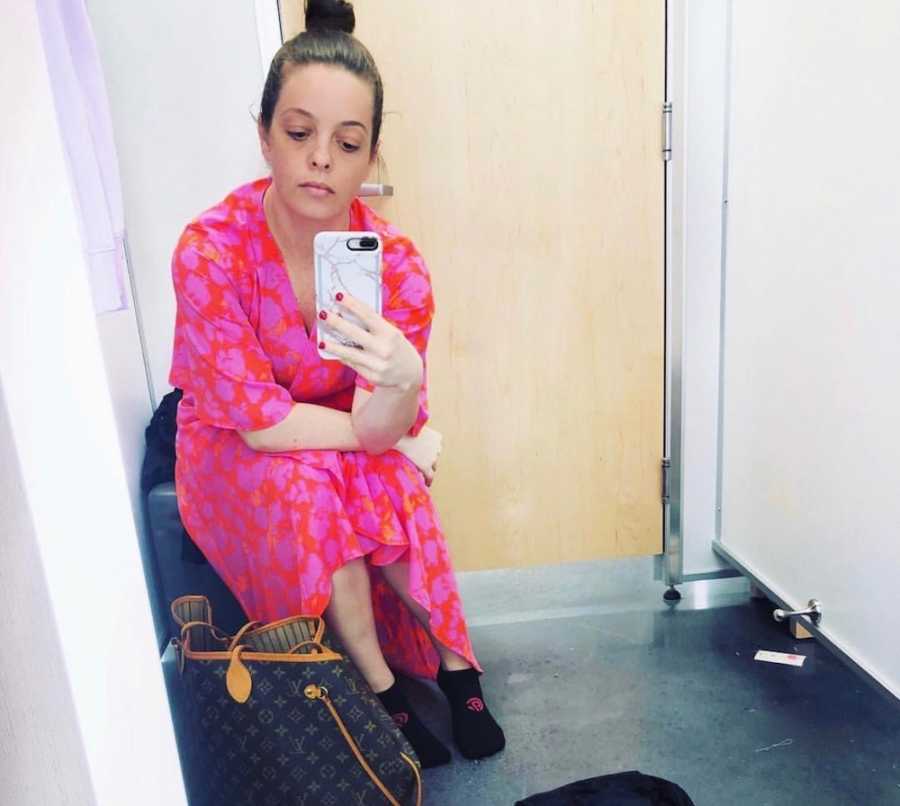
It was just an ordinary day in the life of someone functioning with depression. I dressed myself and my children, sent them off to school, worked out, ate a protein bar, and sat in my car feeling nothing. Not happy, not sad—just an empty, numbed void. That, I realized, is depression’s sharpest tool: it strips you of feeling. Indifference becomes the enemy of life, letting darkness creep in undisturbed.
I tried one of my old coping mechanisms—buying things I didn’t need, hoping “stuff” could fill the emptiness. But when I stepped into the dressing room, the familiar weight hit me so fast that I had no choice but to sit. Unbuttoning the dress seemed like a monumental task.
This is how depression works: it waits silently, floating behind the scenes, then intrudes without warning, staking its claim until it decides to release you.
So I surrendered. I sat.
I studied myself in the mirror, at first critically, as my mind often does. I noticed the dark circles under my eyes, the messy bun, the strands of hair I still lost three years after having children. I grimaced at the size of the dress, and a familiar thought whispered: why can’t I be smaller, softer, blend in gracefully with the world?
But what cut deeper than the dress was everything else. I hated my past—years of abuse that had shaped me, and my reluctance to be intimate with my husband. I hated that my husband’s heart was failing and that both my children were on the spectrum. Usually, this diagnosis blends into our everyday lives, but not that day. That day it felt heavier than the dress in my hands. I hated the reality that therapy costs meant I couldn’t even indulge in a tiny distraction without consequence.

I sat there for what felt like hours, and slowly, something shifted. I realized I couldn’t control the circumstances of my life, but I could begin to control how I responded to them.
I reached for my phone, took a hesitant selfie, and did the only thing I could think of to steady the storm inside me: I called my doctor.
Seven years earlier, my therapist had suggested medication. I resisted, believing I could fix myself, and for a while, I did—well enough. But just like a person with hypertension can’t rely solely on deep breathing to regulate blood pressure, my coping strategies could only carry me so far. Shopping, distractions, numbing—none of it was enough anymore. This wasn’t situational. It was chemical. Denying myself help would have been like denying insulin to a diabetic.
Breaking through the stigma of mental health was a long, hard road. Even as a nurse, I believed I could manage everything myself. Brains are tricky battlegrounds, and sometimes they convince you that asking for help is weakness.
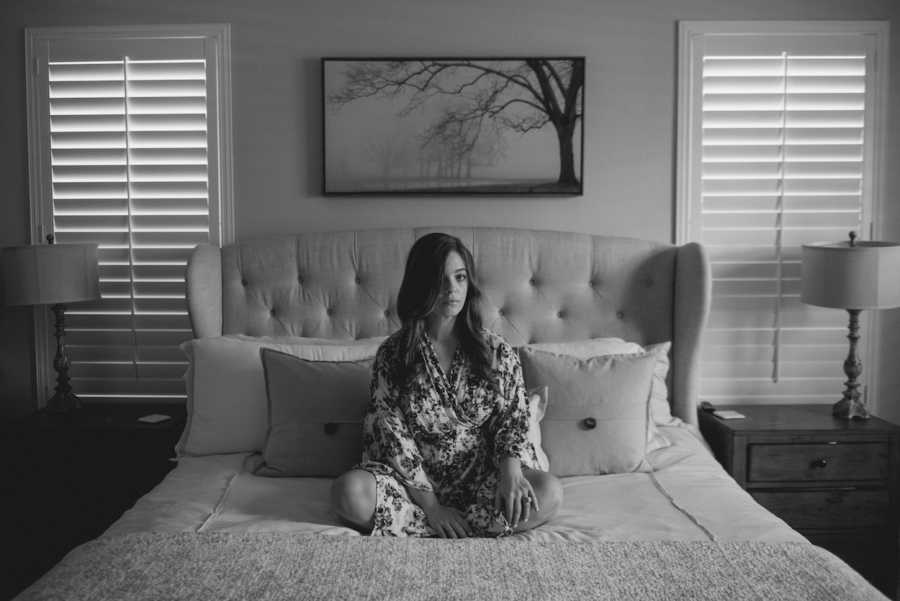
But exhaustion has a way of softening resistance, and that dressing room became my turning point. Now, every night, I take a small blue pill—and it has changed everything.
I am not cured. I am not endlessly joyful or carefree. But my load has been lightened. I feel lighter. The pill didn’t erase my personality or make me emotionless. It simply leveled the landscape of my mind. I no longer tense when my husband touches me. I no longer want to eat every meal in bed. Worst-case scenarios still cross my mind, but I don’t follow them into obsession. Life feels…manageable. I can let things go—especially the thoughts that don’t serve me.
If you are struggling with a chemical imbalance, remember this: your mental health deserves the same attention and care as your physical health. Depression and anxiety may sometimes be situational, but for many, like me, they are chronic illnesses. Seeking help is not weakness—it’s survival.

So start simply. Sit. Be still. Allow yourself to feel everything and offer yourself grace.
Do what you need to survive the weight of your own mind. For me, it was sitting on the bench of a dressing room stall, letting the world pass by until I was ready to put my big girl pants back on.
Just sit.
Your rise will come—when you’re ready.