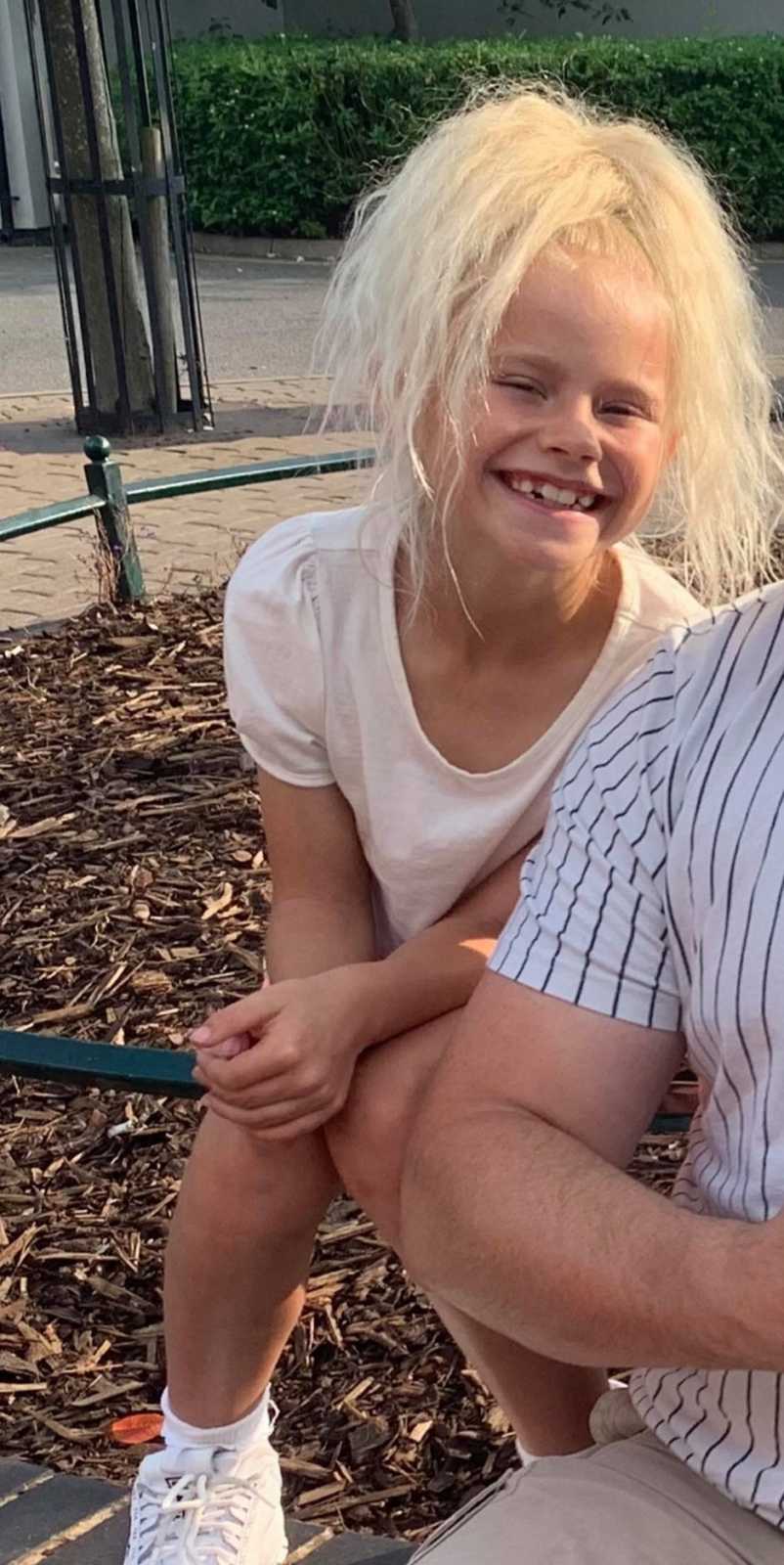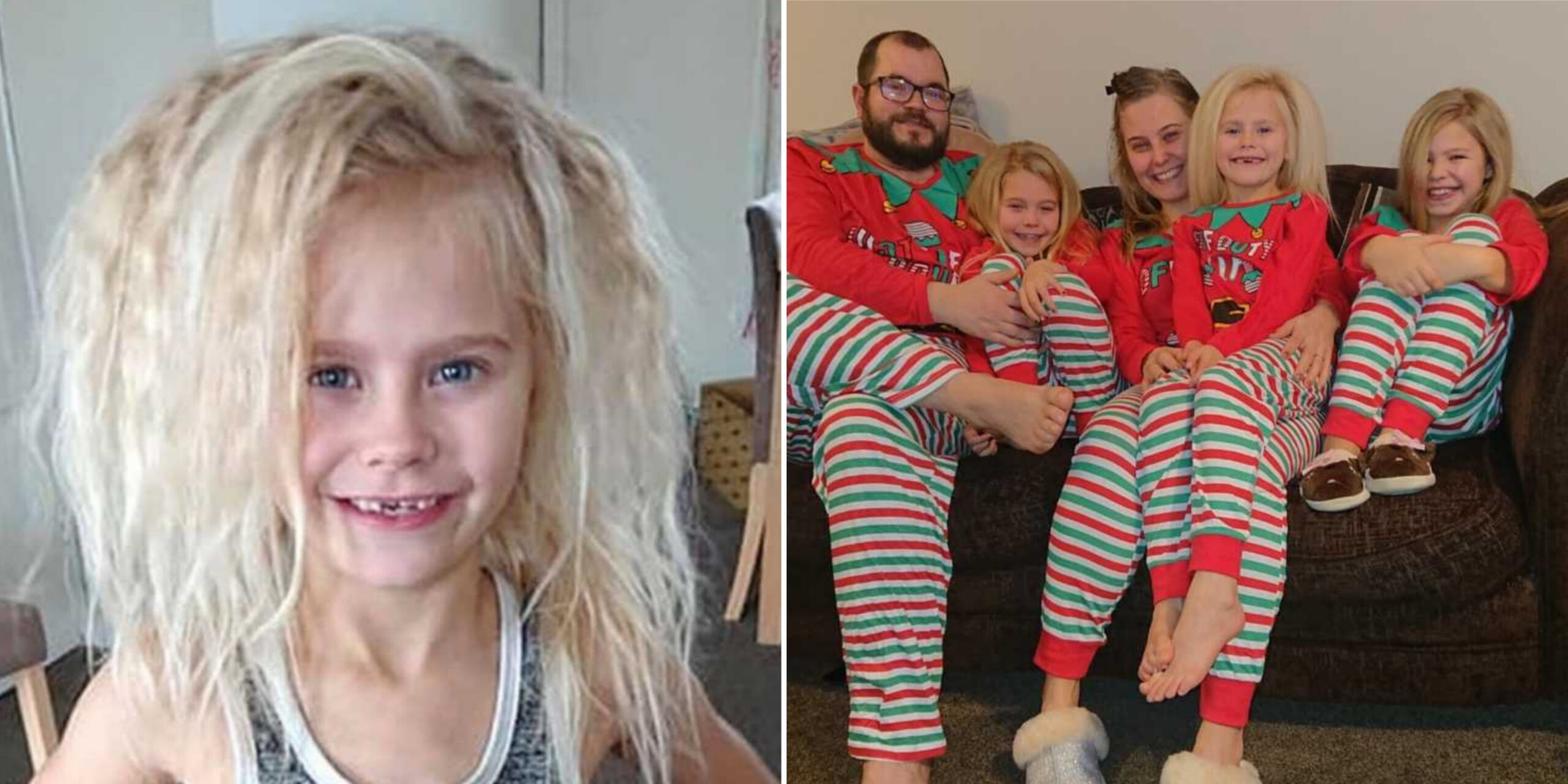
Wynter Sophia Eve Seymour was born on December 31, 2011, with a head of thick, jet-black, fluffy hair and the brightest blue eyes you could imagine. We were stunned—her sisters, Savannah and Esmée, had both been born with very little hair that eventually grew in blonde. We secretly hoped Wynter’s dark hair would stay, as she looked utterly adorable with it. But just a few months later, we noticed her hair lightening, and almost overnight, it transformed: poker-straight and pure white blonde. She looked just like a tiny newborn chick—soft, fluffy, and delicate.
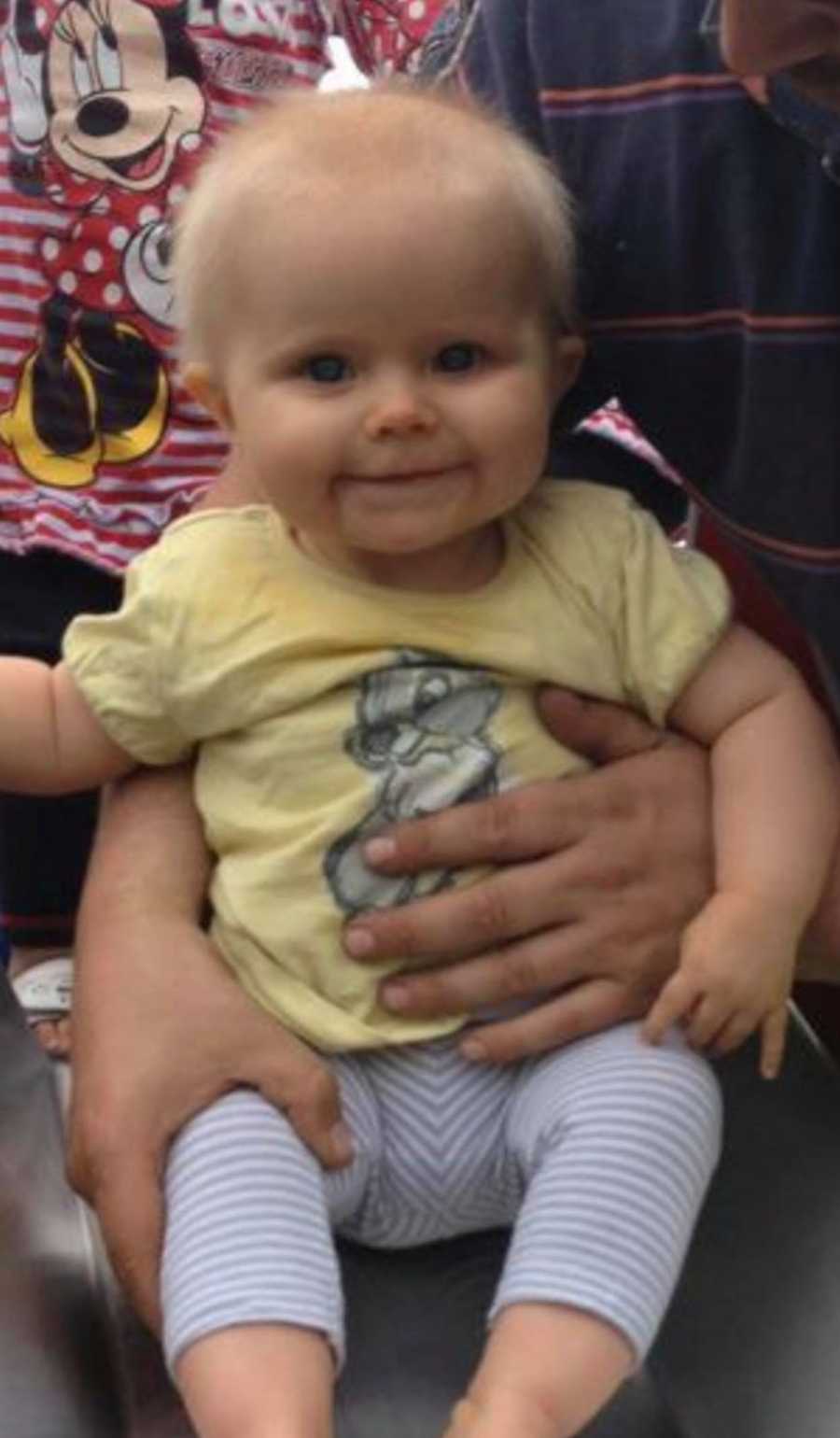
People often commented on how beautiful her hair was, and at that stage, we didn’t see anything unusual about it. It was still completely normal, just strikingly blonde and perfectly straight, almost as if static electricity had kissed every strand.
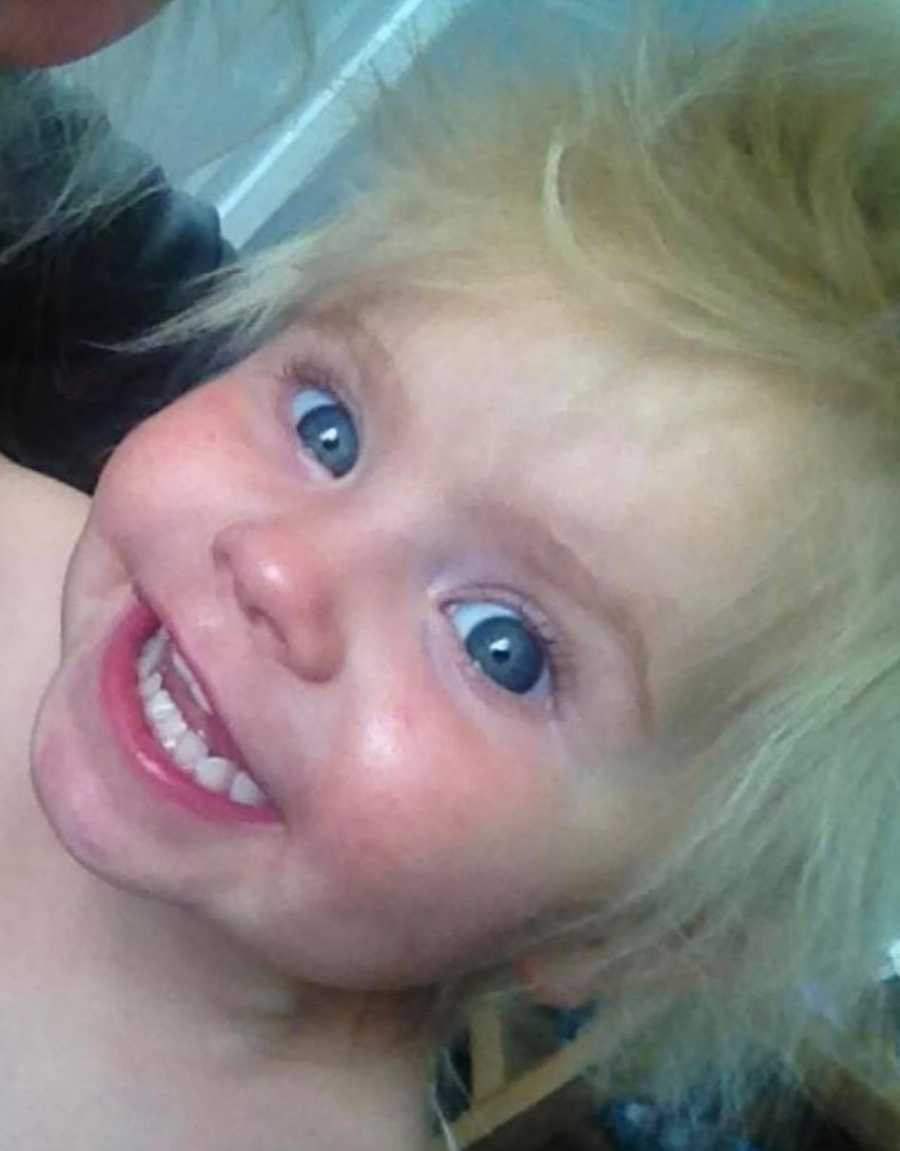
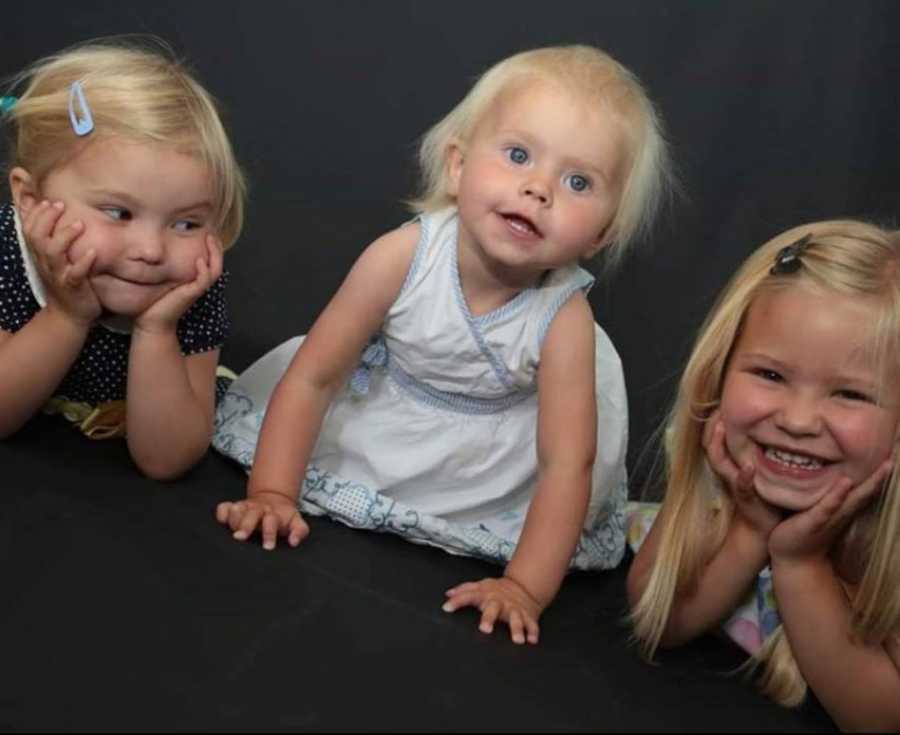
By the time Wynter was around two years old, her hair remained incredibly straight and bright blonde, and we often had to pin her fringe down to keep it tidy. Around this time, both she and her sister were noticed by a modeling agency. Wynter’s striking blue eyes and dazzling white hair made her stand out, and she began booking work. It was also around this stage that we first noticed subtle changes. Her hair, while still straight, began behaving unpredictably—some strands wouldn’t lie flat, while others started crimping slightly. Eventually, it seemed to catch the light in a glittery way, prompting yet more comments from people who thought her hair looked as though it shimmered.
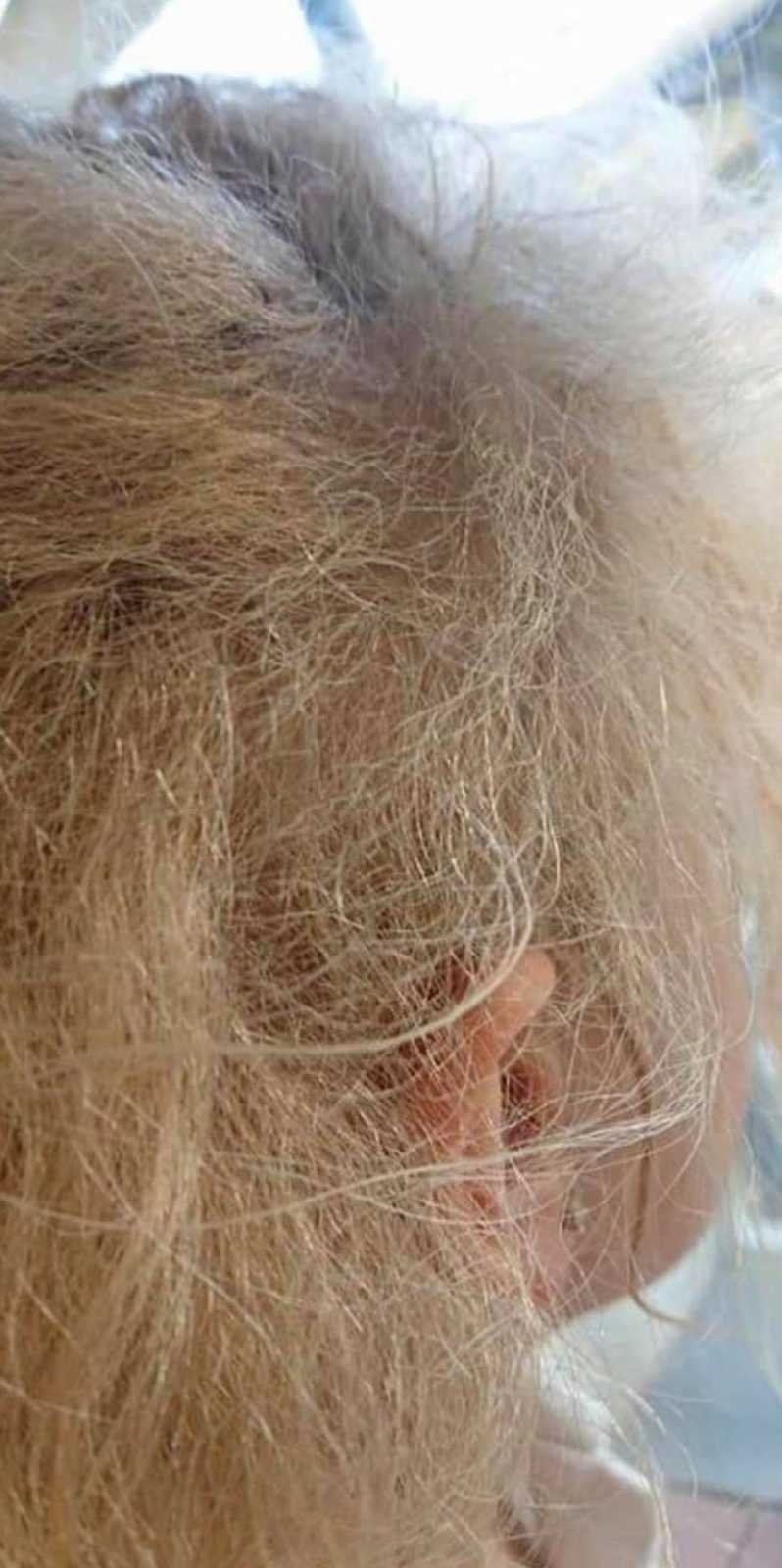
As she grew a little older, we realized that while her hair was growing outwards, the sides of her head had very little hair at all. The hair she did have became coarse, like wire wool, and would mat easily. It seemed her hair refused to grow past a certain length, though from the back, it appeared to form a v-shape. Slowly, her hair became harder and harder to manage. Every strand felt wiry, it fell out easily, and brushing it became a daily struggle. Someone at her dance school mentioned uncombable hair syndrome (UHS), but at the time, she was so young that I didn’t think much of it.
As Wynter continued to grow, her hair seemed to get bigger, wilder, and more untamable. Clumps would form, mats would develop, and it even became painful for her to brush. When she started dancing like her sisters, she had to wear hairpieces for competitions. These were often uncomfortable, leaving her scalp sore, and that’s when I really started searching for solutions. Even simple hairstyles for school were a challenge. Around this time, we jokingly nicknamed her “Chucky,” after the horror film doll, because her wild hair resembled the character. Though it was a funny nickname, Wynter embraced it wholeheartedly, and it stuck as a term of endearment.
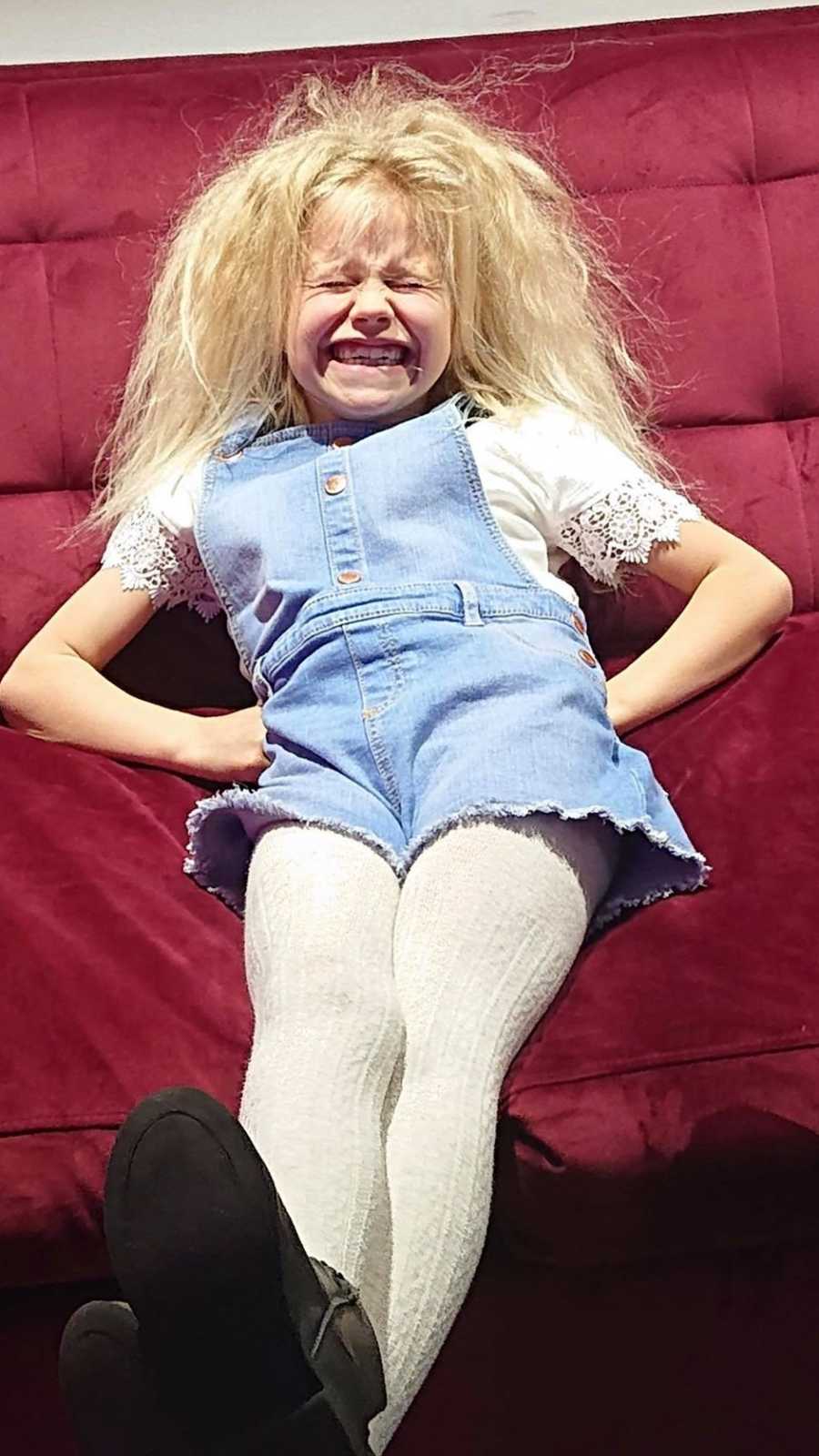
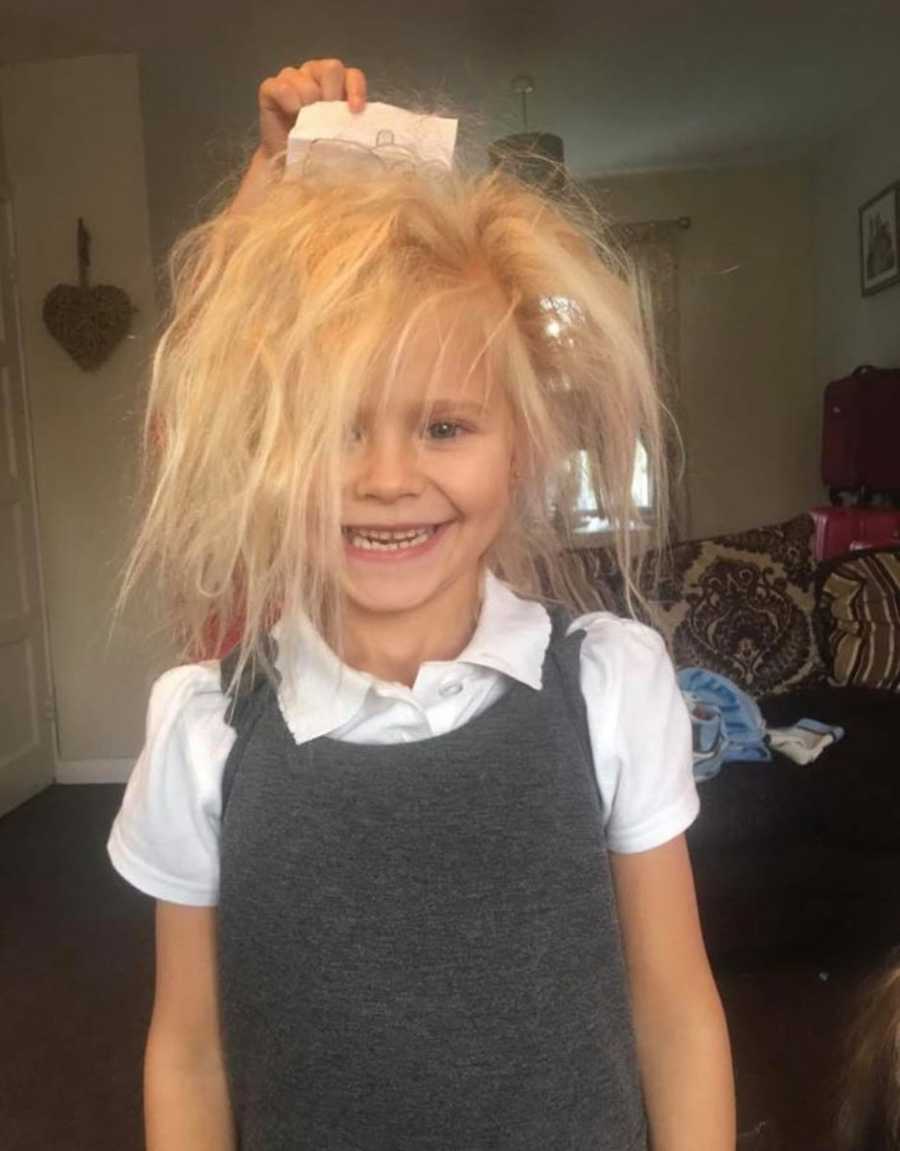
I tried countless hair products, even exploring Caribbean haircare options. Hairdressers were often stumped, offering oils and shampoos that helped a little, but nothing truly tamed her hair. Eventually, I came across uncombable hair syndrome online and immediately recognized the resemblance. After researching and consulting others, I felt certain Wynter had the condition. Once we accepted it as part of who she was, it became easier to navigate. People continued to comment on her hair, which only grew wilder with age, but Wynter never minded. She knew no different—her hair was part of her identity, and she embraced it fully.
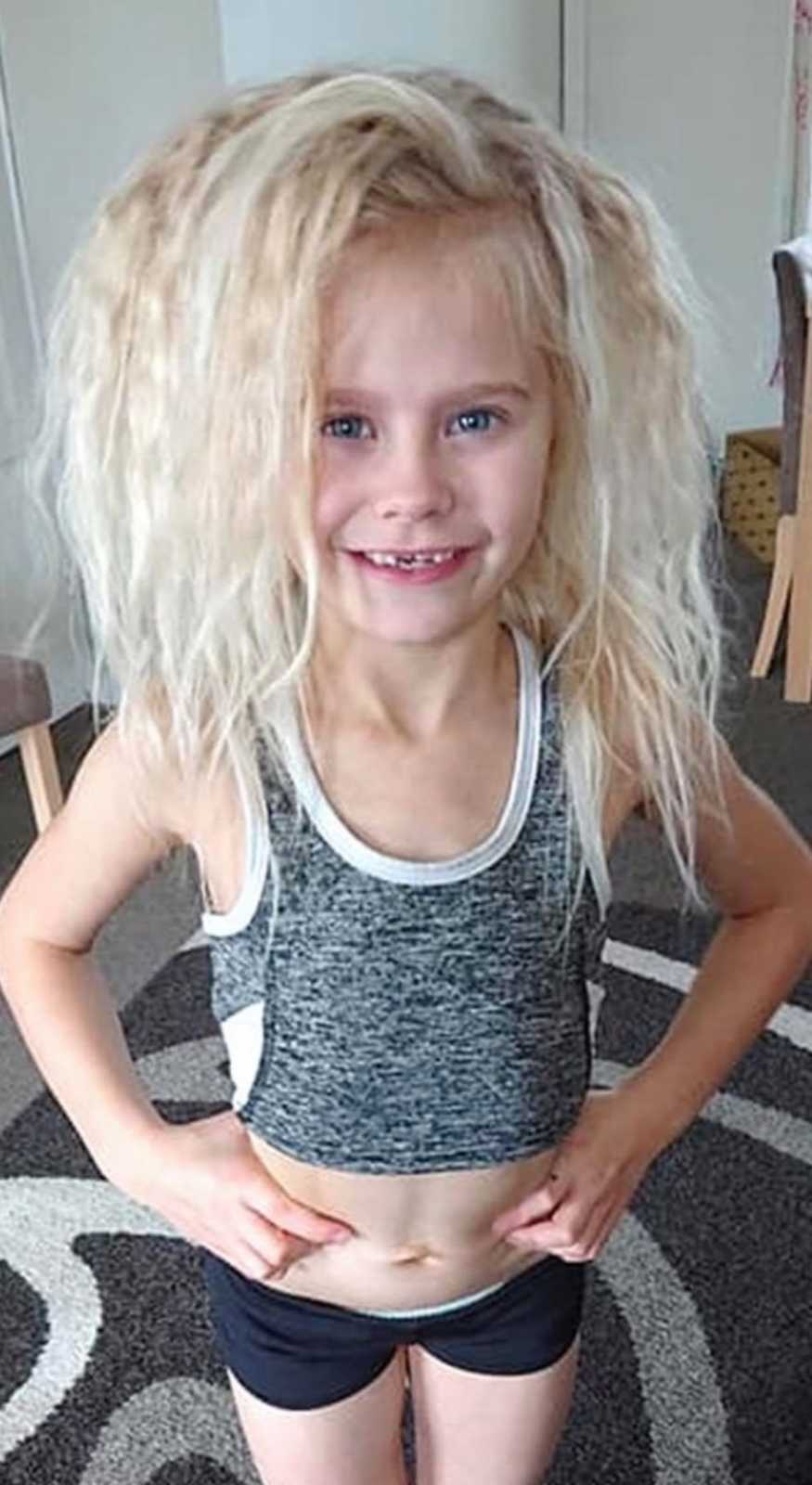
During a routine doctor visit, I mentioned Wynter’s hair to the physician. Initially unfamiliar with UHS, the doctor consulted colleagues and later confirmed that they believed Wynter had it. We joked that we had our very own “genius” in the house, especially after learning that Albert Einstein may have had the same condition. It was clear that Wynter was truly one of a kind.
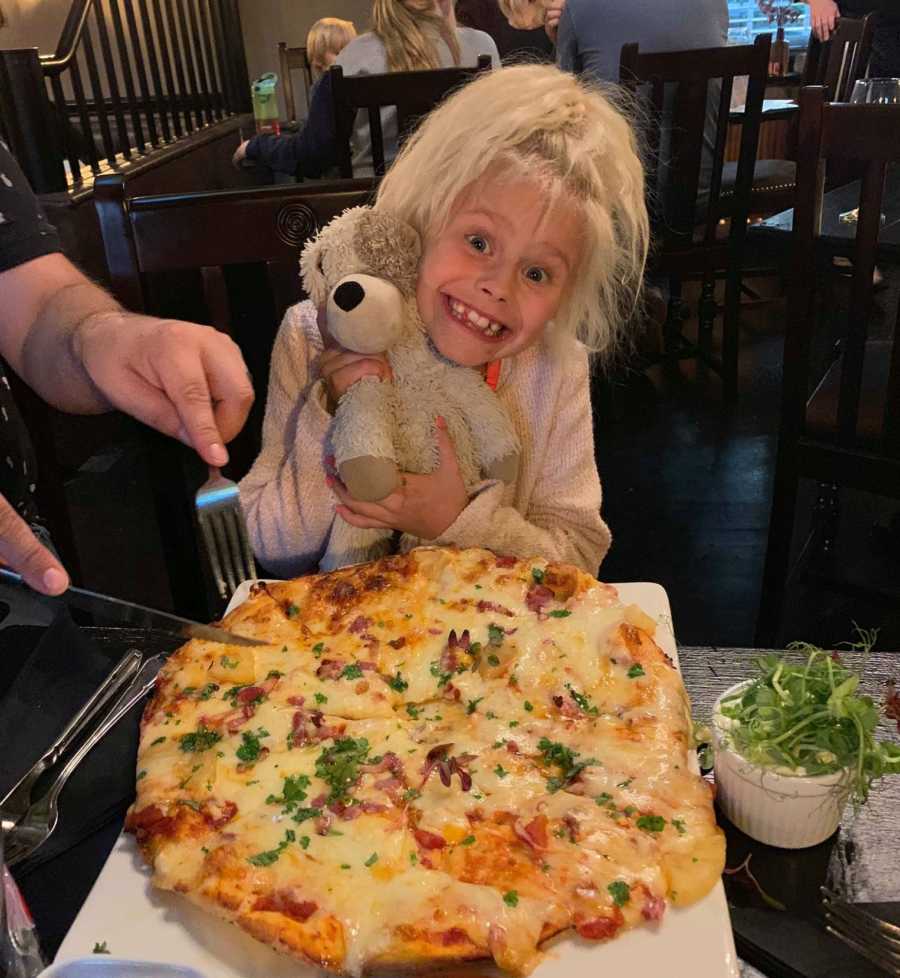
By the time she was seven, someone approached us to feature Wynter in a story due to her extraordinarily rare hair. She loved every moment of the attention. Soon after, we appeared on a UK TV show, This Morning, to raise awareness about UHS. The exposure not only educated others but also connected us with families whose children had the condition, as well as a geneticist conducting a study on UHS. While the syndrome isn’t an illness, studies suggest many children outgrow it by puberty—though not all do.
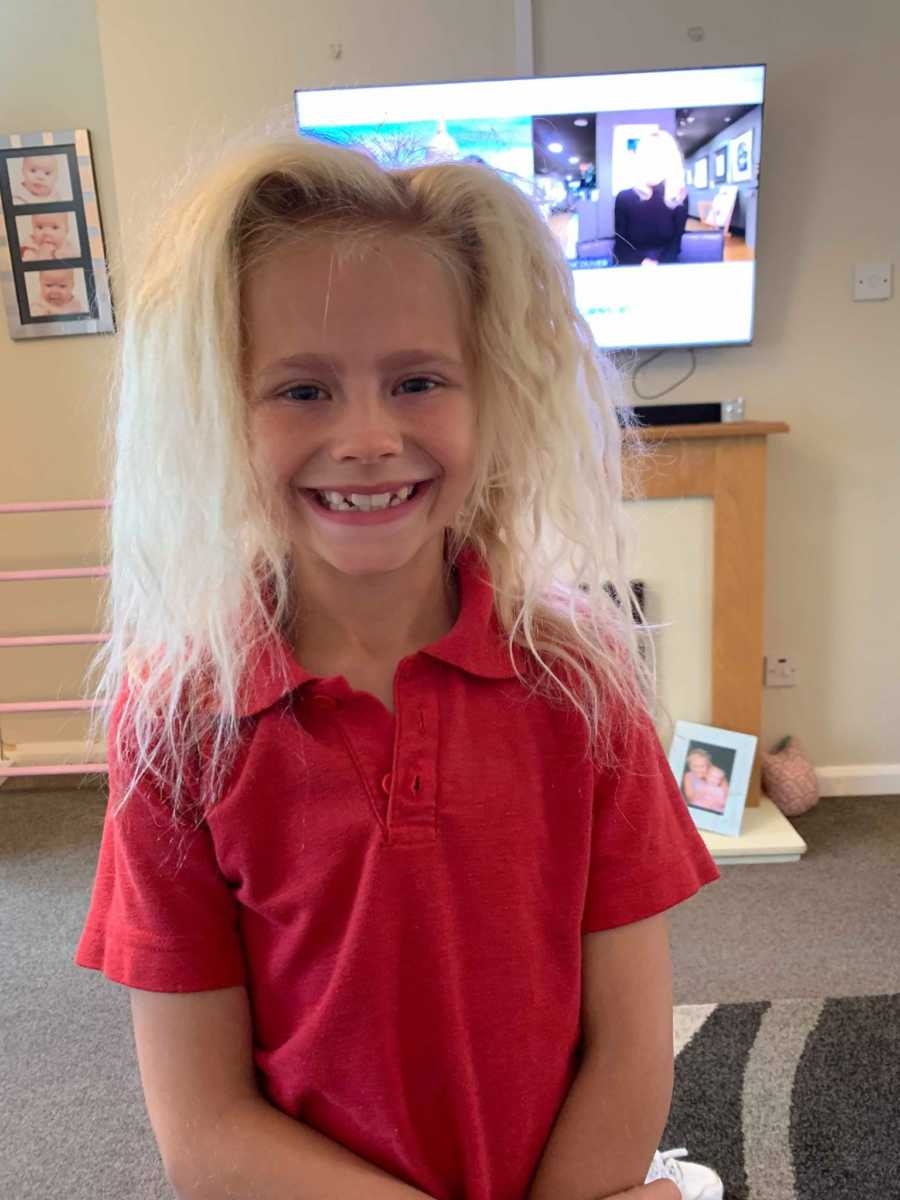
At first, I worried for Wynter, imagining her frustration as she got older, thinking, “How will she feel about this?” But if you know Wynter, you’d know that she absolutely adores her hair. She loves its wild, attention-grabbing nature, and she wouldn’t change a single strand. People sometimes worry about teasing, but in reality, no child has ever said anything negative. Adults and children alike are curious and impressed, and Wynter meets every interaction with confidence.
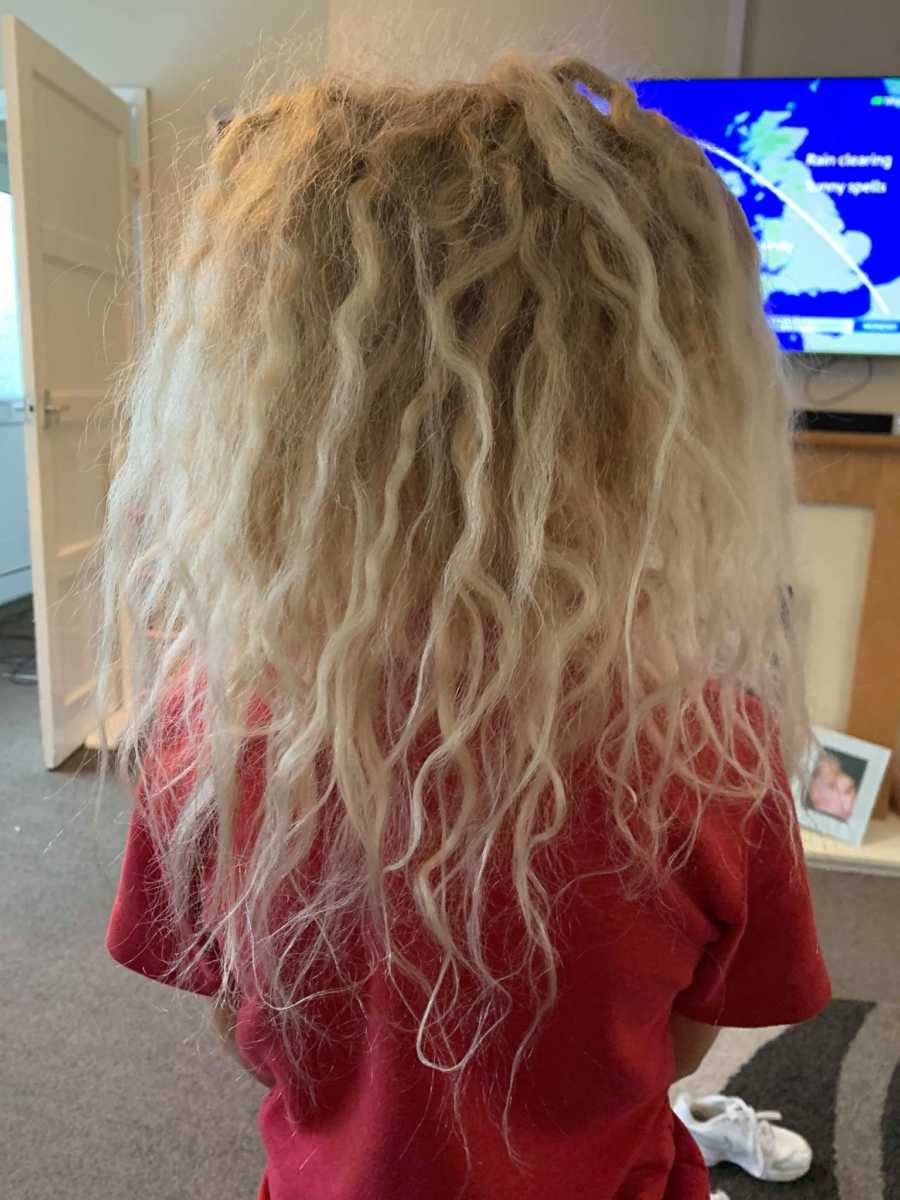
Her hair still looks as though it sparkles, the sides remain sparse and wool-like at the roots, and brushing it is still a challenge. The longer it grows, the more difficult it is to see the roots—the core of her hair challenges. There are different strains of UHS, so no two children’s hair is exactly alike. But in the end, Wynter’s uniqueness is something to celebrate. She wouldn’t change a thing, and neither would we. Raising awareness about her condition has been a joyful journey, and we are grateful every day for our special, extraordinary little girl.