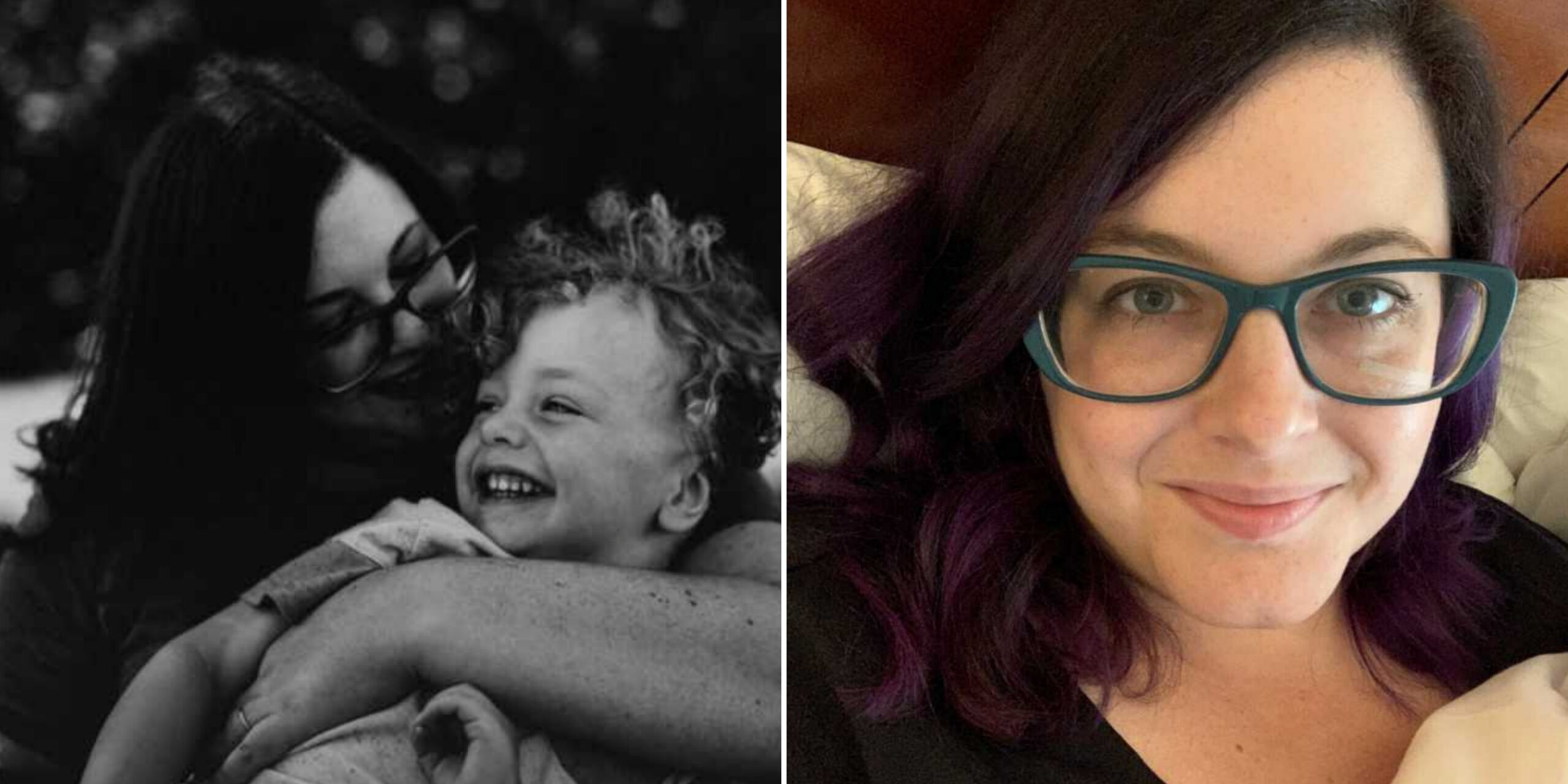
When I think about how far I’ve come, I sometimes can’t believe it. In the seven months since Albert’s death, I’ve grown and evolved into someone I barely recognize. And that isn’t meant as a judgment—neither positive nor negative. It’s simply true. I am different. I am the same. I am becoming the woman I was always meant to be. When tragedy strikes, it presents you with a thousand choices, and every day the decisions feel new. One day, I sat with a counselor who asked me a question that changed everything: “Would Albert want you to grieve with fear, or grieve with hope?” Without hesitation, I knew the answer. Albert would want me to grieve with hope. Hope—a word so small, yet so powerful, so polarizing, so transformative.
I remember sitting on that couch, tears streaming down my face, and feeling a fierce, urgent realization: I needed to live. I had every right to continue, every reason to find joy again. Albert’s death did not mean mine had to end too. That would have been the last thing he would want. Leaving the grief support house in my hometown, I felt a renewed sense of purpose. I couldn’t sit on the sidelines of life any longer. I got in my car, turned the music up, and drove. I cried, I laughed, I let myself be silent and reflective, focusing on the road ahead. My life was still mine, and hope was my compass.
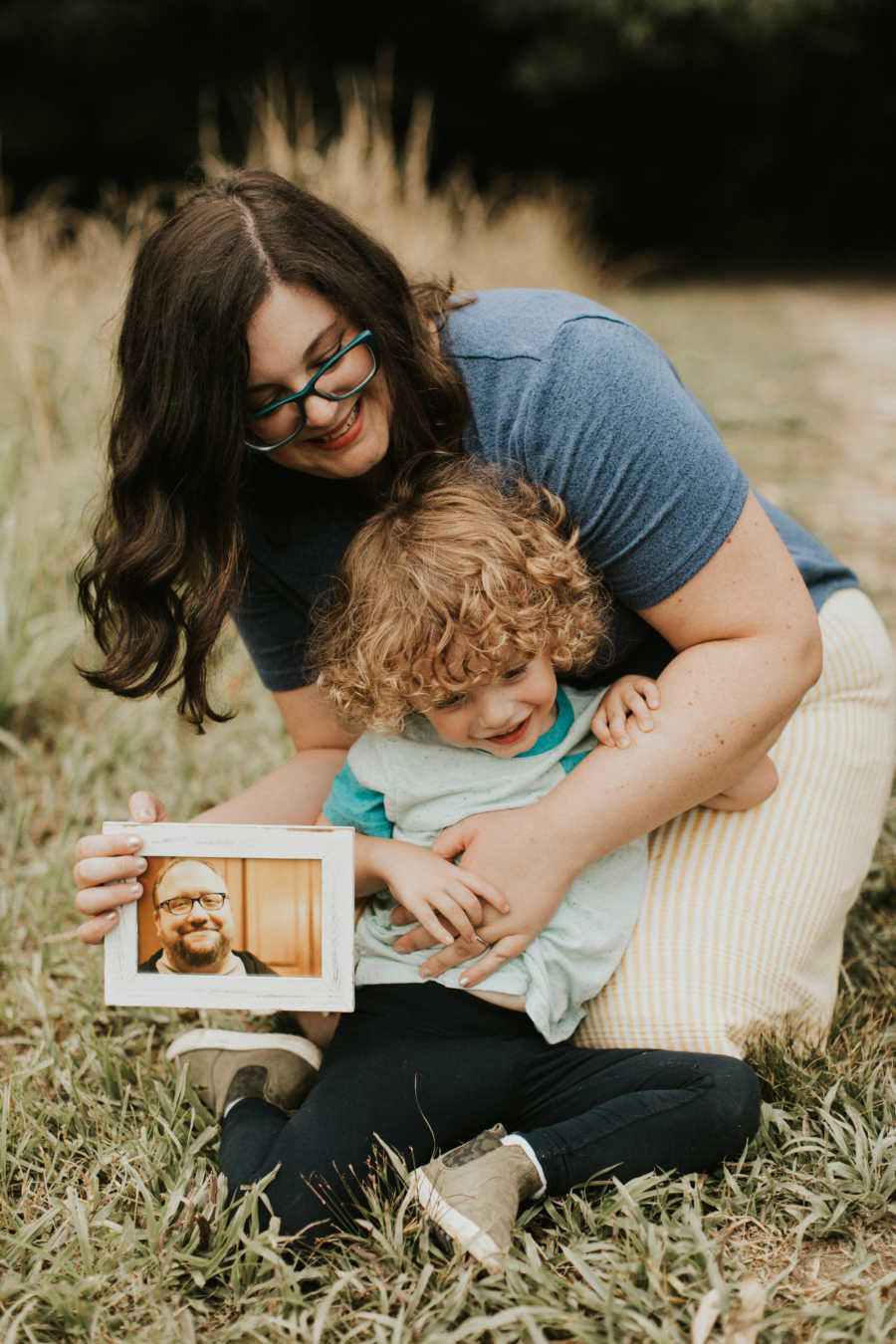
At 32, with a two-year-old son and a husband suddenly gone, life takes on a depth I could never have imagined. I’m rediscovering who I am, looking at myself with new eyes and a gentler understanding. I see the world differently now. When I notice a friend struggling, I reach out. When a stranger suffers, I offer a hand. I’ve realized that true happiness doesn’t come from what we possess—it comes from the connections we make, the ways we touch each other’s lives, and the courage to break through the walls society builds around grief, struggle, and what is “acceptable” to talk about.
Death, in all its forms—whether from illness, accident, addiction, or circumstances beyond our control—is tragic. It doesn’t matter how many lives it touches; every loss leaves ripples that echo for years. In these past months, I’ve had the humbling privilege of speaking with other young widows, women who have endured something no one should face at our age. Each story is unique, yet our hearts beat with the same pain. Their words speak of lost dreams, hopes torn apart, and the quiet longing for what could have been. The secondary losses—the small, daily things you never imagined you’d rely on someone else for—hit the hardest. Simple tasks, comforting routines, family stability—all gone. You break down, questioning God, questioning life, wondering if trust, love, and joy can ever be yours again.
And yet, amid the “should’ve, could’ve, and won’t” of grief, my heart whispers hope. Hope for the future. Hope to trust again. Hope to love again. Living in a world that constantly reminds me I am somehow “different” or “unworthy” doesn’t make it easier. Social media is full of reminders of the lives others are living—weddings, pregnancies, family vacations, fathers with their children. But rather than envy, I feel gratitude. I’ve known that joy, and it has shaped me. Those memories are mine forever. I see now that hope isn’t just a concept—it’s an action. It’s stepping into life despite fear. It’s meeting new people, exploring new places, daring to laugh, and allowing myself to be fully alive. And in doing so, I am discovering a freedom I never knew existed. I am finding myself in ways I thought impossible.
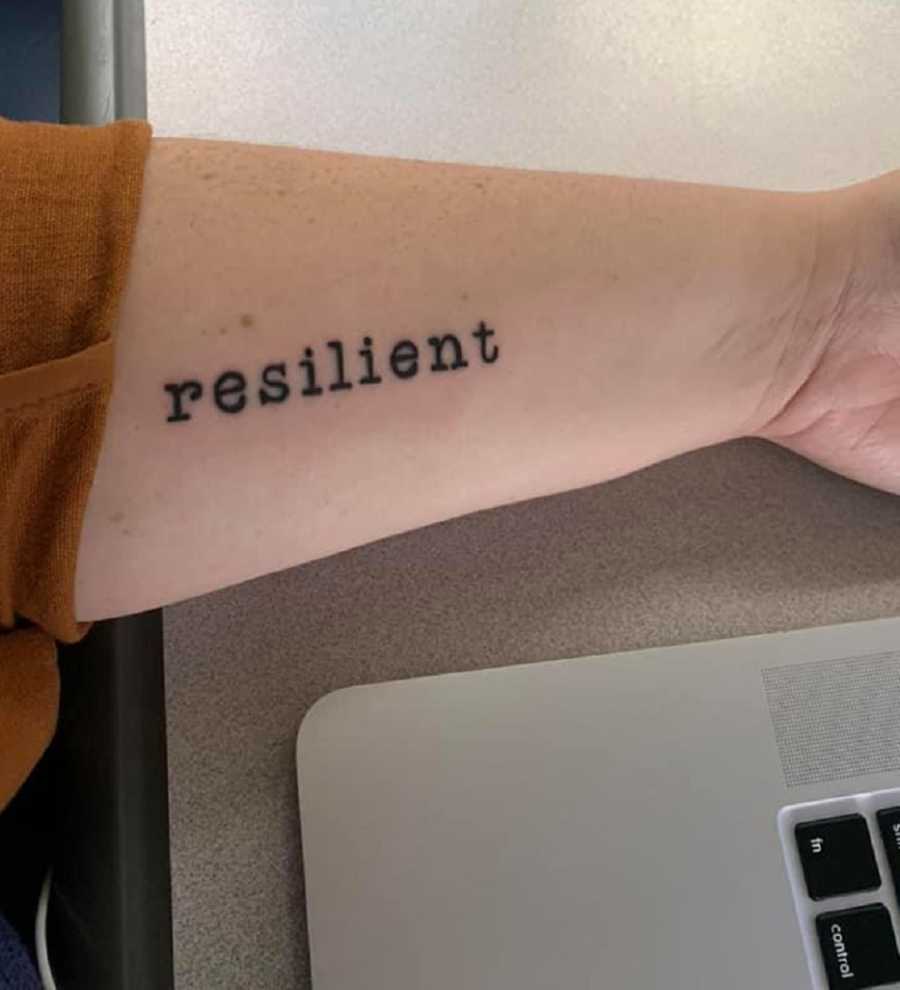
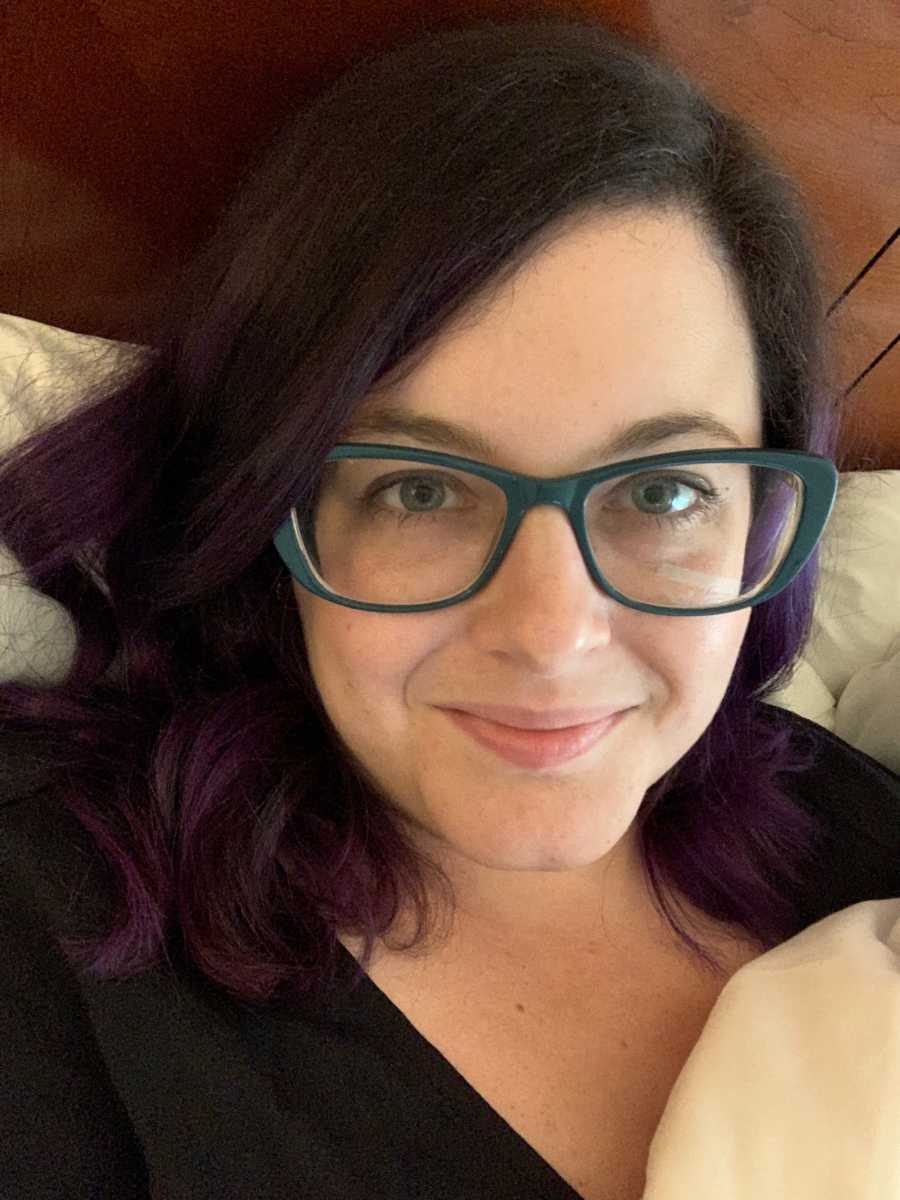
As I move forward into this wild, unpredictable unknown, I know I will not just survive—I will thrive. With the support of family and friends, I’ve been given the grace to grow, to make space for healing, and to step into new passions. I’ve begun pursuing doula certification, launched a podcast, hosted events for others navigating loss, and immersed myself in writing. I’m reconnecting with friends, rediscovering laughter, and embracing life fully. I’m cultivating a healthier lifestyle and, most importantly, learning to love myself. I am a work in progress, perfectly imperfect. I cherish the lines forming around my eyes, the subtle grays in my hair—they are proof of a life lived, of growth, of survival. While Albert will not age with me, I will. Each day, I become older, wiser, more resilient, and more beautiful—not in spite of my grief, but because of it.
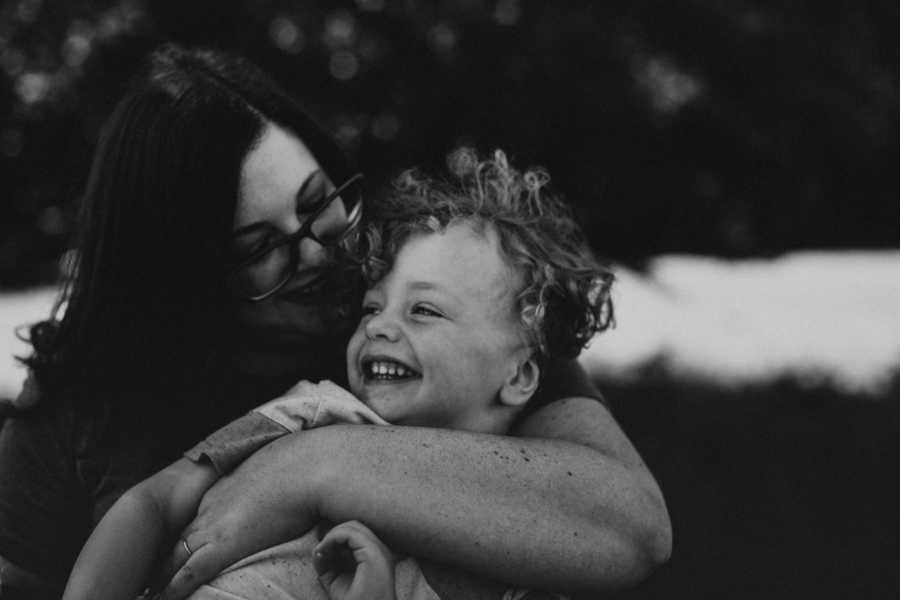
Watching your husband die before your eyes changes you forever. I know that intimately. I choose now to face the storm rather than hide from it. I ride the waves of grief, letting the sadness wash over me and then recede, allowing moments of joy to shine through. Grief never disappears completely—it leaves a small ache, a twinge of longing—but life also brings love, laughter, and beauty. I will always love Albert. I will always carry the weight of his absence. But I am learning to hold that ache lightly, to move forward with grace and courage. And in doing so, I see my future—bright, full, and limitless. I see hope. I see love. I see joy. I see me: whole, resilient, and deeply alive.