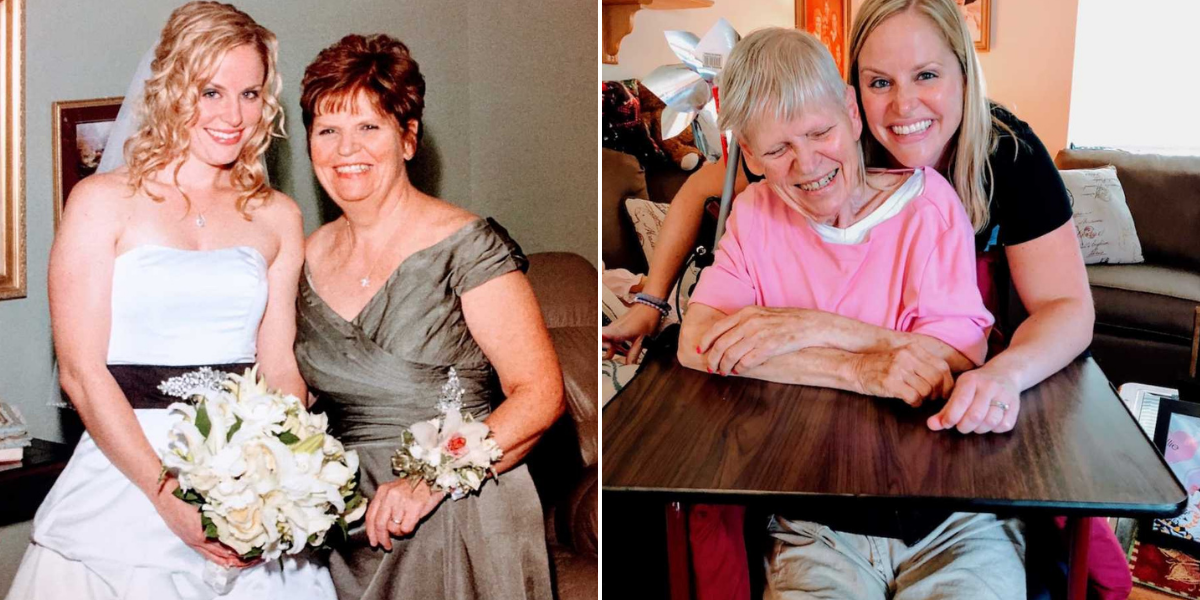
When I was 12 years old, my mom was diagnosed with breast cancer.
I was getting ready for basketball practice one evening when I overheard her whispering on the phone to my Aunt Diane. I couldn’t catch everything, but something felt wrong. She was clearly trying to hide it.
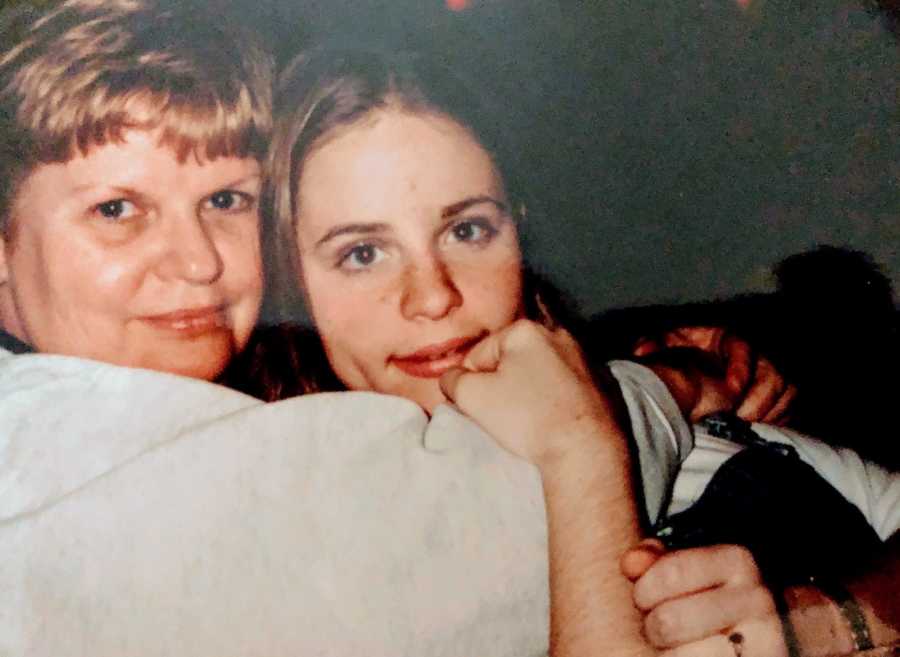
I asked her what she was talking about. Reluctantly, she told me she had found a lump in her breast and had been diagnosed with cancer. She would need surgery to remove it, followed by chemotherapy and radiation. She had waited to tell my sister and me until she knew the details, wanting to shield us from worry. That night, she didn’t want to ruin my basketball practice, so she tried to protect me.
I was stunned. Shocked. Terrified. The first thing I blurted out was whether she was going to die. She reassured me that they had caught it early and her prognosis was good, but fear didn’t leave me. Even as a 12-year-old, I felt the weight of it all.
Despite the news, I went to practice that night. And I didn’t tell a single soul about my mom’s diagnosis. I bottled it all up, shutting down emotionally as if nothing was happening. Not my friends, not my best friend—no one knew. Even when our school therapist pulled me out of class to talk, I stayed silent. Maybe I feared that saying it out loud would make it real. Maybe I was scared of losing my mom. I was too young to process it, too young to know what to say or how anyone else would respond. I didn’t want pity. I didn’t want attention. I just wanted to pretend life was normal.
I watched my mom endure surgery, chemotherapy, and radiation. I remember her throwing up in the bathroom, losing her hair, and buying a prosthetic and a special bra to hide the fact that half of her breast had been removed. I carried all of that pain quietly, alone.
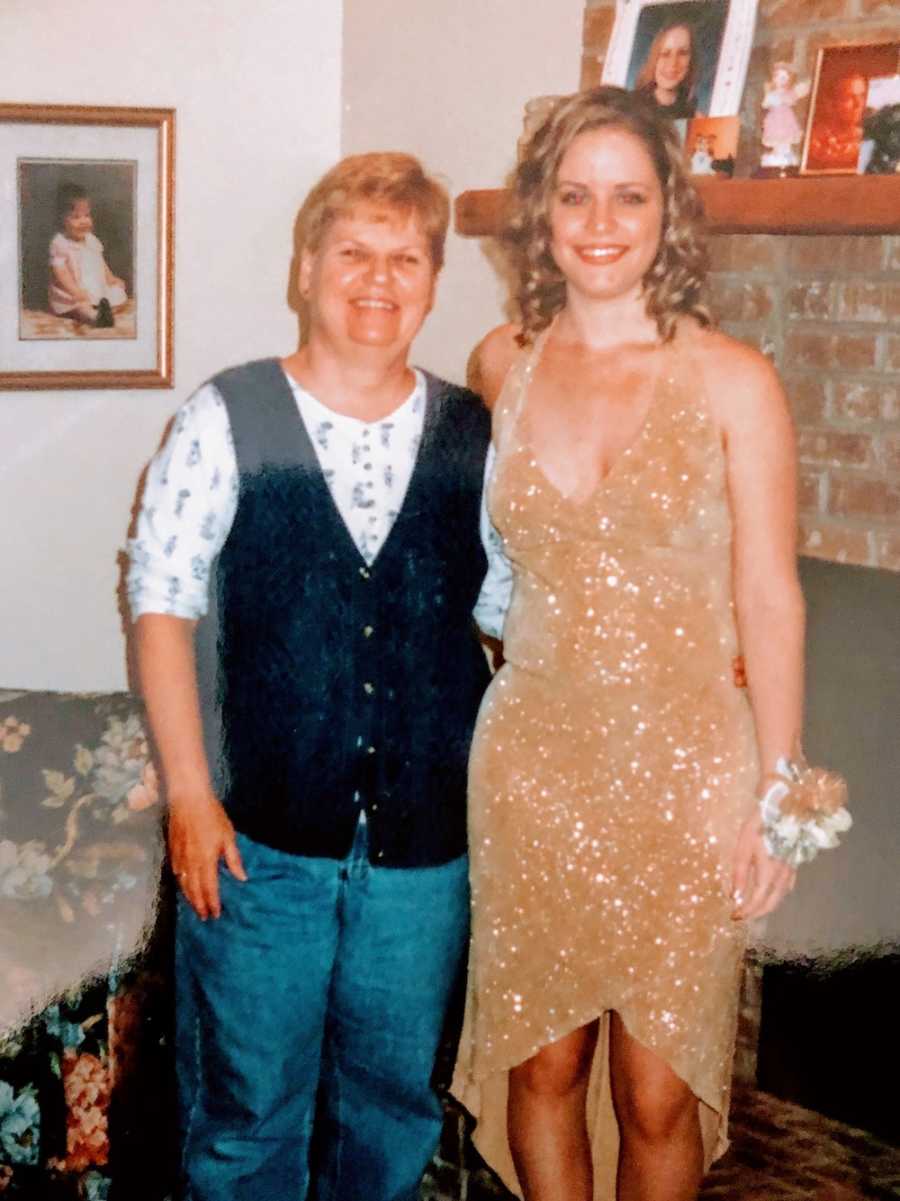
Fast forward thirteen years.
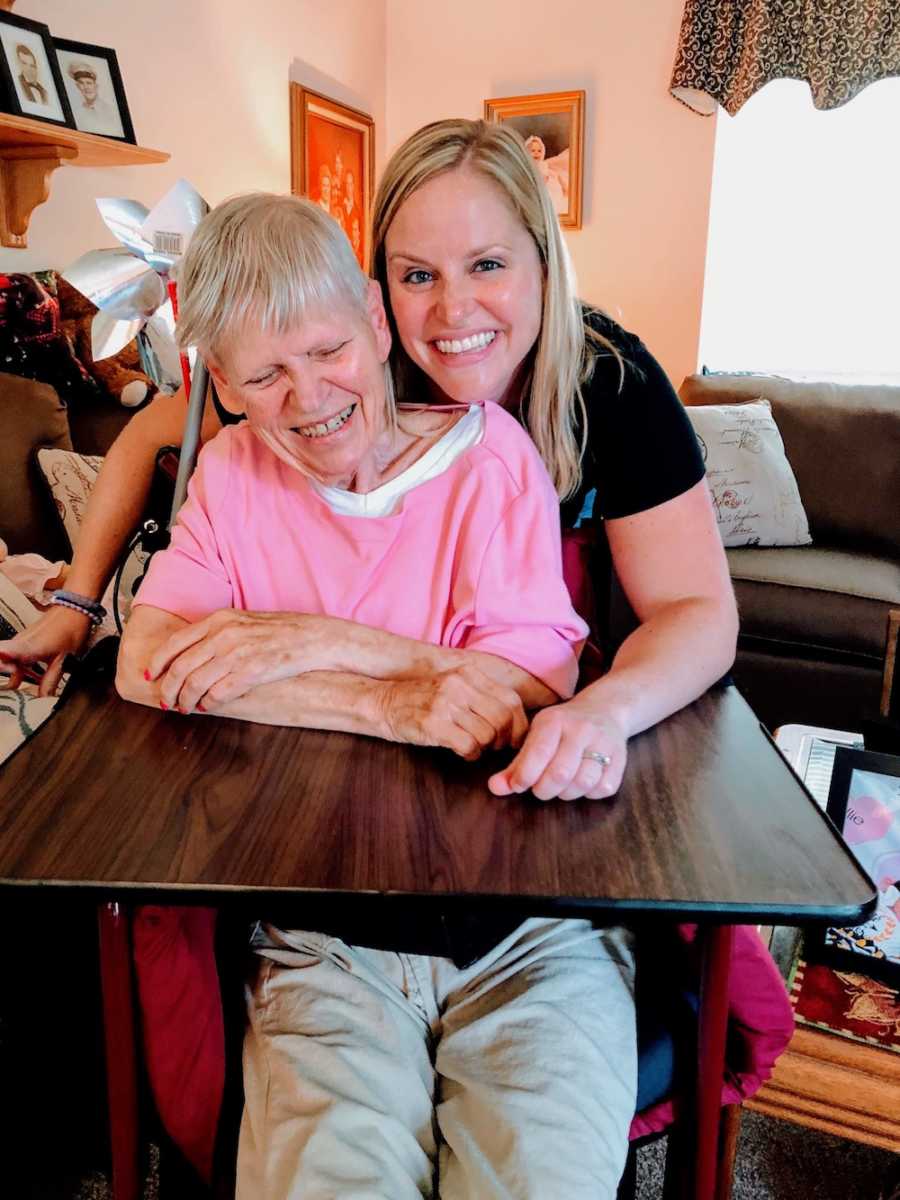
When I was 25, my mom was diagnosed with Alzheimer’s. This time, my sister and I had pushed our parents to see a doctor because something was clearly wrong, but knowing the truth didn’t make it any easier. I’ll never forget the day my mom called me while I was at work, telling me she had Alzheimer’s.
My reaction was eerily familiar. I didn’t ask if she was going to die; I already knew the answer. I told my fiancé and my best friend, but very few others. Some friends eventually found out indirectly, but for years, most people didn’t know. I tried to pretend everything was normal, even as I planned my wedding.
Once again, I stayed silent. Maybe I feared that speaking the truth would make it all too real. Maybe I was scared of losing my mom. I was 25, but in many ways still unprepared to process such profound loss. I didn’t want to make anyone uncomfortable or invite pity. I thought I had to bear it alone.
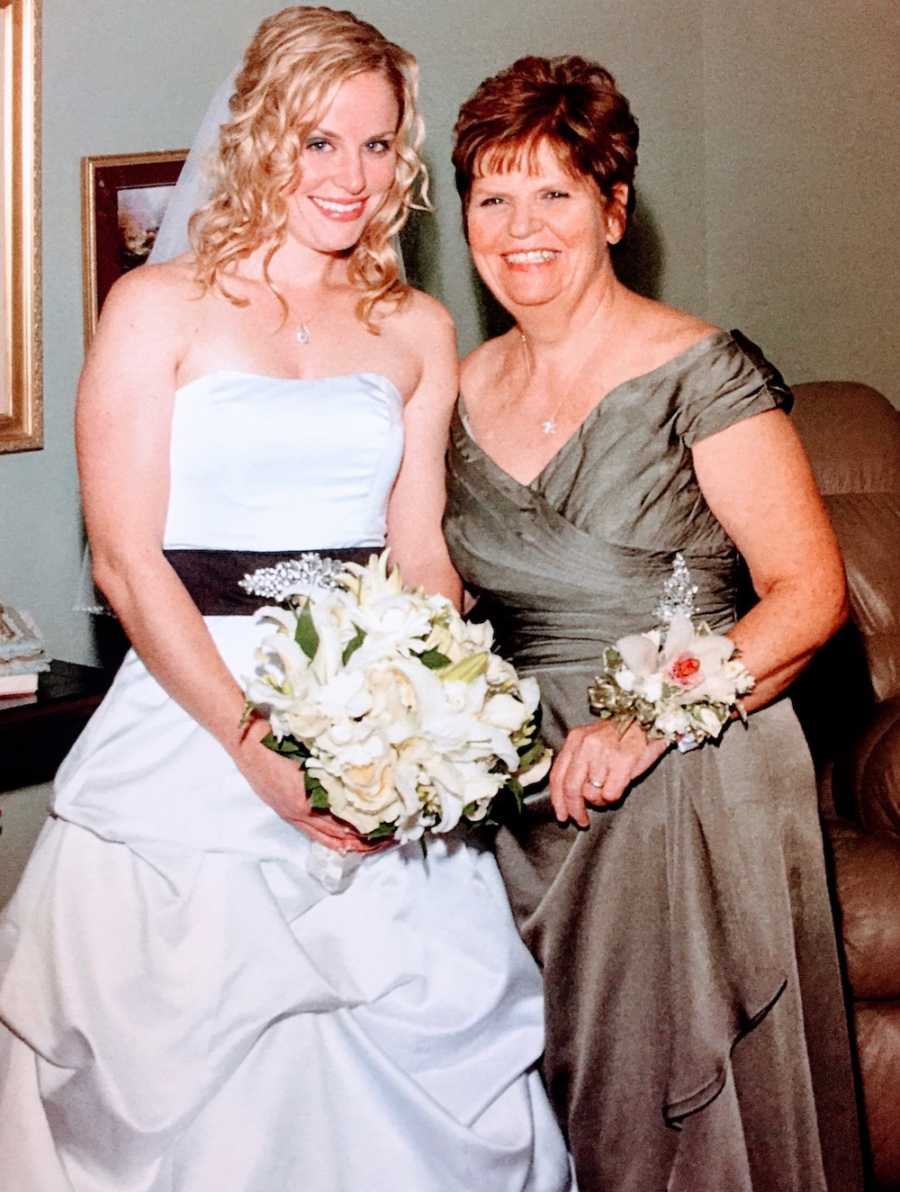
It wasn’t until about three years after her diagnosis that I finally began to share my story. Slowly, I started telling people what my family and I had gone through. A year later, I began writing my blog. Two years after that, I self-published my book. And in those moments, I began to feel lighter.
I connected with people my age who were navigating similar struggles. We shared our stories, our pain, and our resilience. By speaking out, we realized we weren’t alone. We formed a bond—a community of people none of us ever wanted to join but who understood each other deeply.
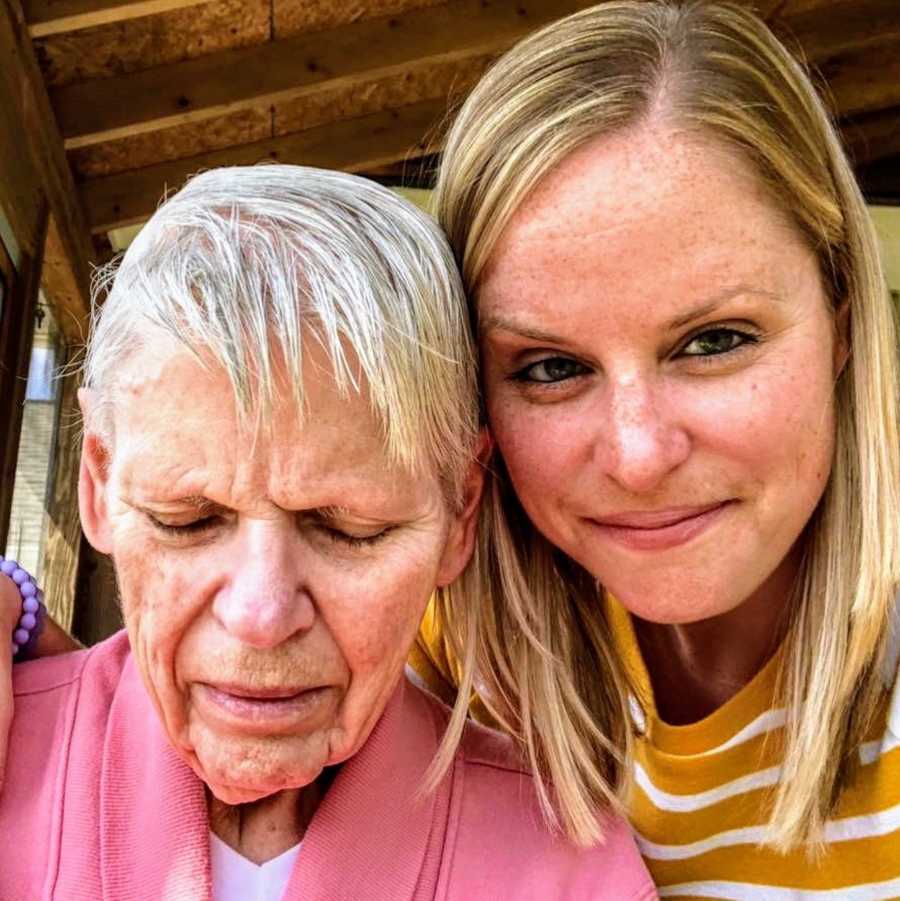
You don’t have to walk this road alone. You don’t have to suffer in silence. Carrying the weight alone doesn’t earn you strength—it can magnify the pain. Your struggles don’t make you weak; they make you human. And having the courage to share them makes you stronger than you ever imagined.