Motherhood was never a simple or obvious path for me. For much of my life, having children didn’t feel like part of my story at all. I thought I was too selfish to be a mother. I didn’t believe I had a maternal instinct. But as I grew older, life taught me some difficult lessons, and my heart slowly began to ache for something more. After experiencing two early miscarriages in 2012 and 2013, I was consumed by guilt. I felt as though the universe was punishing me. I blamed myself for those losses, convinced that my earlier doubts about wanting children were the reason my babies had died. Eventually, I learned to release that guilt, and with cautious hope, I decided to try again.
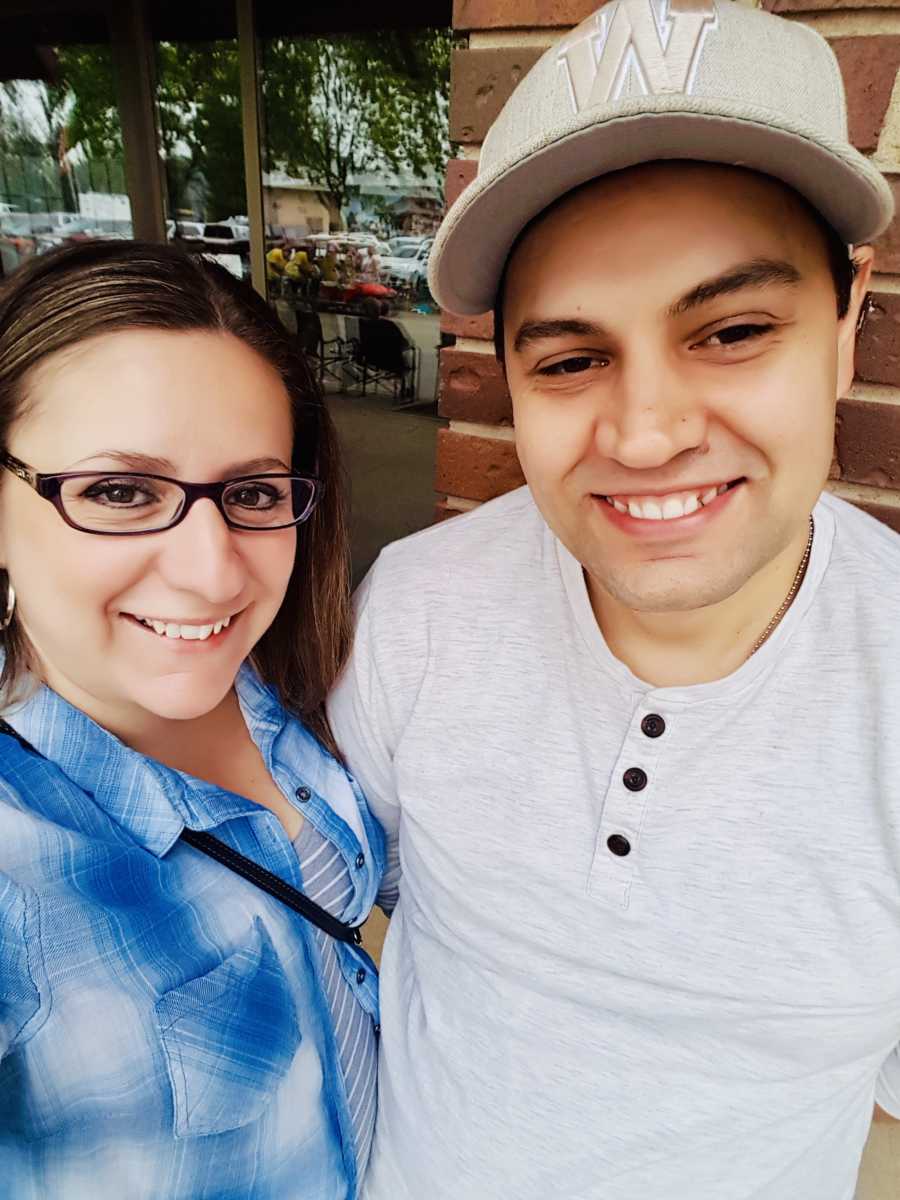
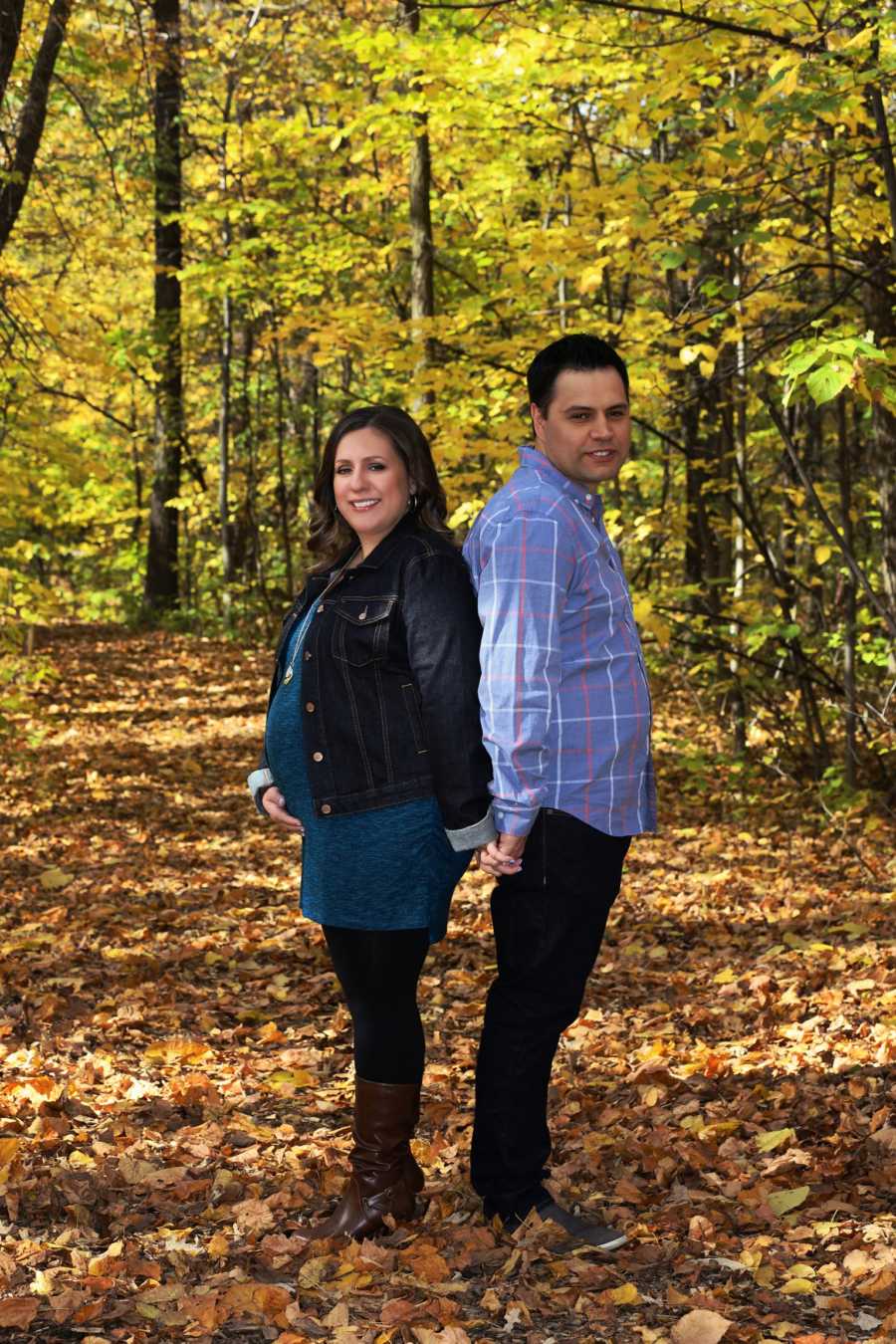
In early 2016, I found out I was pregnant. This had to be it—third time’s the charm, right? My pregnancy was wonderfully uneventful at first. I didn’t gain much weight, I had no morning sickness, and overall, I felt great. Everything seemed normal until we reached the 20-week anatomy scan. My husband couldn’t attend the appointment, but I didn’t think much of it. The scan felt like a routine formality, mostly to confirm the baby’s gender. My mom came with me, and we sat laughing and chatting while watching the screen. The ultrasound tech commented on how active and busy the baby was. Then, without warning, the atmosphere shifted. The room grew quiet. The tech stopped making eye contact, and I noticed tears forming in her eyes. After what felt like an eternity, a doctor entered the room and said seven words that changed my life forever: “There’s something wrong with the baby’s heart.” Fear, disbelief, sadness, guilt, and blame all collided at once. I had made it past the 12-week “safe zone.” Nothing was supposed to go wrong now.
A week later, we met with a genetic counselor named Charity—her name is one I will never forget. She carefully explained every possible condition they suspected our baby might have. She asked detailed questions about family illnesses, unexplained deaths, and babies who had passed away shortly before or after birth. The weight of it all was overwhelming, and I fought back tears the entire time. Then Charity gently told us that our baby would likely die. At the very end of the appointment, she added, “Oh, and congratulations on your baby.” Those words shattered me. Congratulations? On a baby you just told me is going to die? I ran out of the room. The moment the elevator doors closed, I collapsed into hysterics. I couldn’t breathe, think, or speak. Why was this happening? What had our child done to deserve this? Hadn’t we already endured enough loss? Later that day, we learned our baby was a boy. He was officially diagnosed with a severe congenital heart defect called Hypoplastic Left Heart Syndrome (HLHS), meaning he would be born with only half a functioning heart. We were given three choices: terminate the pregnancy, carry him to term and attempt three heart surgeries with the possibility of a future transplant, or bring him into the world and simply wait for him to die.
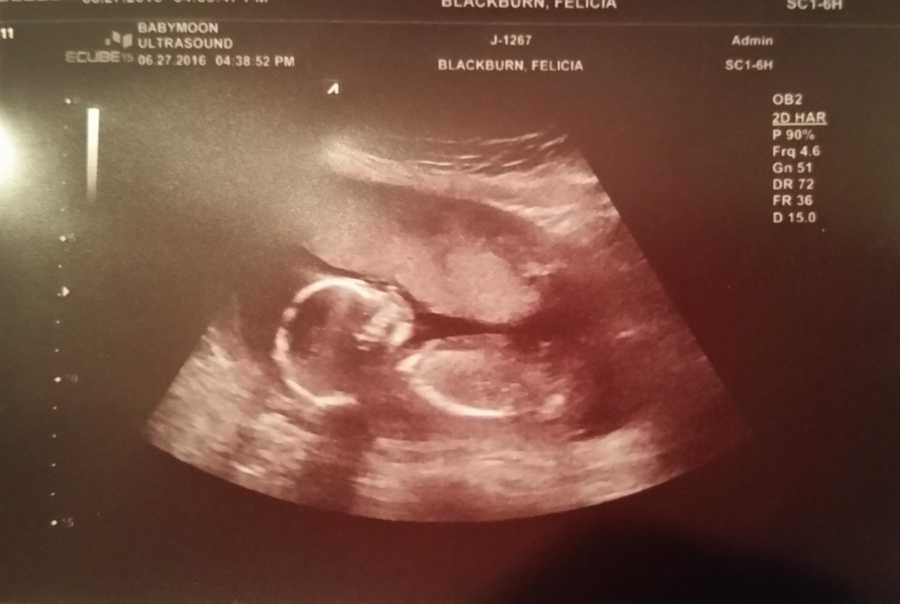
Ending the pregnancy was never an option for me. I clung to the hope that the doctors could be wrong. I couldn’t imagine watching my son die without giving him every possible chance. So we chose to plan for surgery. The doctors told us his chances of surviving the first surgery were high, and if successful, he could live a relatively normal life—just with more doctor visits than most children. Aside from frequent appointments with a pediatric cardiologist, the rest of my pregnancy continued normally. Our son grew and developed as expected. Despite everything, his broken heart continued to beat.
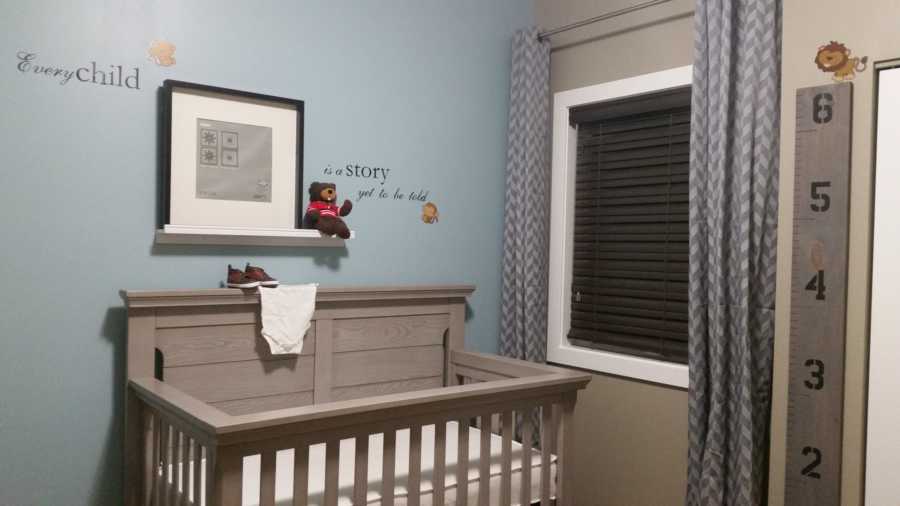
We prepared for his arrival the way any parents would. We planned to travel to Edmonton after his birth so he could have his first surgery. We finished the nursery and hung a quote on the wall behind the crib that read, “Every child is a story yet to be told.” We bought a car seat. We made plans. We cried. We prayed endlessly for a miracle.
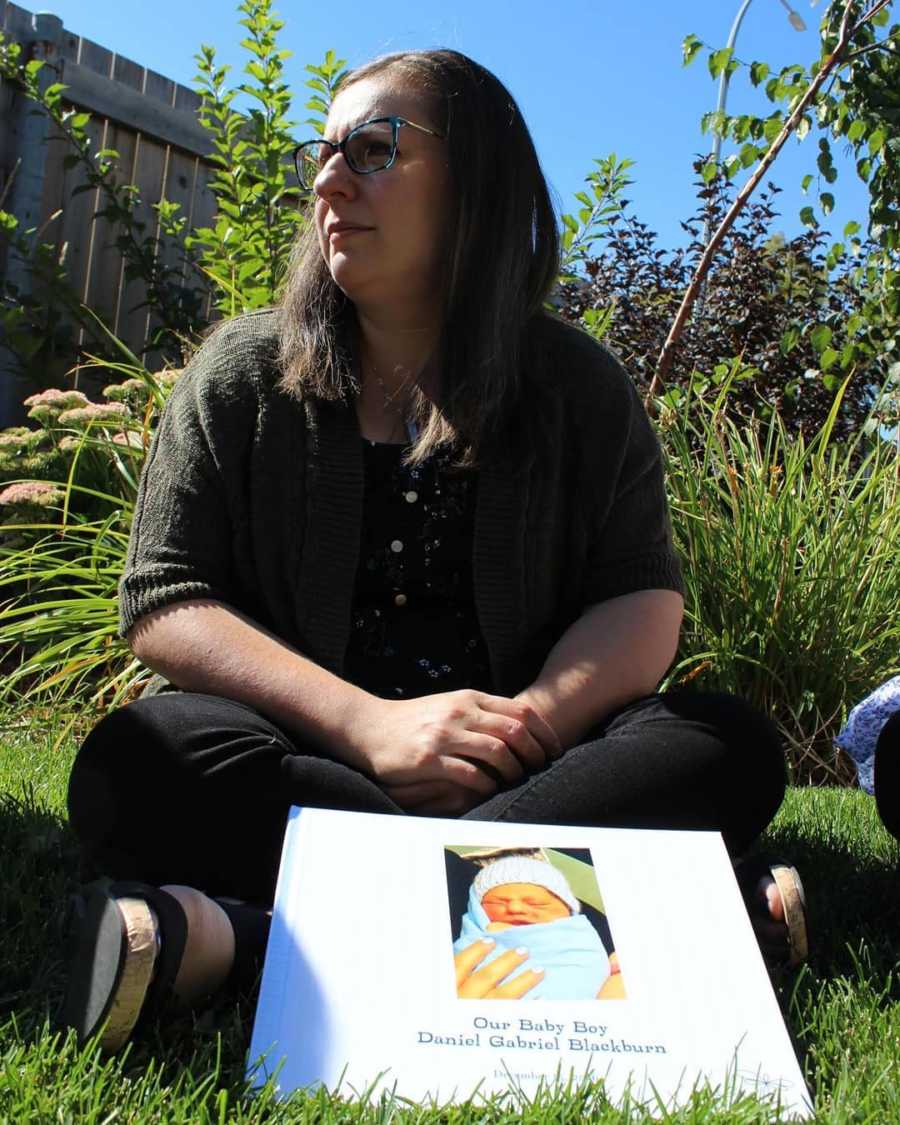
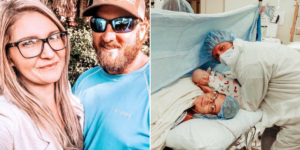
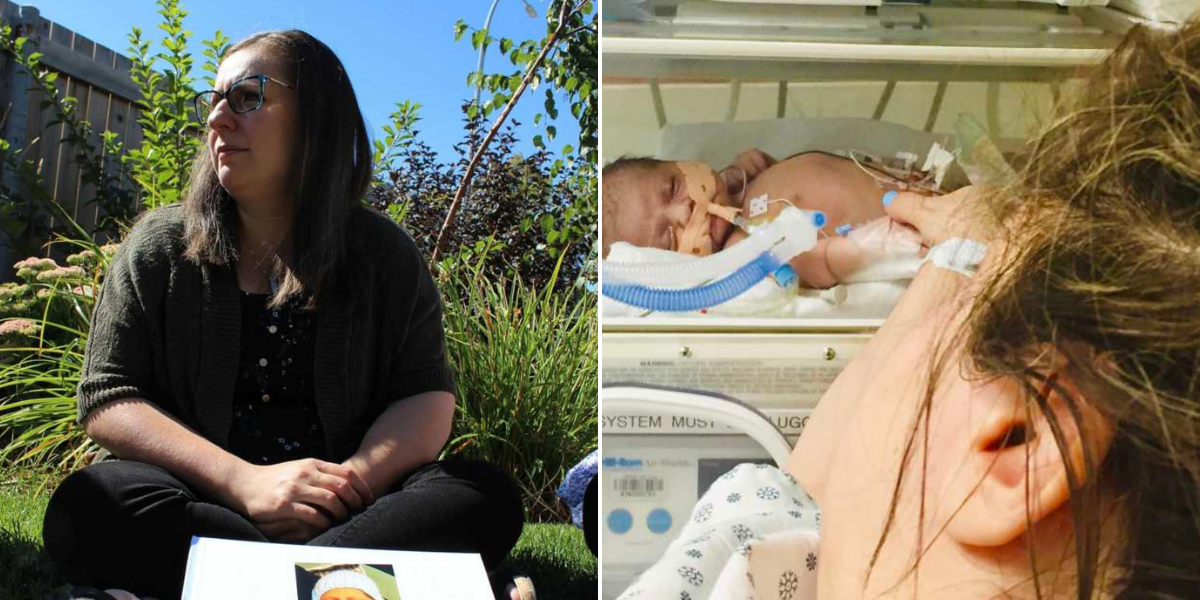
On December 15, 2016, after 17 hours of labor, our son, Daniel Gabriel, was born via emergency C-section at 42 weeks gestation. During labor, his heart rate suddenly dropped, and he was born unconscious. Doctors worked quickly to stabilize him, and three hours later, I was finally wheeled in to meet him face to face. He was absolutely beautiful. He had a head full of dark, curly hair like mine, my nose, and his dad’s forehead. He was small, but perfect. Although he was surrounded by wires and machines, he looked just like any other newborn baby.
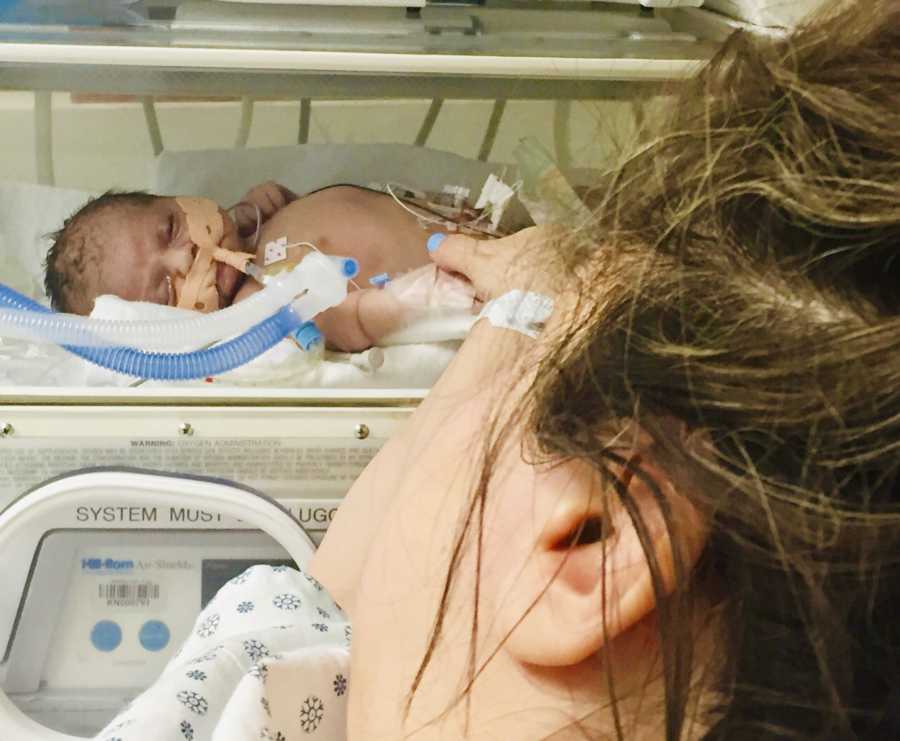
We were able to hold Daniel for the first time about 24 hours after his birth. When his dad held him, Daniel opened his eyes—deep, dark grey eyes that seemed wise beyond his time. Holding him felt strange and surreal. It felt as though a part of me was missing, even though he was right there in my arms.
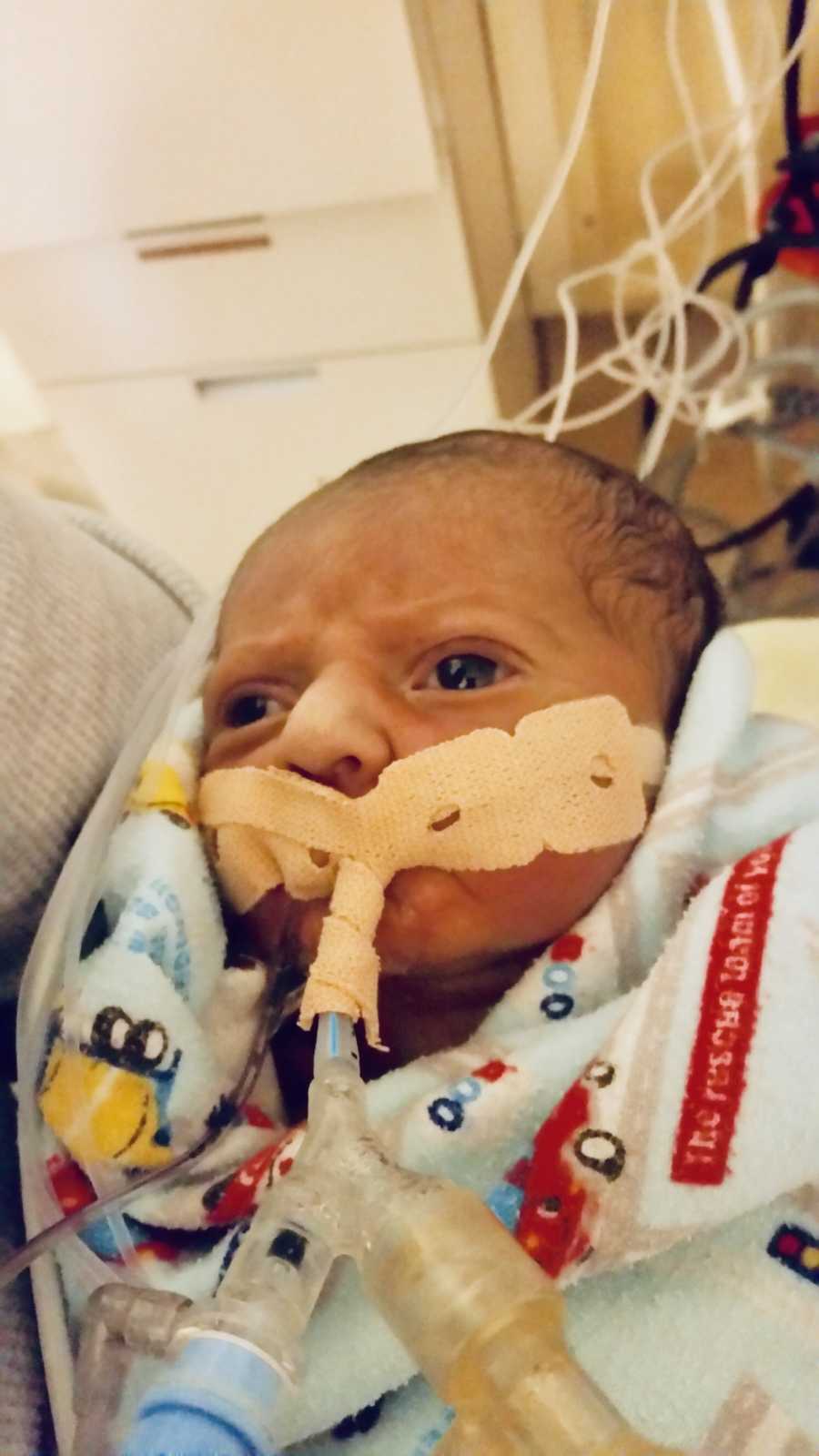
After further evaluation of Daniel’s heart and taking into account the trauma of his birth, we were told devastating news: surgery was no longer an option. Daniel was too sick. In addition to HLHS, he also had Total Anomalous Pulmonary Venous Return (TAPVR), a condition in which the veins that carry oxygen-rich blood from the lungs are improperly connected to the heart. There was nothing more that could be done. The only option left was to make him comfortable and wait for him to die. I felt frozen, unable to think or breathe, as though I were watching his life unfold in a dream.
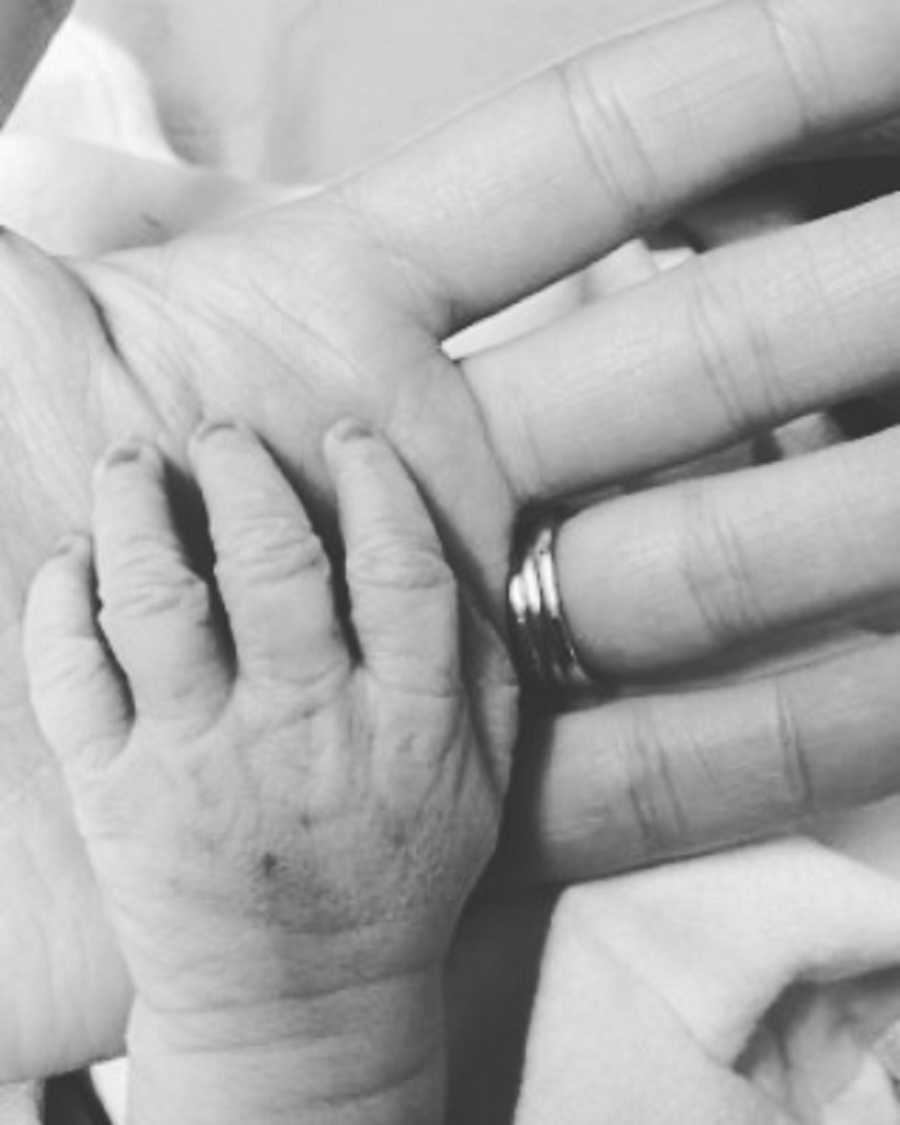
On the morning of December 16, we rushed to the NICU after trying unsuccessfully to rest. When we entered, the room was filled with doctors, nurses, and specialists. A priest had been called to baptize Daniel. I knew time was slipping away. My husband held me as we watched our son receive his baptism. Daniel didn’t move, didn’t open his eyes, and didn’t make a sound. We called our families.
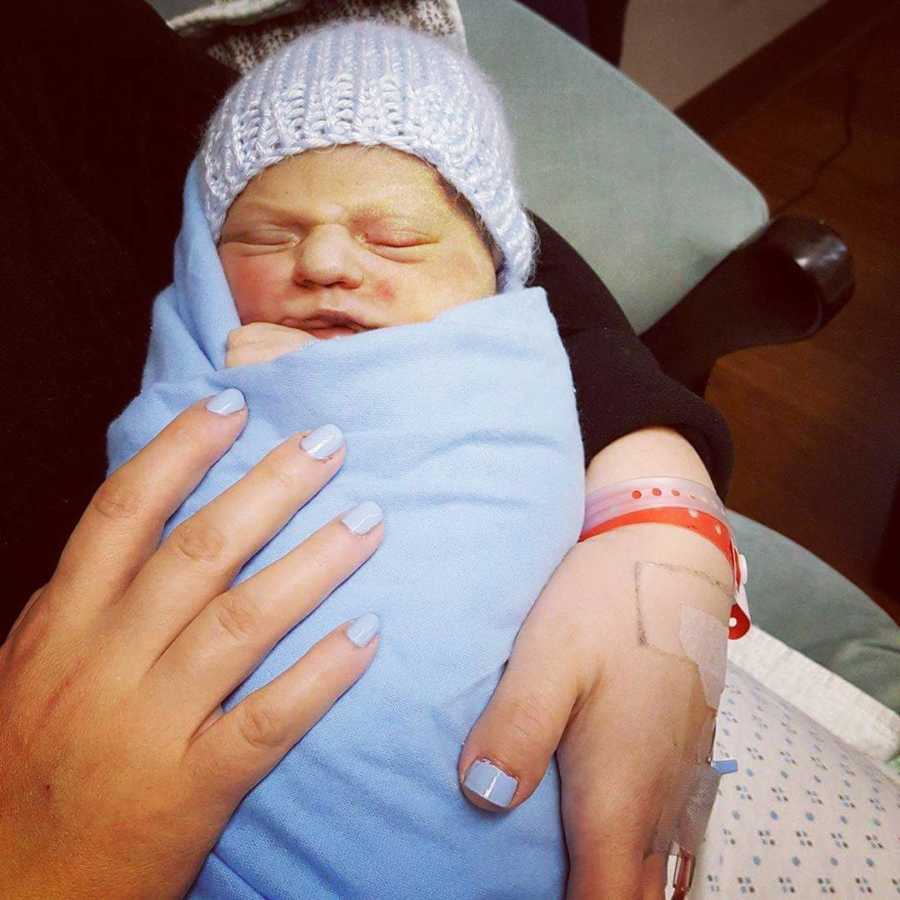
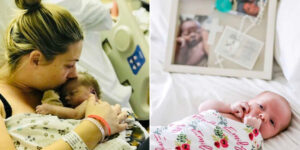
After more than a day, I was finally able to hold Daniel without any tubes or wires attached. He felt impossibly light and fragile in my arms. I focused on memorizing every detail of his face. We took photos, and he met family members. Strangely, I couldn’t cry. One single tear fell from my eye onto his face. I now know I was in shock. I felt nothing at all. Thirty-three hours after he was born, Daniel passed away in my arms. As quickly as he came into this world, he was gone. We left him too soon, and we never took a single video. If I could change anything about those two days—aside from the obvious—it would be that.
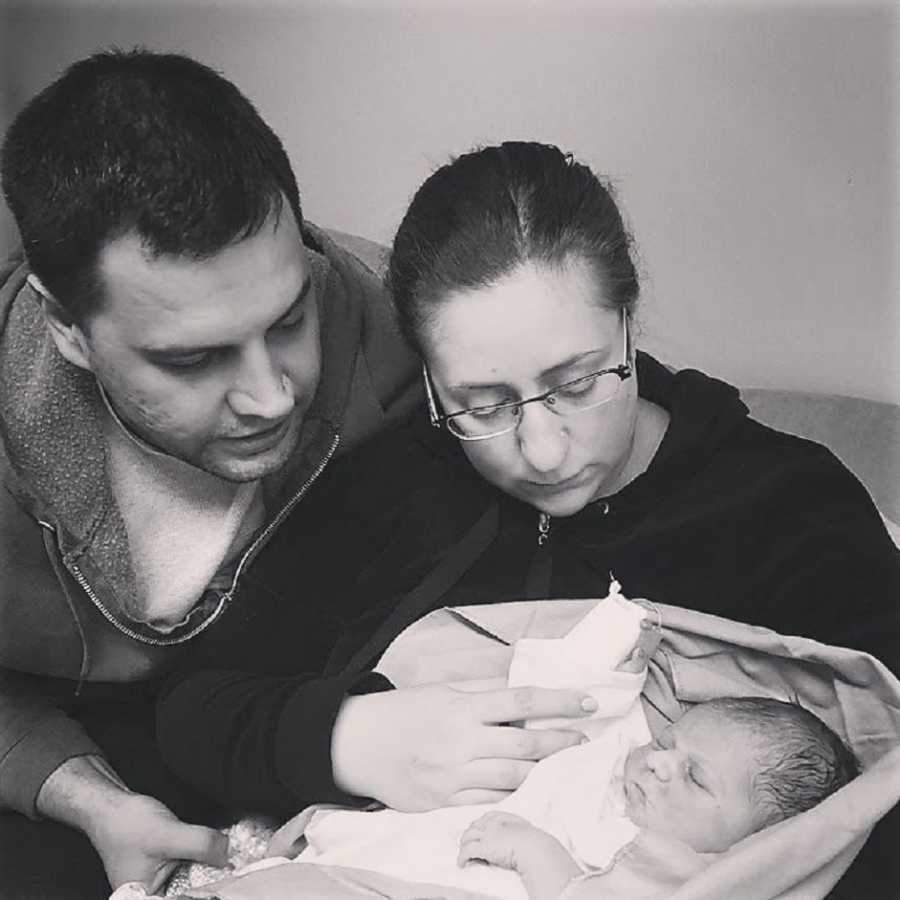
Keeping Daniel’s memory alive has become my purpose. Sharing his story gives me a reason to speak his name and gives me strength to face each new day. His short life forever changed mine. We’ve made donations in his honor, performed random acts of kindness in his name, and helped other heart babies. None of it will bring him back, but it allows me to pour the love I still have for him into something meaningful. It keeps him real and present in my life, and to me, that is worth everything. Life will always be filled with “what ifs” and “whys,” but as long as I live, so will Daniel’s memory.
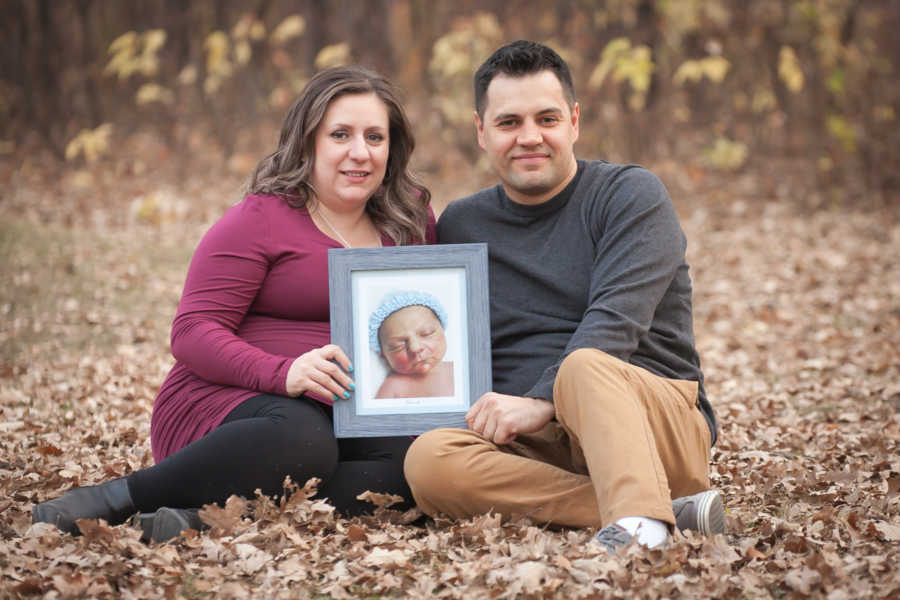
At Daniel’s memorial service, the officiant shared a story called Waterbugs and Dragonflies. The dragonfly became my symbol for Daniel because of the promise it represents.
“The next one of us who climbs up the lily stalk will come back and tell where he or she went and why.” Without thinking, the dragonfly darted upward. He hit the surface of the water and bounced away. Now transformed, he could no longer return. “I can’t go back,” he said sadly. “Even if I could, they wouldn’t recognize me in my new form.” So he decided to wait until the others became dragonflies too—until they could understand where he went.
And with that, the dragonfly flew off into a beautiful new world of sunlight and air.