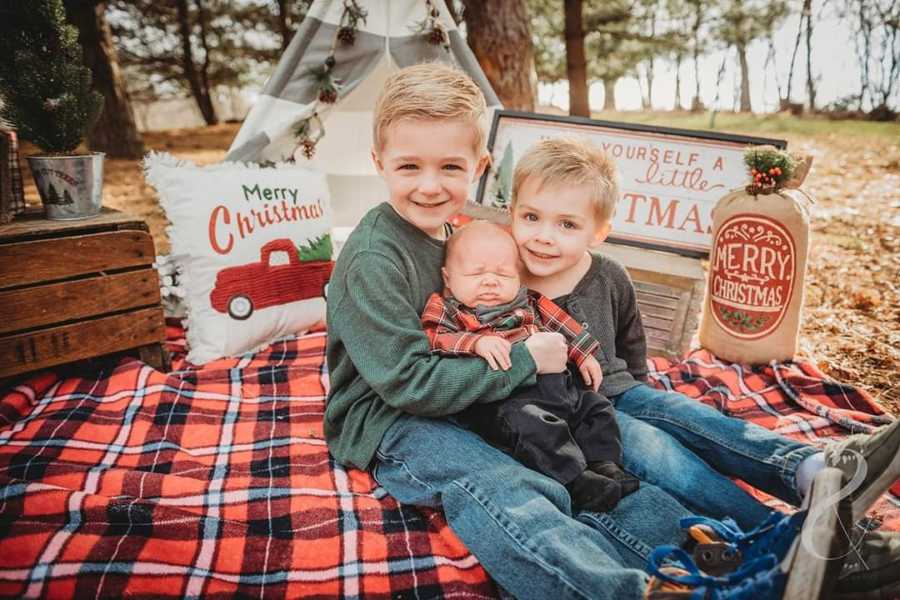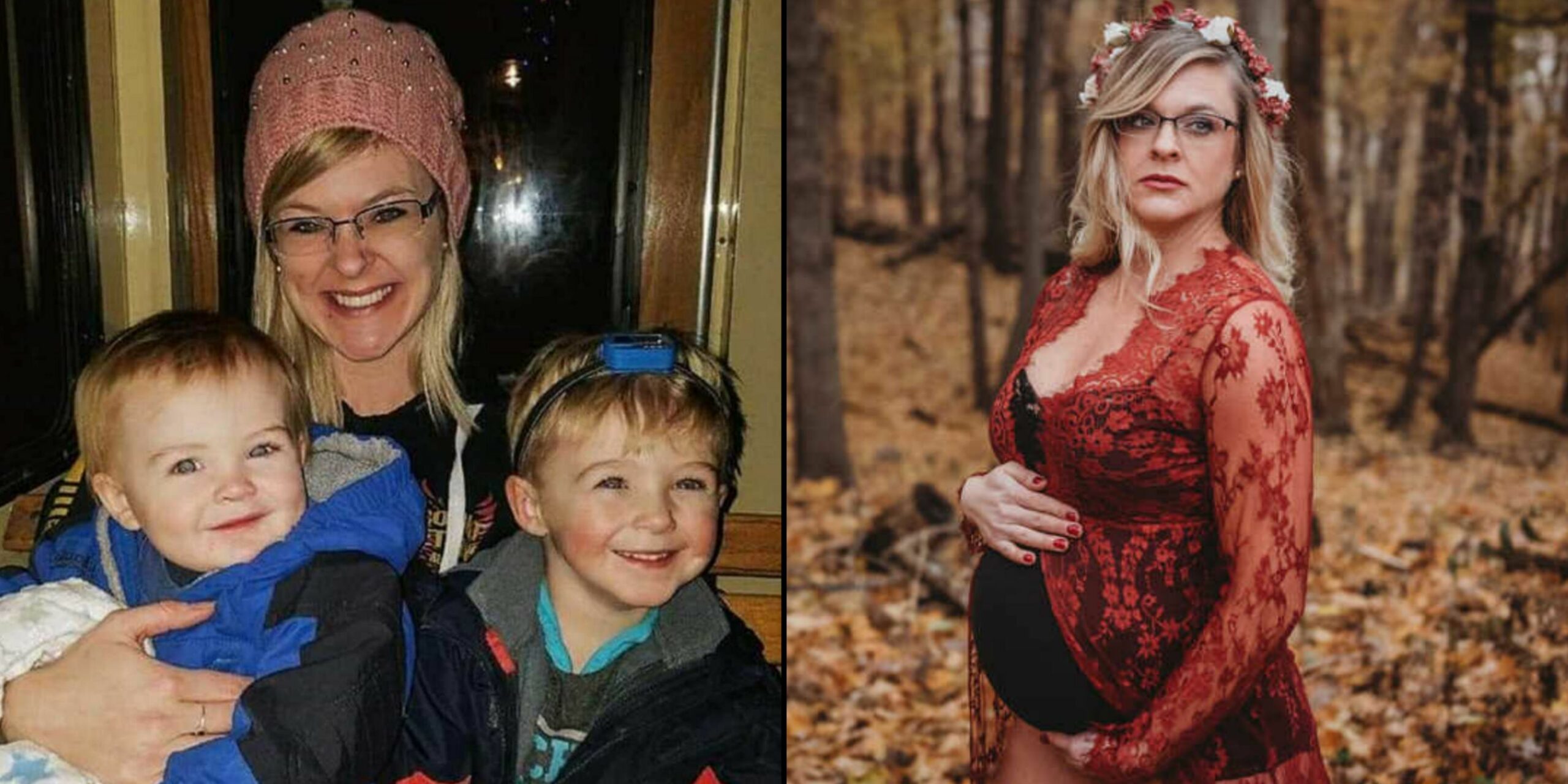
May 24, 2019—my life changed forever. I was six weeks pregnant with our surprise third baby when my husband of seven years packed his bags and walked out the door, leaving me alone with our two boys, ages four and two. Our marriage had often been stormy, and this wasn’t the first explosive fight. But something about that day felt different. The exhaustion etched on both our faces told the truth: our marriage was over.
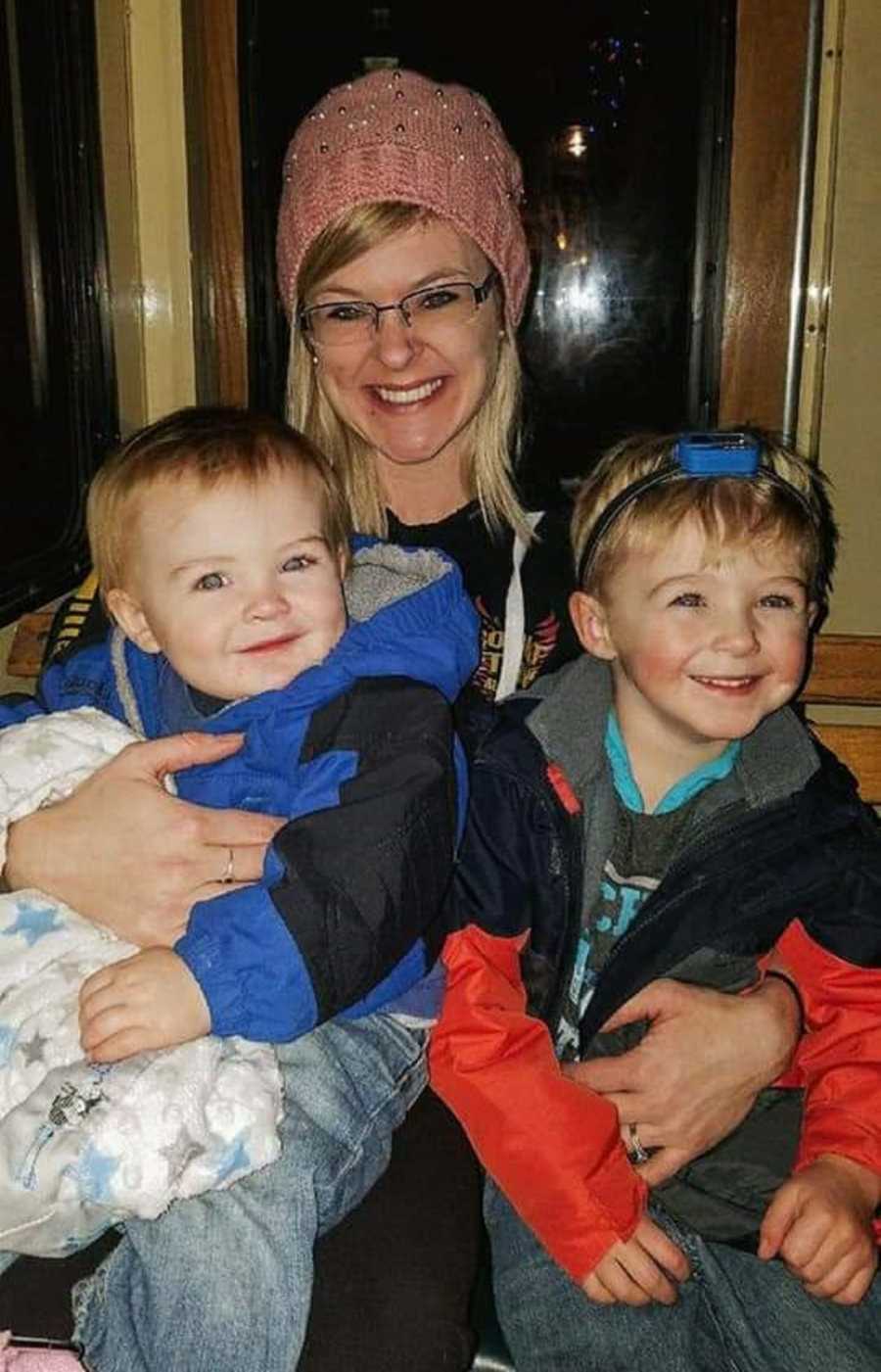
I was consumed with anger. How could a man leave his pregnant wife and two children? What could possibly be more important than that? How can someone simply disappear from their family’s life? So many questions lingered—questions that, to this day, have no answers. So. Much. Anger.
The following months were a whirlwind of survival. I was learning the hard way how to juggle single parenting, a full-time job, managing a house and finances, caring for our four dogs, and nurturing a growing baby inside me. Communication from my estranged husband was inconsistent at best, but one thing was clear: there was no saving ‘us.’ I was devastated and desperate for help.
I had been on autopilot, spiraling toward emotional exhaustion. Saving everyone else had been second nature, but saving myself? I had no idea where to start. My two boys and my unborn child were counting on me, and I swallowed my pride to seek emotional therapy.
Walking into the therapist’s office for the first time was almost paralyzing. I turned around, got back in my car, and thought, No way. I’m not doing this. I’m normal. I don’t need counseling. Therapy had never worked when I was forced to go as a kid. Why would it work now? Apprehension and societal stigma held me frozen.
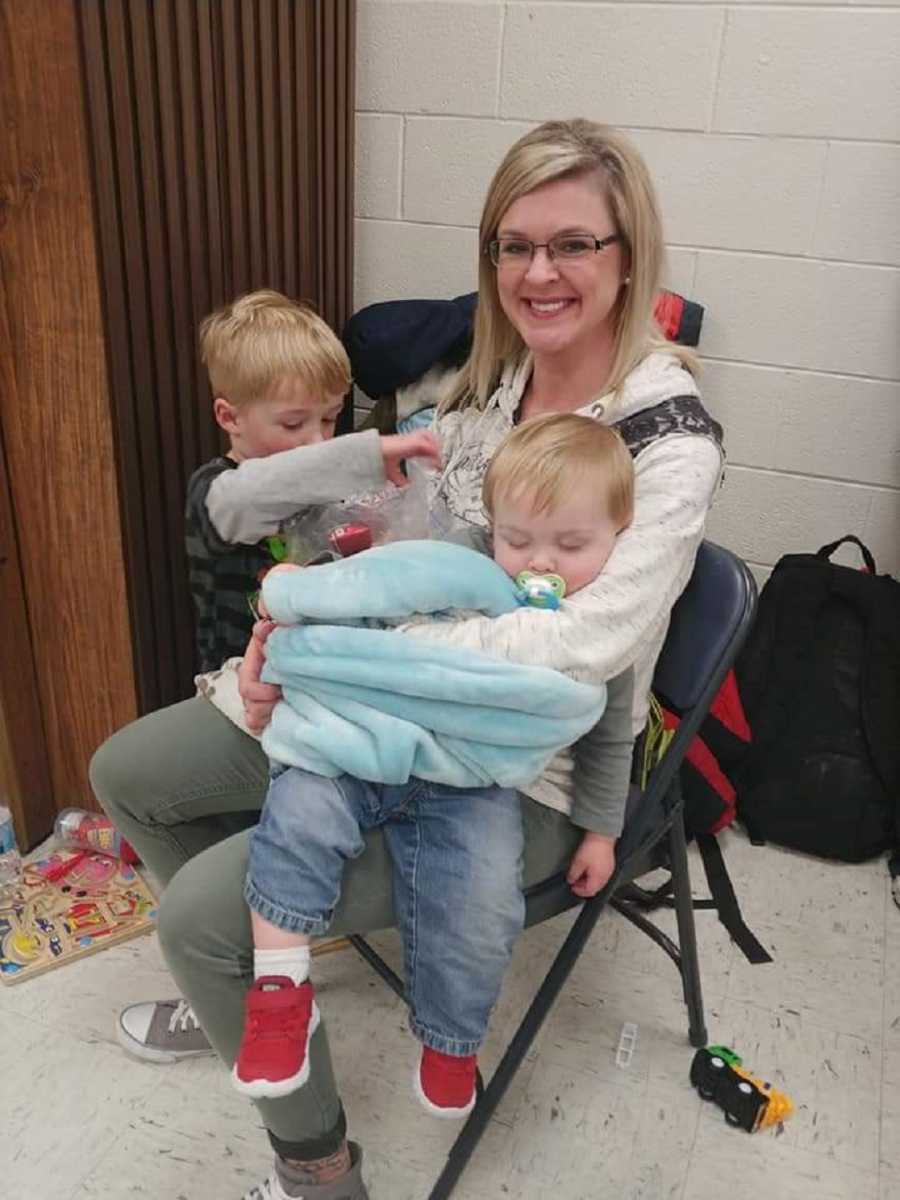
I had been on Prozac since age 15, battling chronic depression, anxiety, and an autoimmune disease that often left me embarrassed. Yet, somehow, I wasn’t one of those people who needed therapy. Still, as I scrolled through Facebook in an aimless mental retreat, my phone background stopped me: my two boys staring up at me with pure, trusting eyes. They needed me. Ashamed of my ego, I turned back and walked into the office.
That first session was a turning point. Kate, my therapist, listened as I poured out the good, the bad, and the ugly of my last seven years—and it was ugly. Legal proceedings and respect for my children’s father prevent me from sharing every detail, but suffice it to say, when we were good, we were amazing. When we were bad, we were volatile. Unfortunately, the latter dominated most of our time together.
At the end of that session, I braced for the magic words, the quick fix that would make me whole. Instead, Kate asked, “Where do you think this feeling is coming from?”
“Everything he put me through,” I said.
“Deeper, Amber. Not just the recent events. Deeper.”
The reality hit hard. There was no miracle cure. No instant solution. Healing would be grueling. I would have to face old wounds, the ones I had buried for decades. My usual response to life’s hardships—I’m done—wouldn’t work here.
Each week, I met with Kate. Some days I spent the entire week in emotional turmoil, counting the minutes until my release in her office. Other weeks, I dreaded the session. My work suffered. My parenting suffered. My relationships suffered. But I needed answers: How did I get here? Why did my last seven years unfold this way?

Through therapy, I revisited my childhood. At six, I sat with my uncle as my parents fought in the next room. I didn’t understand then, but the memory left a lasting scar. In 2019, I saw my four-year-old son trying to distract himself while his father and I recreated echoes of the past.
Kate guided me gently as I unraveled my history. I had loving parents, a roof over my head, and clean clothes. Yet the divorce left deep emotional scars. My father’s sadness overwhelmed me, and as the oldest child, I felt responsible for absorbing it and protecting my younger brother.
Visiting my dad’s house as a child was emotionally fraught. His family’s resentment toward my mother created a tense environment I wasn’t equipped to handle. I hid my feelings and learned to prioritize the emotions of those around me—a survival mechanism that followed me into adulthood.
Even when life seemed good—my dad remarried, we gained siblings, and I could finally play—I felt abandoned as routines shifted. I had to hide my feelings to accommodate his guilt and his new life. This early emotional labor influenced my adolescence, where I masked my emotions, adapted to others’ expectations, and turned to drugs, alcohol, and self-harm to cope.
My adult relationships mirrored this pattern. I attracted partners I could try to fix, and when love required vulnerability, I broke down instead of building up. My marriage to Kevin was filled with love, adventure, and chaos—but also hardship. His PTSD made everyday life a challenge, and my instinct to save him took center stage. May 24, 2019, was the breaking point. Watching his car turn the corner, I felt helpless. I was alone in ways I had never been before. Lost was the only word that captured the weight of that moment.
Through therapy and my local CrossFit community, I began piecing myself back together. CrossFit taught me to endure mental and physical challenges daily, reinforcing a lesson I carried into life: resilience is built, not given. I leaned on my sessions with Kate, pushed my limits, and slowly learned to confront my past without fear.
By the time I neared my due date, I felt prepared—not just physically, but emotionally—for the arrival of our third child. I shared my journey on social media to inspire other women: You are worthy. That belief, finally internalized, was captured one cold day atop a hill, cradling my unborn son as the storm swirled around us—a mirror of the chaos we had endured together. I was raw, vulnerable, and unmasked. Free.
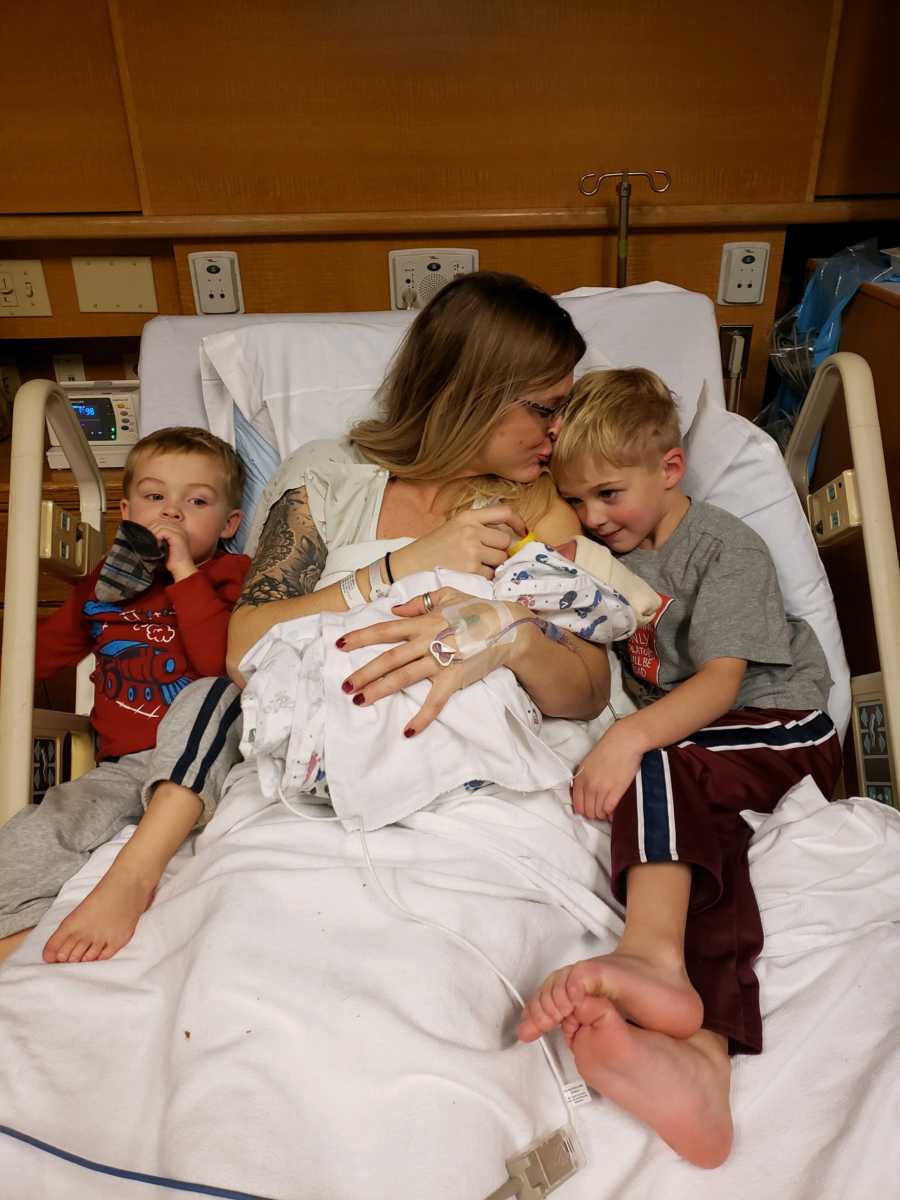
Exactly one week later, my third son, Jack Urban, was born, a month early and full of tenacity. Kevin was attentive and supportive, and I rode the whirlwind of postpartum life on autopilot. Postpartum depression hit hard, and memories in hand-me-down clothes triggered waves of grief. Slowly, I realized healing is not linear. There are setbacks and wrong turns, and revisiting old pain is part of the journey. But each step, each misstep, is part of rebuilding a life worth living.
I am still a work in progress. But now, I know that despite storms, loss, and heartache, it is possible to rise—stronger, fiercer, and finally free.