“‘Does the pain shoot down the back of your legs? Kind of like sciatic nerve pain?’ my friend Melissa asked, her voice gentle but concerned as I poured myself a cup of coffee, trying to keep my hands from trembling.
‘Yes,’ I admitted, steadying myself on the counter. ‘It starts in my hips, but it feels like knives carving me open from the inside. Like my hips are being pulled apart, and daggers shoot down my legs. But my doctor… my doctor doesn’t seem to believe me. He says it’s no worse than a normal period.’ I spoke slowly, pausing between words to breathe deeply and keep from collapsing under the pressure of the pain.
Talking was exhausting. Standing left me shaky and sore. Sitting only seemed to make the ache worse. And lying down in the fetal position felt like surrendering entirely to a reality I didn’t want to accept. Chronic pain coursing through my pelvic bowl and radiating down the back of my legs seemed like it might be my lifelong companion.
Melissa, who had been through this herself, didn’t hesitate. ‘I honestly think you have endometriosis,’ she said. She had faced multiple surgeries, hormonal treatments, and years of learning to navigate her own pain. ‘You should see Amy Card. She’s the best in the area. Trust me.’
I clutched my coffee cup tightly, a mix of fear and hope swirling in my chest. Months later, I finally had an appointment with Dr. Card. She listened carefully, examined me, and agreed with Melissa’s suspicion: endometriosis was likely the cause of my relentless pain. We scheduled a laser laparoscopy, and I felt a glimmer of hope for the first time in years.
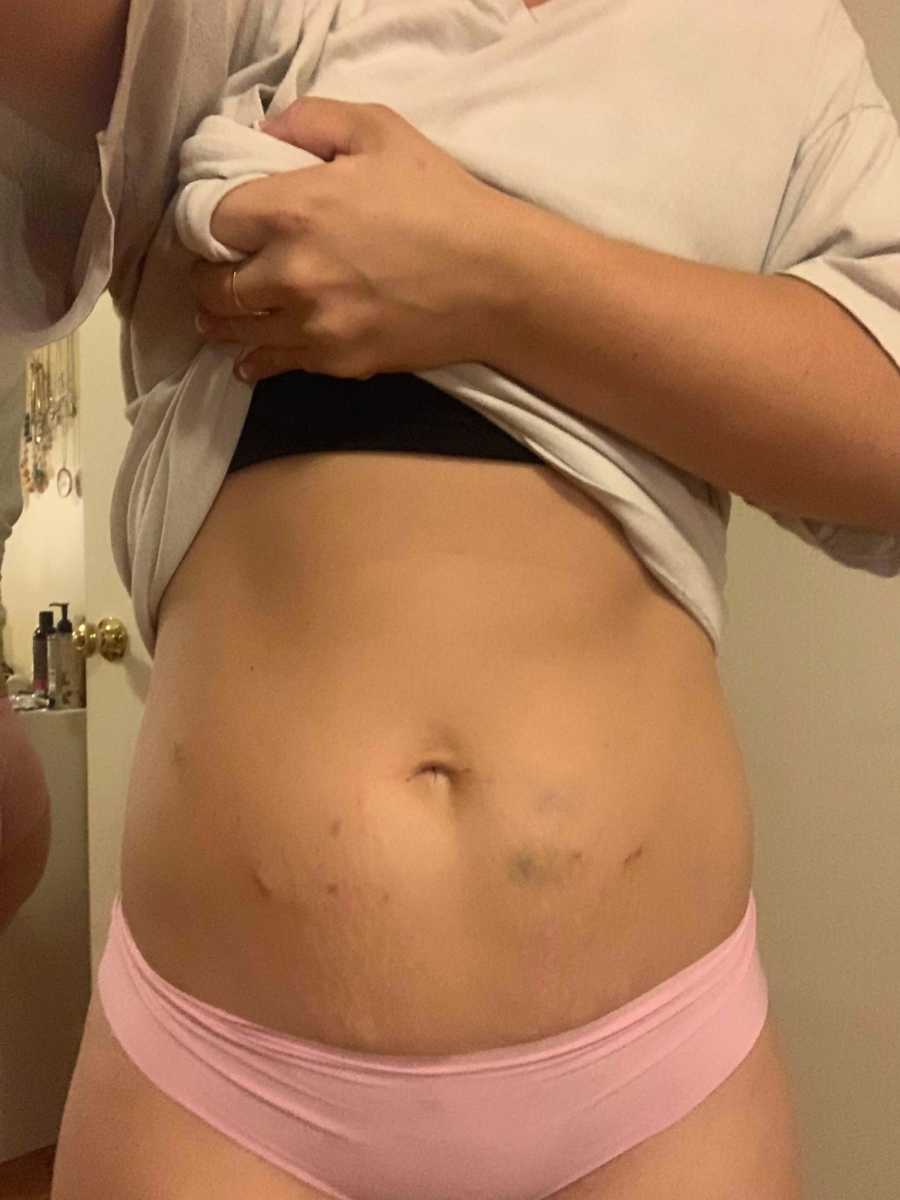
‘Endometriosis is a chronic autoimmune disease,’ Dr. Card explained. ‘There’s no cure, but we can take steps to manage the pain. Depending on how deep the implants, cysts, and tissue growths are, your organs can become stuck together, almost like superglue. This can make movement painful and even crippling. Surgery is the only definitive way to diagnose it, and it can also impact fertility. I’ll make two small incisions—one at your belly button, and one just below your panty line—and laser off the spots I can see.’
I nodded, feeling both nervous and relieved. The pain had been steadily worsening, and I had my reasons for avoiding hormonal treatments. Surgery felt like my best chance at reclaiming a somewhat normal life.
October 2013 marked the beginning of my battle. My first surgery brought an immediate, almost miraculous sense of relief. For the first six months, I moved through my days lightly, unburdened by the constant, gnawing ache. I could sit, stand, and walk without feeling like my body was betraying me. I felt, for the first time in years, a small but real freedom.
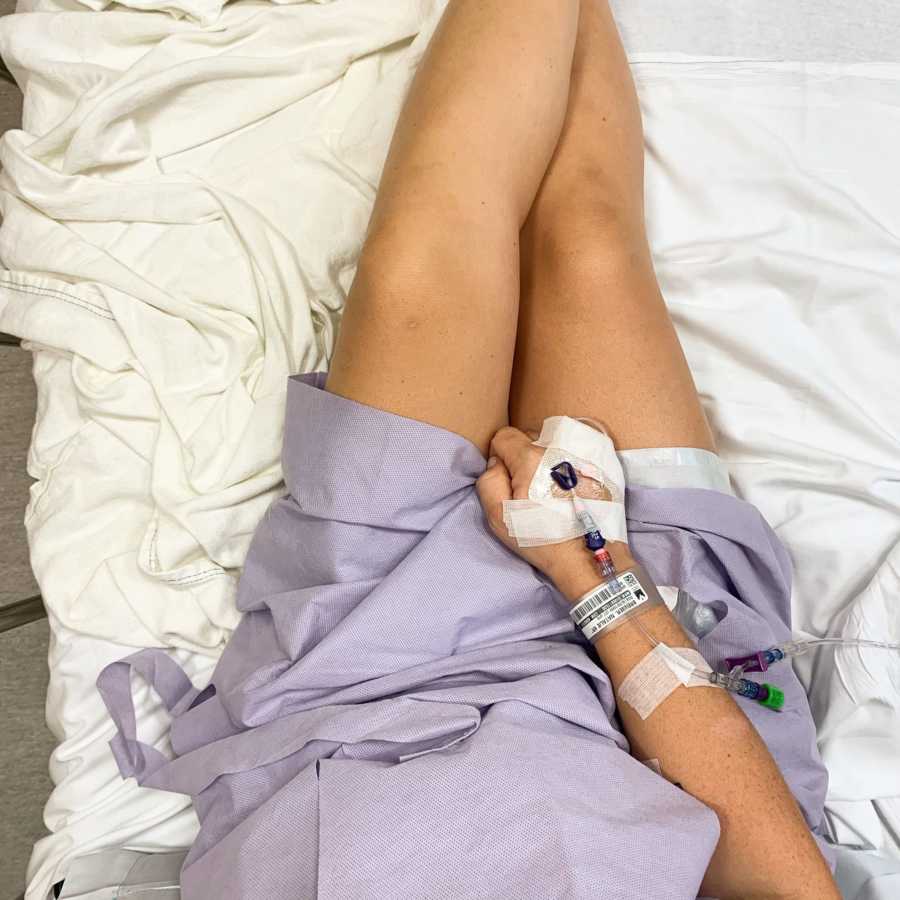
But endometriosis is relentless. Slowly, the pain crept back. I realized, with a sinking heart, that laser surgery only removes the surface of the disease. It doesn’t touch the roots, which burrow deep into organs and tissue. After a year of unbearable pain, I underwent a second surgery in October 2015, hoping it would bring relief.
During this time, my husband Kevin and I had been trying to conceive. After two years and a miscarriage, we finally became pregnant. Those months following the birth of our son were a reprieve; breastfeeding him for 17 months, I felt moments of peace. But as my menstruation returned around month twelve, so did the pain.
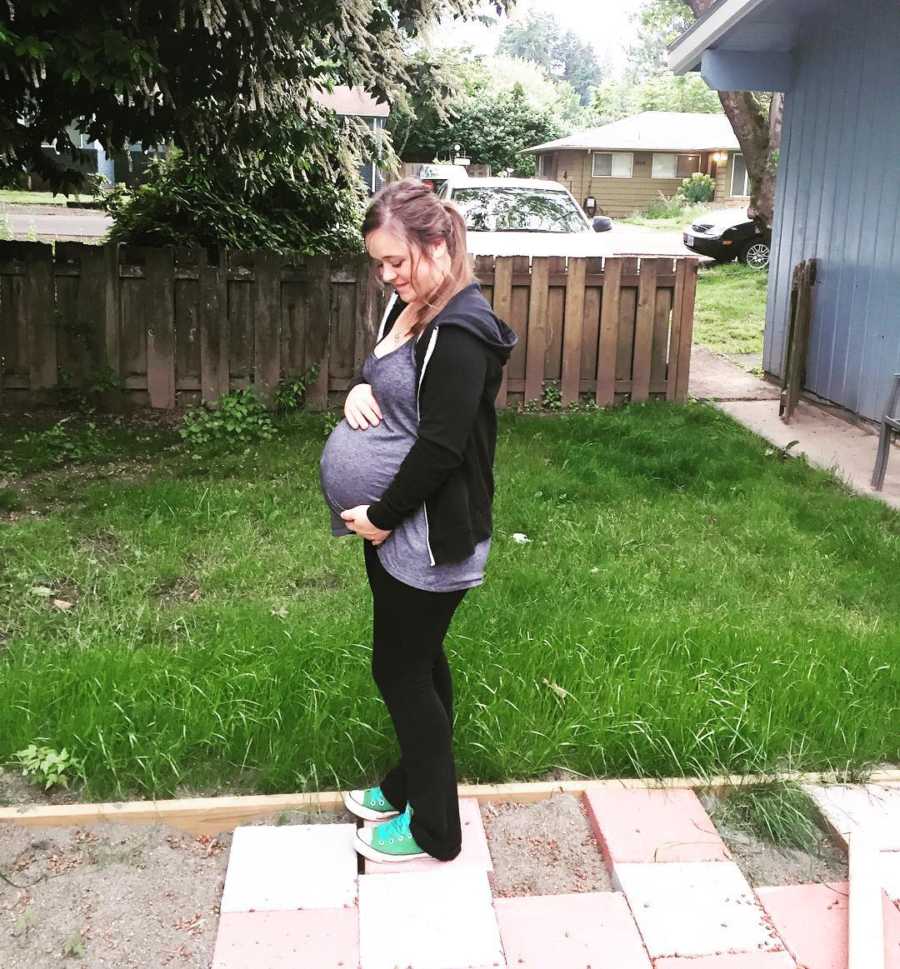
We had moved to a new city, and I felt discouraged. I read heartbreaking stories of women in their twenties undergoing hysterectomies, only to have endometriosis return, even without a uterus. I realized the disease could not be defeated by removal of one organ alone; it seemed determined to reclaim the body it had taken hold of.
Another miscarriage in 2018 shook me deeply. Ultrasounds showed a healthy baby, yet my body failed. I questioned whether endometriosis had weakened my uterus, whether scar tissue had played a role, or whether my Factor V Leiden was a contributing factor. Desperate for answers, I joined a Facebook group called Nancy’s Nook Endometriosis Education. There, I found community, guidance, and hope.
I learned about excision surgery, a method far more effective than laser or ablation. Unlike lasers, which only burn the surface, excision removes the disease at its root, giving a much better chance at lasting relief. The group shared lists of doctors across the country specializing in this approach, and I found a few in the Pacific Northwest.
I made an appointment with Dr. Pendergrass. I had lost count of how many doctors I had seen, how many attempts I had made to manage the pain. Narcotics, CBD, ibuprofen, patches, oils—nothing worked. Heating pads provided fleeting relief, but life does not pause for chronic pain. I needed a solution that allowed me to function as a mother, a wife, and a working professional.
Dr. Pendergrass was thorough and confident. She outlined a surgical plan: remove all endometriosis, prevent regrowth with a specific hormone, and remove my appendix. If endometriosis was entwined around other organs, she would consult specialists. I felt seen, validated, and hopeful for the first time in years.
Counting down the days, I braced myself. Chronic pain is exhausting—not just physically, but mentally and emotionally. I could have been bitter, defeated, and discouraged, but I chose gratitude. I focused on the beauty around me, the people I loved, and the life I still wanted to live. Yet, there were moments of despair—nights spent in tears, curled in the fetal position, angry that my own body had betrayed me. And yet, I reminded myself: I was resilient. I would keep going.
Surgery day arrived. By this time, I had undergone ten surgeries, so anesthesia no longer frightened me. Kevin cleared his schedule to care for me, and our two three-year-old boys spent the week with their dad, giving me space to rest and recover.
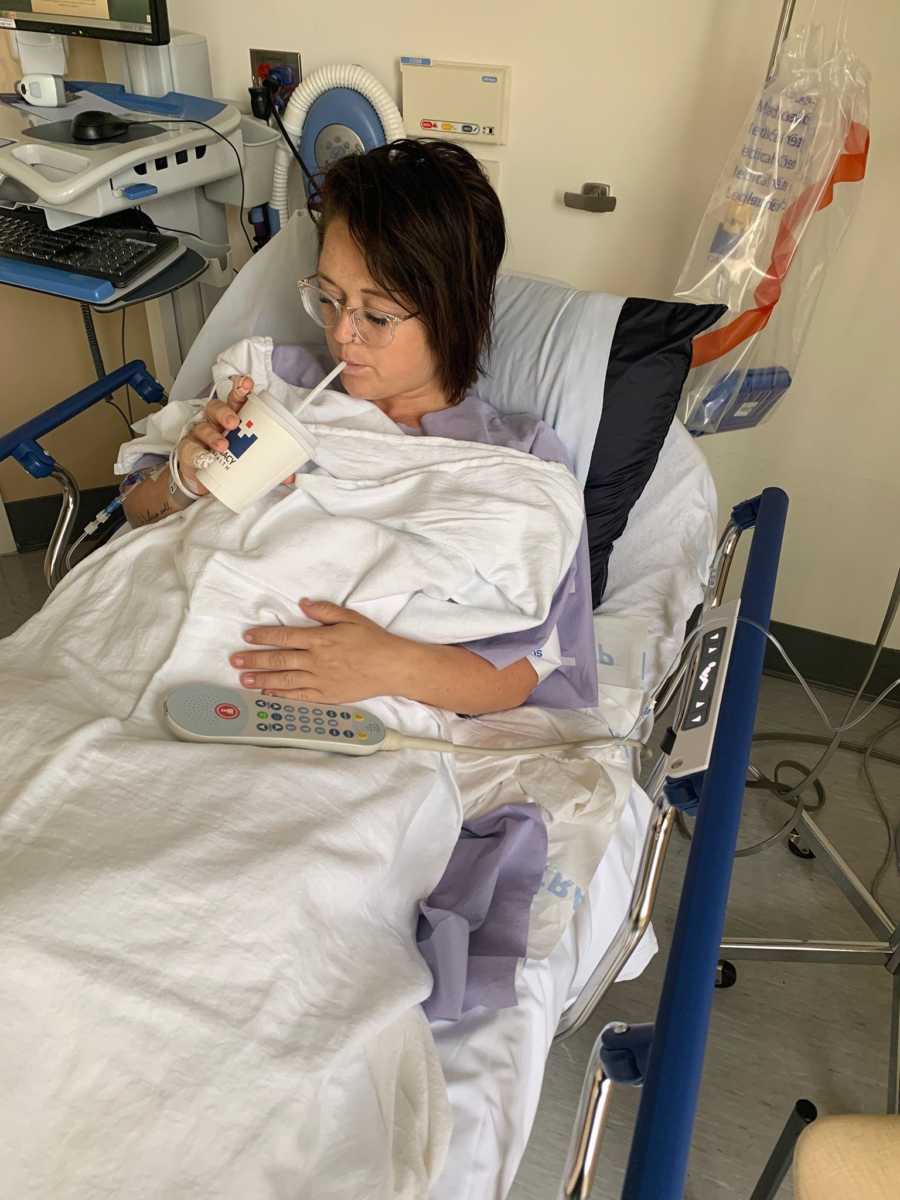
The surgery, expected to last two hours, extended to almost three. Dr. Pendergrass discovered more scar tissue and endometriosis than she had ever seen. My uterus had been cemented to my abdominal wall, immobilized for years. She carefully freed my organs, chiseling away at the disease, and rescuing my uterus. It was clear why my previous miscarriage had occurred—my uterus had been trapped, unable to function normally.
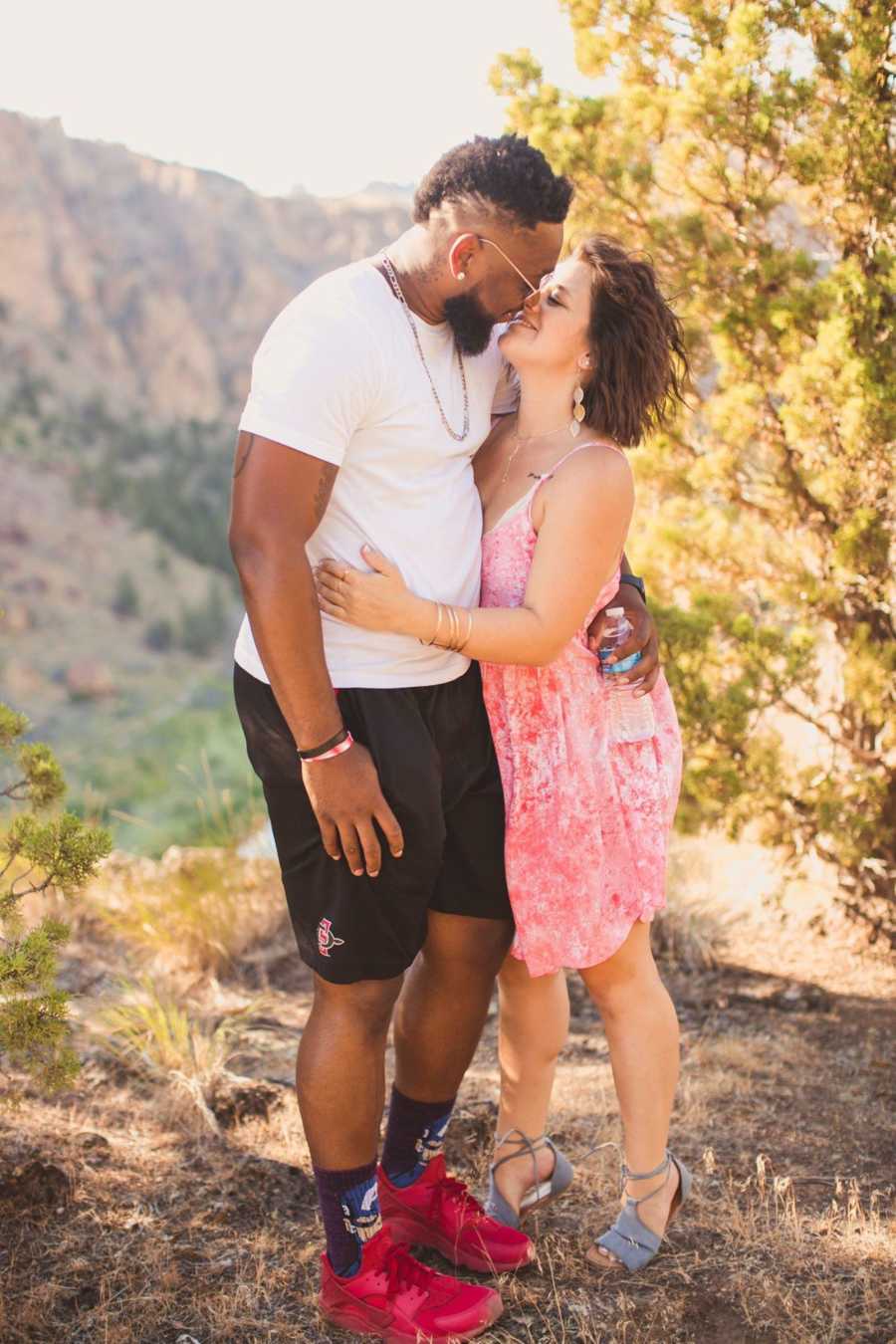
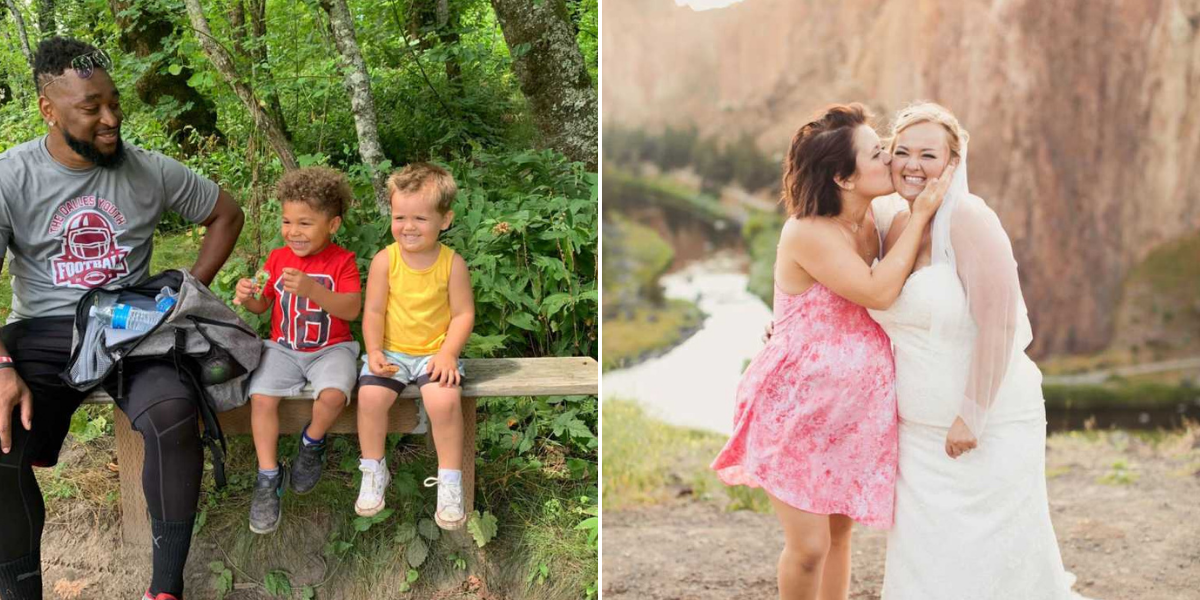
Surgery took place on July 9, 2019. Just four days later, I had to photograph my sister’s wedding. Planning my recovery meticulously, I used narcotics only for the first three days, then transitioned to high-dose ibuprofen. By Saturday, I was ready to capture the wedding at Smith Rock State Park—still sore, but functional, strong, and smiling.
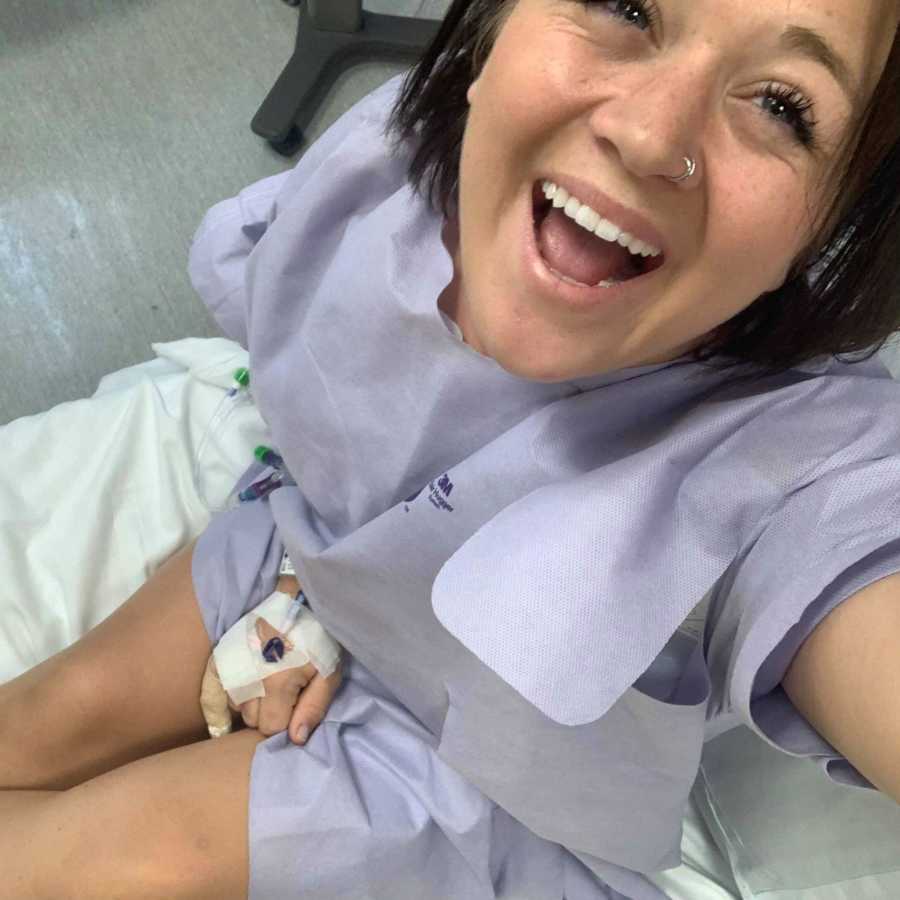
Now, more than a month post-op, life feels different. I’ve completed photoshoots, worked a barista shift, and even hiked three miles with our four children just a week after surgery. I am tender, but finally, truly pain-free.
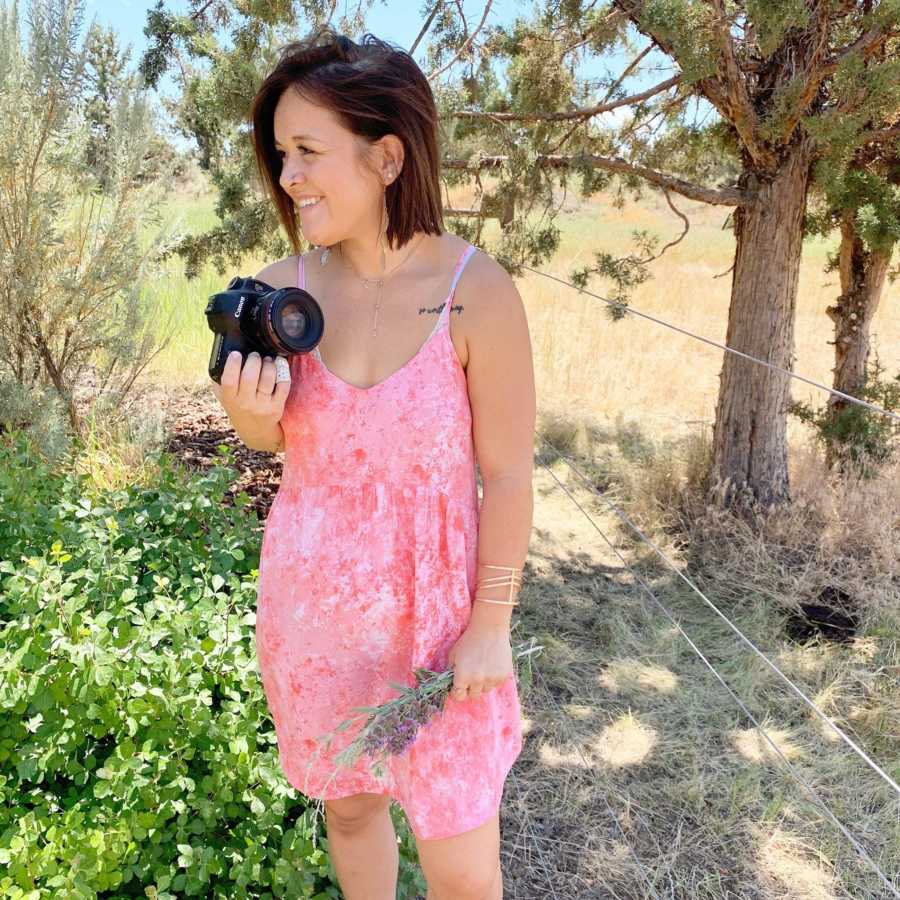
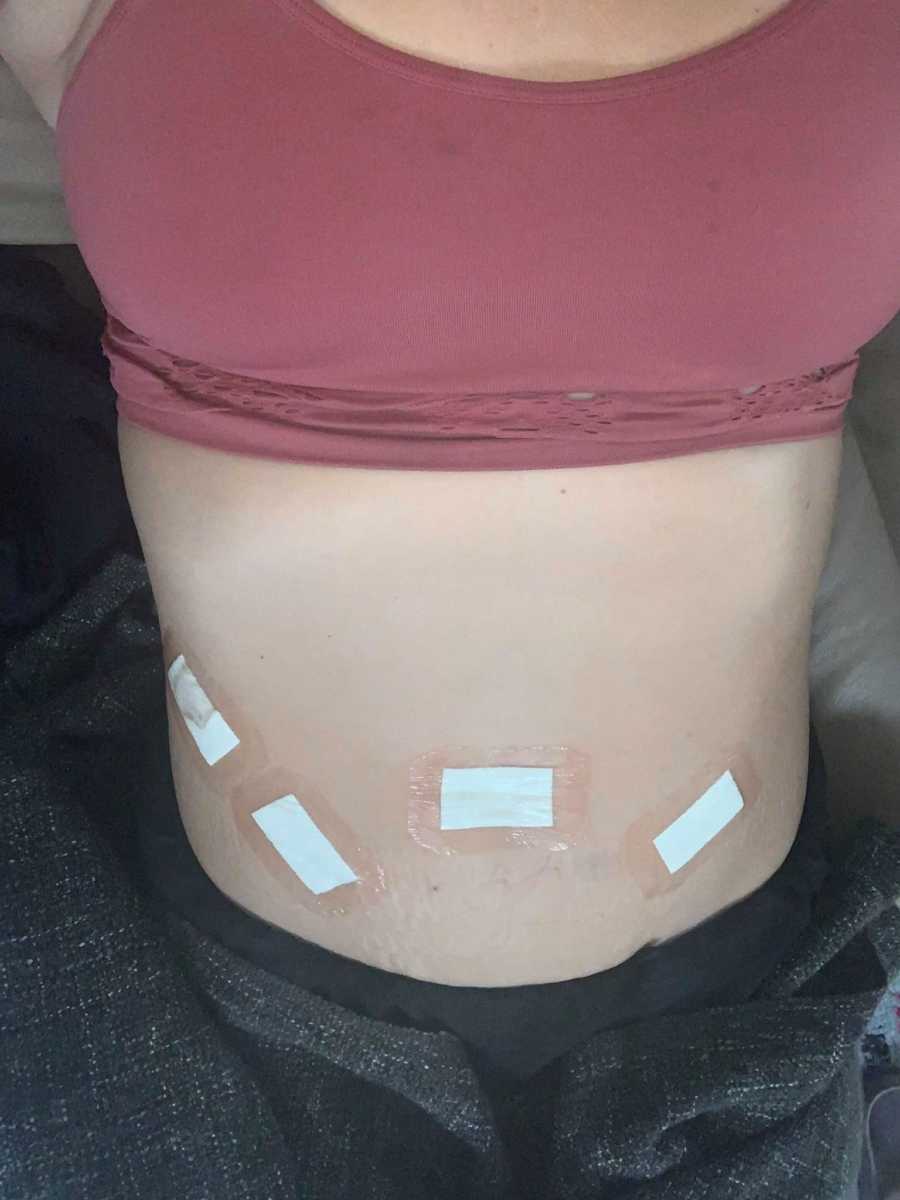
I carry four new abdominal incisions as reminders of my journey—a small price for reclaiming my body. For the first time in years, I can live without constant pain. I am counting blessings: excellent healthcare, a doctor who listens and validates, a supportive partner, and children who kiss my “tummy owies.”

Instead of holding my breath, waiting for pain to return, I embrace gratitude and hope. I am living fully, knowing that even though endometriosis may return someday, I have the strength, support, and knowledge to face it. I am resilient, I am grateful, and I am, for now, endometriosis-free.
Cheers to reclaiming life, to hope, and to every moment of relief that feels like freedom.”