Every morning, most of us wake up, get dressed, and move on with our day. It’s a simple, automatic routine that hardly ever gets noticed. But for people with disabilities, what seems ordinary can be a monumental challenge. Buttons, zippers, and clasps—things that most people handle without thinking—can be impossible for some of us. Many of us need help just to get dressed. And while most people take their independence for granted, relying on someone else for such a personal part of daily life can weigh heavily on the spirit. There have been countless mornings when I’ve muttered, frustrated, “Mom, I’m sick of you helping me put my clothes on!” All I want, as a senior in high school soon heading to college, is the independence every teenager dreams of. I don’t want to rely on a stranger to help me get dressed in college. I want to step into adulthood with the freedom I deserve—but how can I, when my body won’t allow it?
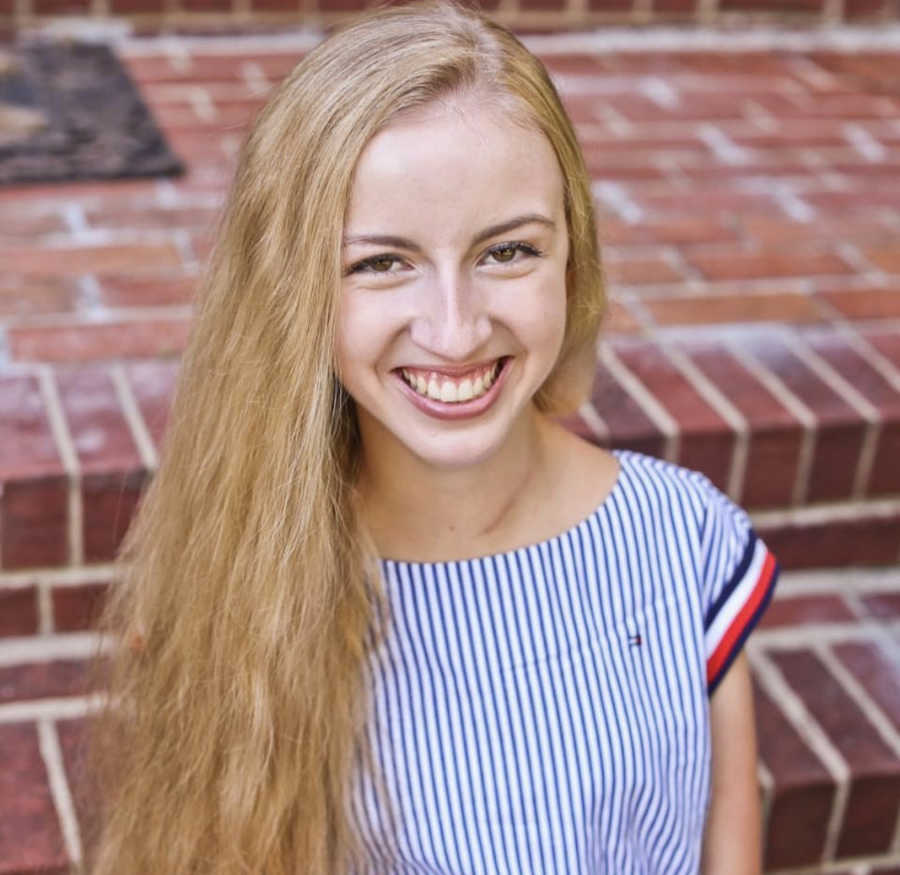
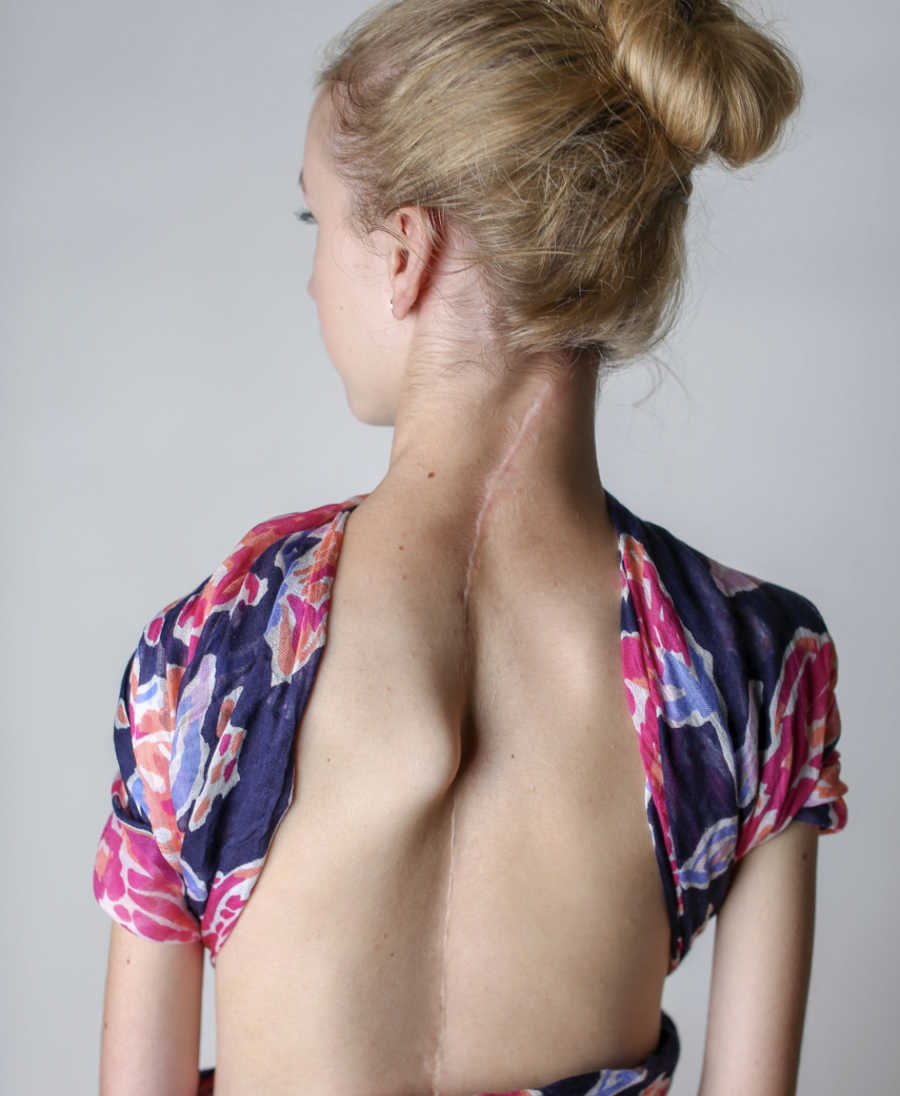
In 2010, my life changed forever. I became paralyzed from the neck down in a matter of hours due to Acute Flaccid Myelitis (AFM), a rare disorder caused by a virus attacking the spinal cord. Over the years, I’ve been fortunate to regain some movement, but I still have paralysis in my shoulders, arms, and right hand, and I cannot move my left hand at all. I was only eight years old when this happened. Since then, I’ve only dressed myself for about four years of my life—and I’m ready for that to change.
Every morning before school, my mom has to help me put on my uniform. Buttons and zippers make it impossible for me to do it alone. I’m almost 18, I can drive with adaptive equipment, take AP Biology, and have even written and published three books—but I still cannot dress myself. Independence is something every teenager craves, and I especially hate feeling like I’m relying on my mom for something so basic. When she pulls my arms through the sleeves of my shirt, I feel like a ragdoll, my body being maneuvered by someone else. It’s intimate, personal, and at my age, it doesn’t feel natural to need help with something so private.
Shopping has also been a constant source of frustration. I’ve found jeans I loved, only to realize the button and zipper made them impossible to wear without help. Countless times, I’ve sighed in exasperation: “I can’t get these, they have buttons.” If I want jeans, I either have to find ones without buttons and zippers (nearly impossible), rely on my mom, or figure out a complicated workaround. Needing help to dress or undress in public adds another layer of discomfort. No teenager wants their mom in the bathroom stall with them. The lack of privacy and the stares from strangers make an already difficult situation even more uncomfortable.
Then, in 2014, something incredible happened. A woman named Mindy Scheier founded Runway of Dreams after her son, who has muscular dystrophy, told her he wanted to wear jeans like everyone else. Mindy didn’t want to tell her son he couldn’t wear jeans, but she also didn’t want him to struggle with buttons and zippers. So she removed the button and zipper from his jeans and replaced them with Velcro. The next day, he wore them to school, glowing with pride. Mindy’s work didn’t stop there—she founded Runway of Dreams to promote inclusion and accessibility in fashion for people with disabilities, making adaptive clothing mainstream. Thanks to her efforts, Tommy Hilfiger launched the first adaptive clothing line, featuring clothing with magnets and Velcro instead of traditional fasteners.
When I learned about Runway of Dreams and the Tommy Hilfiger Adaptive line, I was overjoyed. I immediately bought dresses, shorts, and t-shirts. After nine long years of needing help just to get dressed, I could finally put on my own clothing without assistance. For the first time since my paralysis, I experienced the simple joy of independence. I could put on and take off my shorts freely—a feeling that may seem small to most, but was life-changing for me.
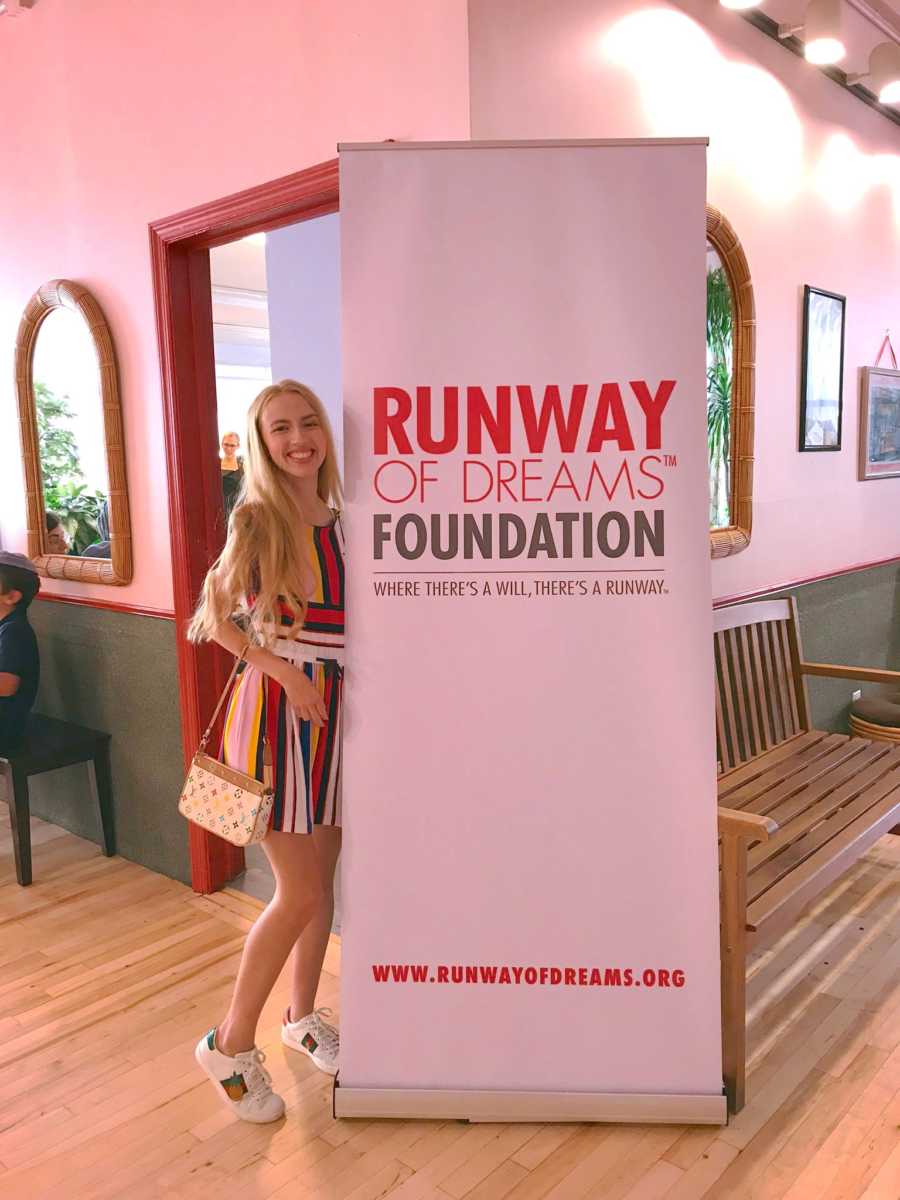
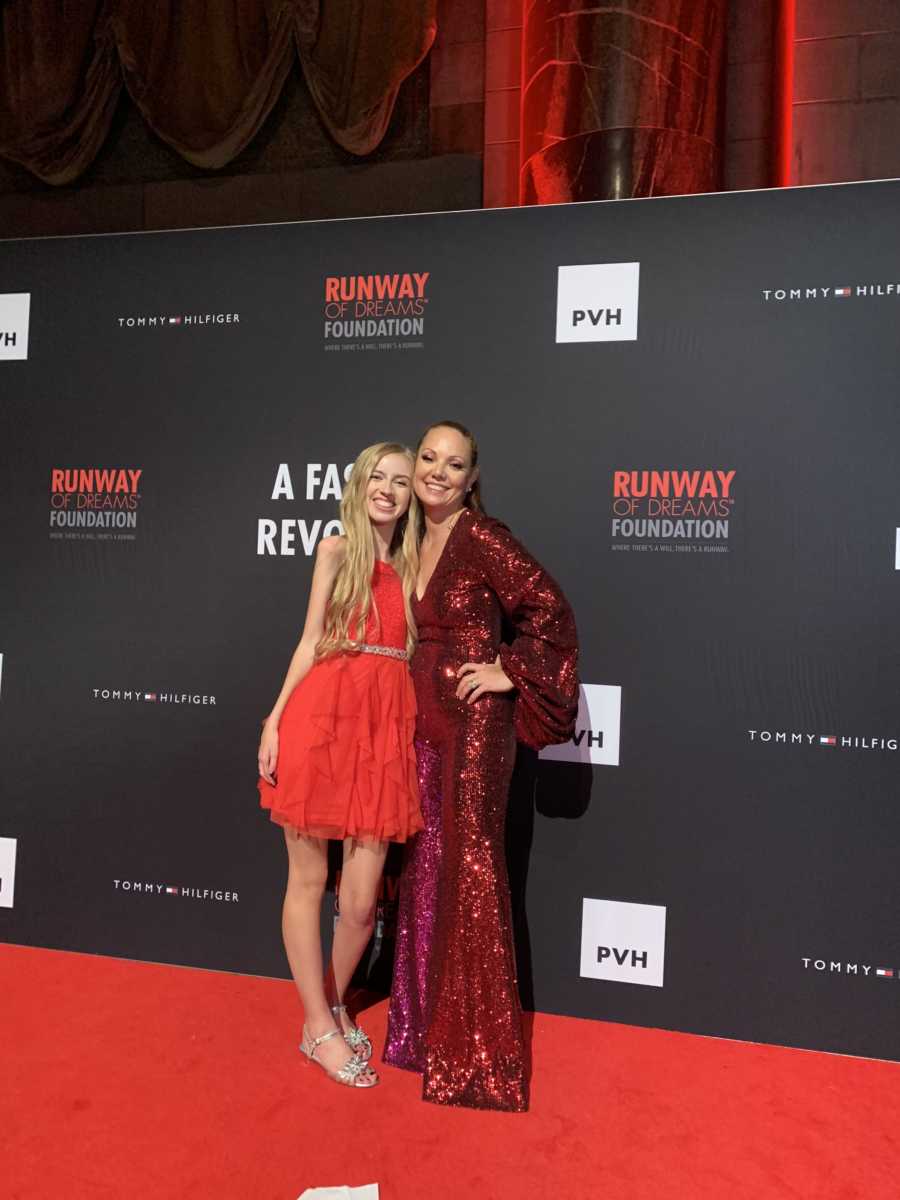
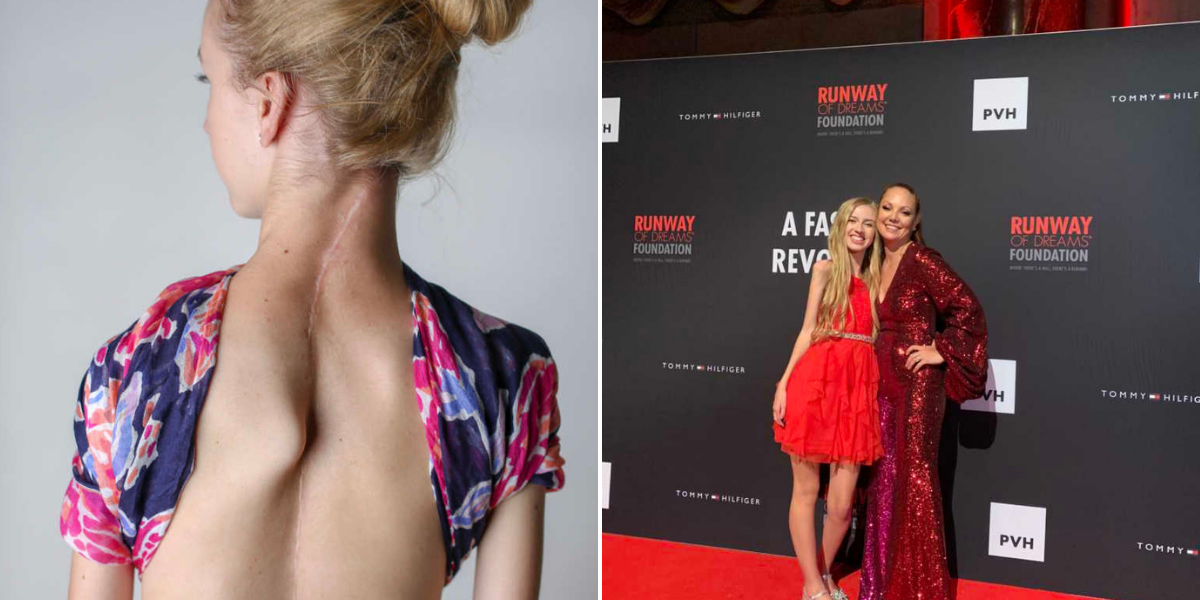
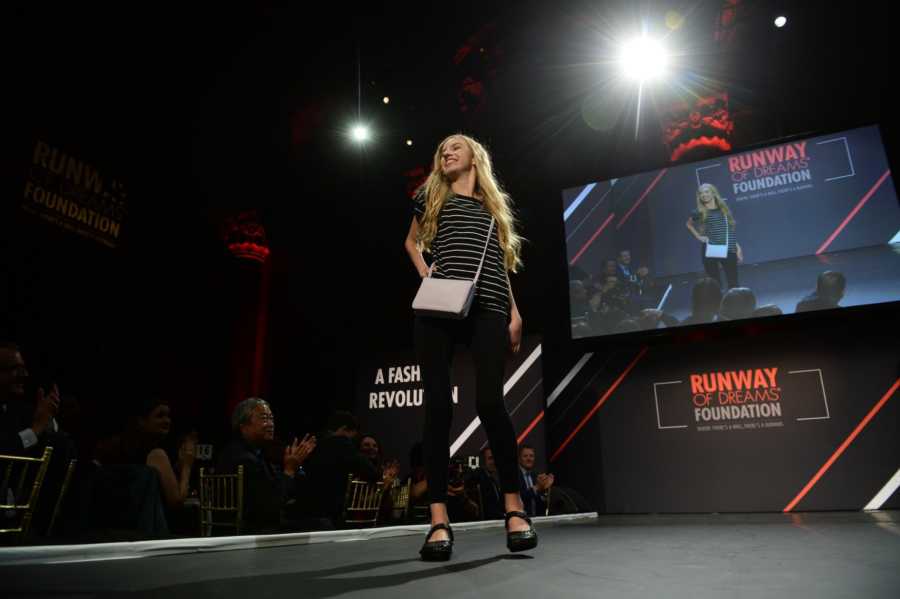
I wanted to thank Mindy for everything she has done to improve the lives of people with disabilities, so last year I attended the Runway of Dreams Fashion Show and Gala in New York City. Meeting her in person was unforgettable. She promised I’d be in the fashion show the following year—and she kept her word. On September 5, 2019, I had the honor of walking the runway during New York Fashion Week. I modeled the new Kohl’s Adaptive line, beaming with pride as I strode down the runway. The room was filled with cheering, love, and encouragement. Walking that runway was an indescribable experience—the greatest moment of my life.
There are over a billion people in the world living with some form of disability, and I’m proud to be part of an organization that is creating opportunities and promoting inclusion for the largest minority group in the world. Runway of Dreams’ slogan says it best: “Where there’s a will, there’s a runway.” For me, it’s more than a slogan—it’s a reminder that independence, dignity, and self-expression are possible for everyone, no matter the challenges they face.