Hate Shows Up on the Playground
Three years ago, my family and I made a move to a small town in Indiana. We knew no one here, and it felt like starting over from scratch. My fiancé had a job with a local company, and they helped us get settled into a quaint little apartment as a starting point.
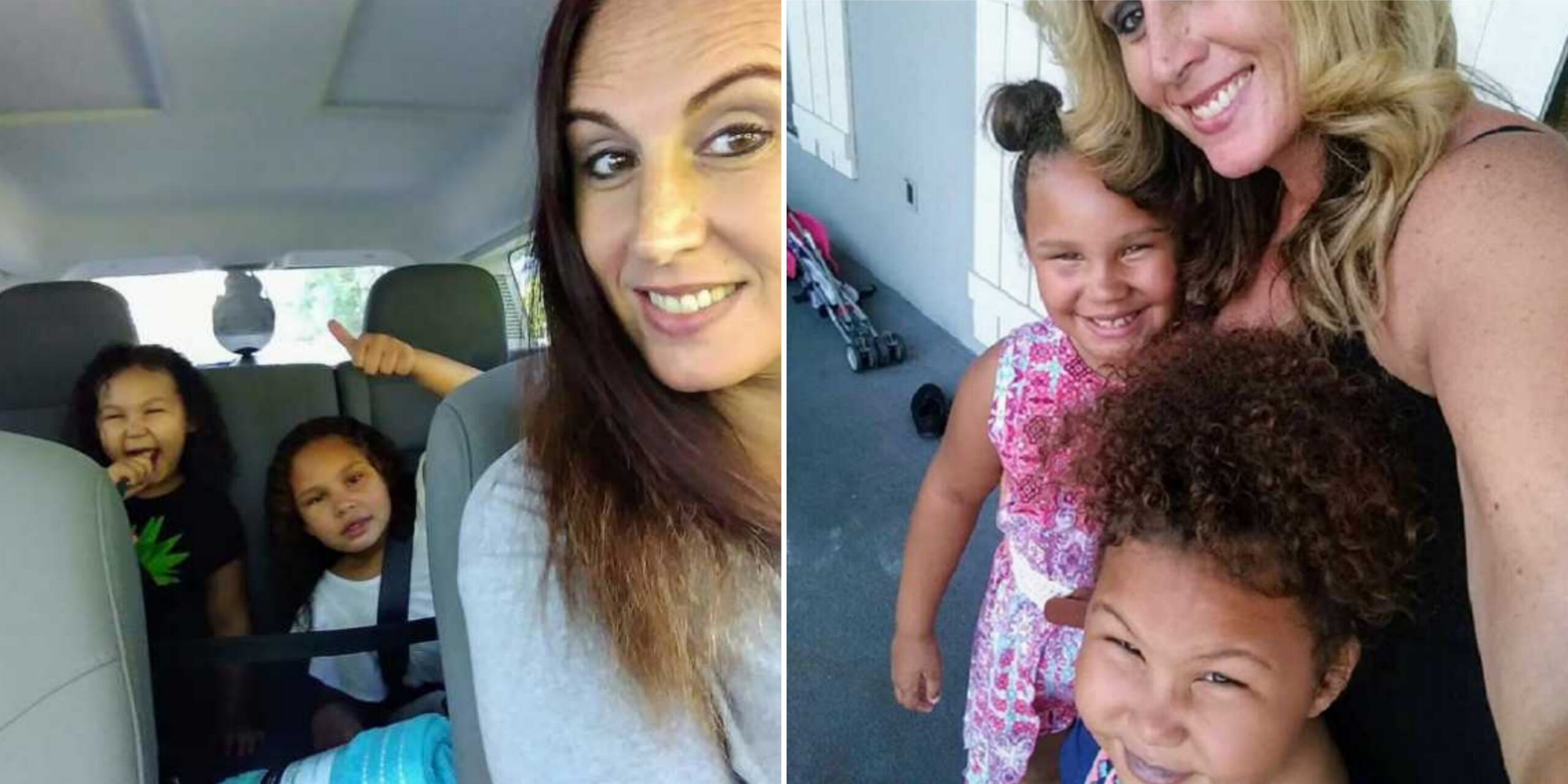
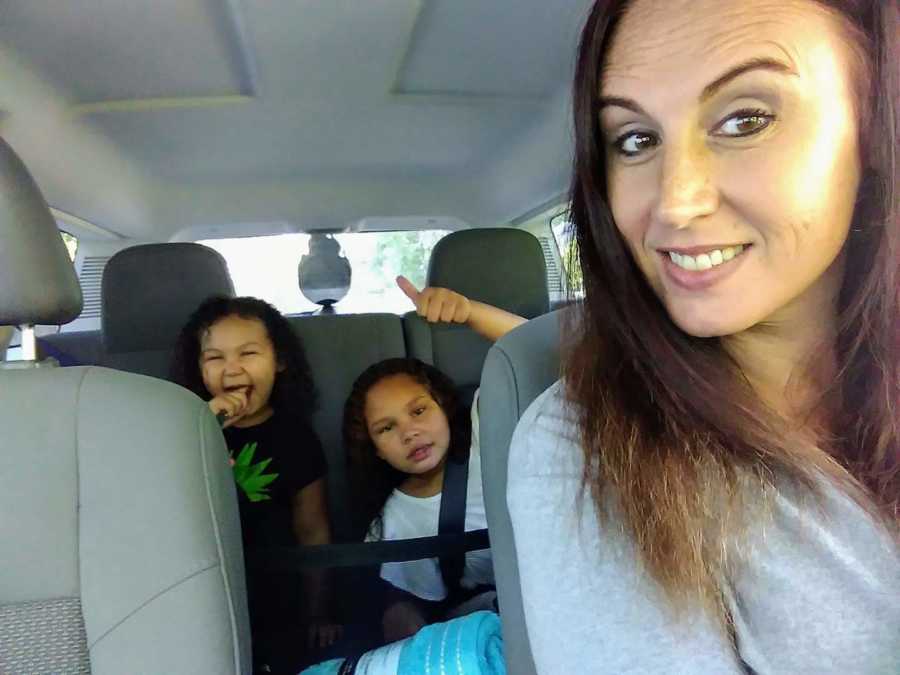
Before moving here, we lived in New Albany, the city where I grew up. My bi-racial children and I had spent several years there, but our experience wasn’t always easy. From the very first day of school, my eldest daughter encountered racial discrimination and bullying. She hadn’t even had a chance to settle into Kindergarten before being introduced to hate. As a mother, I couldn’t sit back and wait for the school to handle it—the administration seemed indifferent, and I refused to let my child endure that environment. This was one of the reasons we made the move.
When we arrived in our new city, I enrolled my daughter in the local school system. The difference was immediate. We were welcomed warmly by neighbors, who waved and spoke to us openly. My daughter thrived in this new, nurturing environment. Her grades improved, and her confidence soared. It felt like we had finally found a place where we belonged.
Then, tragedy struck. Just a few months after moving, my fiancé passed away. Everything we had built together crumbled, and my children and I were left struggling to survive. I reached out for help wherever I could, but almost everywhere I turned, I was told no. “You help yourself too much to need our help,” was the phrase I heard over and over. For nearly a year, we were forced to rely solely on ourselves, navigating grief and financial hardship without family or friends to lean on.
I eventually figured out how to become a freelancer, just enough to keep the rent paid and food on the table. Slowly, life began to improve. This past summer, we finally felt ready to step out and enjoy the world again. Our second family outing brought us to the only park in our small town.
It’s a quaint little park, with two parking lots—one on the north side, one on the south—each about a 50-foot walk to the playground. That day, the lots were full. People lounged in their cars enjoying the sun: couples, teenagers listening to music, a few men on lunch break. On the playground, it was just my children and one other child.
My children, both biracial, had never experienced any issues here, so I didn’t think twice when a white child approached them and invited them to play in the rock pile. My daughters loved making new friends and eagerly joined her. I sat on a bench about fifteen feet away, close enough to monitor but giving them space to play.
About twenty minutes in, I noticed a middle-aged white woman in denim shorts, a blue tank top, and flip-flops approaching. She pulled her daughter away, spoke to her briefly at the edge of the playground, and then returned to her car. Moments later, the little girl returned to play with my children.
Then it happened again—her mother returned a third time, frustration clear in her posture and tone. I could hear the words she spoke to her child: “I don’t want you playing with those [N-word] kids.” My heart sank. That poor child lingered behind the slide, peering at her mother’s car, terrified to defy her, before finally returning to play. I was livid. My children had heard it. I wanted to react—but I had to protect my kids and her’s from the moment’s toxicity.
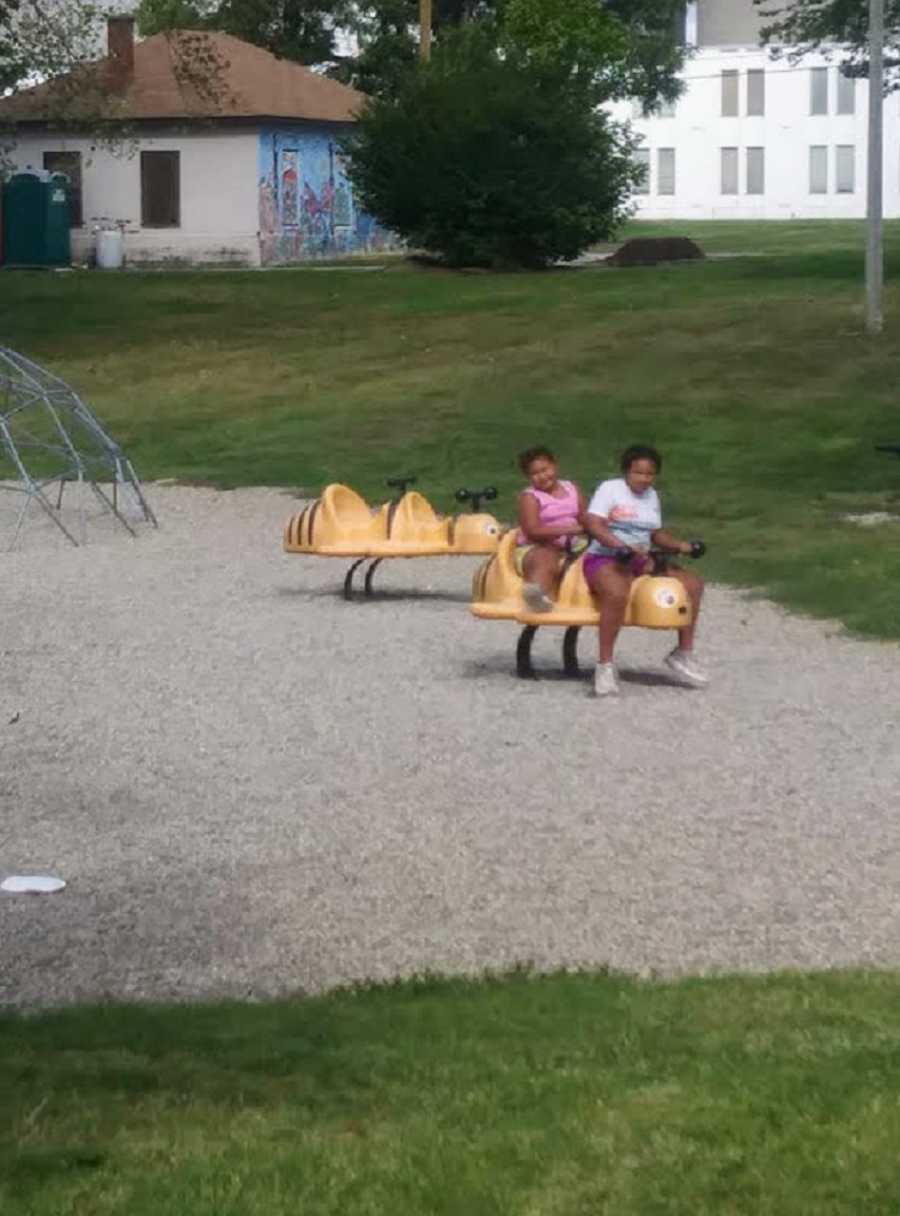
The mother’s interventions continued like clockwork. Finally, I stood up from the bench and approached her. “Hi, how are you doing?” I asked calmly. She barely acknowledged me, focused on telling her child to stop playing with my daughters. I said, “What do you mean, those black girls over there?” Her face faltered. “Oh no, we just don’t know them. I’d feel better if she didn’t play with them.”
I felt rage bubbling but forced myself to stay calm. “No, no, no. You don’t know anyone at a park? How do you expect to teach your child to avoid people of color? They’re everywhere now.”
She looked shocked, but I continued. “Those girls you’re so afraid of? They’re my children. Loving, compassionate, and kind. Your child is the same. Why disrupt that, just to teach her something she clearly doesn’t have? Why interfere with her compassion?”
She glanced over at our children, laughing and playing together, and muttered, “I’m sorry, I just didn’t know them. I don’t like my kid to play with people we don’t know.” I pointed out the absurdity—she was far from her car, just as my children were far from anyone else—and it became clear her fear was unfounded.
I forced a small laugh to ease the tension. “You should be ashamed of interfering with innocent children’s play,” I said. “This is not acceptable.” She admitted her words were what I had heard, turning beet red and apologizing again. She returned to a bench nearby, allowing the children to play together peacefully for almost an hour.
When it was time to leave, my eldest daughter said, “Mommy, thank you for talking to our new friend’s mom for us. We really liked her, but she said we can’t tell her mom.” My heart broke—not just for my children’s awareness of hate, but for the little girl being taught to be cruel when all she wanted was love. How is that not child abuse?
We still have a lot of work to do in teaching tolerance and acceptance. Ignorance spreads like a virus, and too often, adults interfere with the natural ability of children to love unconditionally. I believe we are here to help one another, to learn to love, and to honor the inherent worth in everyone, regardless of race, religion, sexual identity, or ability.
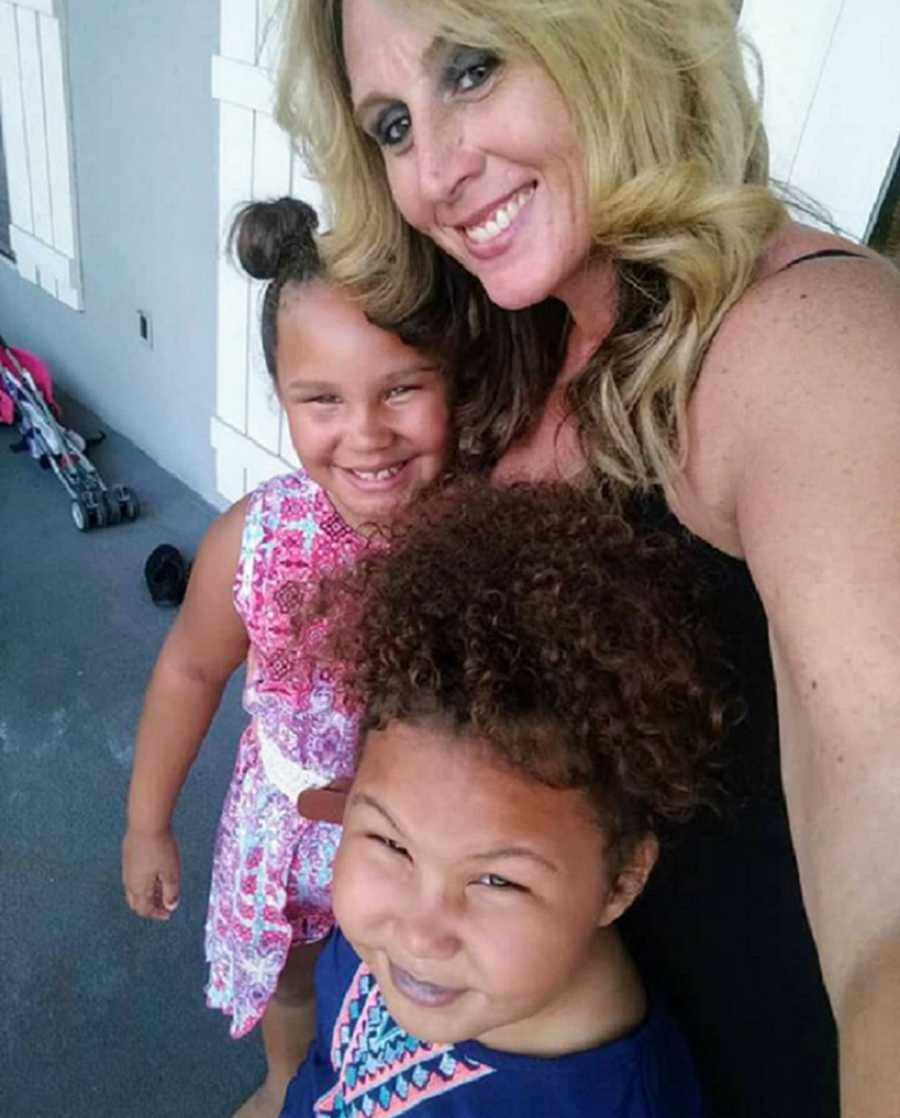
On the bright side, I ran into that woman at the grocery store the next day. She waved. Her daughter even ran up and hugged my children in the produce section. Maybe I didn’t change her views completely—but at least she learned to show respect in public.
The lesson I hope others take from my story is this: if you see racial discrimination, intervene. We cannot rely solely on those being targeted to fight hate. Complacency is just as dangerous as the hate itself. Children are naturally capable of love; it’s the adults who teach them otherwise. We must do better. Love is not optional—it’s essential.