I never thought I wanted to have kids. At least, that’s what I told people before my husband and I even got married. Part of me enjoyed the surprise on their faces when I said we had no plans for children. But deep down, I knew it wasn’t true. From as far back as I can remember, I had always said I wanted enough kids to start a basketball team.
As my husband and I began discussing the possibility of children, a pit formed in my stomach that I couldn’t shake. The reality of parenthood—and all its uncertainties—started to sink in, and with it, a quiet, nagging anxiety. I brushed it aside when I discovered we were expecting our first child. All I wanted was for our baby to be healthy—and secretly, I hoped for a boy.
We couldn’t wait until the 20-week ultrasound to find out the sex, so we opted for a Non-Invasive Prenatal Test. I had heard it screened for health concerns, but I was young, healthy, and confident nothing could be wrong. When we traveled to New York for Thanksgiving—the same weekend we expected our results—I checked obsessively, hoping to see the outcome online. My parents didn’t yet know I was pregnant, so we planned to tell them first, and reveal the baby’s sex at the same time.
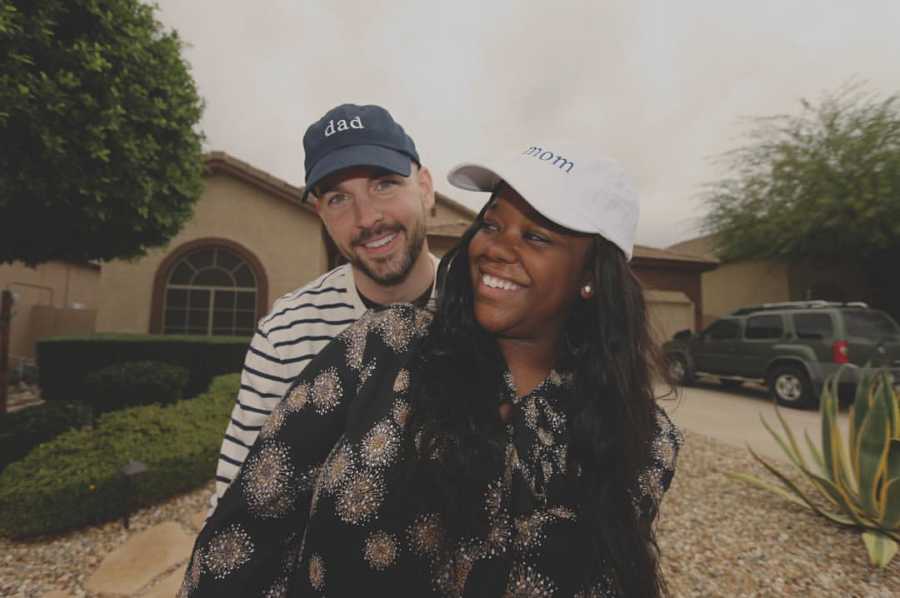
After sharing the news with my parents, we told a small group of friends. One friend, knowing about the test, said, “Don’t worry, everything is going to be fine.” At the time, I wasn’t worried, but as soon as she said it, that pit in my stomach returned with a vengeance. Later, while walking with another friend, I tried to voice my panic, explaining that no matter the results, we would keep the baby. Her response—“Would you really?”—made my stomach twist even tighter. In that moment, I questioned whether I could truly handle what lay ahead.
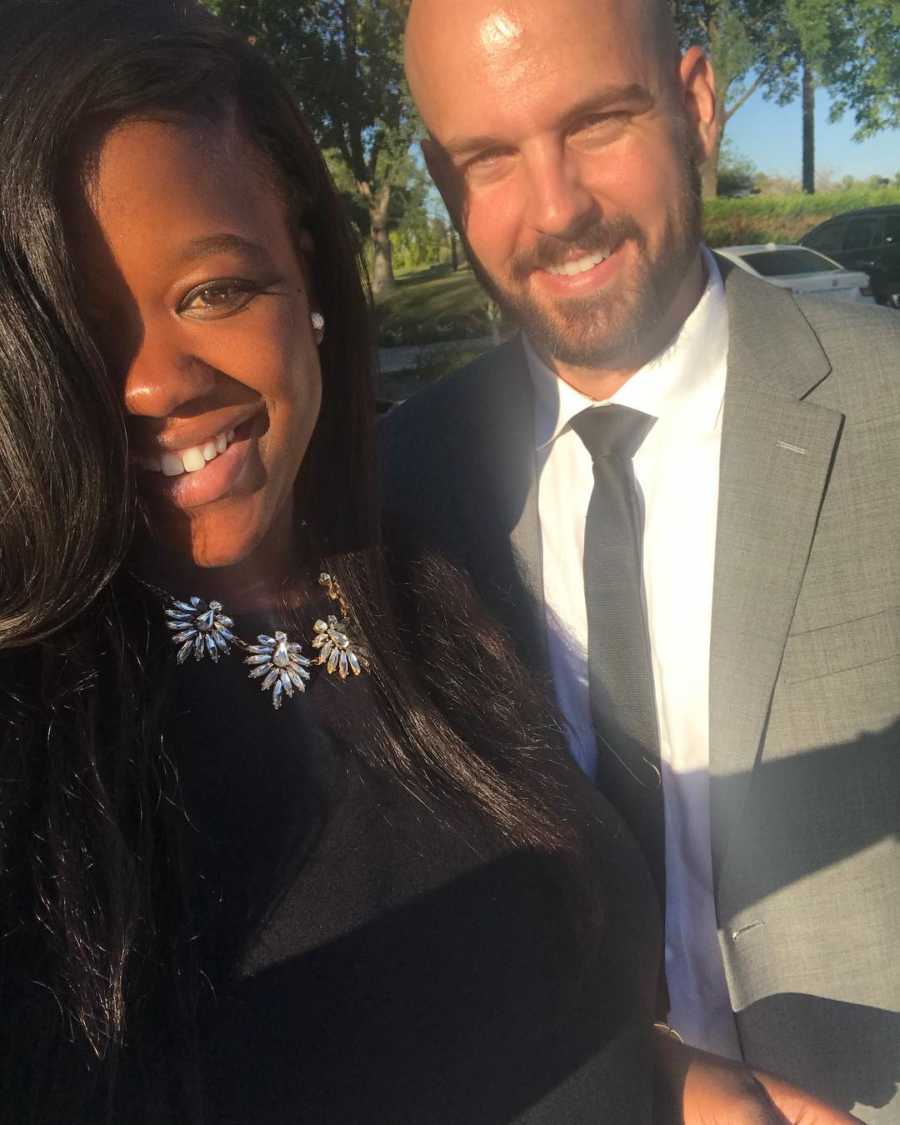
The next day, my husband and brother-in-law went hiking in an area with little cell service. When we returned to the car, I found a voicemail from my doctor saying the test results were in and asking me to call back. My heart sank. When I tried to call immediately, I was told I had missed her for the day and would need to wait until the next.
That evening, around 9 p.m., I received a call from an Arizona number while at a dinner party. My husband urged me to take it, and it was my doctor. We stepped away to a quiet room. The next few minutes are a blur, but I remember the words that cut through me like ice: “Your baby tested positive for trisomy 21. Trisomy 21 is the medical term for Down syndrome.” My chest tightened, the room spun, and tears streamed down my face. The doctor asked if we wanted to know the sex. “It’s a boy,” she said softly. “A beautiful baby boy.”
After the call, we embraced, tears pouring, hearts breaking and hopeful all at once. At the dinner party, we lied to friends, saying the doctor suspected a minor heart issue, too raw to share the truth. That night was the worst of our lives. We cried in turns, questioning why this was happening. I had done everything right—I just wanted a healthy baby.
The following months were some of my darkest. Every cramp, every twinge of pain sent me spiraling into fear. But we refused additional testing. This baby was our son. I heard his heartbeat, felt his kicks, and chose to embrace the pregnancy fully. Our medical team supported our decision, and slowly, hope began to outweigh fear.
At 34 weeks, complications arose: my amniotic fluid was dangerously low. I was hospitalized for monitoring and testing. Days passed uneventfully until I expressed concern about reduced movement. The specialists decided to keep me an extra day. The next morning, our worst fear was confirmed: Greyson had restricted growth and was in distress. We were rushed into an emergency C-section.
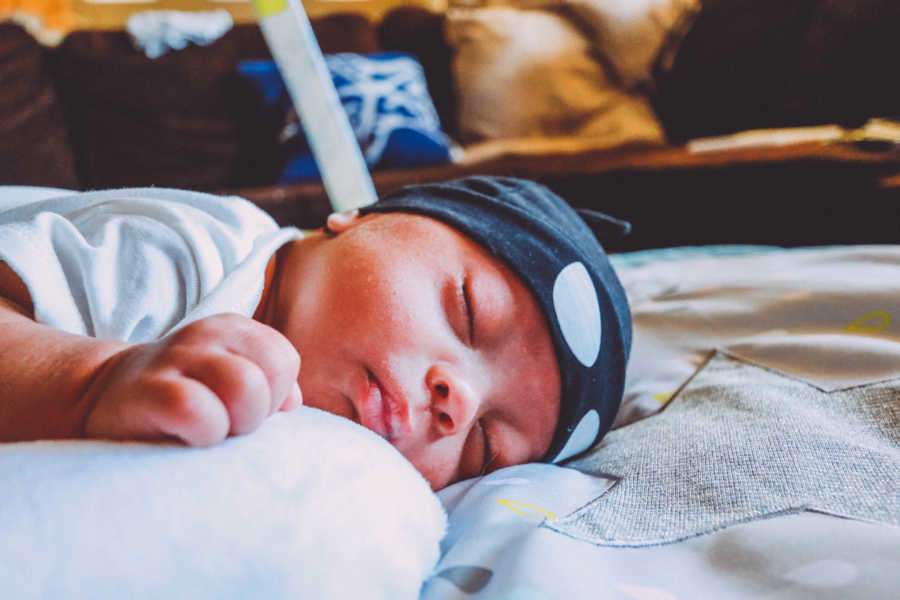
I had done everything to avoid a C-section, attending physical therapy throughout pregnancy due to the metal rods in my back. A general anesthetic would mean my husband couldn’t be in the room. The thought of not being awake for our son’s birth broke me. Greyson arrived at 4 lbs 8 oz, over five weeks early. I first saw him in a photo my husband brought while I recovered. “Is he okay? Does he have Down syndrome?” I asked. He was okay, though we would need tests to confirm the diagnosis.
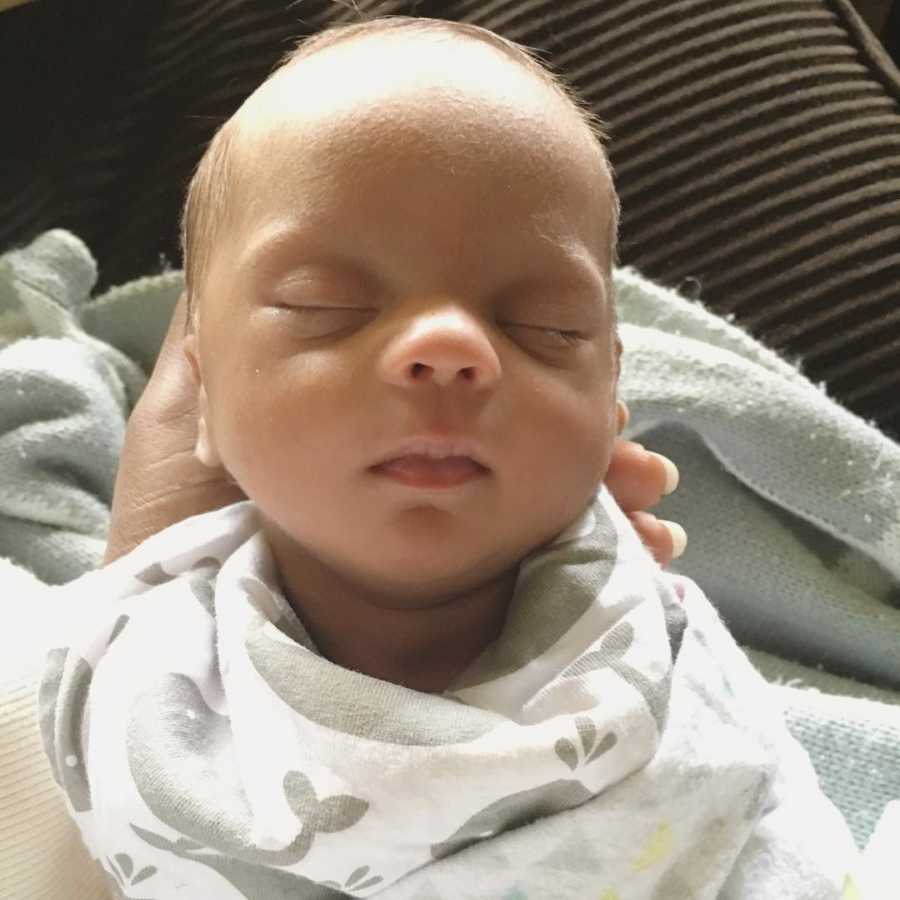
Greyson was a fighter from the start. His lungs were strong enough to remove oxygen support within 24 hours, and he spent only four days in the NICU—discharged even before me. A week later, at home, we learned his FISH test confirmed he had Down syndrome. Alone, I broke down, reliving the uncertainty and grief of that first phone call. When my husband came home, he held Greyson and reminded me: “Look at him. He fought to be here. He’s the best thing to ever happen to us. We’ve got this.”
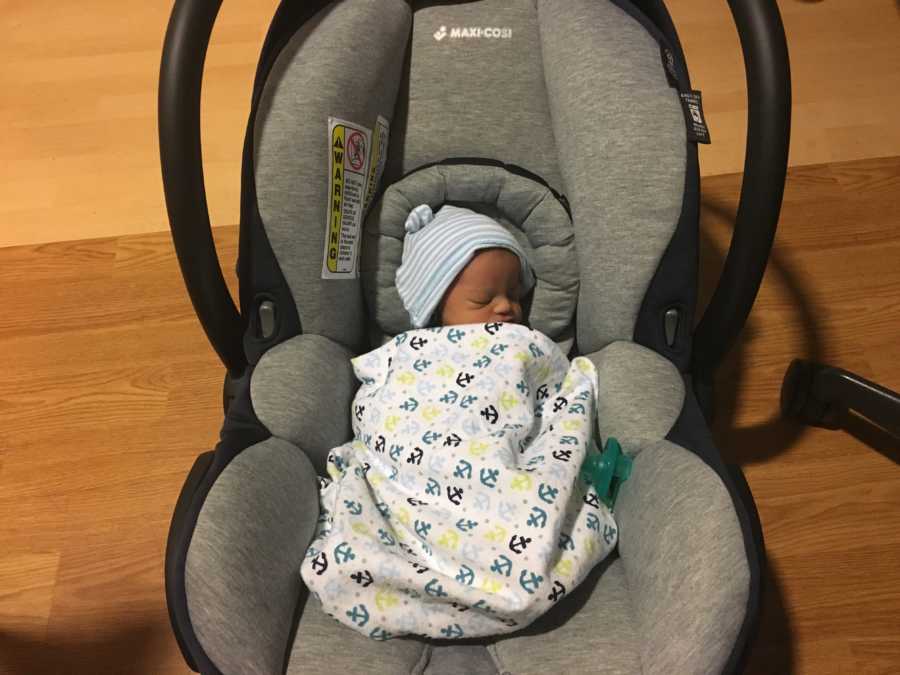
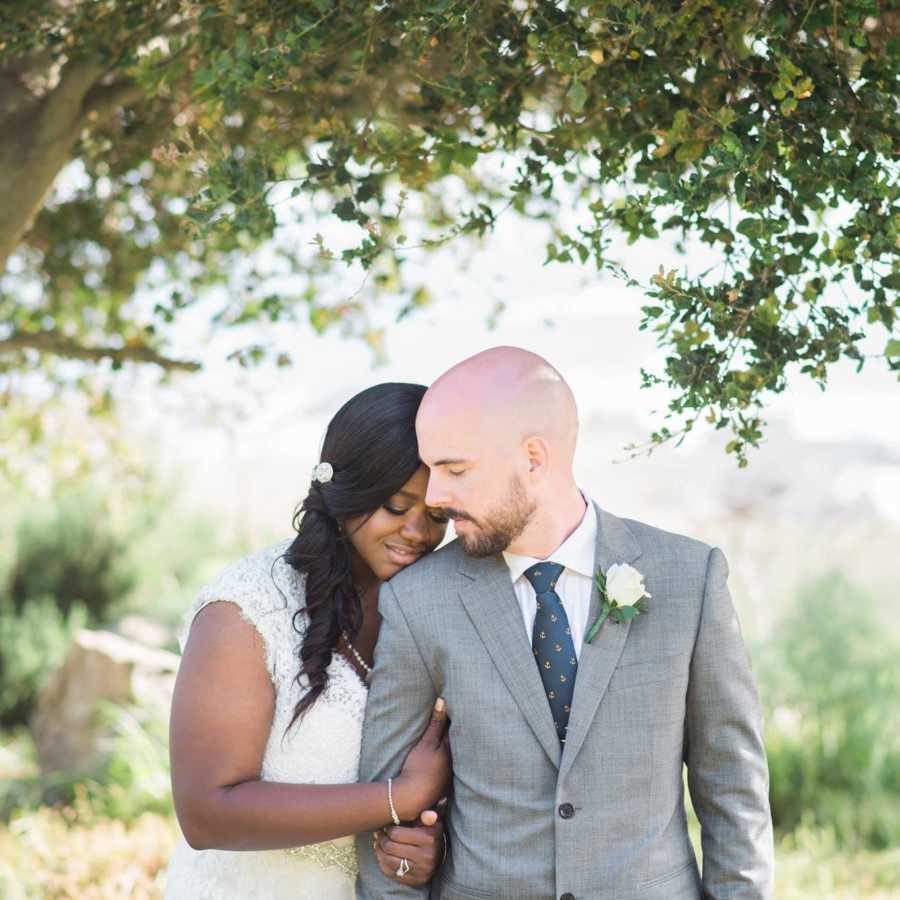
Today, Greyson is a thriving, happy two-year-old. His milestones may follow his own timeline, but he is a joyful, loving, and typical toddler. He has brought immeasurable happiness to our lives. I often say Greyson has taught us more about love, resilience, and life than we could ever teach him.
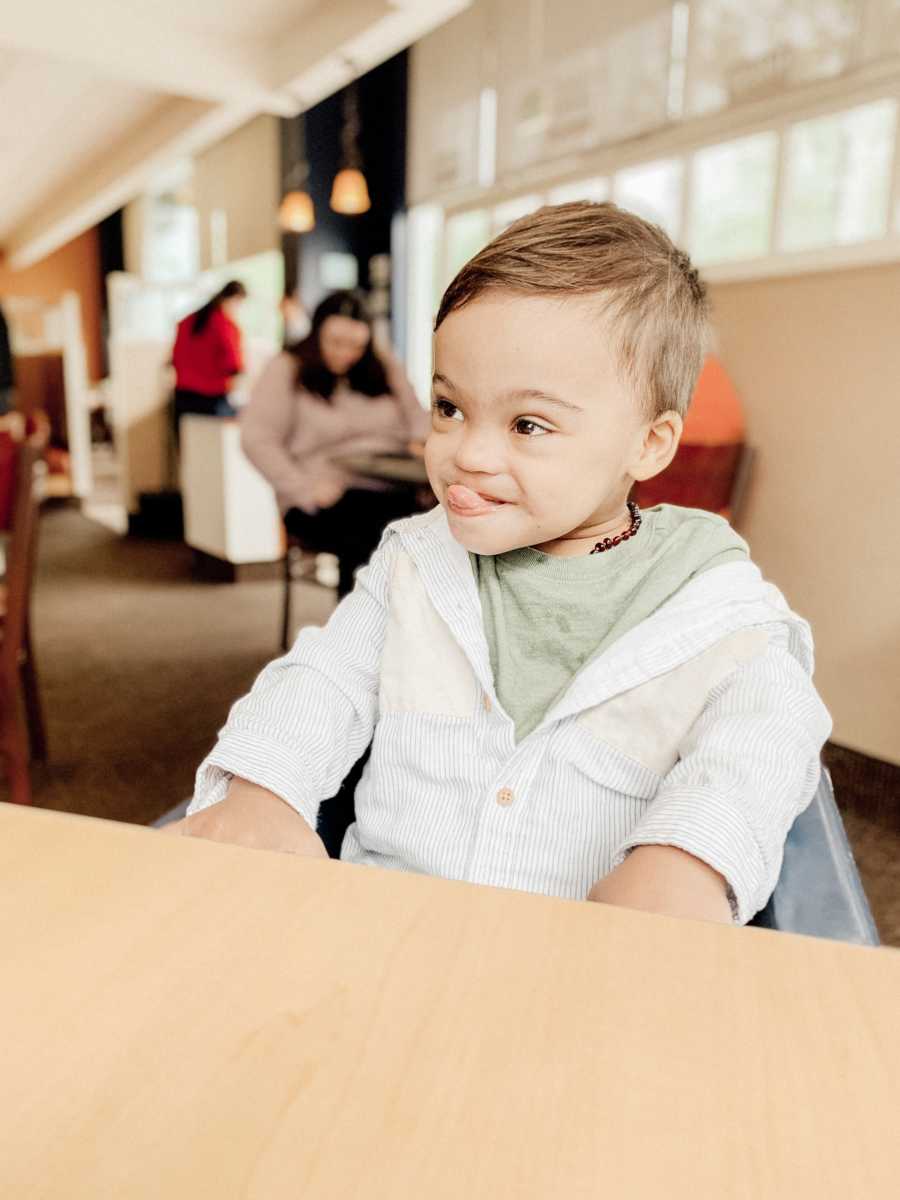
Our lives aren’t so different from families with neurotypical children. More doctors’ visits and therapies, yes—but all families face challenges. I am grateful for this journey, the scenic route we take with our extraordinary guide who just happens to have an extra chromosome. And honestly? I wouldn’t change a thing.