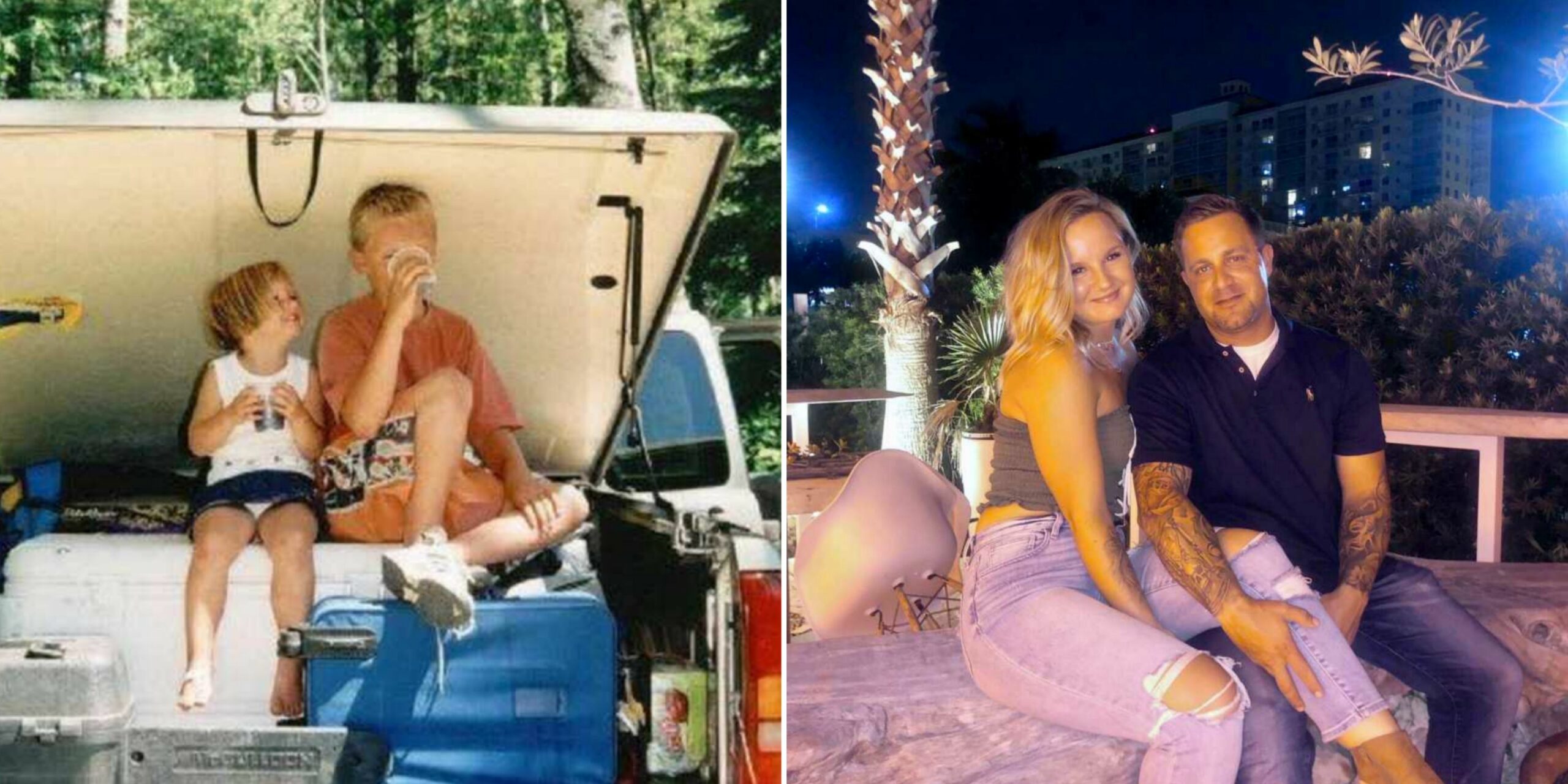
I grew up in an upper-middle-class home with the most loving parents a child could ever ask for. I am the only girl among three brothers. My parents were able to provide for every want and need we had, and my life felt normal. I had passions like dolls and horses—my first horse came into my life when I was six, and it became my everything. I lived and breathed it.
But life took turns I could never have imagined. Last night, I was talking to my roommates about the stories I’ve heard from people struggling with addiction. So many said they always felt different, like they didn’t belong, even before substances took hold. That wasn’t my story—at least, not at first.
I am a sexual abuse survivor. It happened when I was very young, too young to fully understand what was happening or the long-lasting impact it would have. I didn’t tell anyone until five years ago, when I finally opened up to my parents.
Then, on November 18th, 2006, my brother died suddenly. I was ten, in fifth grade, and I felt like I had no choice but to grow up overnight. I became the rock of my family, holding everyone together while stuffing my grief deep inside. About a year later, it all caught up with me. I battled severe depression through middle school and into high school—the kind that keeps you in bed for days, prevents you from showering, and leaves your room covered in clothes, dishes, and garbage for months. I lost love for the things I once cherished and fell in love with anything that could distract me, even if it was toxic.
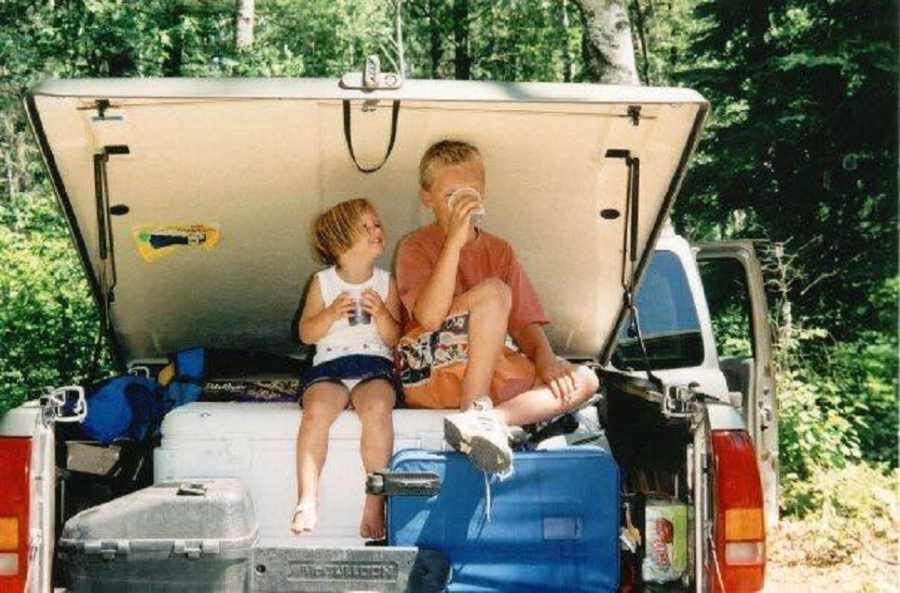
By the start of high school, I tried drugs—weed, alcohol, pills—and the progression was fast. My life quickly became unmanageable. My parents noticed and fought tirelessly to guide me toward anything positive, but by 10th grade, I was failing almost all my classes, skipping school, and in my first intensive outpatient program. Psychiatrists gave me diagnoses and prescriptions that never felt like the answer. I felt misunderstood.
I completed the program, but soon relapsed, cycling through substances and relationships, spiraling further each time. Addiction became unrelenting, and the emotional consequences hurt more than the drugs ever did. I felt hopeless, exhausted, and broken. I attempted suicide during my senior year, spending my 18th birthday in a psychiatric unit. When I got out, I relapsed again. My parents continued fighting for me, searching for answers and clinging to hope.
By 19, I was in my third treatment center, finally ready to want recovery. I longed to learn about this disease that had consumed me and to fight it with all I had. I realized the substances I used were symptoms of deeper struggles, including codependency, which became just as critical to my healing.
I started dating someone I met in treatment, convinced within two weeks that he was “the one.” But he relapsed, and I clung on for ten months while maintaining a job, attending college, and living in a sober house. Eventually, the weight of everything crushed me, and I relapsed with him. I remember that night vividly: sitting on a friend’s couch, inhaling meth from a pipe he held to my lips. In those hours, I became addicted, and the next 24 hours passed in a blur, locked in a room obsessing over a drawing, only leaving to use the restroom.
Despite a heart full of sobriety, my head was consumed by dope. I rode with my ex for days, hiding drugs and guns, my life unrecognizable. My parents were terrified, hoping I’d survive, but we drifted apart until we barely spoke. Then one text changed everything: my 13-year-old brother wrote, “I wish you would get sober so we could have our family back.” It broke me, but even that wasn’t enough. I continued days locked in my room, trapped in guilt, shame, and addiction.
One night, during a violent argument with my ex, I had a moment of clarity. I looked at him and realized I didn’t know who he was—or who I had become. I knelt next to the mattress and prayed, begging God for a sign. Moments later, I heard sirens. Two fire trucks screeched to a stop outside. I ran to the door, and the firefighter’s words hit me like a hammer: “D.O.A.—dead on arrival.”
B, a roommate, had overdosed. Watching her family pick up her things, I felt a wave of guilt unlike anything I had ever known. I imagined leaving my own family to face that same heartbreak. A few days later, I stayed up all night, watching the sunrise. The world went on around me—people walking dogs, kids heading to school—and I realized I wanted a normal life, free from the disease that had nearly killed me. I called my parents and within hours was on my way to treatment, terrified but determined to put one foot in front of the other.
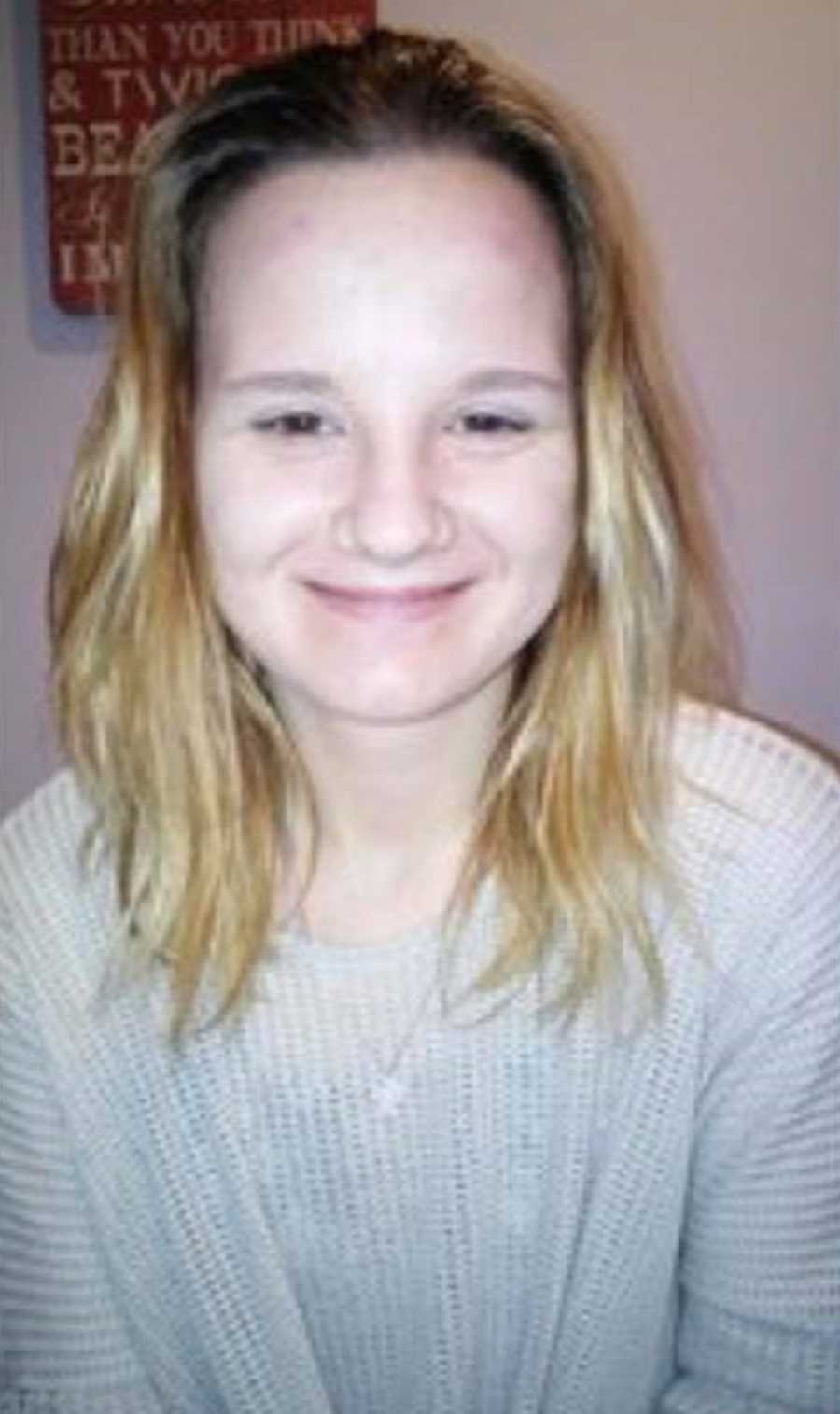
Early in sobriety, I was blessed with mentors who showed me recovery could be more than survival—it could be a life beyond my wildest dreams. They told me to show up and let God do the rest. I did. I followed suggestions, did the work, and slowly began to make positive choices. When people told me they were proud, I would say, “I don’t know who I am anymore.” They told me I was figuring it out, meeting me where I was, and loving me until I could love myself.
I developed a relationship with a higher power and learned how deeply I was loved. I realized that my mistakes, trauma, and struggles were not weaknesses but my greatest strengths. I learned that struggling is okay, crying is okay, and feeling negative emotions is necessary for healing. I became comfortable with discomfort, because that is where growth happens.
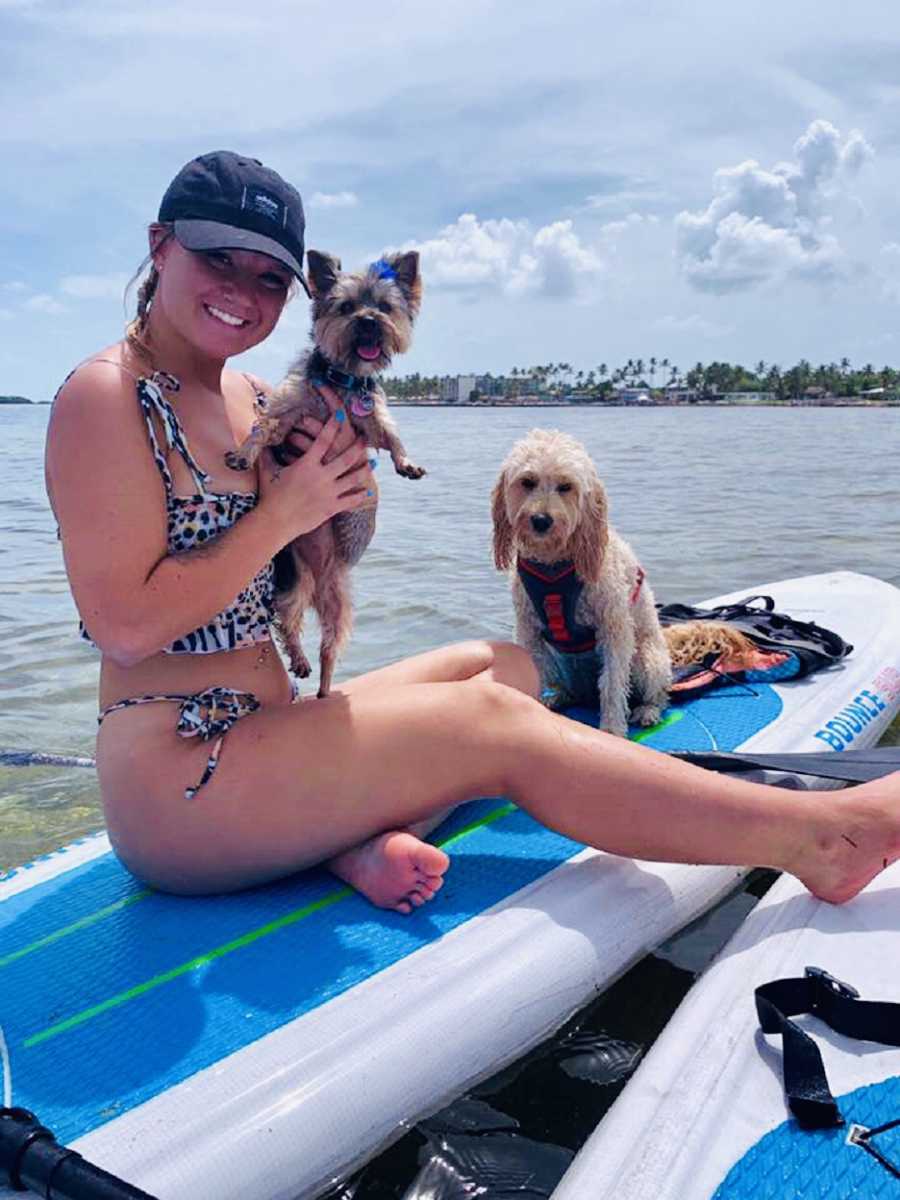
I began to see miracles everywhere—the sun on my face, the ocean waves, laughter with friends, and the quiet loyalty of family. I began to appreciate being authentic, raw, and vulnerable. Today, I live a life I once thought impossible: I spent my 21st birthday surrounded by love, sober, and free. Recovery has allowed me to be a daughter my parents are proud of, a big sister my brother trusts, a loyal friend, and a loving partner. I have a job I love, financial independence, and the freedom to explore my passions. My life is beyond what I could have imagined.
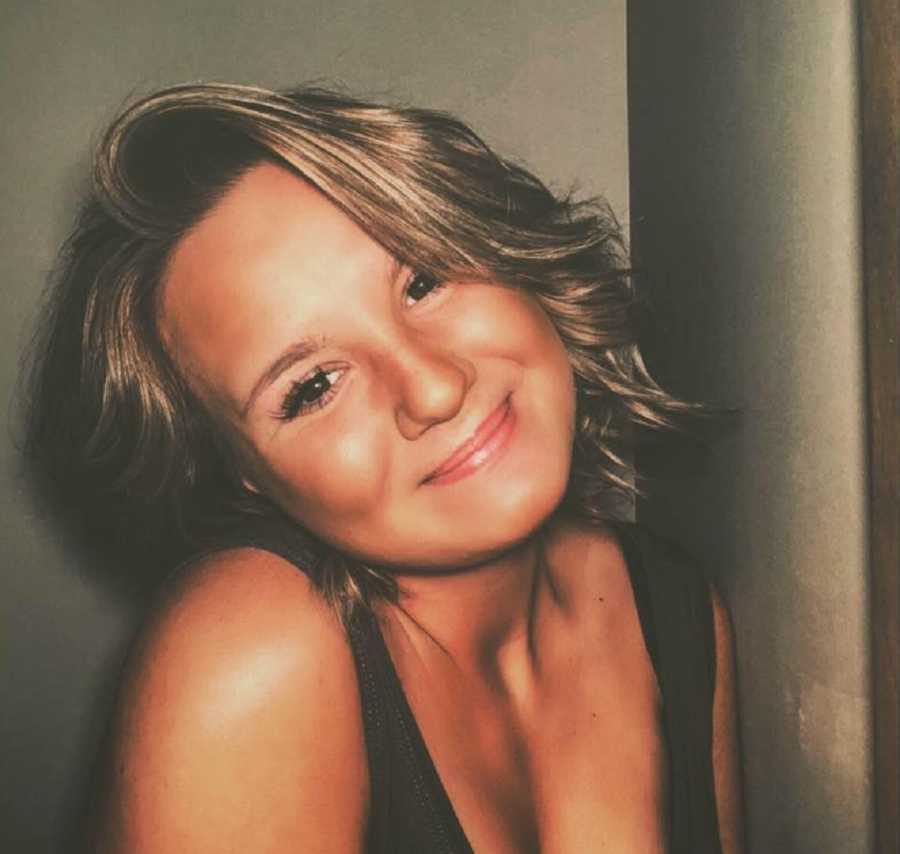
Two years into recovery, I’ve grown, struggled, made mistakes, and done the inner work I couldn’t before. I still have a long journey ahead, but each day is a chance to learn, heal, and inspire others. I don’t have it all figured out—but I am here, present, and free. I used to fear sobriety would end my life. Instead, it began the most beautiful, messy, and extraordinary journey I could ever ask for. And for that, I am endlessly grateful.