When I was a little kid, I went to a bookstore for a meet-and-greet where an actress dressed as Miss Spider had been hired to entertain children. I don’t know if I was old enough to separate fantasy from reality, but I do know I was young enough—and emotionally unfiltered enough—that I had absolutely no control over my reactions.
I screamed. I cried. Several adults rushed in to soothe me, Miss Spider included. Everyone assumed I was terrified by the sight of a massive spider costume, its legs stretching out for what felt like miles. And they were absolutely right. But somewhere in the middle of the chaos, through snot and sobs, I managed to gurgle out that Miss Spider was just so wonderful.
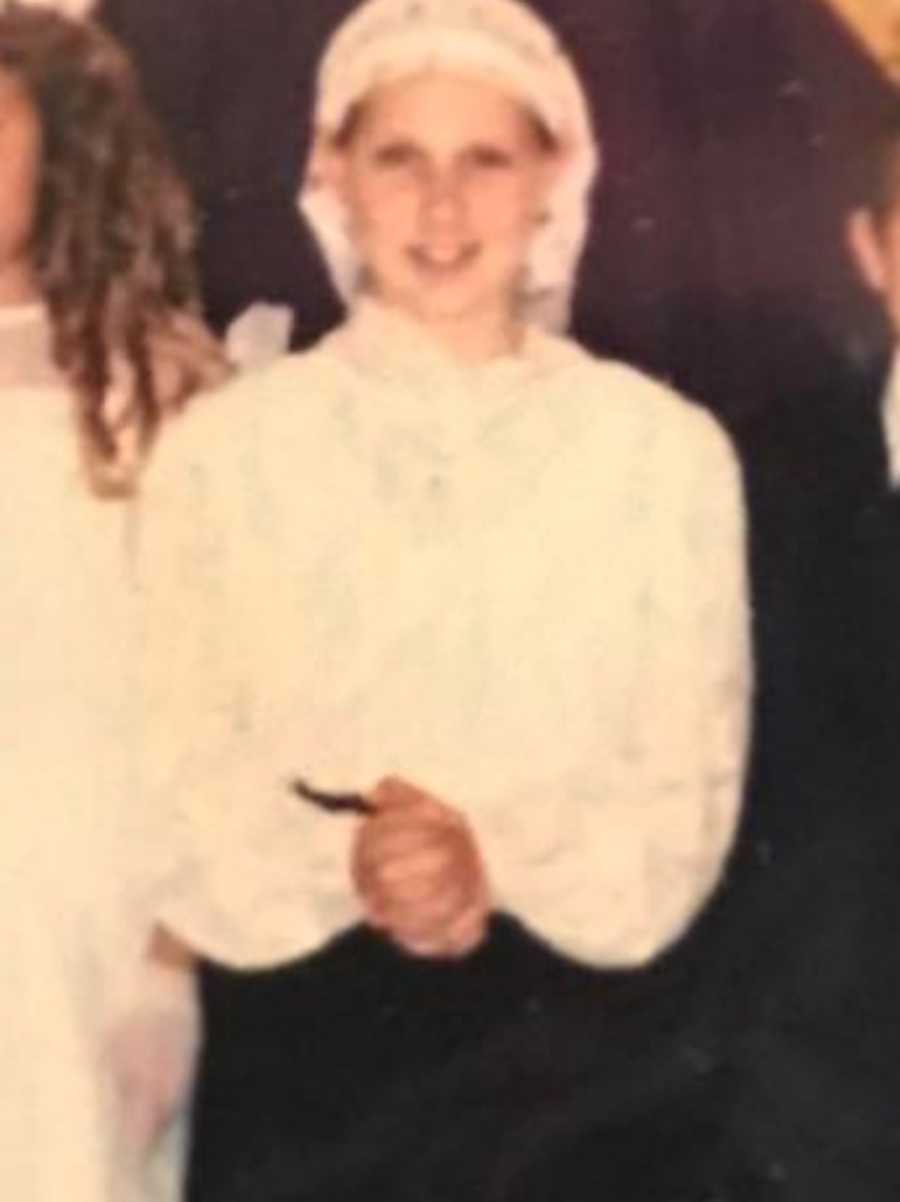
Meanwhile, I was a towheaded, gawky, fish-eyed little ugly duckling. Over time, I didn’t exactly turn into a swan—I blossomed into a goose with alopecia and facial asymmetry. My teeth grew in eager and crowded inside a mouth too small to hold them. My hands and feet could rival the Black Lagoon Creature’s fins. My face shines like a full moon, complete with acne craters dotting its spherical glow. I may not be the bee’s knees, but I certainly have knock knees.
When I share this self-awareness with people I love, their instinct mirrors those well-meaning adults from my childhood. They offer reassurance. They promise everything will be okay. They insist I’m wrong about what I see. The only difference is that instead of explaining Miss Spider as a beautiful woman hidden beneath prosthetics and makeup, they’re telling me that I’m beautiful.
Before these kindly intentions followed me into adulthood, I spent a lifetime absorbing negative affirmations about my appearance and my personality.
At first, they came from my peers and stayed fairly surface-level: “We don’t want to play with you—you’re ugly, weird, a freak.” Sometimes “stupid” was added to the mix when my speech impediments became part of the assessment.
As my peers matured, so did the cruelty. I was—and still am—deeply emotionally and physically sensitive. I wear anguish like a statement piece. I cried easily, often, and visibly. My peers developed a disturbing fascination with intentionally hurting me just to watch how long and how hard I would cry.
When my first round of puberty hit, things darkened further. Adults suddenly felt invited to comment on my body and my demeanor. Pediatricians skipped asking whether I was sexually active and jumped straight into safety lectures. Among my peers, the consensus was that I was “undateable,” even “unrapeable”—a label that conveniently excused the people who felt compelled to attempt the latter anyway.
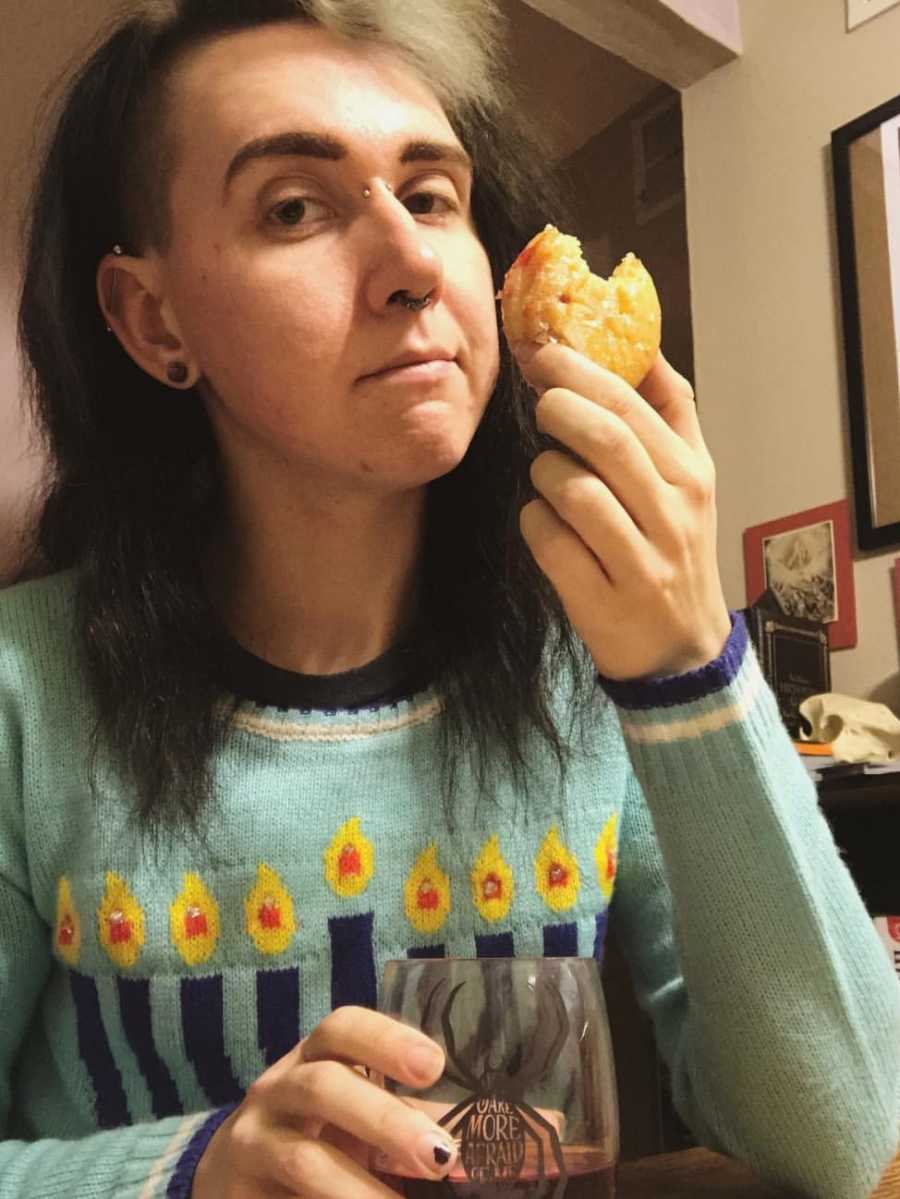
Some of the greatest hits from friends, acquaintances, adults, former partners, and even children include:
“I just can’t look at them. I’m sorry—I know they’re your friend—but they’re so ugly.”
“Their hands are like deflated balloons. I can’t believe I let them touch me.”
“Did they transition because they were such an ugly girl?”
“Oh, they’re transitioning that way? I mean… it’s hard to tell because they’re so—”
And on. And on.
Here’s the thing: I’m ugly. Incredibly ugly. Emphasis on incredible. And I’m proud of it.
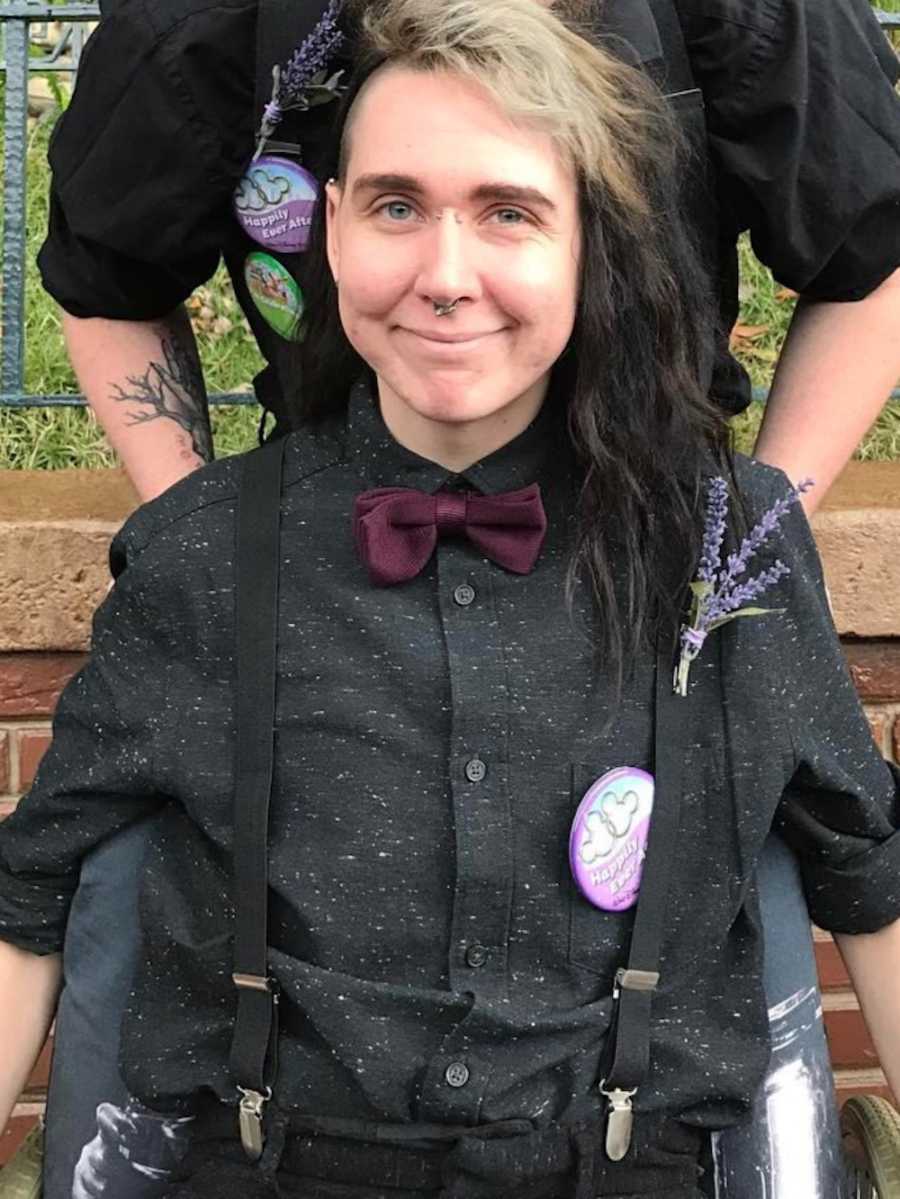
That pride didn’t come easily. For the first half of my life, I internalized the abuse. I believed the logic of it. I understood why they hated me and assumed I should hate myself too. My eventual coming out as a queer person was slow, cautious, tear-soaked, and traumatic—eerily similar to my first encounter with Miss Spider. And somehow, despite everything, it was just as wonderful.
I won’t claim that all ugly kids grow up fabulously queer—though Lou Reed’s “Smalltown” makes a compelling case. And I won’t pretend the LGBTQ+ community is immune to racism, lookism, ableism, ageism, or misogyny. We carry much of that baggage with us. But I can tell you that I am one of the people who grew up to find pride in ugliness—both as a concept and as a personal truth.
Two major breakthroughs arrived around the same time.
Picture it: the mid-2000s. Disney princesses. Rom-coms. A decade’s worth of interchangeable couples courtesy of Friends. My peers loved it all. I desperately wanted to love it too—but I didn’t.
What I did love was the debut season of a Bravo show featuring five fabulously flamboyant men tearing through bachelor pads like human tornadoes. It was everything.
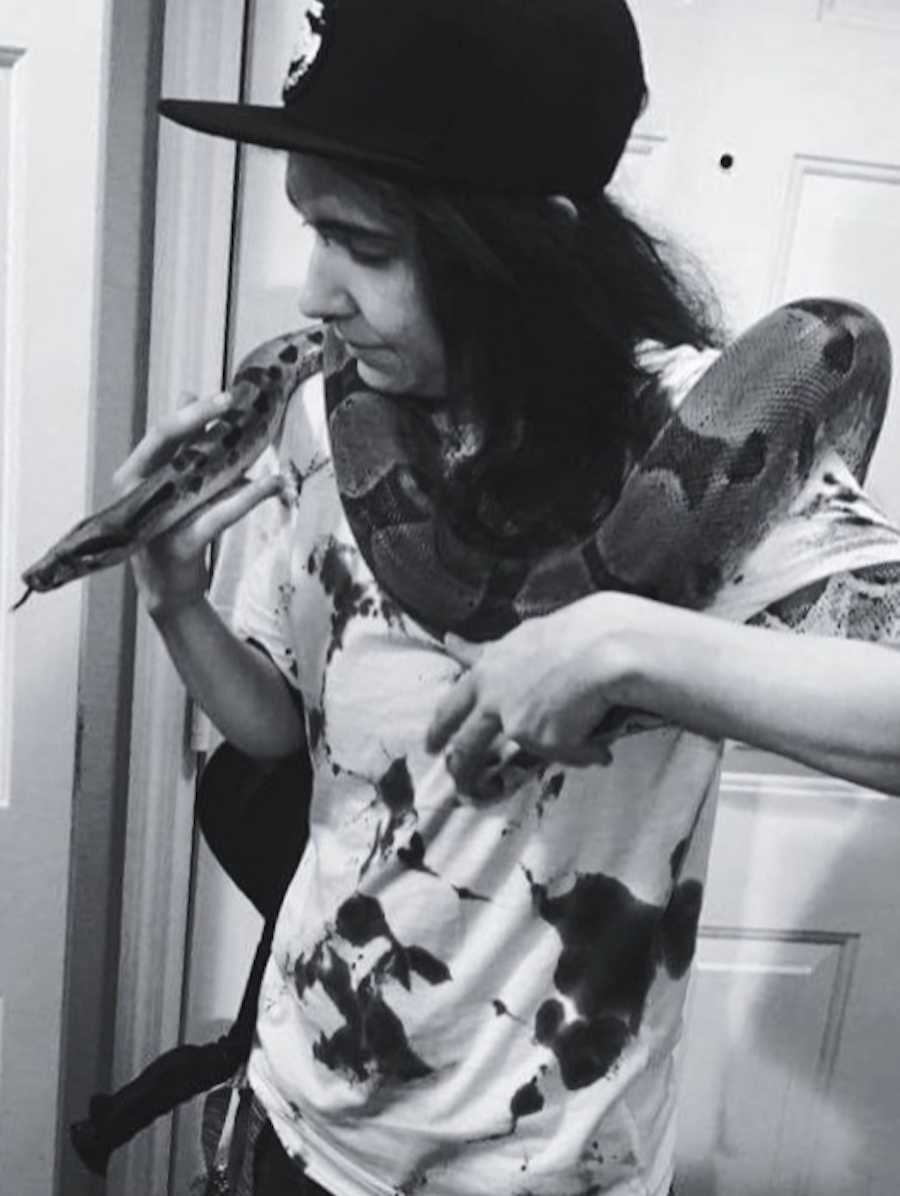
Through the original Queer Eye, I began opening doors to funhouse mirrors of monstrosity. In the same cultural breath, I saw Carson Kressley revealed as a crab person on South Park and watched John Hurt portray Joseph Merrick, the Elephant Man, pleading, “I am not an animal! I am a human being!”
In college, I studied queer coding through theory and aesthetics. I learned the sharp elegance of Oscar Wilde’s wit. I found deep validation in Edmund Burke’s distinction between the “beautiful” and the “sublime”—two poles that encompass the full spectrum of human feeling. Beauty, Burke argued, is comforting and pleasing, meant to be held close. It exists everywhere.
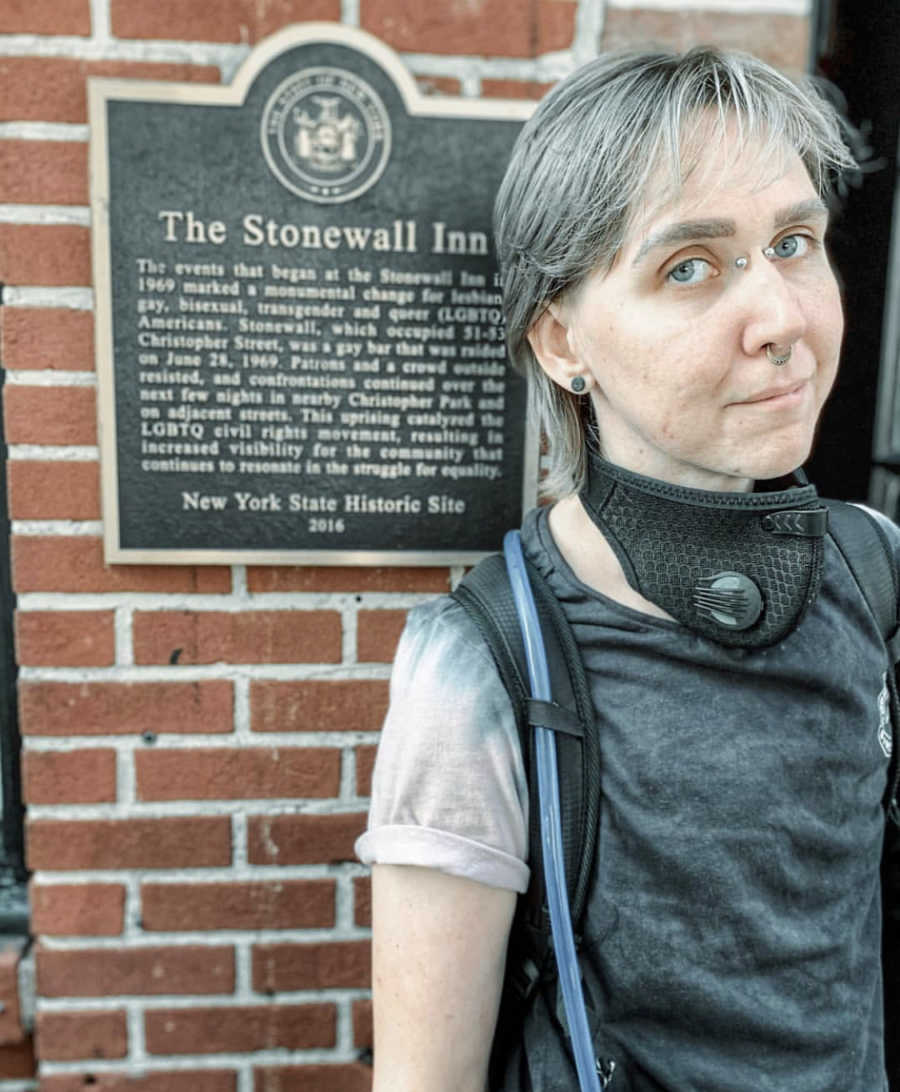
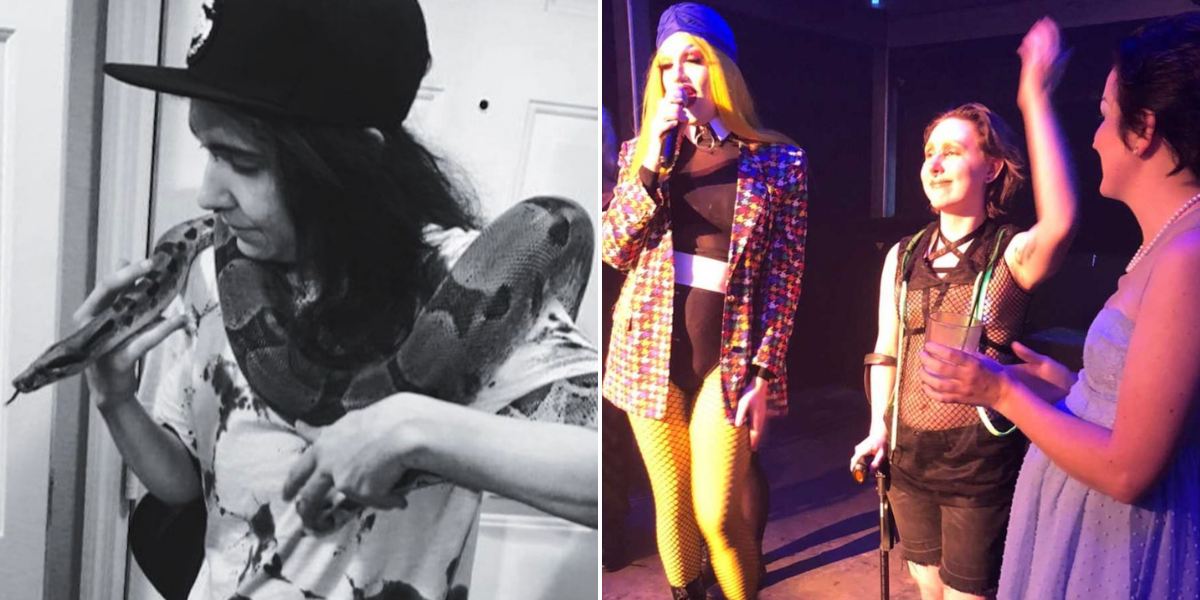
When I wasn’t philosophizing, I embraced the drama. I devoured RuPaul’s Drag Race and fell in love with unapologetic icons like Tammie Brown, Sharon Needles, and Alaska. When I left campus housing, I found home at Pulse Orlando. When I needed another home, it became Stonewall Orlando—on a fateful Tuesday night I no longer write about.
Creature Feature Tuesdays at Stonewall Orlando is the first place where peers approached me with genuine affection, greeting me with an enthusiastic “Hello, ugly!”—a term of endearment in monster-centered spaces. It’s the first place I was told I looked amazing and knew it was meant sincerely. It remains the only place where no one—patron or performer—has ever interrogated my physical differences or disabilities. Even now, when my many ailments keep me home, I’m often messaged by regulars telling me I’m missed and loved. Stonewall Orlando is where I learned my sublime confidence.
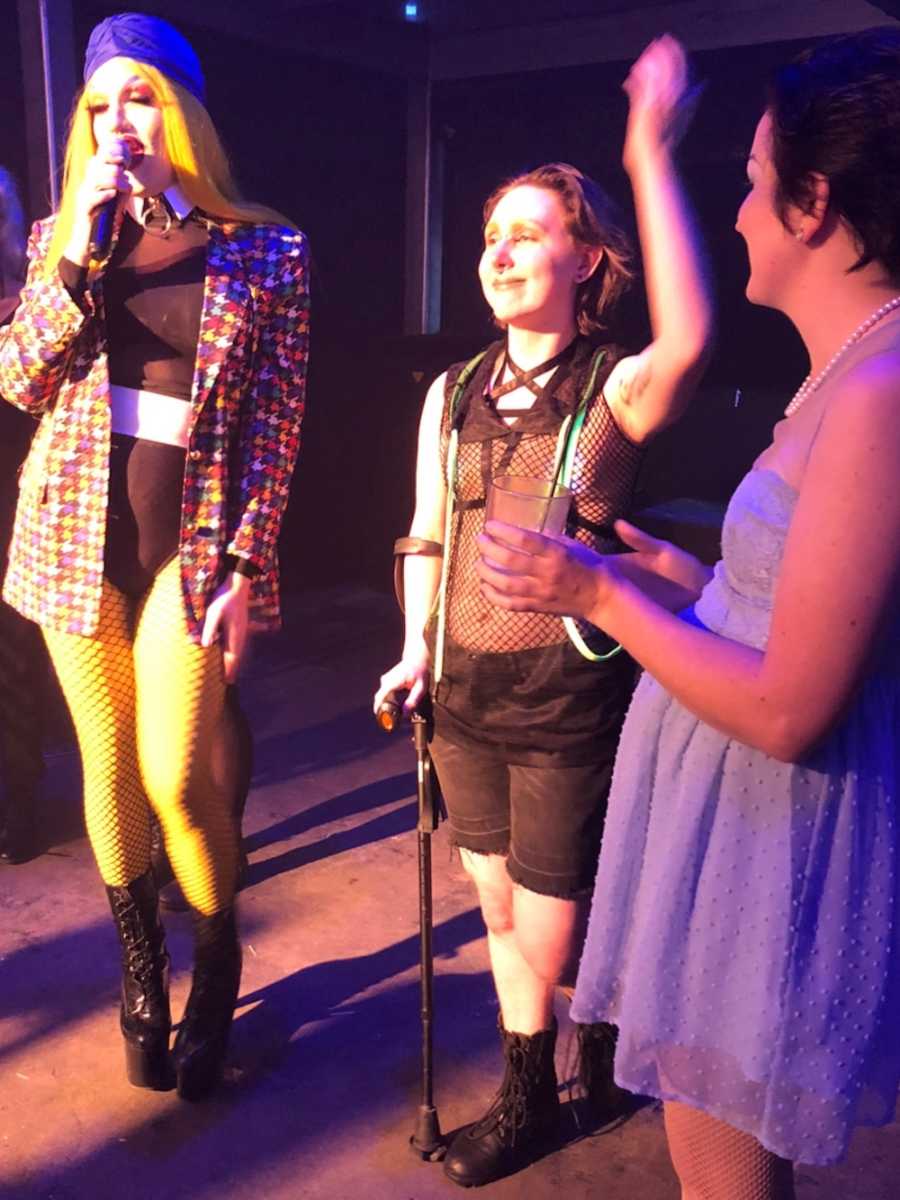
Agender, simply put, is the absence of gender under the transgender umbrella. My transition includes masculinization typical of female-to-male paths—HRT, surgeries—but my relationship to gender comes from lifelong alienation from what it means to be A Woman or A Man.
It may have taken nearly three decades, but I have learned how to reclaim every slur, every insult, every cruel observation ever carved into me—and savor the power of it.