My husband and I live in Cairns, Far North Queensland. Between us, we have three children: two girls aged six and seven, and our little boy, who is two and a half. We’re just a regular family, except for one thing—our son likes to wear dresses. And, believe me, people have had strong opinions about it!
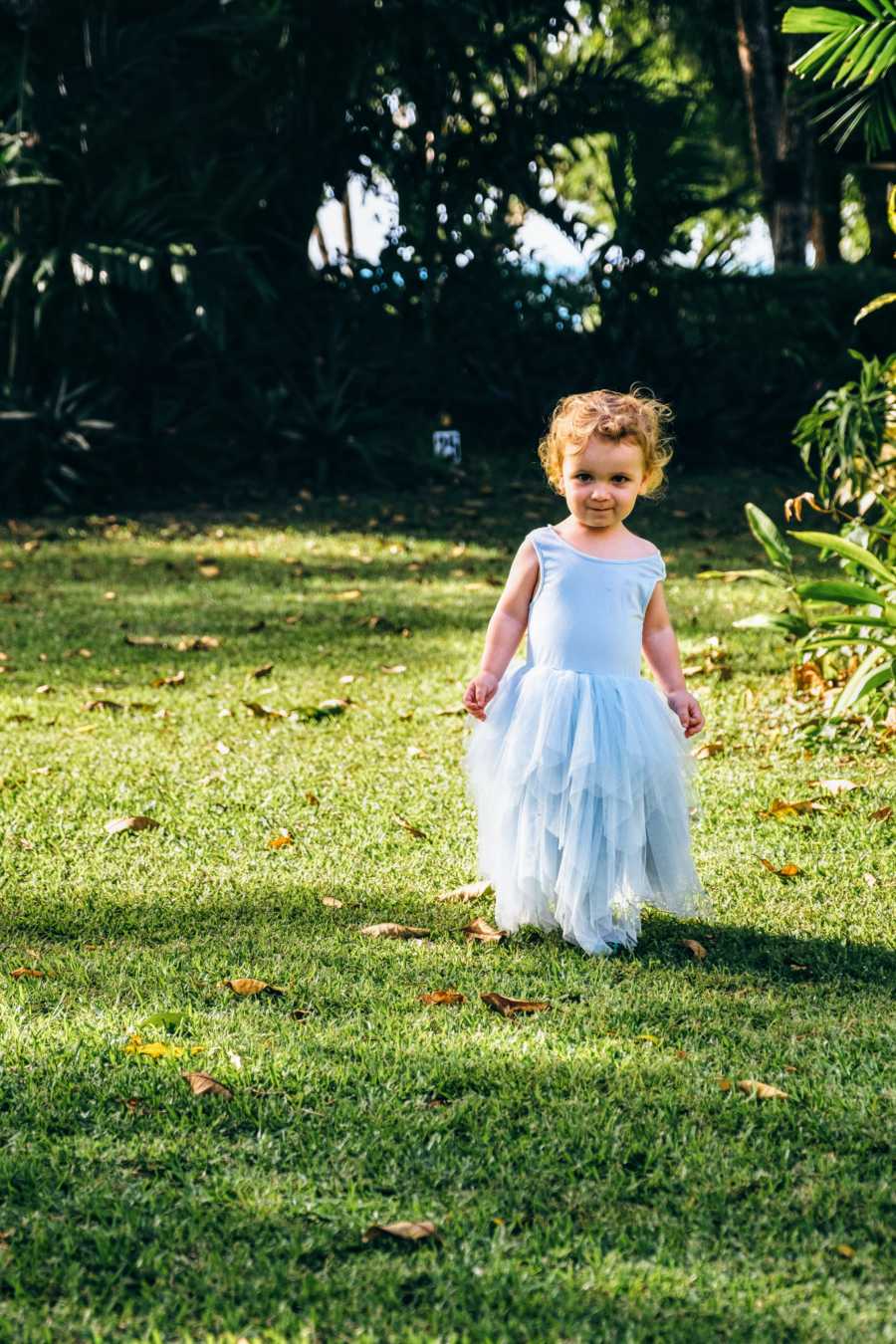
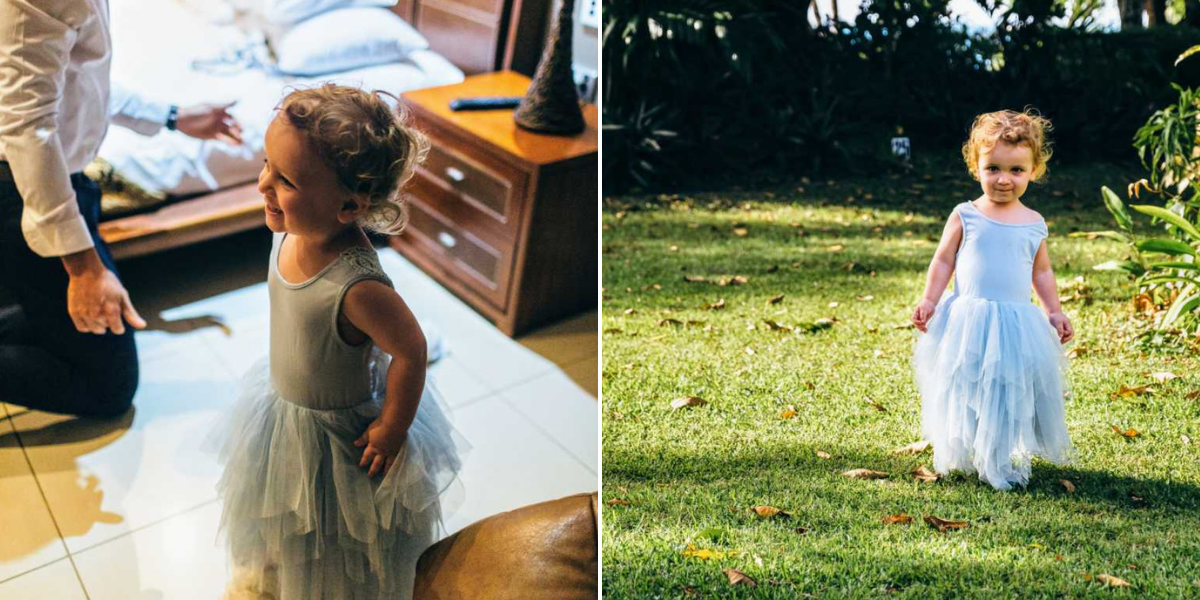
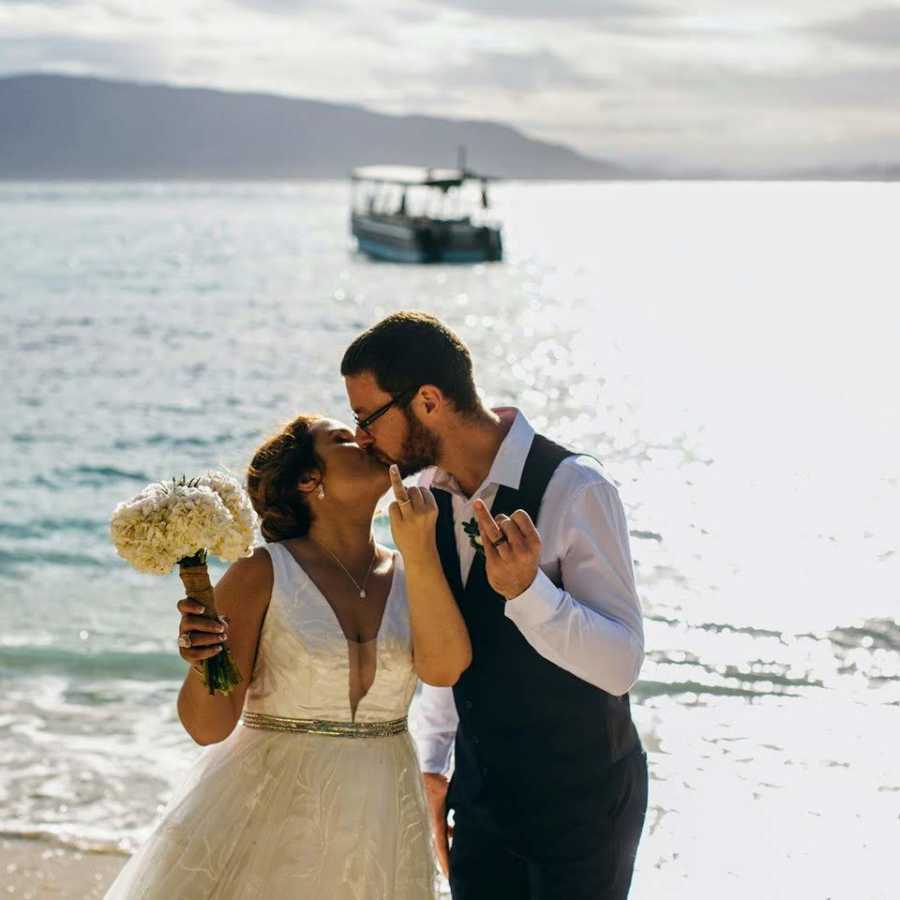
On May 11 this year, my husband Naj and I tied the knot on a stunning island just off Cairns. It was the most perfect day, filled with love and laughter—though, yes, a few things went a bit sideways, like the wedding cake arriving with a giant stingray cake topper (but that’s a story for another time!). I wore a flowing ivory dress, our girls were in delicate peach-and-white flower girl dresses, and our son… well, he wore a blue flower “boy” dress. I know it’s unconventional, but it made him so happy that we didn’t think twice.
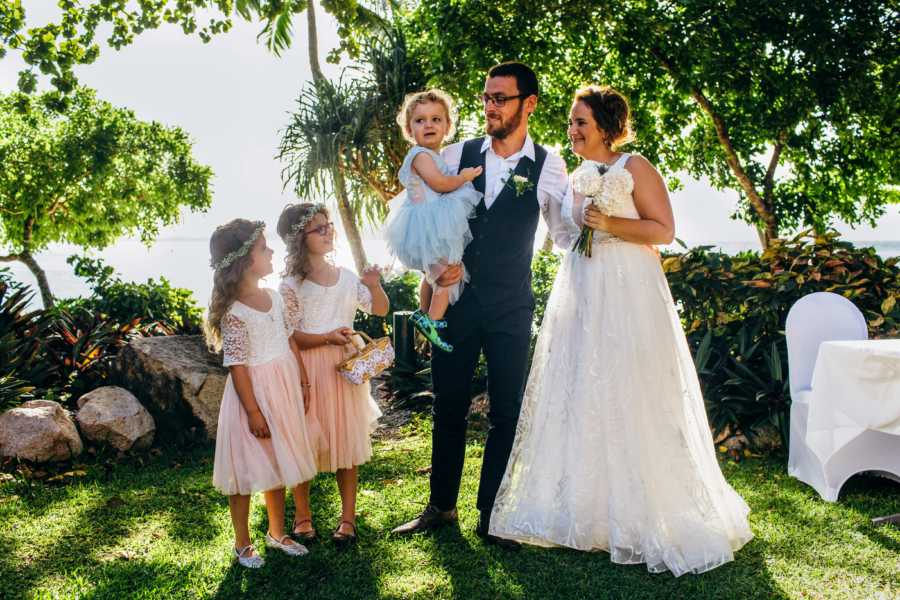
The truth is, he had three options for the day. I had ordered a kilt from Scotland, my homeland, but the moment it arrived, he refused to go near it. Every time I tried, he would cry and run away. Then Naj bought him a tiny suit to match his own, and while it was adorable, our son simply wouldn’t wear it. He saw his sisters in their dresses and asked where his was. Deep down, I knew there was only one solution: he needed a dress of his own. And so we got him one.
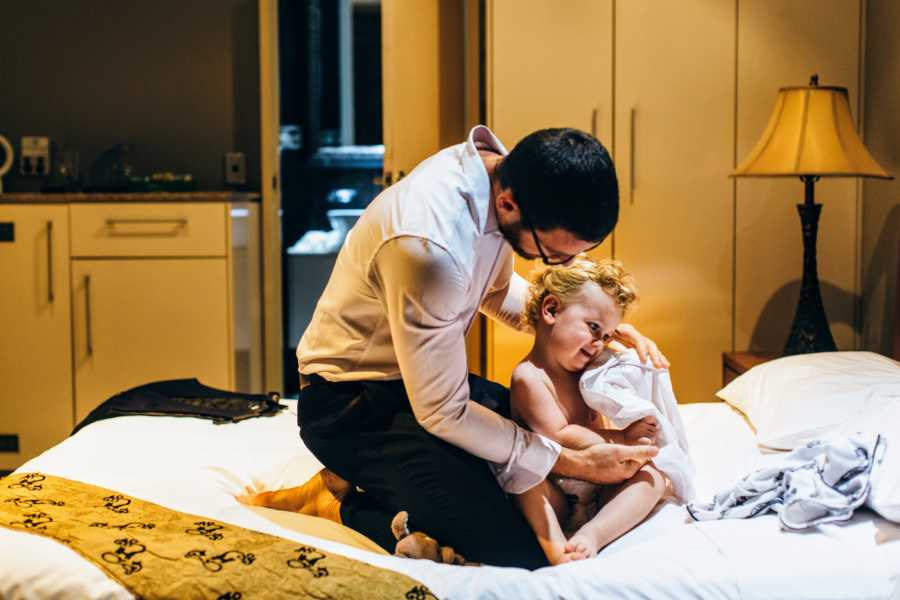
Our little boy is full of energy, humor, and sensitivity. He doesn’t walk—he runs everywhere. He adores playing chase with his sisters, especially their favorite game, “poison baby,” which seems to involve endless sprinting. He loves cuddles, painting, and being at the park. He’s just a regular little boy, full of curiosity and joy.
At two years old, he doesn’t yet think in terms of gender. He idolizes his sisters and wants to be just like them—including wearing pretty clothes. It’s innocent, pure, and really sweet. He wears dresses to daycare, to stores, wherever he pleases. His clothing doesn’t define who he is; it’s simply an expression of his personality. And that’s perfectly okay.
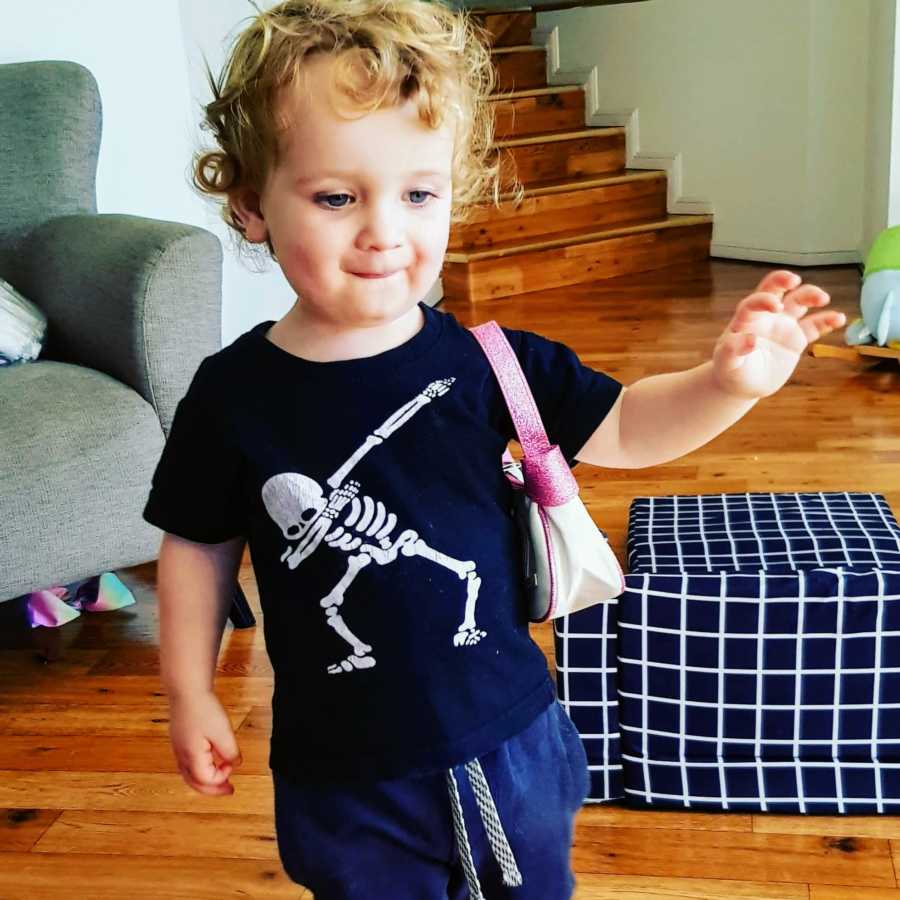
When a photo of him in his dress at our wedding went online, the response was mostly positive. But once media outlets picked it up, I realized not everyone shared our view. Some comments were supportive, but others were cruel:
“You should have made him wear the suit!”
“He’s two. He doesn’t get to decide what to wear.”
“This is evil. You’ve violated his human rights.”
It hurt to read, especially knowing how happy he was that day. But here’s the thing—he’s just two. He’s not making a political statement or redefining gender. He simply wants to feel good in what he wears, and isn’t that what we all want when we dress up? He has his own personality, his own tastes, and sometimes they don’t align with expectations or tradition—but that’s parenting. Love your child, unconditional and without compromise.
For us, prioritizing our children’s happiness comes first. What they wear will never change how much we love them. If our son wants to wear a dress, so be it. If one of our daughters wanted to wear a suit, we’d have the exact same conversation. Our goal is for them to grow up confident in themselves, knowing they are loved and accepted unconditionally. That’s the only opinion that truly matters—their own.

Even more important is the hope that this kindness and acceptance will extend outward. We want them to grow into empathetic, compassionate adults. The world needs more of that. Two quotes capture our parenting philosophy perfectly:
“It’s not our job to toughen our children up to face a cruel and heartless world. It is our job to raise children who will make the world a little less cruel and heartless.” – L.R. Knost
“Your children are not a masterpiece that you create. They are their own masterpiece creating themselves, and you have been given the privilege of watching them be the artist.” – J. Warren Welch
Our responsibility as parents is simple: let our children be who they are meant to be—and love them, always.