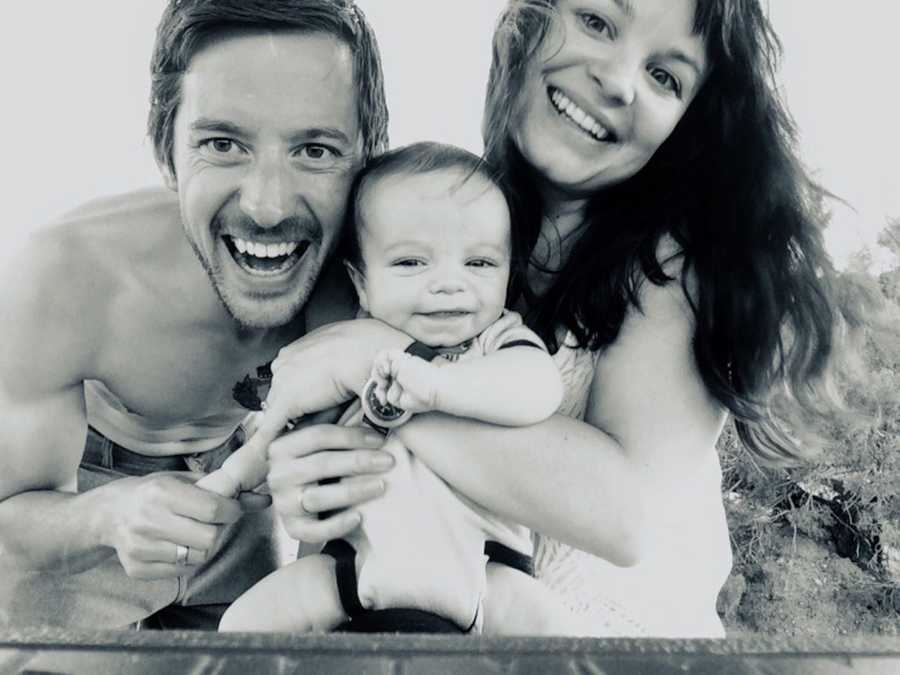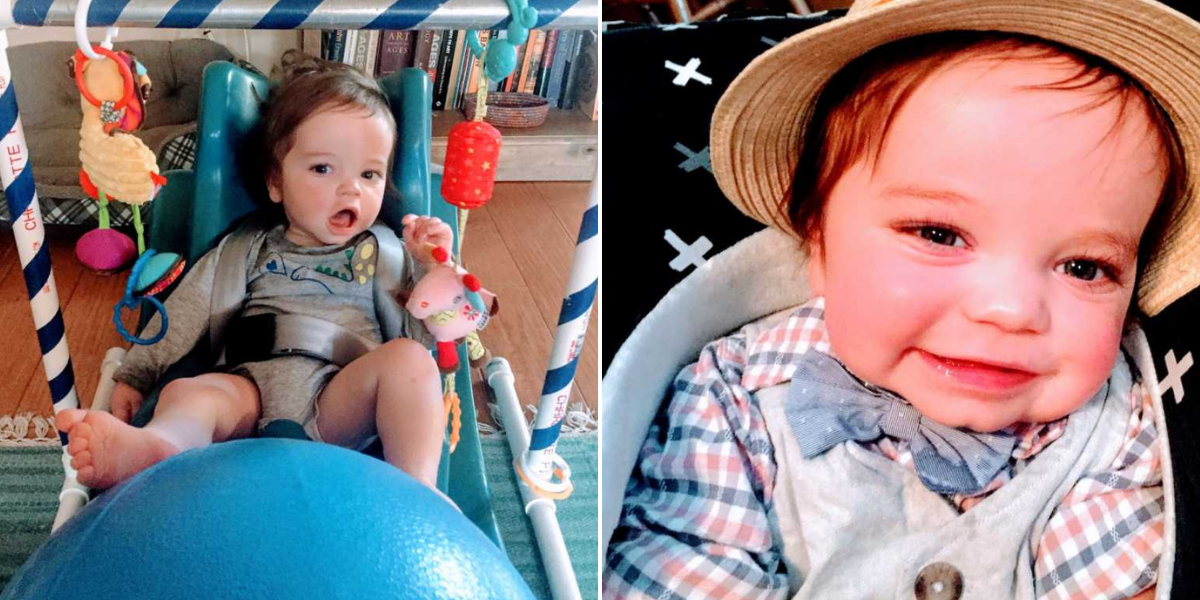
I held my phone as steadily as I could, pointing it toward my little boy, hoping to capture every movement on video. I had imagined doing this for every milestone my three-month-old baby, Julian, would reach. This moment, however, was one I had never, in my 33 years of heightened anxiety and lifelong proneness to nightmares, imagined I would face. I was witnessing something I would never wish on my worst enemy. As Julian’s tiny body was overtaken by his first tonic clonic (grand mal) seizure, I knew we needed this footage for his doctors. And no matter how nauseous or faint I felt, I knew I had to stay present. I stroked Julian’s tense, shaking face, whispered his name, and tried with everything in me to let him know he was safe.
That first seizure happened on the morning I was scheduled to return to work after three months of maternity leave. We were transferred from our small local hospital to a regional facility, where Julian was monitored overnight on EEG. The next day, after an MRI, we received a diagnosis: Polymicrogyria, a malformation of the gyri—the valley-like folds of the brain’s cortex. The affected area was extensive, covering most of Julian’s frontal lobe in both hemispheres. He would need immediate intervention—physical, occupational, and speech therapies—to address low muscle tone, global developmental delays, and potential feeding challenges. Our neurologist offered no concrete prognosis. Instead, he reminded us that every child is different, and it was far too early to know how Julian’s brain would develop or how his cognitive and physical abilities might be impacted over time.
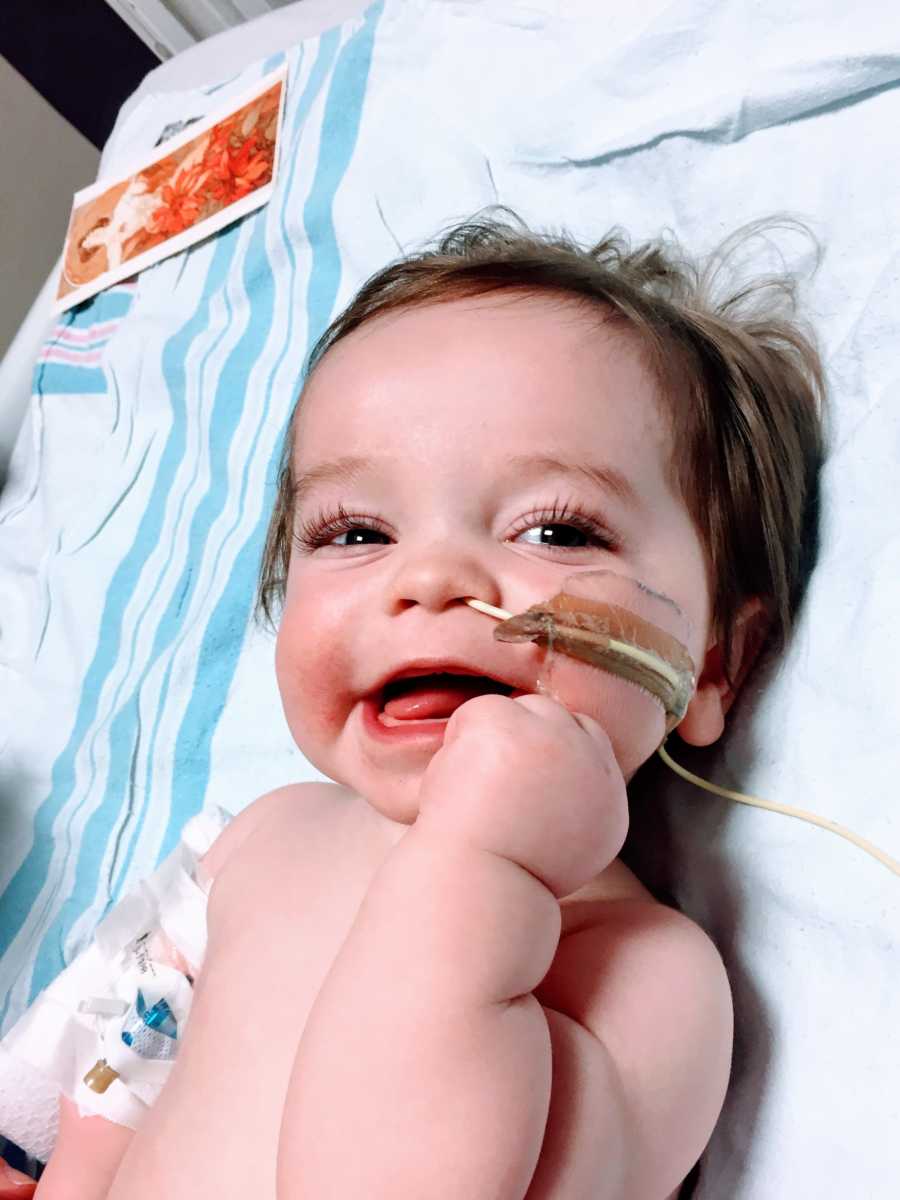
As I tried to process this mind-numbing, gut-punch of information, I turned to my phone in an attempt to quiet my spiraling thoughts. I Googled “Polymicrogyria,” half-expecting—based on years of hypochondriacal tendencies—that this diagnosis would be far less terrifying than I imagined. Surely it would just be a long, intimidating word we could overcome with therapy and devoted parenting. But as the search results loaded, my heart sank. Images of children in wheelchairs, feeding tubes, vacant stares, and the phrase “shortened lifespan” appeared within the first few results. I closed the browser, ran to the hospital bathroom, and vomited my breakfast into the toilet. Then I curled myself into the bathtub, as small as I could get. I felt empty. My thoughts turned dark and unfamiliar, and I wondered—terrifyingly—if I should never have been born, if only to spare my son from what I now believed would be a life filled with relentless seizures, pain, and possibly something even worse: a lack of awareness altogether, sustained only by feeding tubes, oxygen, and an endless stream of anti-seizure medications.
Over the following year, I learned that I could sink even deeper emotionally than I had that first day in the hospital. There were moments when Julian’s seizures escalated into status epilepticus—seizures lasting more than 30 minutes—unresponsive to standard medications. Eventually, he would need to be heavily sedated with powerful benzodiazepines to stop them. My husband and I spent a month living inpatient as Julian’s small body endured multiple seizures every single day. We didn’t know if we would ever leave the hospital with our precious boy still alive.
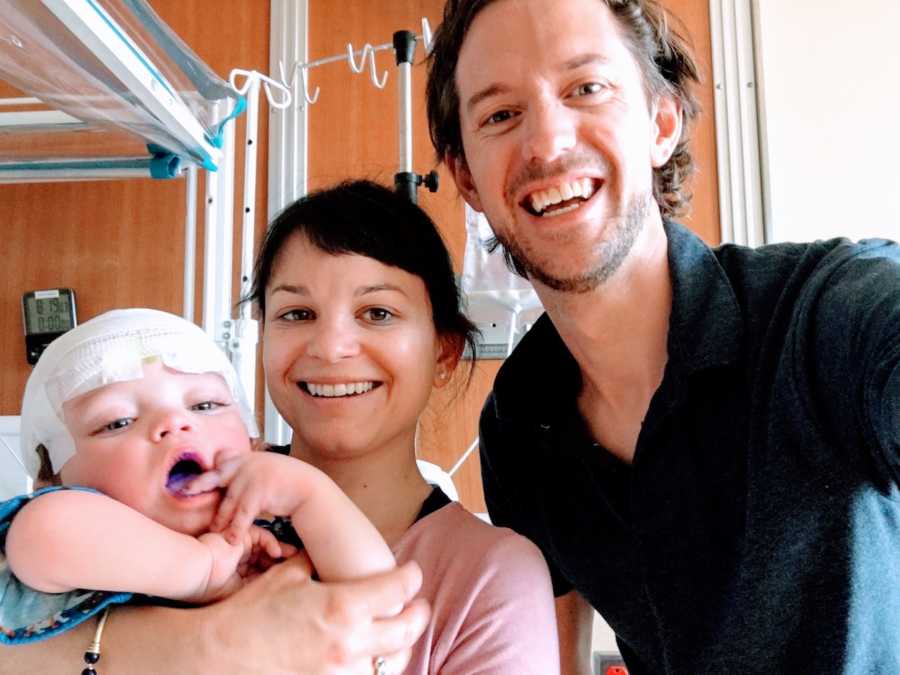
And yet, Julian amazed us. He would rebound from those terrifying weeks into moments of growth and clarity with astounding resilience. By six months, it was painfully obvious he was far behind his peers developmentally, but his smile gave us the strength to keep moving forward—to give him the very best chance at life, because we believed he deserved nothing less than the world. Therapy sessions became a cornerstone of our days. We spent months working on milestones most parents never think twice about. Julian didn’t hold his head up until nearly a year old. He rolled for the first time at eleven months. Now, at fifteen months, he babbles, sits with extensive support, makes some eye contact, and rolls freely, joyfully, without hesitation.
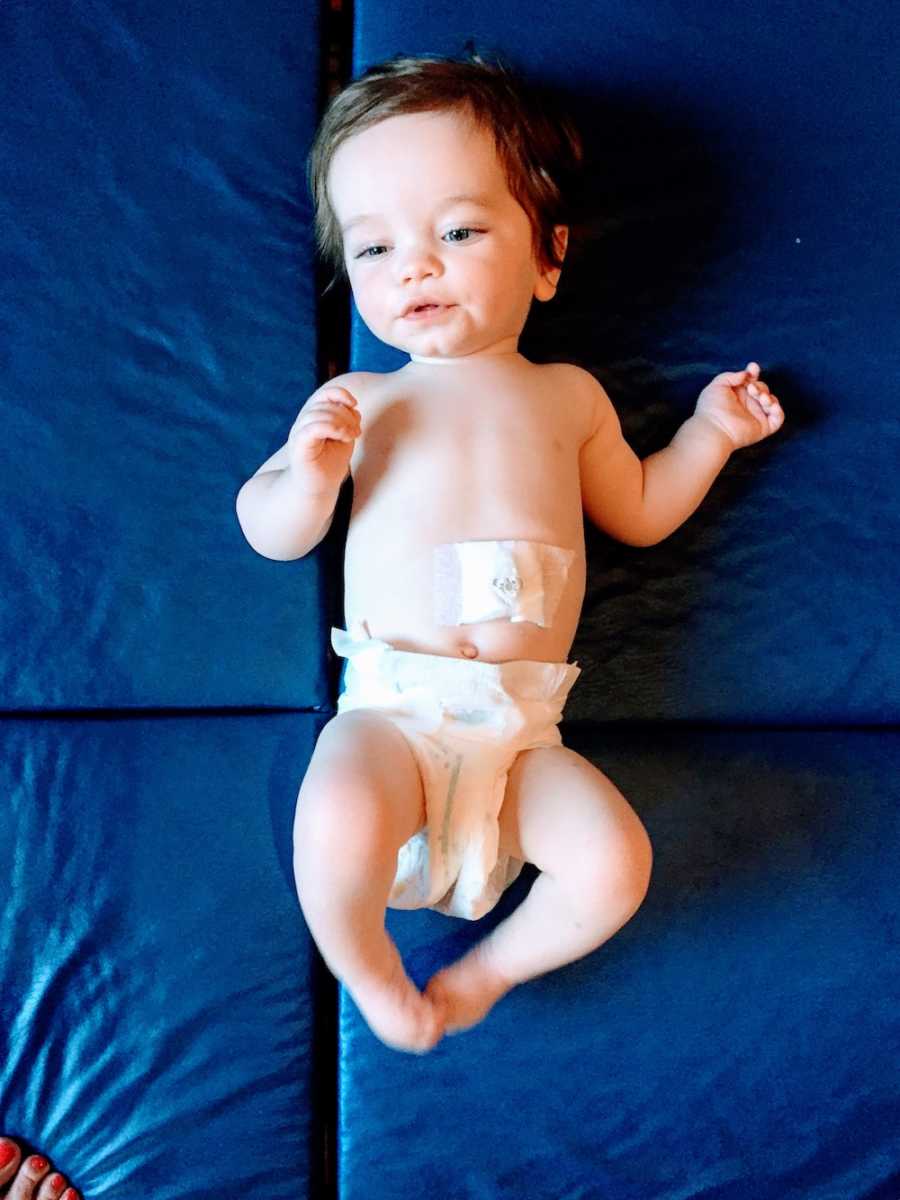
Seizures will always be part of Julian’s life. Due to the nature of his condition, we expect them to remain extremely difficult to control. He is currently on five medications. We have tried the ketogenic diet, CBD oil, and countless other medications that offered no relief. The current combination doesn’t eliminate his seizures, but it reduces them. That might still mean five seizures a day. When I tell people my son has epilepsy, ninety-five percent respond with, “At least that’s treatable.” I don’t resent them. Before this journey, I would have thought the exact same thing.
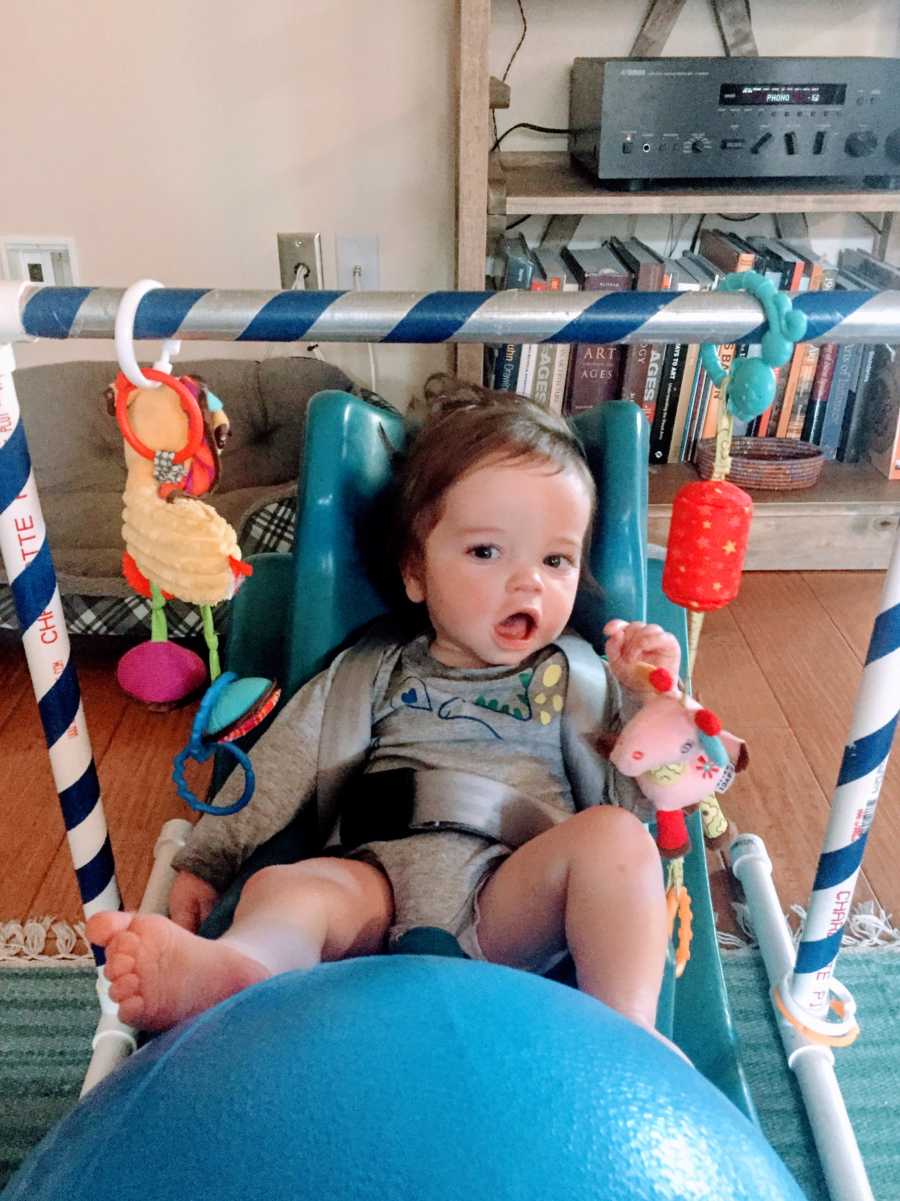
I no longer grieve the possibility that my son may one day use a wheelchair. I have accepted that spoken conversation may never be something Julian and I share. A year ago, these realities would have shattered me. I truly believed that a life without those abilities was not a life worth living.
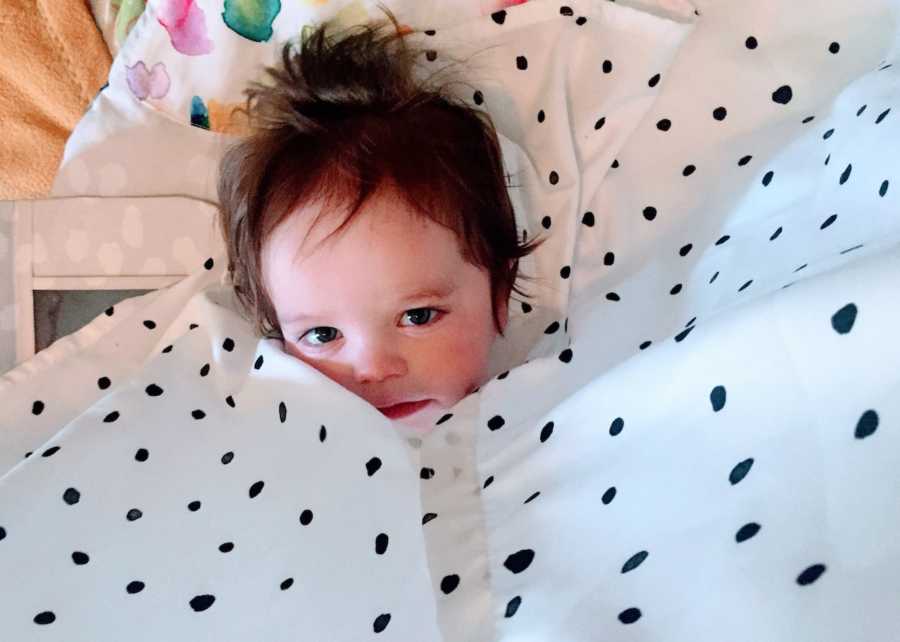
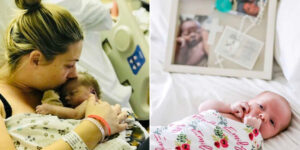
Julian has shown me how wrong I was. We communicate constantly. He may not see me clearly—cortical visual impairment is part of his diagnosis. He may not hear me fully—his auditory processing is compromised as well. But when I hold him, we exchange more love than I ever knew was possible. I guide his hands across my face so he can feel my features—the curves and edges, the familiar shape of me. I do the same with him. This is how we greet one another. This is how we say hello.
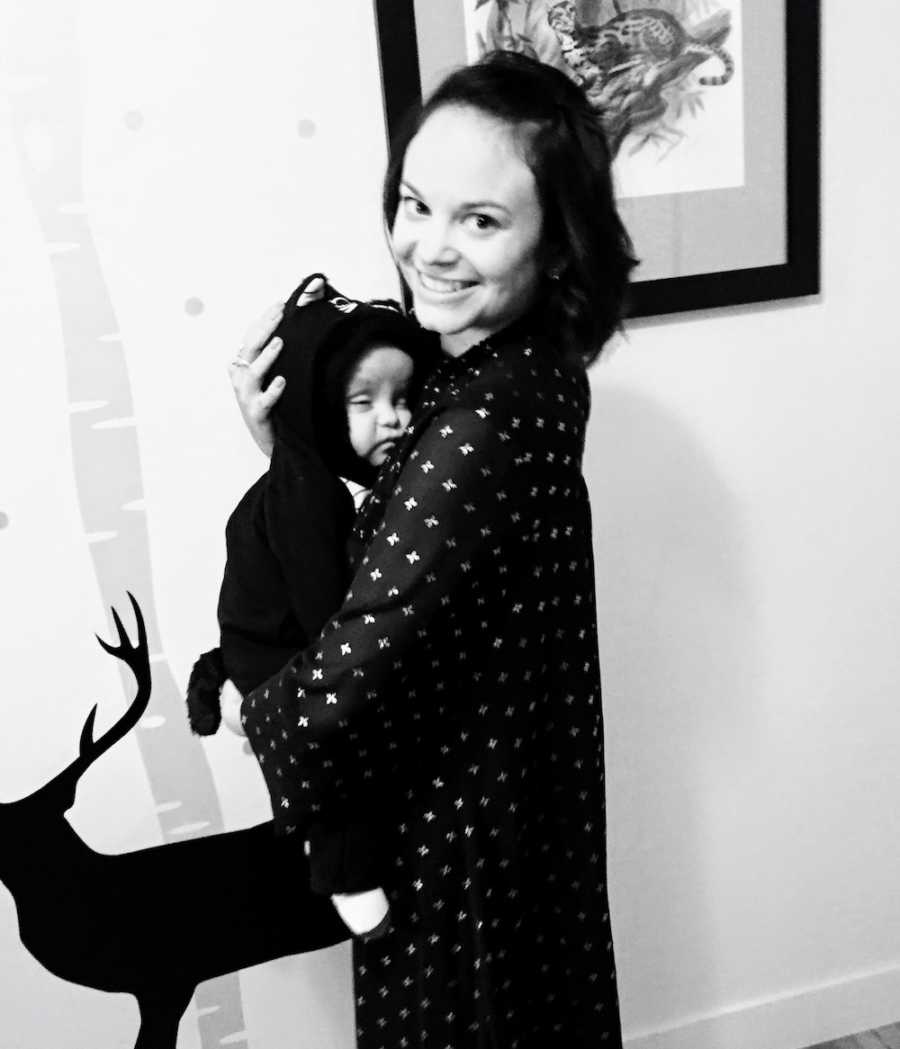
As we continue learning about Julian’s genetics and the origins of his condition, we’ve discovered just how improbable his existence truly is. His survival—even in the earliest weeks of pregnancy—is nothing short of astonishing. If we had a cherry pie for every time a neurologist or geneticist said, “I’ve never seen this before,” we’d never go hungry. What began as a one-in-50,000 probability has now become something entirely unique—Julian’s genetic makeup has not been documented anywhere in medical literature. What once terrified us now confirms what we already know: Julian is a miracle. He fought to be here, and the more confounding the science behind him becomes, the more extraordinary his presence feels.
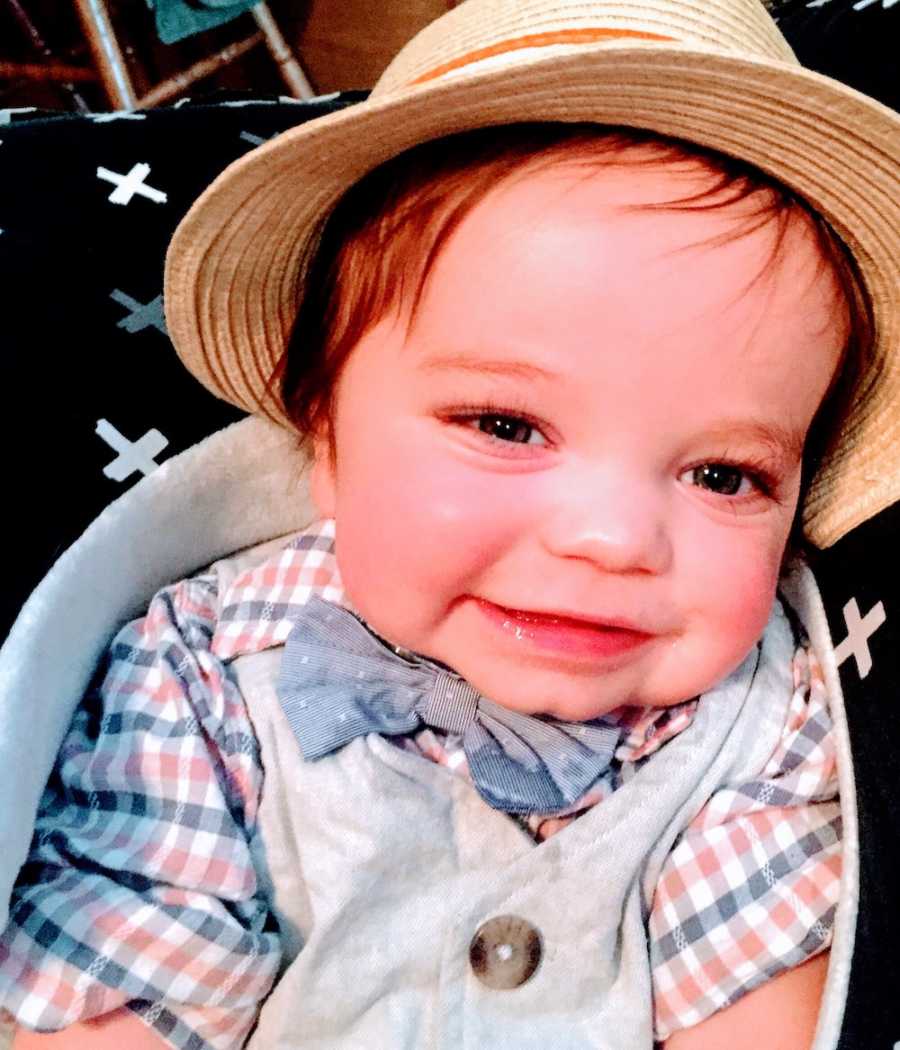
Living with constant uncertainty has forced me to accept that I am not in control—of my life, my son’s future, or anyone’s fate. When I found out I was pregnant in July 2017, my heart overflowed with love, and my mind filled with dreams. Julian would be a musician like his parents. He would love art, speak multiple languages, adore animals, and attend the same rigorous college-prep school I once did. He would be tall like his father, have my button nose, and inherit only the best parts of us. Over time, I have released those dreams. I’ve redefined what a good life truly means. I’ve reevaluated what matters most: empathy, compassion, kindness—and above all, love. Julian loves his life. And I love Julian more than I ever thought possible. That truth, unlike anything else in our journey, is simple and undeniable.