It’s fair to say that all moms are overworked and underpaid. That’s just part of the contract that comes with raising little humans. But what no one really prepares you for is overtime. And I got double overtime.
Two children with special needs.
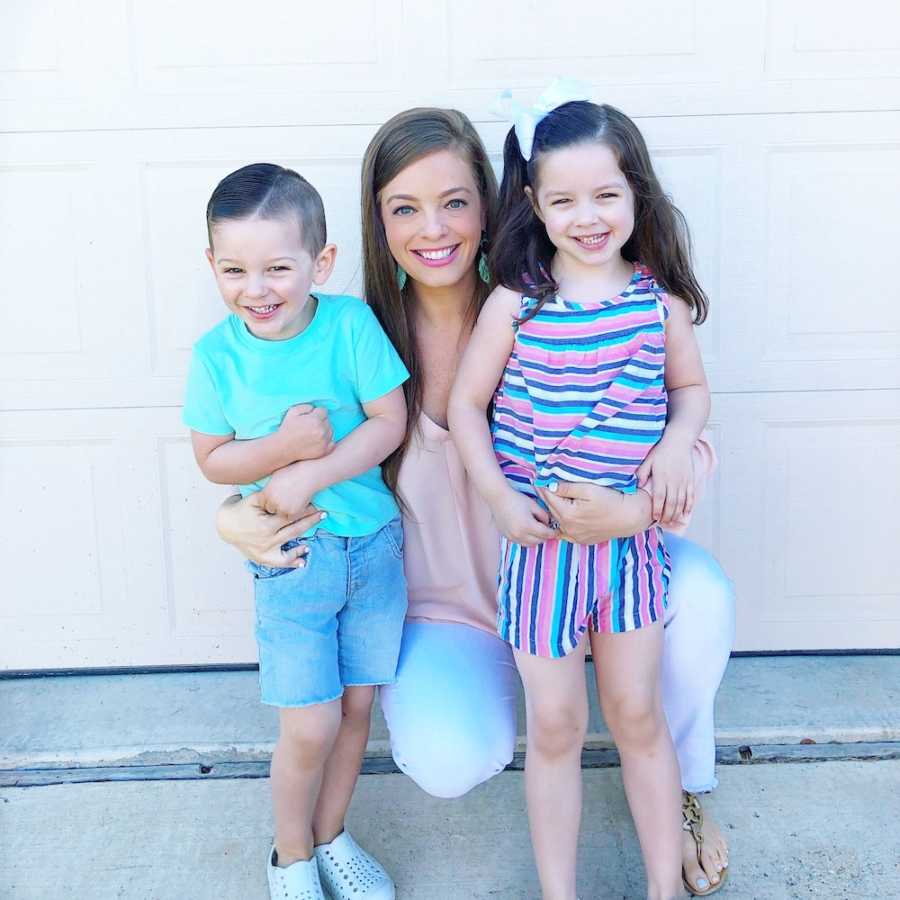
By the time my daughter Campbell turned one, it was clear she was exceptional. And I don’t mean the flattering, first-time-mom kind of talk. This was real. By twelve months, she spoke in full sentences. She knew all her colors, shapes, and letter sounds, and could count by ones, tens, and twenties without breaking a sweat. My friends teased me about flash cards and drilling, but it wasn’t that—she simply had a brilliant, absorbing mind. She watched, listened, and learned everything she saw.

But as Campbell approached her second birthday, the pride I felt in her intelligence began to twist into worry. She was becoming rigid. Small disruptions—a lost Happy Meal toy or a favorite show accidentally erased—would trigger meltdowns unlike anything I’d ever seen in toddlers. Screaming, crying, thrashing, so intense it looked as if her body was in pain.
She was fearless, too. Running away at the mall, wandering off on playgrounds, never shy with strangers. While other children clung to their parents in fear, she didn’t flinch. It broke me to wonder: would my daughter even notice if I disappeared?
Campbell’s words always filled the house, but I began to notice a troubling pattern. Most of what she said came from shows or books—perfectly memorized, perfectly placed—but never her own original thoughts. When I said, “I love you, Campbell,” she would repeat, “I love you, Campbell.” Even in our love, there was a disconnect.
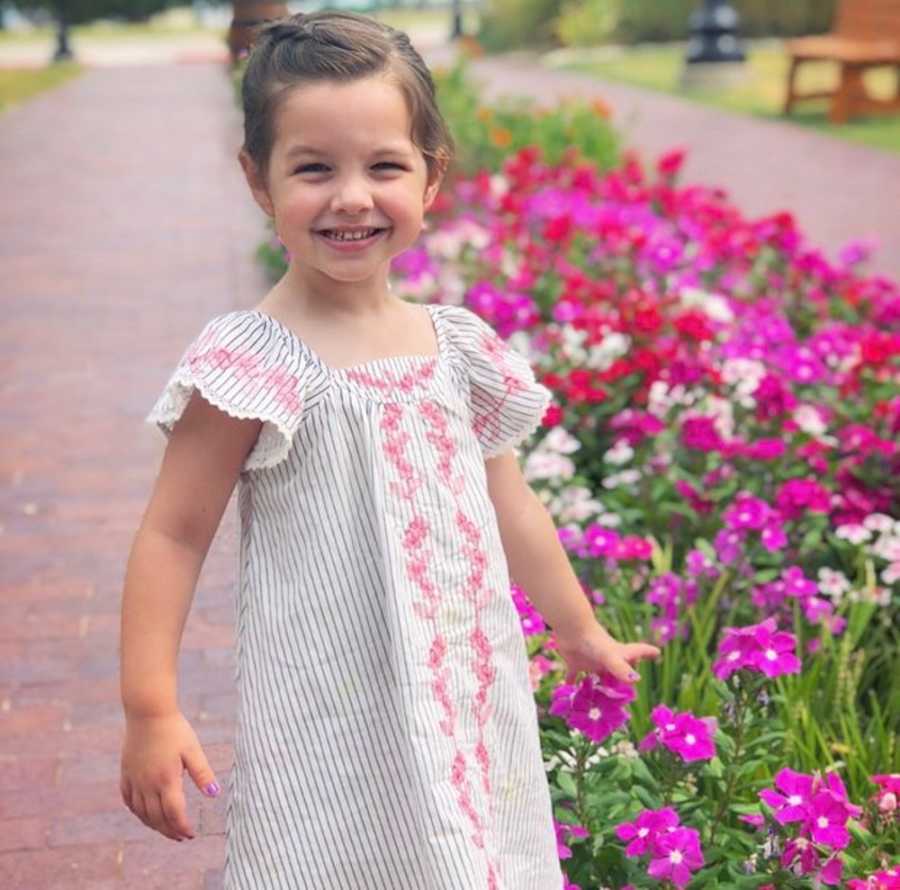
I voiced my concerns to my husband, friends, and her pediatrician, but I was dismissed. “She’s happy, social, and smart,” they said. “Wait and see.” And so I waited, already sensing the truth that would become undeniable at three: my daughter had autism.
High-functioning autism, what was once called Asperger’s, described her well. Campbell doesn’t flap or spin, and there are no obvious physical differences. But her mind works differently, making social connections and conversation incredibly challenging. Even now, she prefers playing alone.
The diagnosis was no vindication. It brought grief—immense, heart-wrenching grief. I had dreamed of a certain future when I found out I was having a girl: pink dresses, proms, wedding gowns, mother-daughter adventures, sleepovers where I’d be Pinterest-perfect, trips, shared favorites, and endless laughter. Autism shook all of that.
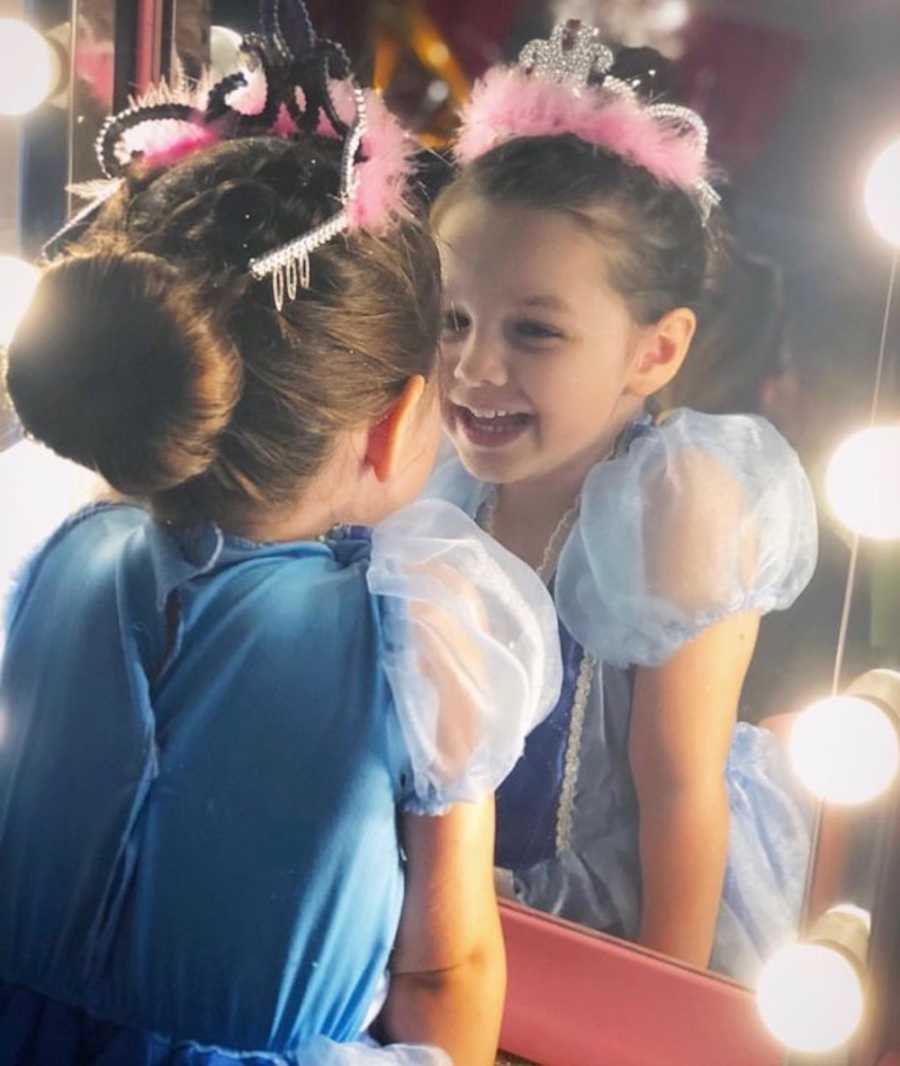
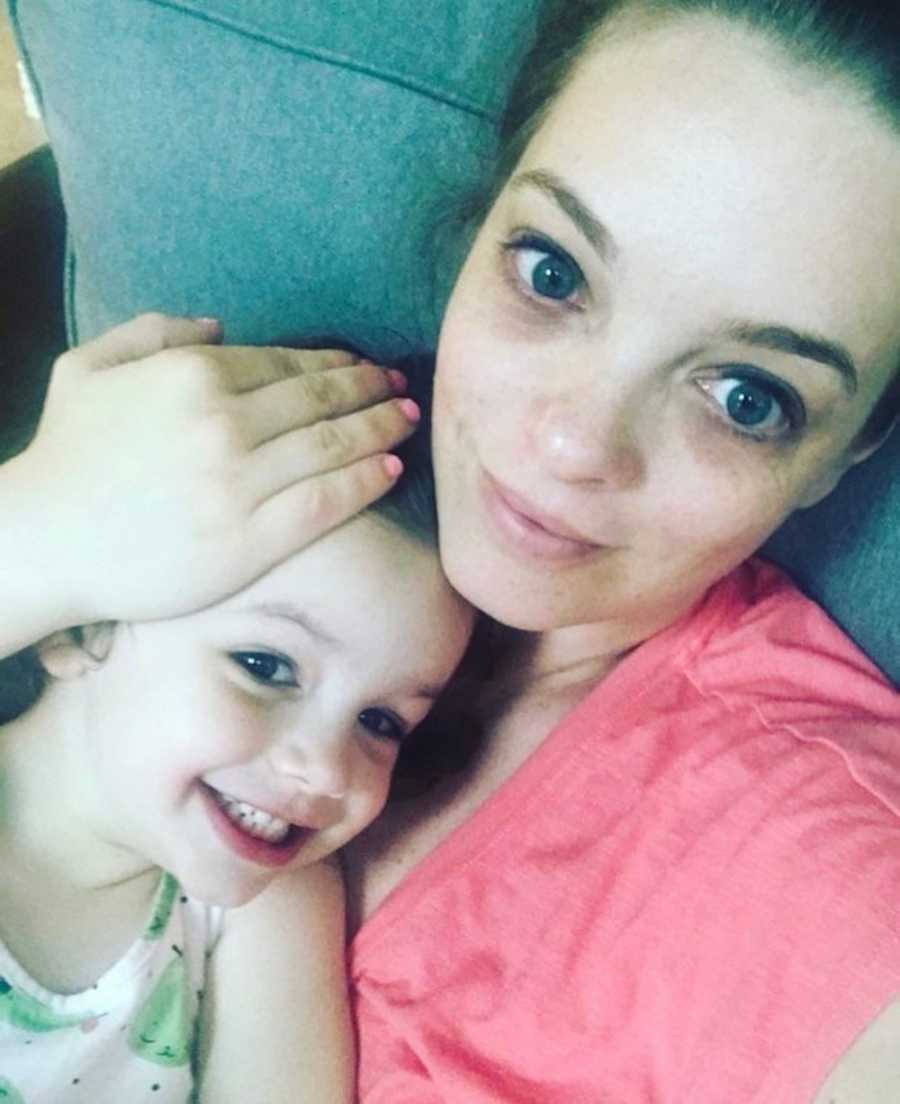
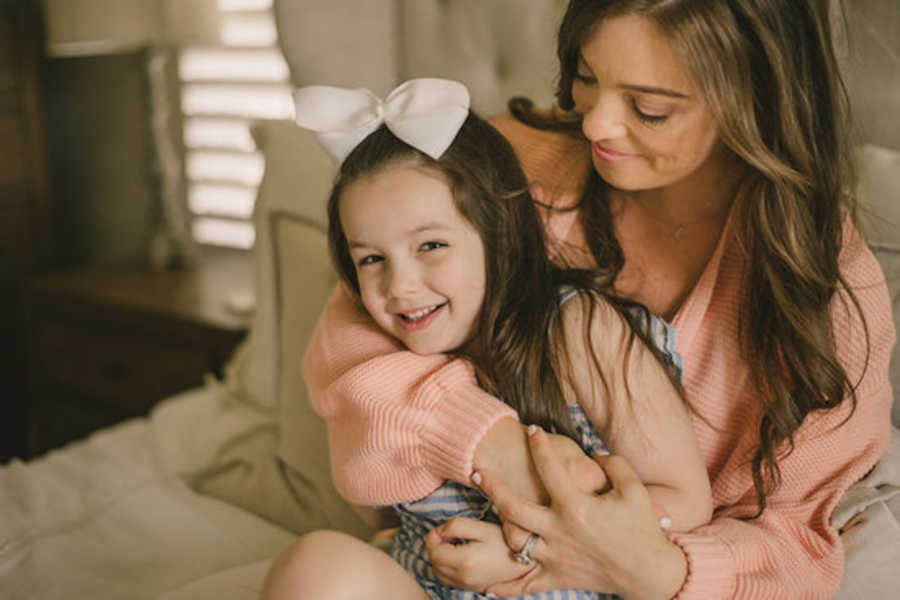
I knew no one on the spectrum, so fear gripped me. I started a private Instagram as a journal. The first post—a photo of Campbell smiling in my arms while I hid tears behind dark circles under my eyes—captures that day. I buried my face in a pillow and screamed. How would I manage this?
But the truth is, you just do it. You show up. That’s motherhood—especially special-needs motherhood. You bend but you do not break. Every day, I woke, acknowledged my emotions, and tucked them into my pocket to face the world. Kids needed feeding, routines needed keeping, life needed living.
Over time, we found our rhythm. I learned Campbell’s triggers, her strengths, and the environments that helped her thrive. We dove into preschool, soccer, t-ball, art, theater, gymnastics—exposing her to people, scenarios, and challenges while seeking therapies that helped. It was exhausting, and I carried the weight of her progress on my shoulders, afraid of failure.
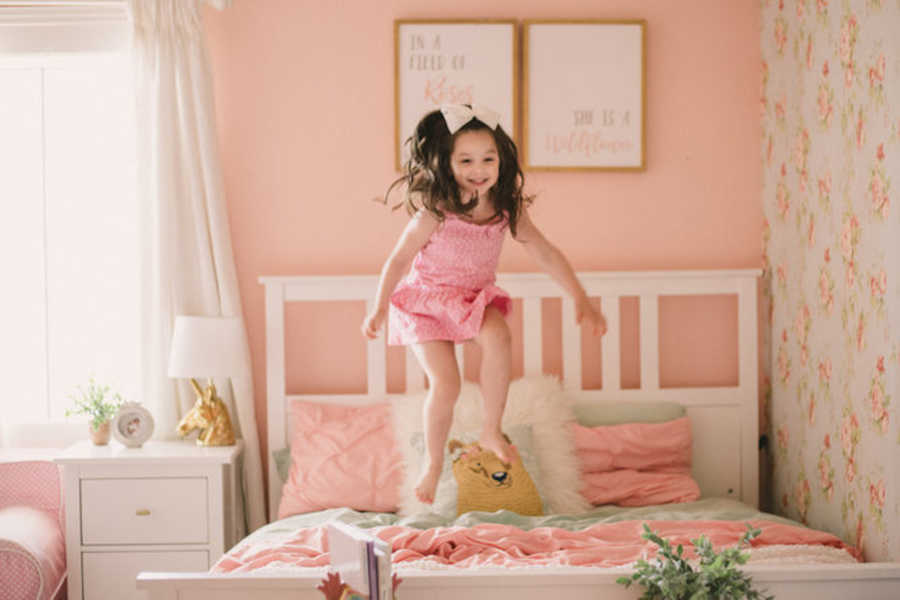
Yet, time brought growth. Campbell began to communicate more clearly, and by four, she was reading at a fourth-grade level. She loved dolls, donuts, and collecting rocks, and still found her brother mildly annoying. She said she preferred Anna to Elsa from Frozen—because Anna is brave and real. My little girl was brave and real, too. And honestly, we all agreed that princesses and pink were overrated.
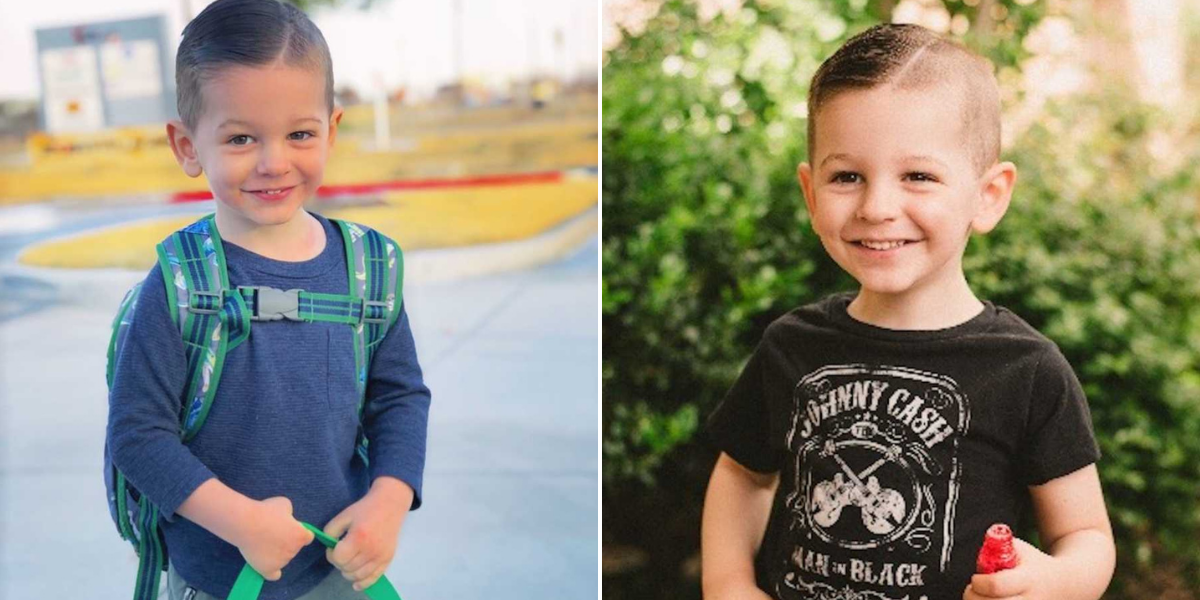
Just as I was learning to navigate autism with Campbell, life handed me another curveball: my son Eli. A newborn, now two, he was also on the spectrum.
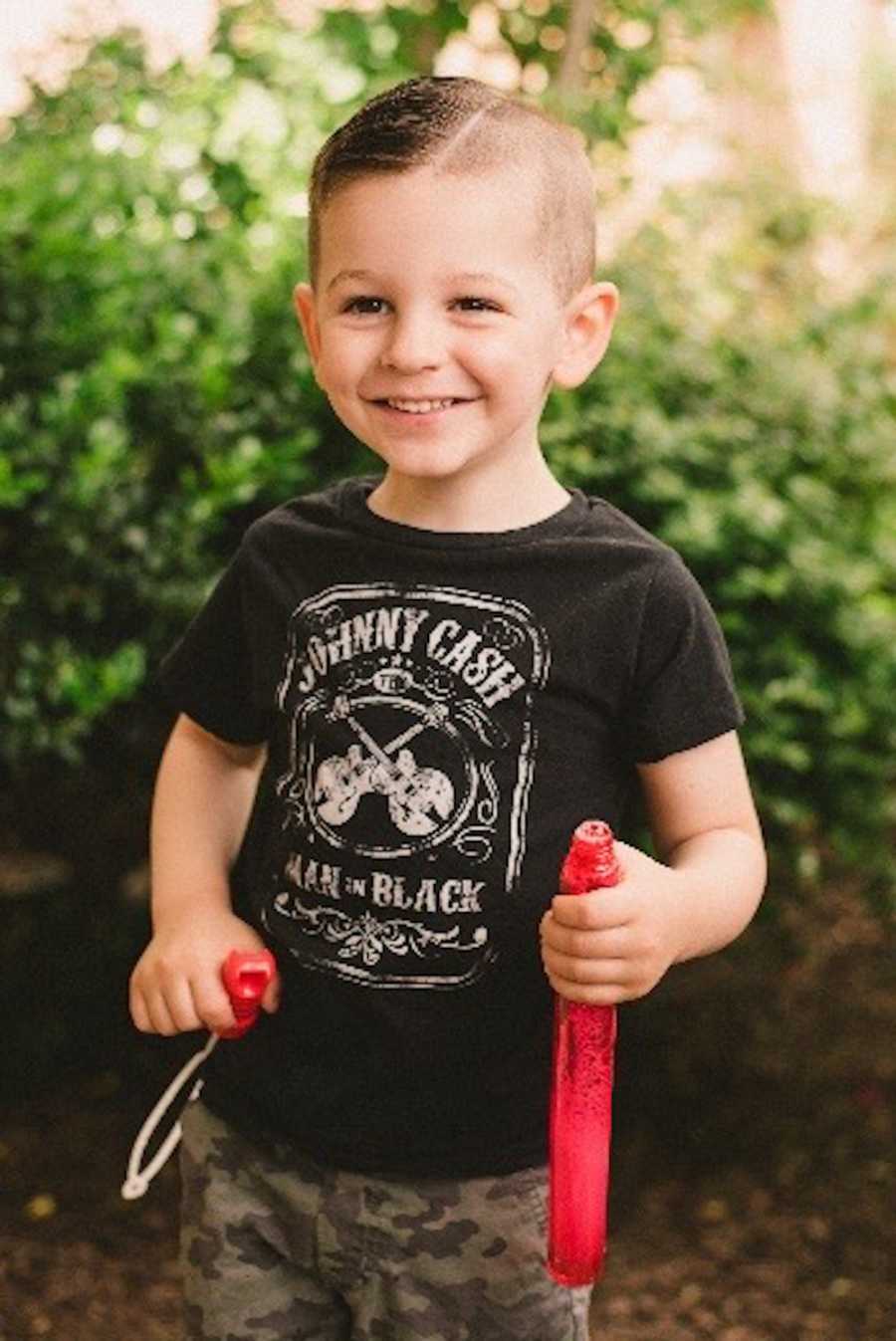
Eli couldn’t be more different. Strong, quiet, rarely crying, literal in his play, and possessing his own rigid routines—holding doors open until everyone passed, counting to ten before sitting in his car seat. Interrupt these patterns and a meltdown would follow. While Campbell talks constantly, Eli speaks sparingly. Where she has anxiety, he shows traits of OCD.
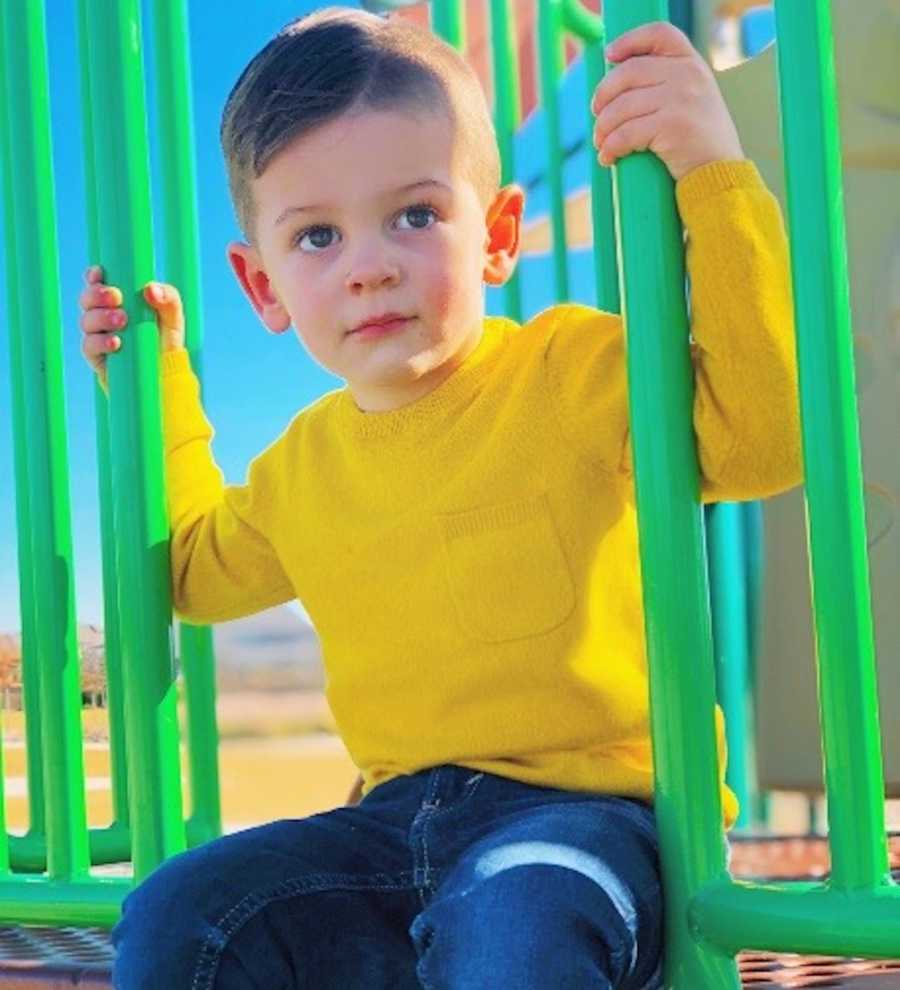
I spent his first year balancing his needs with Campbell’s, analyzing his behaviors, and questioning every picky bite or unusual habit. By two, it became clear: he, too, was autistic. His needs were distinct, but just as real. Mainstream preschool wasn’t a fit, so he now thrives in an autism-specific classroom, making real friends and being celebrated by compassionate teachers.
My children—and I—are growing every day. That private Instagram, once a refuge of grief, is now public, a space of honesty and sharing. The dreams of a perfect, predictable life have faded, replaced by gratitude and perspective. Parenting has taught me that no one is guaranteed smooth roads, proms, or grandchildren. But if we do it right, we trade expectations for appreciation.
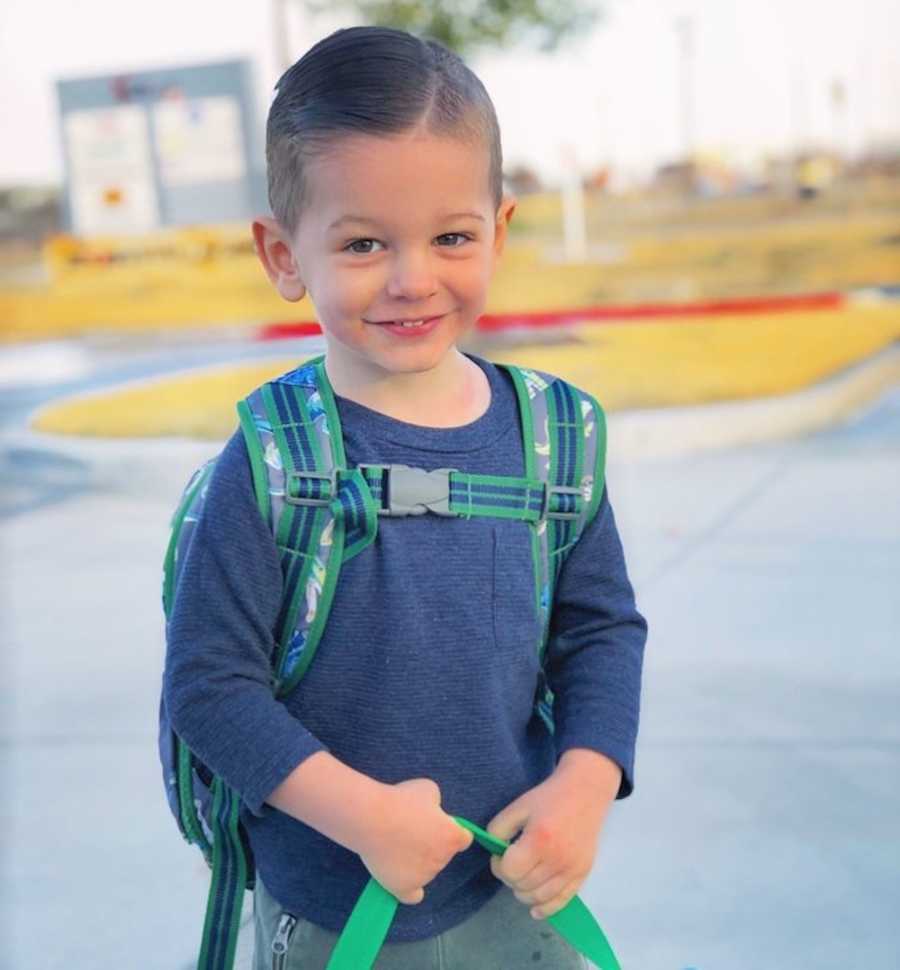
I never signed up for overtime, and yes, sometimes I wonder why both my children were given autism. I cry about it. And then I carry on. Grief and belief coexist. My kids have gifts, and so do I. Every day, they remind me of purpose, love, and the joy in embracing life as it truly is.