Dear Teacher,
It’s that time again—back-to-school season. I know you’re likely a mix of excitement and nerves as you prepare for your upcoming class.
Being a teacher is so much more than the hours you spend instructing each day. You’re shaping lives, raising the next generation, and holding spaces for children who may not have anyone else to hold them. I hope you’ll hear my words with an open heart. Most of you enter this work with a deep, genuine passion for teaching, and I truly believe your intentions are rooted in the best kind of care.
As you juggle a million responsibilities this month, I want to share a few thoughts that are especially important to me. Maybe some of this is already on your mind, but I hope it gives you perspective on the kids you may encounter in your classroom.
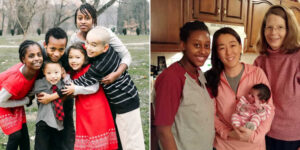
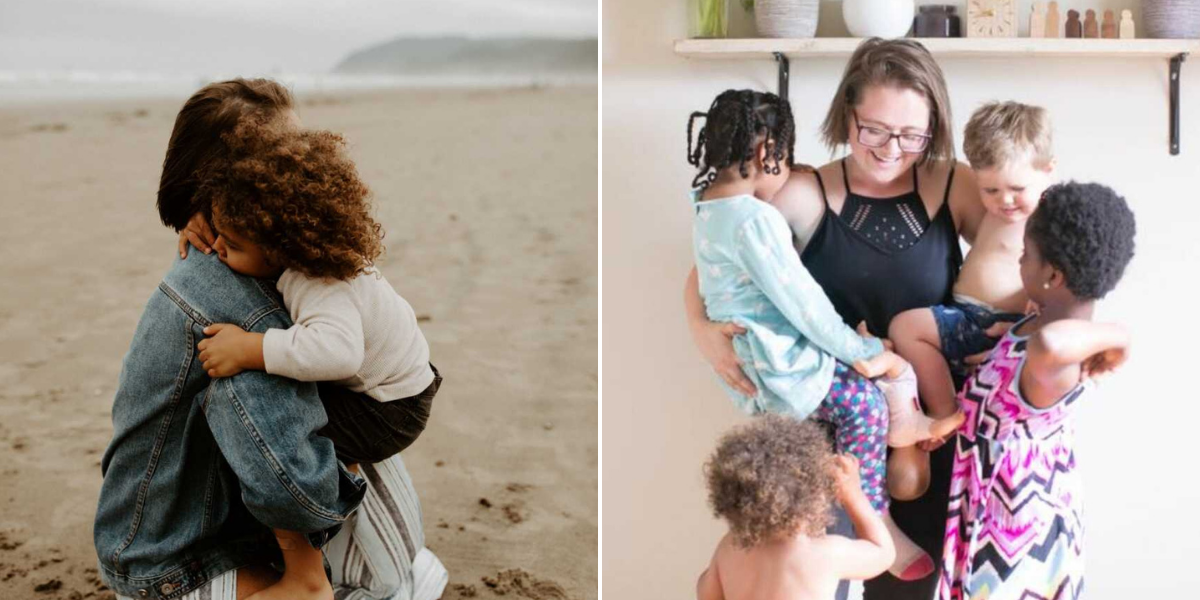
I am a mom to two three-year-olds, a second grader, and a fourth grader. Last year, I also mothered a third grader and a Head Start/preschooler. All of these children carry invisible baggage, pieces of their past that aren’t always obvious at first glance.
The children I brought to school last year come from extremely hard places—abuse and neglect so intense it’s almost unimaginable. If you saw them on the playground or in the classroom, you might think they had typical childhoods. You would not know the pain they carry unless you read their case files, spoke to their therapists (which isn’t allowed), or had the privilege of becoming their temporary parent. Their innocence may mask a history that is far from ordinary.
They come to school from homes or foster placements they may have just met. Whether they joined us yesterday or last year, our time together began after trauma, loss, and unimaginable pain.
When a child flinches because a stapler drops on the floor, it isn’t just a quirky reaction. Their brain might perceive danger where none exists. When a child yells, screams, or even becomes physically aggressive, it isn’t because they are spoiled or manipulative—it’s because:
- They were never taught how to manage big emotions or navigate conflict.
- Their bodies remain in constant survival mode.
You may be familiar with the “fight or flight” responses to threat. There’s also “freeze.” One of my kids responds this way—she withdraws completely, unable to speak, sometimes for hours, sometimes for days. During her first three months with us, she was essentially nonverbal. Her wide eyes and silent voice are her survival tools, learned over years of needing to make herself invisible. Simple questions, like “What do you want to color with?” can feel insurmountable for her.
I share this because so many children come from these hard places. Their behaviors are often trauma responses, not acts of defiance. Many are developmentally behind, emotionally far younger than their chronological age. Foster care is messy and complicated, and these children need patience, understanding, and connection.
What my kids need most is to know they are seen—and safe. Building that trust takes time, but it is possible. Have you heard of Connected Parenting? It’s when a parent first empathically connects with their child, seeing the world from their perspective, before guiding or correcting. Connected Teaching would be ideal for children who come from trauma, though I know it can feel exhausting. It is. But it is also worth it.
When a child in survival mode feels seen, understood, and validated, their brain opens enough to learn. They can listen, absorb, and retain information—you, as their teacher, become a part of that journey.
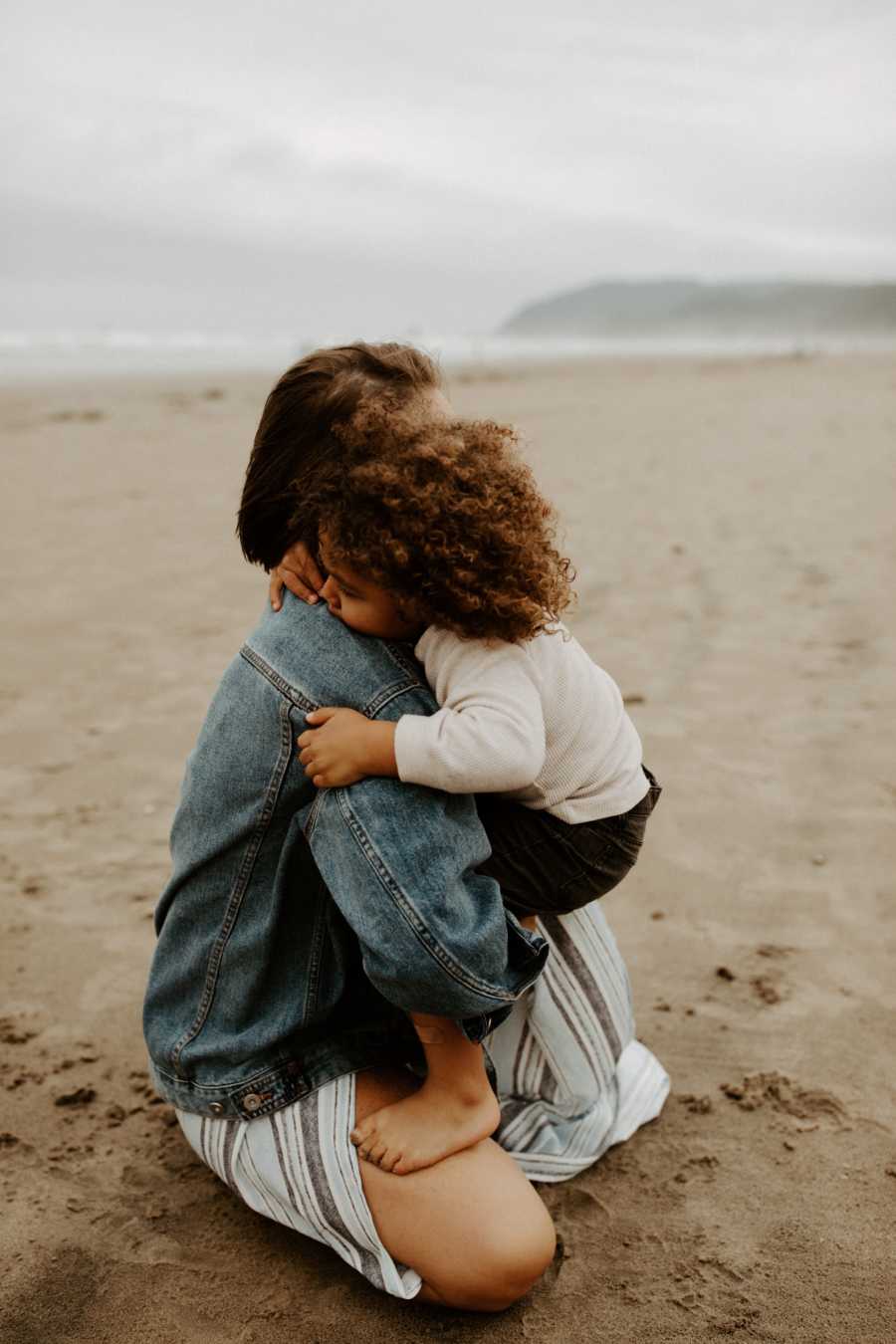
There’s another layer to consider. I am a white mom, and most of my children have brown skin and textured hair. Did you know that about 80% of teachers in America are white? This matters, because representation shapes how children see themselves.
In your classroom, consider the visuals, books, and materials you display. Can you include diverse representation—Asian, Latino, Black, and Indigenous role models in all kinds of professions, not just the stereotypes the world often presents? Imagine a Black doctor, a Latino CEO, or an Asian attorney in posters or stories. Celebrate the variety of human experience.
Even small things matter. Band-aids that match my children’s skin tones, crayons that reflect the full spectrum of melanin, hair treated with respect—these may seem minor, but they affirm a child’s identity. Racial slurs or insensitive jokes are not harmless. If a child laughs awkwardly, it may be because they don’t know how to respond. These are teachable moments, opportunities to guide peers with care.
Above all, I hope you will celebrate who my children are—the beautiful melanin in their skin, their heritage, and their resilience. As a teacher, you have the power to shape how children see themselves and the world around them. That is a remarkable and sacred space to hold.
Thank you for the love, time, and energy you pour into your students. It means more than words can express.
With gratitude,
Me—a mom doing her best to advocate for my beloved kids