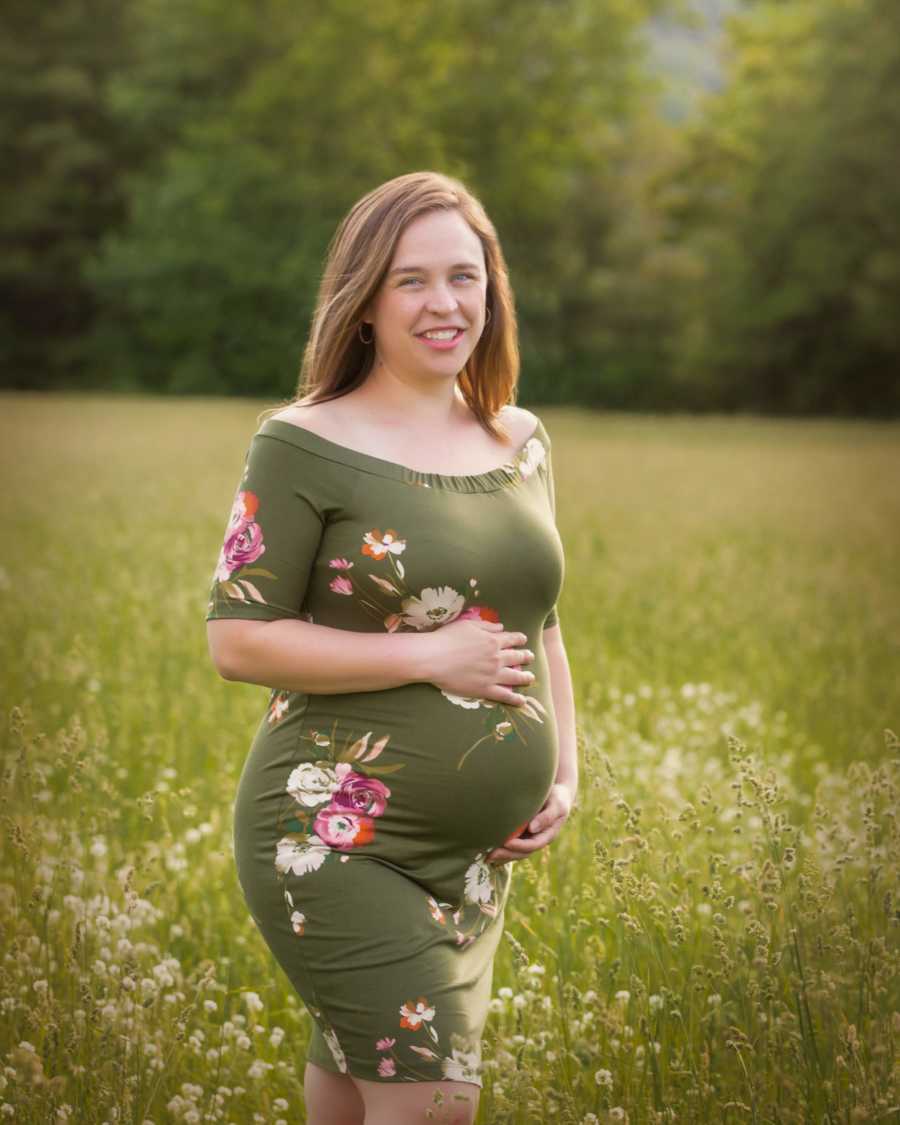
I knew I was pregnant almost immediately. My suspicions were confirmed by a friend’s playful questioning at my 30th birthday party, which that same friend had thrown for me. The next morning, I took a pregnancy test to confirm what I already felt deep down. Five minutes later, there they were—two little blue lines. I was pregnant. My husband and I were overjoyed, and a little terrified, that it had happened so quickly.
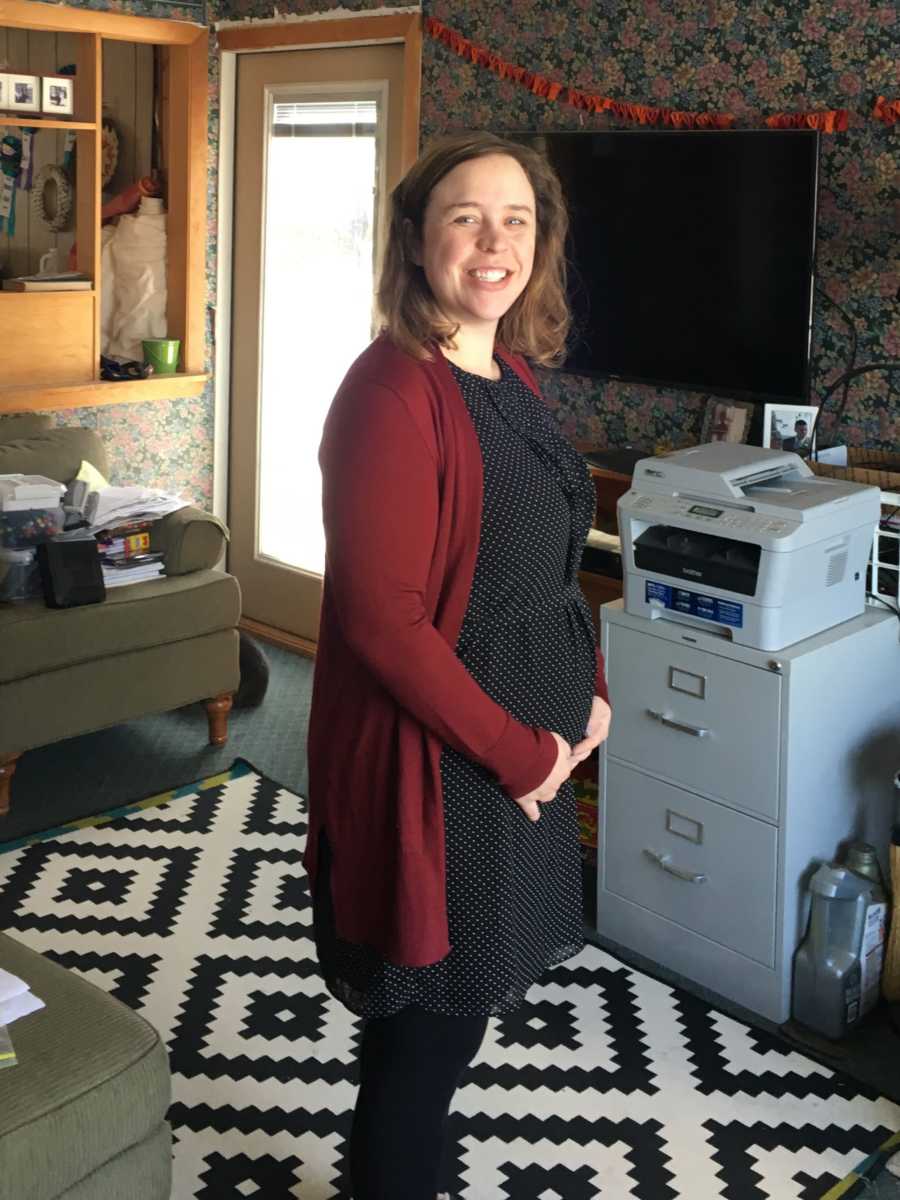
The first few months felt almost too easy. I had no morning sickness and none of the usual early pregnancy symptoms. I was just a bit more tired than normal. I couldn’t quite believe it, so much so that I must have taken twenty or more pregnancy tests, repeatedly asking myself, “Did I imagine it?” or “Was it all just a dream?” I paid close attention to everything I ate and avoided medication, even while battling two major head colds, because I wanted the safest pregnancy possible. We did all the things expectant couples do—attending doctor’s appointments, debating baby names, dreaming about the future our child would have. We decided not to find out the baby’s gender, believing it would be the last great surprise of our lives. How naïve we were.
Our 18-week ultrasound was scheduled for 8:00 a.m. on a cold Monday morning in March. I was thrilled to really see our baby for the first time. I worried all weekend about traffic and snow, so of course we arrived thirty minutes early and waited in the lobby for the staff to arrive. When we were finally welcomed into the dim ultrasound room, I lay down as warm gel was squeezed onto my belly. The technician narrated as she worked—“That’s the head, there’s the profile”—and after nearly an hour of measurements, she said, “I’m going to check for the gender now. Turn away if you don’t want to know.” We did. Then she grew quiet, finished scanning, and left the room, saying she needed to follow up on a few things. Twenty minutes passed before she returned and told us, less cheerfully this time, that we should head upstairs to the OB-GYN clinic for our appointment with the midwife. My husband later told me he knew something was wrong in that moment. In my hormone-fueled bliss, I had no idea.
After the usual weigh-in, blood pressure check, and multiple bathroom breaks, we sat waiting in the exam room until the door finally opened. The midwife introduced herself—we hadn’t met her before—and I noticed her own pregnant belly, feeling a flicker of shared joy. Then she said the words that stopped my heart: “There’s no easy way to say this, but there’s something wrong with the baby.” I squeezed my husband’s hand as she explained what the ultrasound technician couldn’t find. The baby’s legs weren’t visible, and neither was her left arm.
She told us we’d need a more detailed anatomy scan in a few days. I cried until my chest ached, going through an entire box of those rough hospital tissues that leave your nose raw. I couldn’t understand what was happening. My husband reacted differently—angrily, demanding answers, asking why they couldn’t explain more right then. When the midwife returned, she told us the high-risk OB-GYN team could see us the next morning. Then she asked if we still wanted to avoid knowing the baby’s gender. We looked at each other and said no. There were already too many unknowns. We were having a girl.
We walked through a crowded waiting room filled with pregnant bellies, and I avoided eye contact, certain everyone could see my pain. We went to my mom’s office in the same hospital—this was her first grandchild—and I couldn’t speak through my sobs. My husband explained everything. She agreed to come with us the next day. We stopped for lunch on the way home, but I couldn’t eat. That night, a friend texted excitedly to ask how the ultrasound had gone. I threw my phone across the room. I felt completely alone. I had done everything “right,” and still something had gone terribly wrong.
The next day, we waited in a different clinic with a much heavier atmosphere. The ultrasound felt familiar but entirely different. The technician spoke softly, showing us a head, a heart, a spine. When we were briefly alone, she shared her own high-risk pregnancy story. She made me feel less alone, less broken. She gave me permission to still feel hope.
The high-risk OB-GYN and geneticist confirmed there was no amniotic band syndrome. The limbs hadn’t fallen off—they had never grown. But our daughter had a brain, lungs, kidneys, a heart. Everything else looked good. We declined further testing, unwilling to add risk to an already fragile situation. We clung to the hope we still had.
The months that followed were filled with frequent ultrasounds and appointments. We laughed when the technician showed us our baby’s hair on the screen. It was those small, ordinary moments that carried me through.
In public, I pretended everything was fine. I smiled through pregnancy classes, cried alone in bathroom stalls at work, and wondered why this had happened to us. I Googled obsessively, mourning the future I thought she wouldn’t have. I never dreamed about her while I was pregnant. I think my mind didn’t know how.
Eventually, I found a community—parents and individuals living full lives with limb differences. They gave shape to the unknown. They gave me peace. Slowly, I began to dream again.
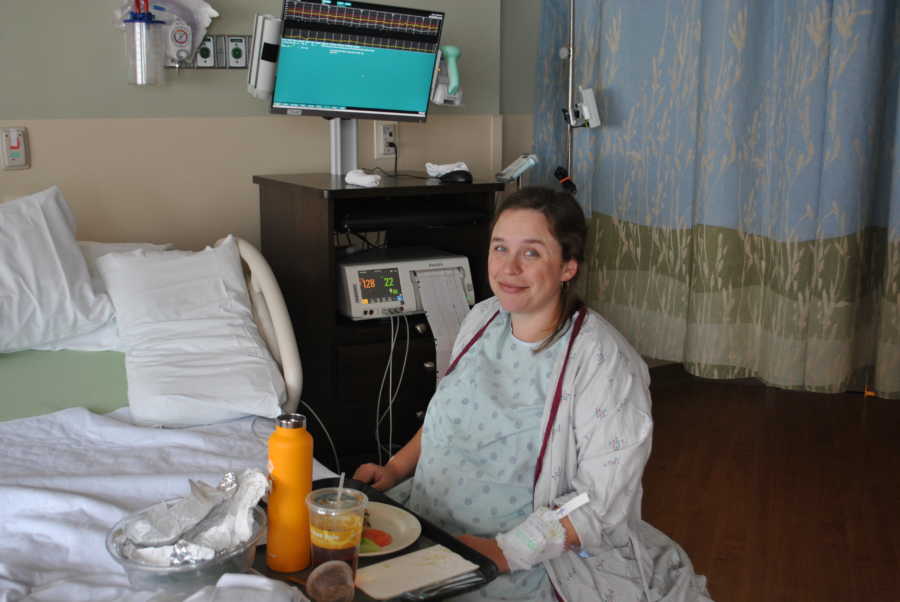
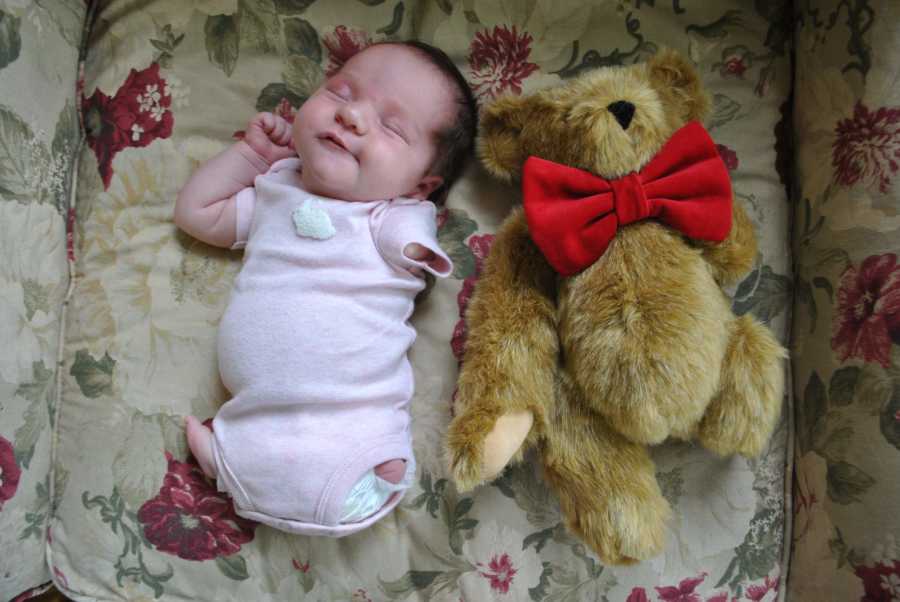
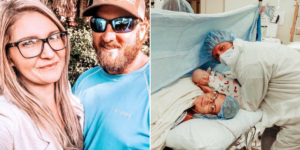
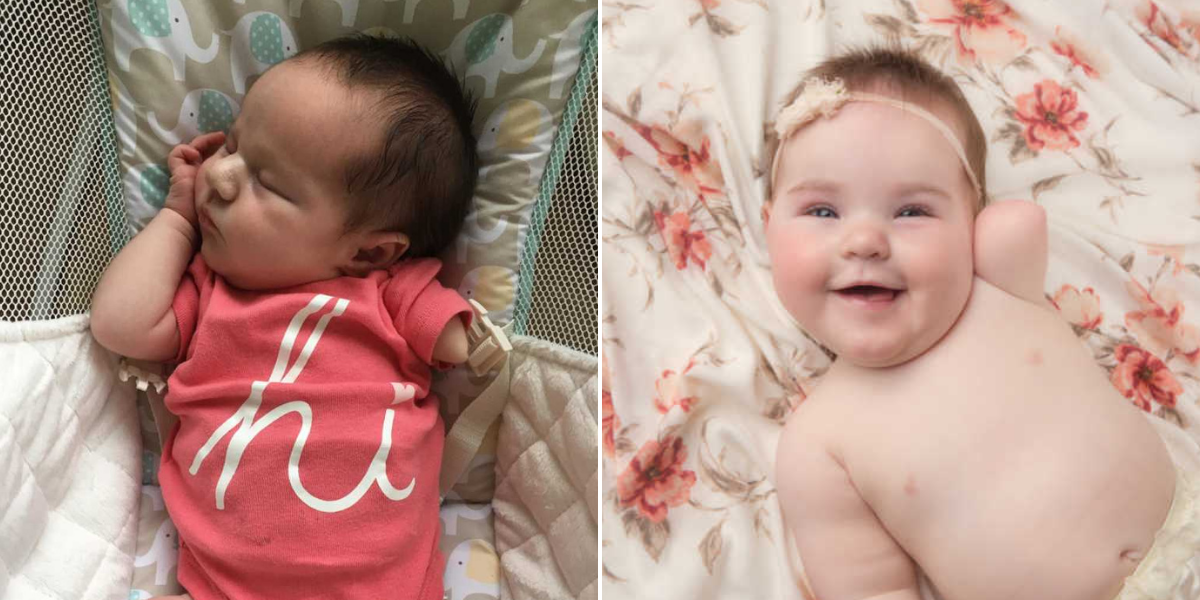
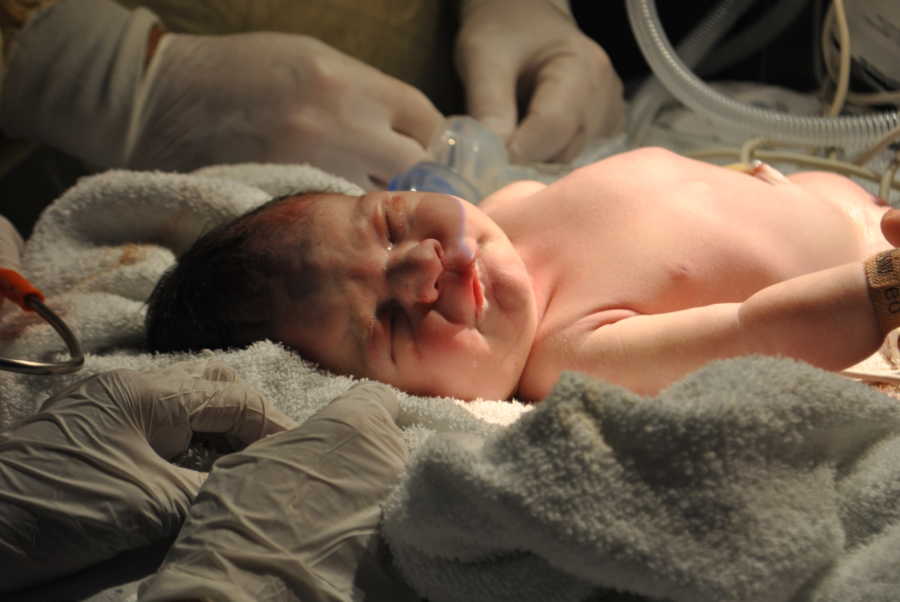
When my water broke in July, fear and anticipation collided. After a tense labor and a room full of specialists, she arrived. And then she cried. Loudly. Perfectly. They placed her on my chest, and we repeated, through tears, “She’s here. She’s okay.” She had one tiny foot with two perfect toes—something we never expected. We named her Annabelle Jane: joyful gift from God.
Today, she is a happy one-year-old who laughs constantly and challenges us daily. We’ve learned how to adapt—diapers, clothes, car seats, and our own expectations. The greatest challenge, though, has been rethinking what ability means. Some days are still hard. But most days, I see clearly now.
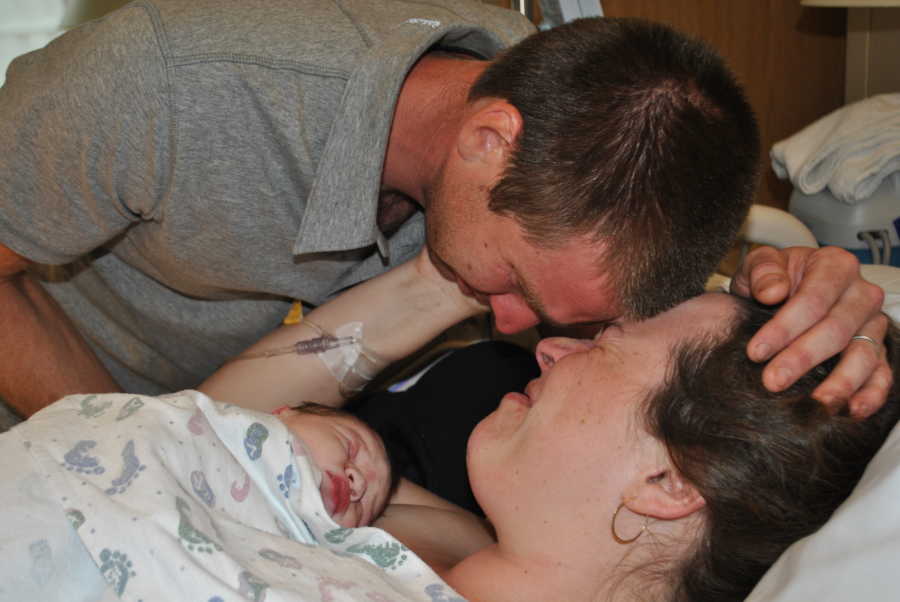
She may only have one full limb, but she has endless determination, love, and possibility. This is our story, not yours. But if you’re reading this and feeling alone, please know—you aren’t. Even when it feels that way.