Snnniiipppp.
October 1, 2016. My doctor performed an episiotomy—where scissors are used to make a cut to help a baby come out.
Even amid 23 hours of labor, my own loud breathing, the relentless pushing, the chaos of nurses rushing around, and the constant “beep, beep, beep” of the baby’s heart monitor, the sound of that scissor echoed in my ears like a gunshot.
I stopped mid-contraction, looking at the doctor—a man in his mid-50s—and with fear in my voice, I asked, “What did you do?!”
I had an epidural, so I couldn’t feel the cut, but hearing it was enough. He didn’t respond. My husband, standing beside me and holding my hand, erupted, “Why did you cut her?! She didn’t give you permission!”
Rage boiled through me. I felt my husband’s anger rise too. I squeezed his hand tightly and whispered, “We can’t do this now.”
Even the nurses paused, all eyes on us and the doctor.
Another contraction came. I gasped sharply and pushed with everything I had. In that moment, I watched the doctor pull our son, Charlie, into the world.
I clung to him, whispering, “He’s so beautiful,” but even as I tried to savor him, the tension in the room from minutes before lingered. I glanced down to see the doctor, face tight with anger, stitching me up with little care.
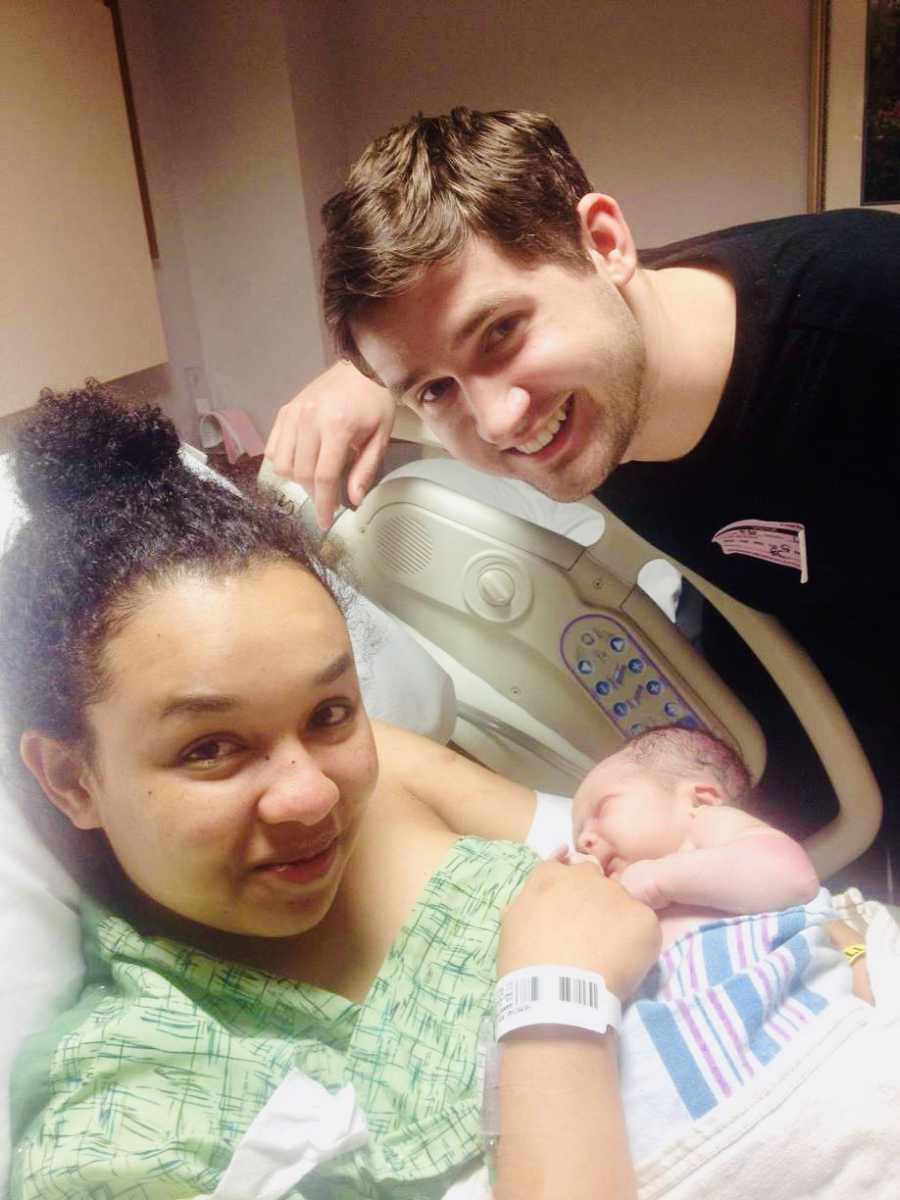
Just 30 minutes earlier, he had told me, “I have somewhere to be at 7 o’clock, so you better push this baby out soon.” That was at 5:30 p.m.—he pulled Charlie out at 6:45 p.m.
I had always tolerated pain and harm from others. Years of therapy taught me that this habit came from childhood abuse—being hurt by the very people meant to protect and love me. It taught me that people who are supposed to care for you can hurt you, and I unconsciously believed there was nothing I could do.

But therapy also taught me the truth: people can hurt you, yes—but you do not have to stay in situations that harm you.
My gut had warned me: “This doctor doesn’t feel right. He doesn’t respect you.” But my scared inner child whispered, “No, Mia. Stay. Maybe this is the best you’ll get.” So I stayed—and I got hurt.
The trauma of my birth, isolation from friends, lack of family nearby, sleepless nights, and struggles with breastfeeding created the perfect storm for Postpartum Depression and Anxiety.
Even when Charlie slept, my body couldn’t calm down. I didn’t know how to express my feelings. My rage, sadness, and anxiety often surfaced as meltdowns over small things. My poor husband didn’t understand and didn’t know how to help.
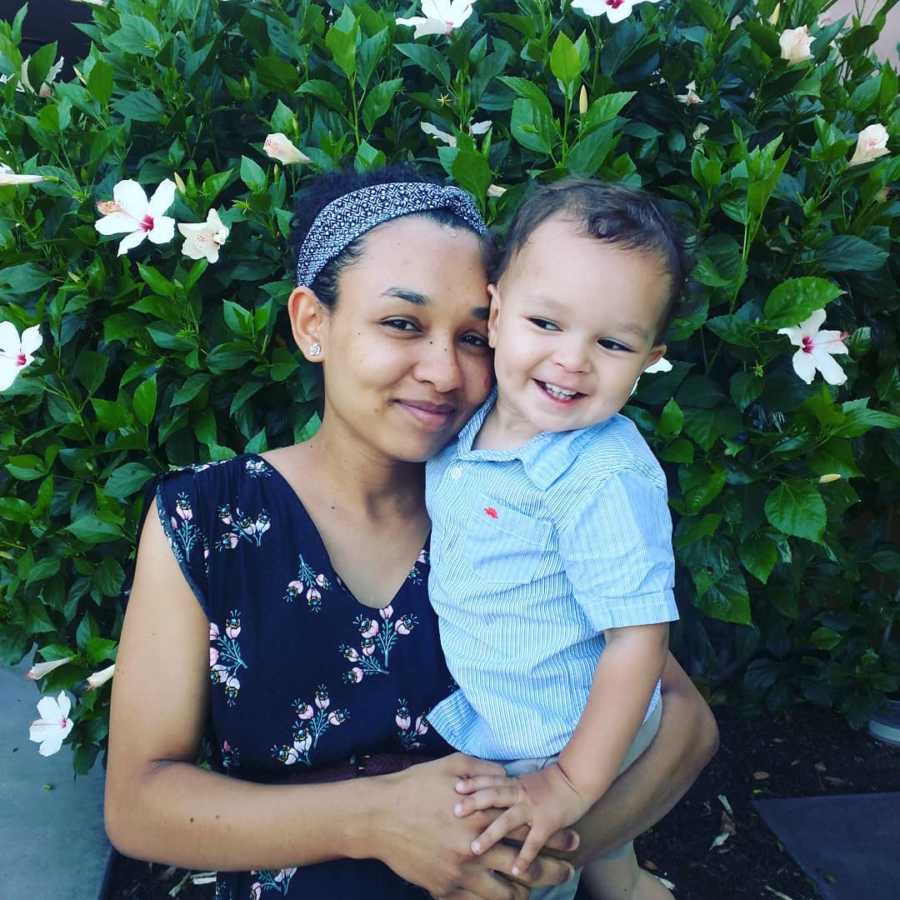
That year was a confusing, lonely, and terrifying blur. Even on days I thought, “I can do this,” simple tasks became overwhelming. A trip to the store could spiral into panic: “What if we crash? What if Charlie cries endlessly? What if I can’t feed him?” Anxiety paralyzed me. I’d sit on the living room floor, struggling to breathe, many days in a row.
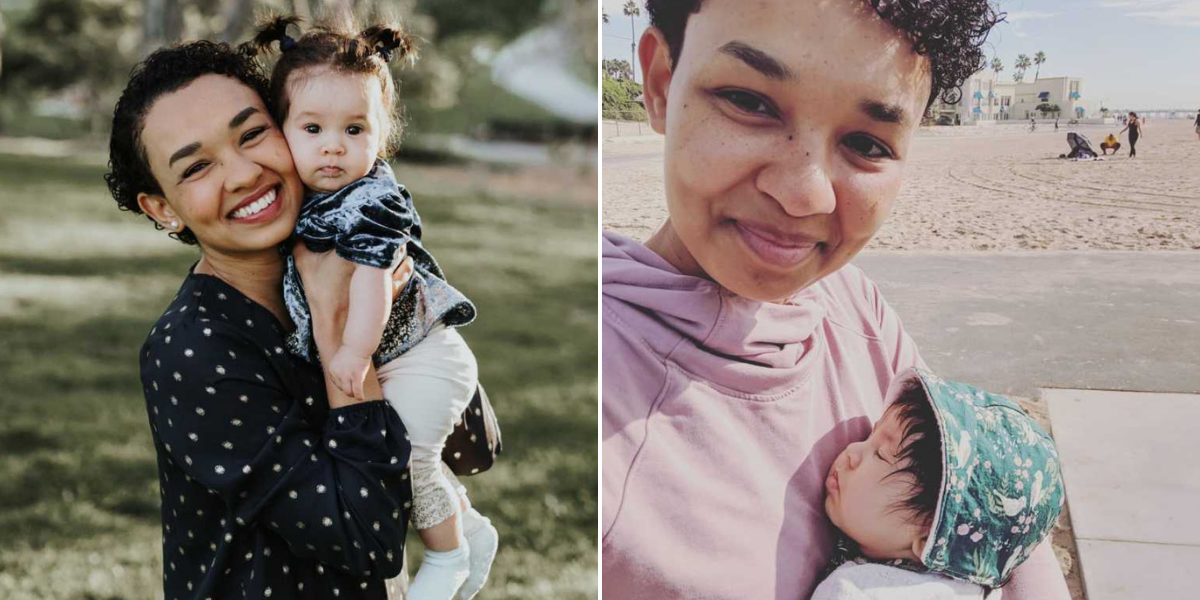
By the time Charlie turned one, the Postpartum Depression and Anxiety began to lift. He started sleeping through the night. I began sharing my mental health journey on YouTube, which became an incredible outlet. Slowly, I felt like myself again—a new, stronger version of me.
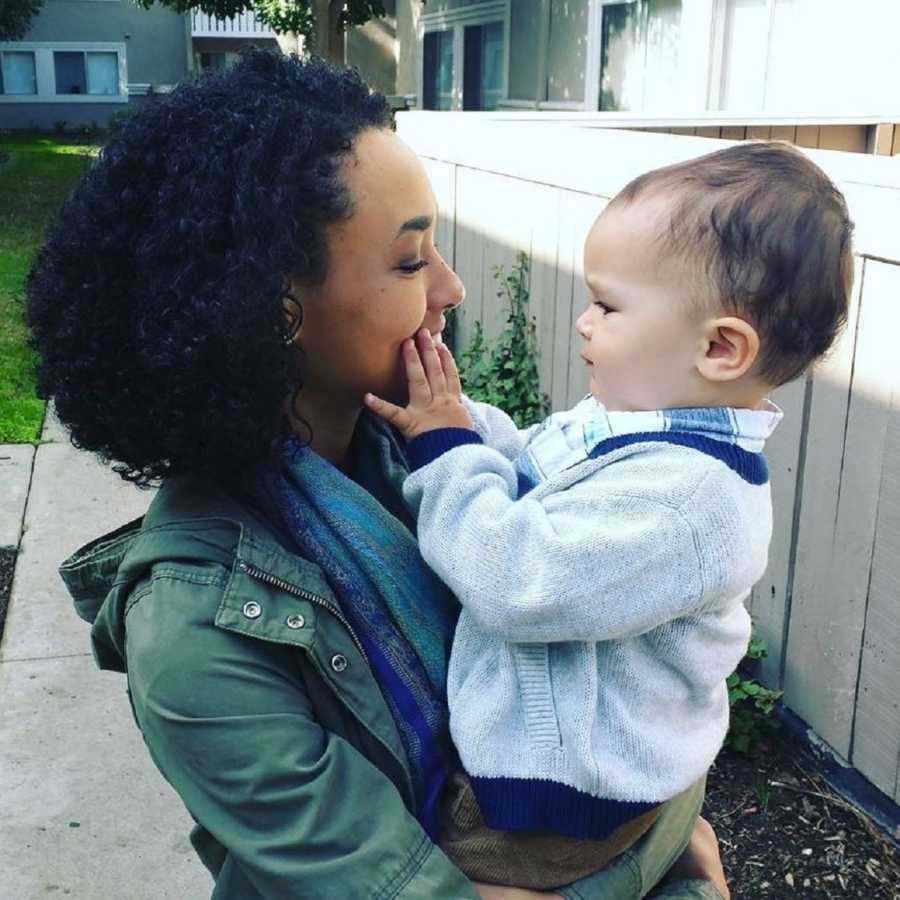
A year later, I gave birth to my second child, a daughter. This stronger version of me made better choices: I picked a nurse-midwife to deliver her in a hospital. The birth went beautifully, redemptive even—a healing contrast to my first experience. I felt tired, whole, and happy.
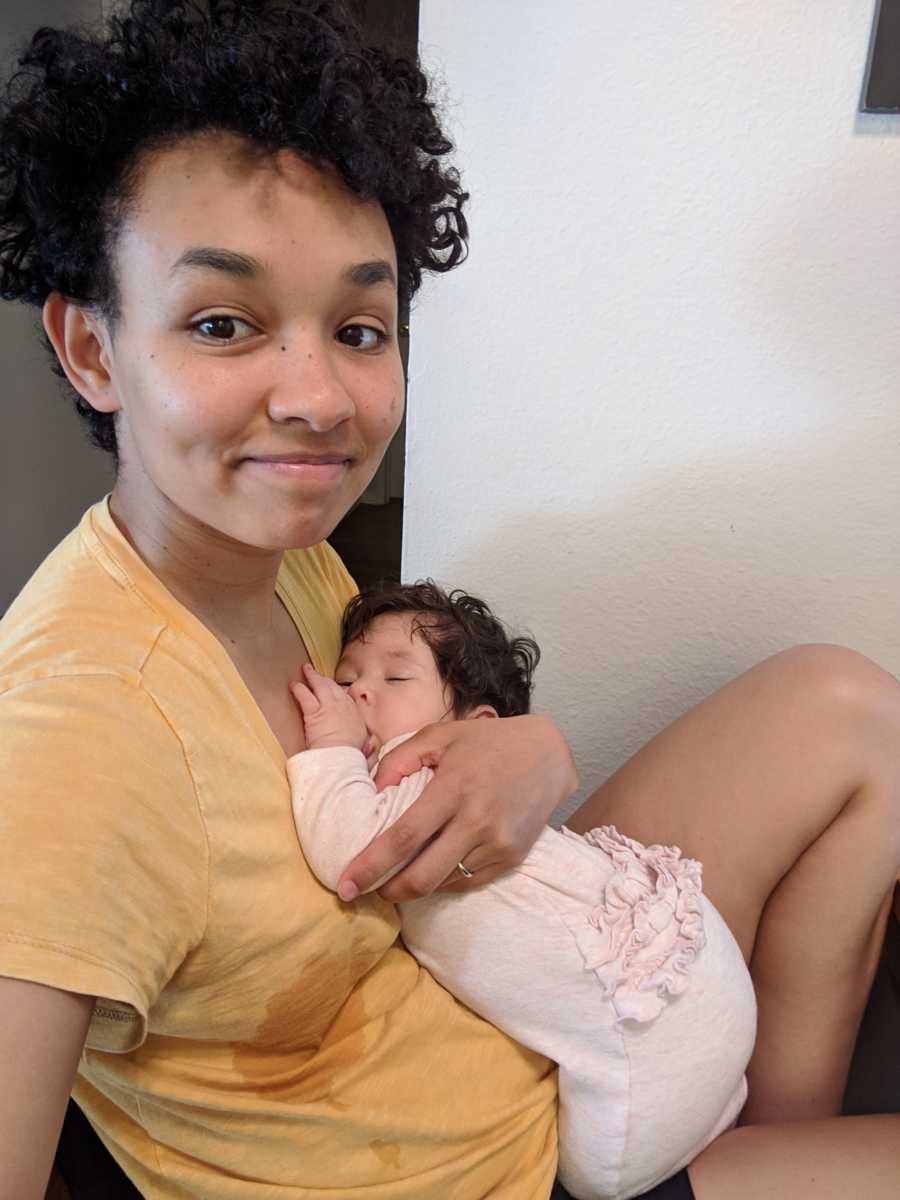
But three weeks postpartum, when my husband returned to work, reality hit hard. Caring for two kids, supporting my brother who lives with me and has Autism and an autoimmune disease, lack of sleep, and struggling to care for myself pulled me back into Postpartum Depression.
I initially thought, “This can’t be happening again—I’m experienced, smarter now.” But weeks of crying, rage, overwhelm, and even suicidal thoughts proved otherwise. I reached out to the nurse-midwife, who confirmed I was likely experiencing Postpartum Depression.
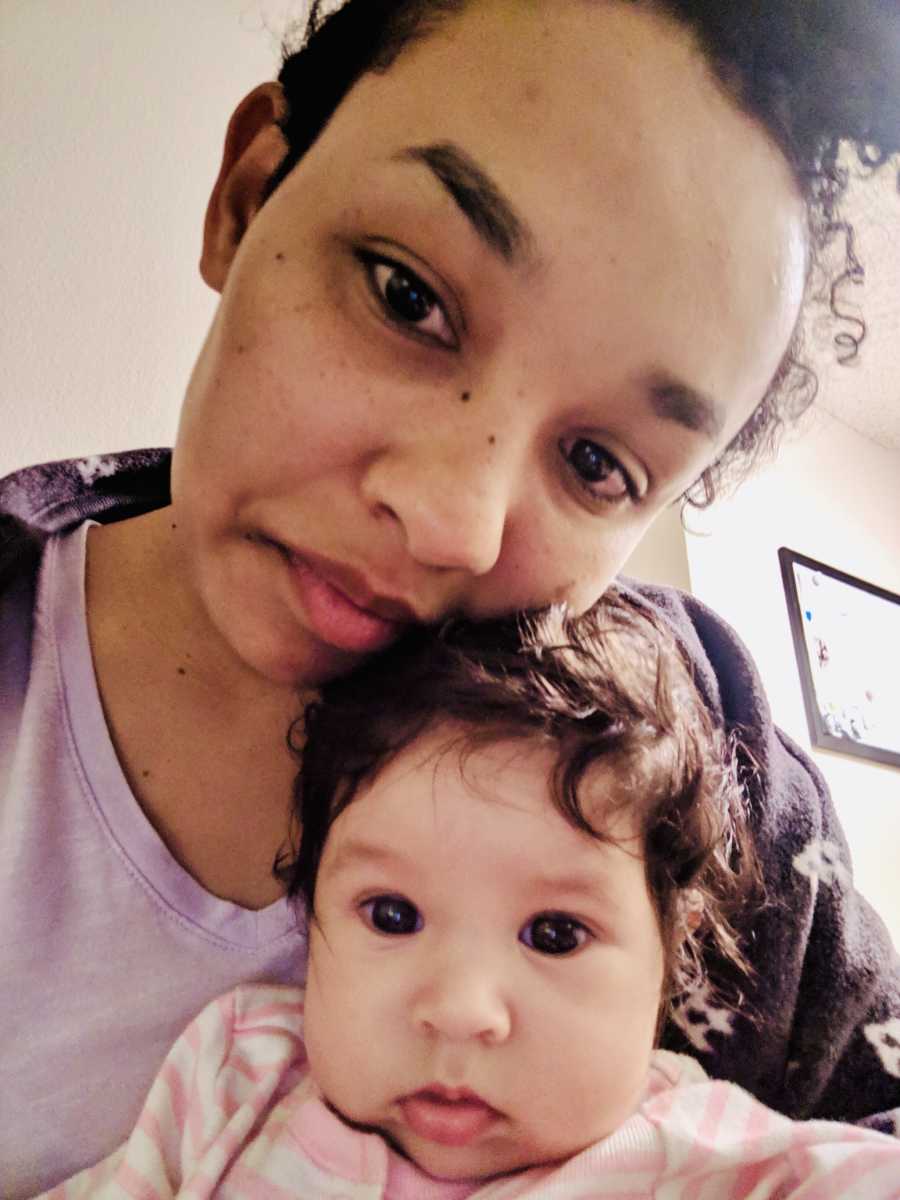
That’s when my journey with Postpartum Support International began, leading to a formal diagnosis and weekly talk therapy at no cost through the Orange County Parent Wellness Program.
The first visits were life-changing. My therapist came to my house, gentle and kind. She listened, reassured me, and reminded me that my struggles didn’t mean I didn’t love my children. “Look at what you’re doing—you’re asking for help. Would a mother who didn’t love her children do that?”
Six months of therapy transformed me in ways I can barely articulate. I feel a deep warmth in my chest thinking about the change in just half a year. Six months ago, I hated being a mother. I thought I made a mistake. I felt unworthy, angry, and broken.
None of that was true. Motherhood is hard. Childhood trauma influences our journey into parenthood. Your feelings aren’t your fault. Judging and hating yourself only makes things worse.
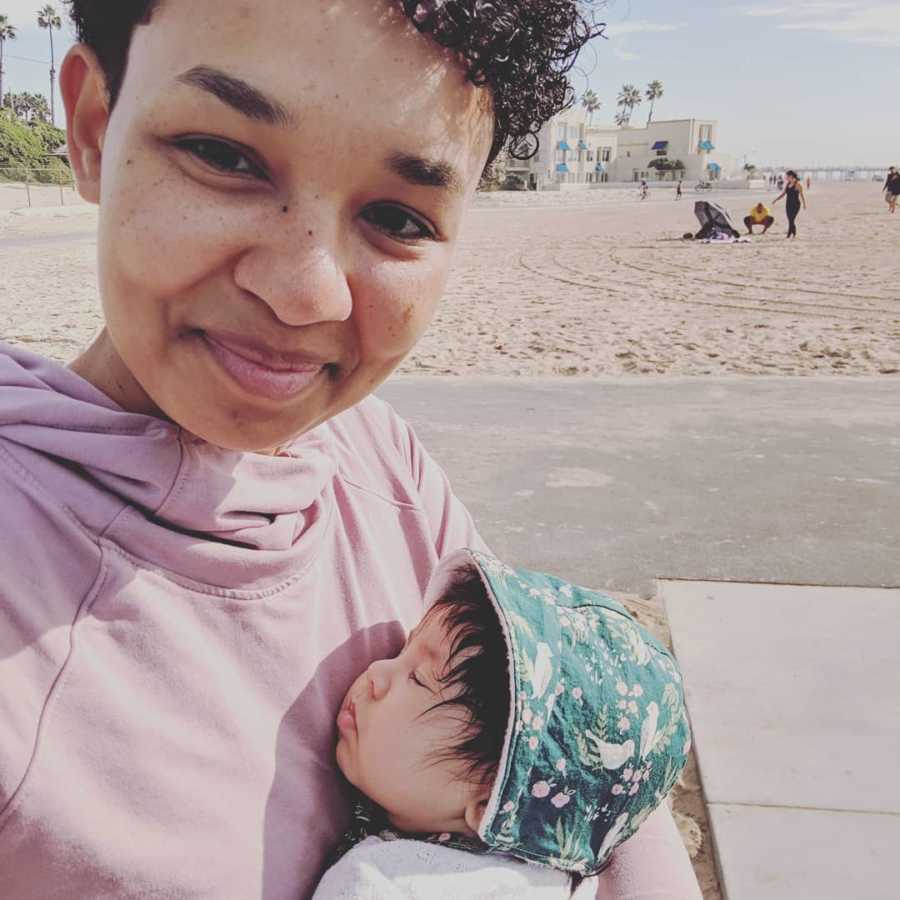
Now, I feel strong, empowered, and grounded. I love my children, even on the hard days. I’m learning to be patient, loving, and forgiving with myself first, which allows me to extend that love and gentleness to them.
This story is for every mother who feels broken beyond repair. You are not broken. You are strong. You are enough. You are what your children need. Help exists, and you are worth it. Keep fighting for your healing—the ripple effect of your strength will reach far beyond you.
It starts with you. You are not alone. I’m walking this journey alongside you, and if I can do it, you can too.