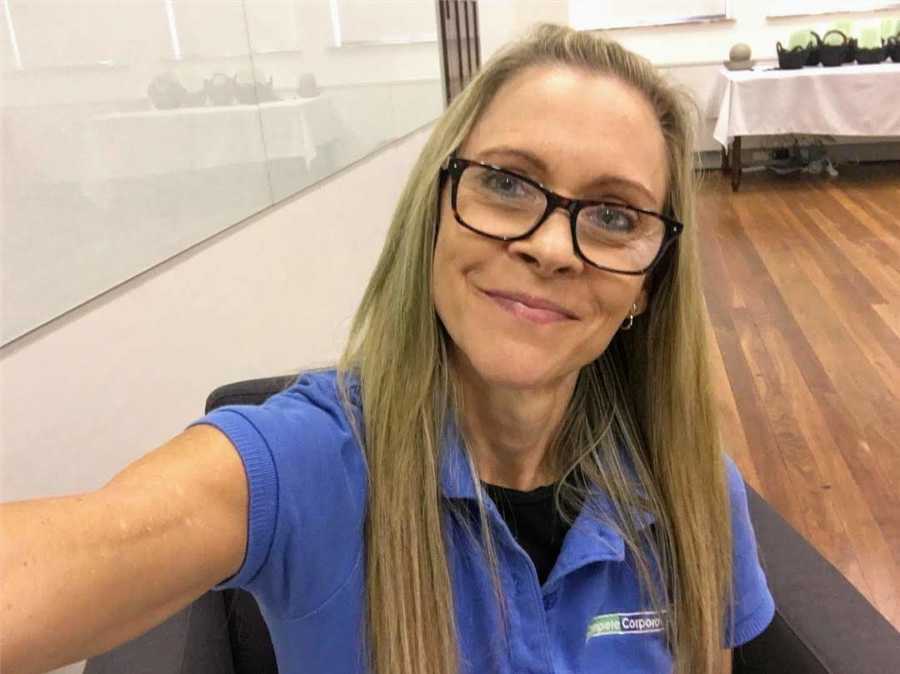
My original plan for my 50th birthday was to make a third and final attempt on my life. Instead, I ended up celebrating half a century on stage, in a bikini, declaring to the world that I was fully recovered from clinical depression.
At 45, I was a drunken, suicidal, pill-popping party girl. By 50, I had transformed into a vibrant, healthy, energetic, life-loving fitness model. I often pinch myself and wonder: how did I get here?
My entire adult life had been marked by depression, anxiety, addictions, eating disorders, substance abuse, broken relationships, heartache, and insecurities. I constantly felt miserable, lonely, ashamed, unworthy, unlovable, and like I had failed at life.
I was first sent to therapy at 16. My childhood was turbulent: my parents divorced when I was six, I lost my full-time nanny soon after, changed schools three times, and moved interstate at 14. I wasn’t the happy, straight-A student everyone expected, and from a young age, I learned there was something ‘wrong’ with me.
I finished school but never attended college, despite intense parental pressure. Instead, I left home and married at 19—part rebellion, part desperate search for the love I never felt growing up. That marriage ended in divorce by 21, and relationships remained difficult. In my 20s, I sought therapy on my own, desperate to fix what I couldn’t put into words. I felt an urgent pressure to be married by 30, to tick off life’s milestones.
I believed I was too “dumb” to succeed professionally without a degree, so I clung to the idea that a husband, house, and family were my only path to fulfillment. I remarried at 32—for all the wrong reasons again—and was divorced within 12 months. My unhappiness deepened, and I was diagnosed with clinical depression, prescribed medication, and referred to psychiatrists.
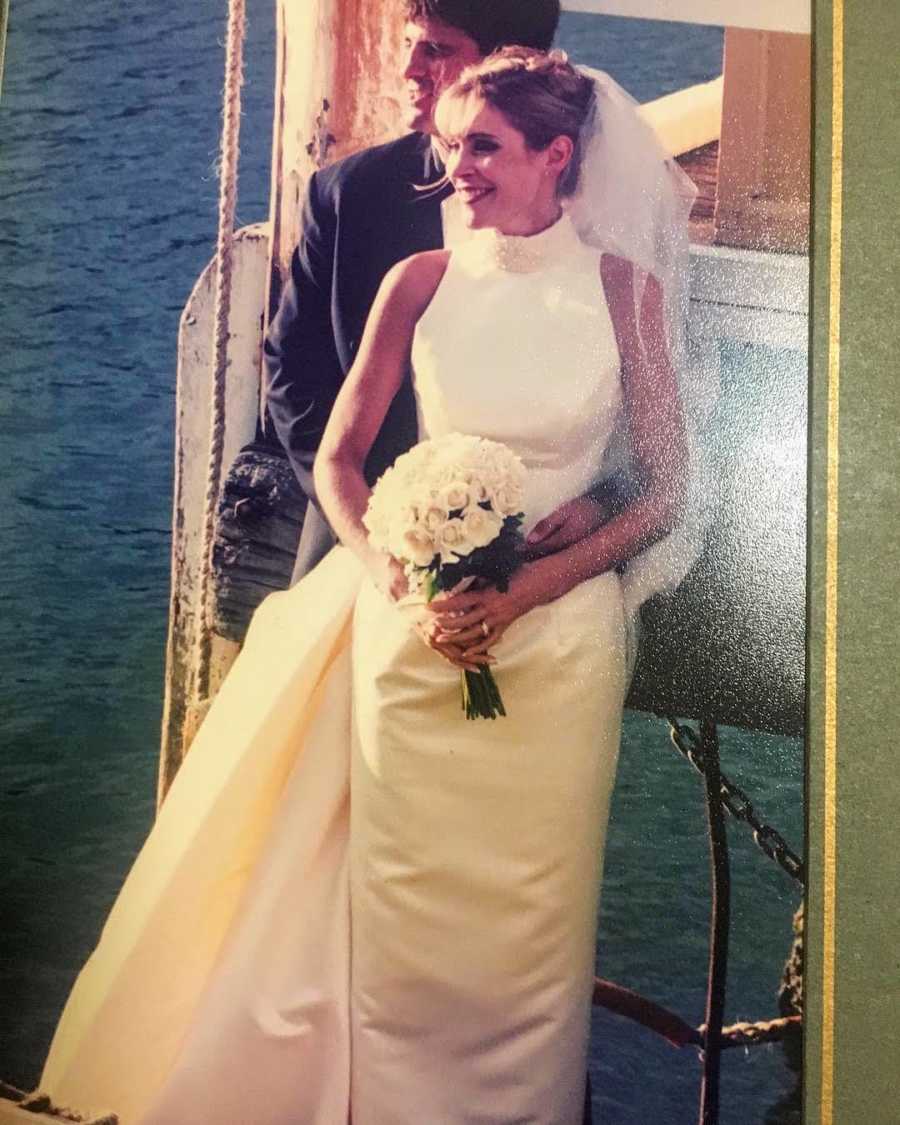
At this point, I felt hopeless. The official label of “mentally ill” confirmed everything I feared: that I was broken, needed medication, and could never truly fix myself. Misery, loneliness, humiliation, and despair consumed me. But at 32, I still clung to the belief that love might save me.
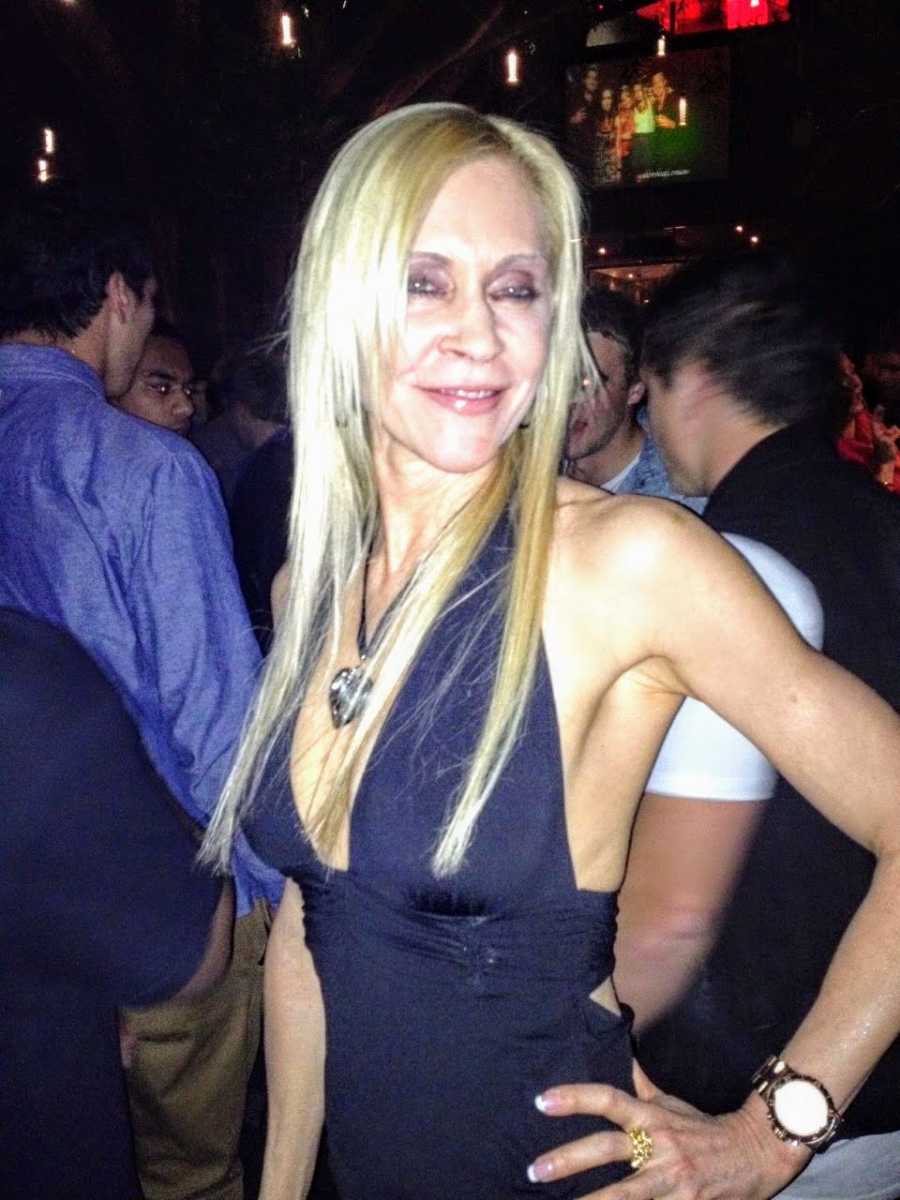
Having skipped the bar scene in my 20s, I dived headfirst into it in my 30s: binge drinking, binge eating, and desperate relationships with the wrong men, leaving me heartbroken over and over. I was either the desperate, drunk single woman or trapped in an on-again, off-again cycle of relationships.
One “off” period left me desperate to escape my emotional pain. Sleep was elusive, as my depression whispered relentless criticism. At 35, I attempted to sleep the weekend away—my first suicide attempt—which landed me in the hospital. My medications were adjusted, and I was placed on an SSRI, but the spiral continued.
Through my late 30s, I persisted in partying, bingeing, and unhealthy relationships, repeating heartbreaks with the same men. Approaching 40, single and childless, the pressure felt deafening. My biological clock screamed, and my life checklist remained empty. I desperately tried to fit society’s mold: school, college, career, husband, house, kids, and happily-ever-after.

At 38, in another on-again, off-again relationship, suicidal thoughts overwhelmed me. I checked into a private depression clinic, hoping to find answers. But I felt out of place and soon wanted to leave. Unaware that my admission had waived my rights, two paramedics arrived and transported me to a public psychiatric ward. Drugged into incoherence, I lost three days of my life. Only my father flying interstate could secure my release. I vowed never to rely on the medical system again.
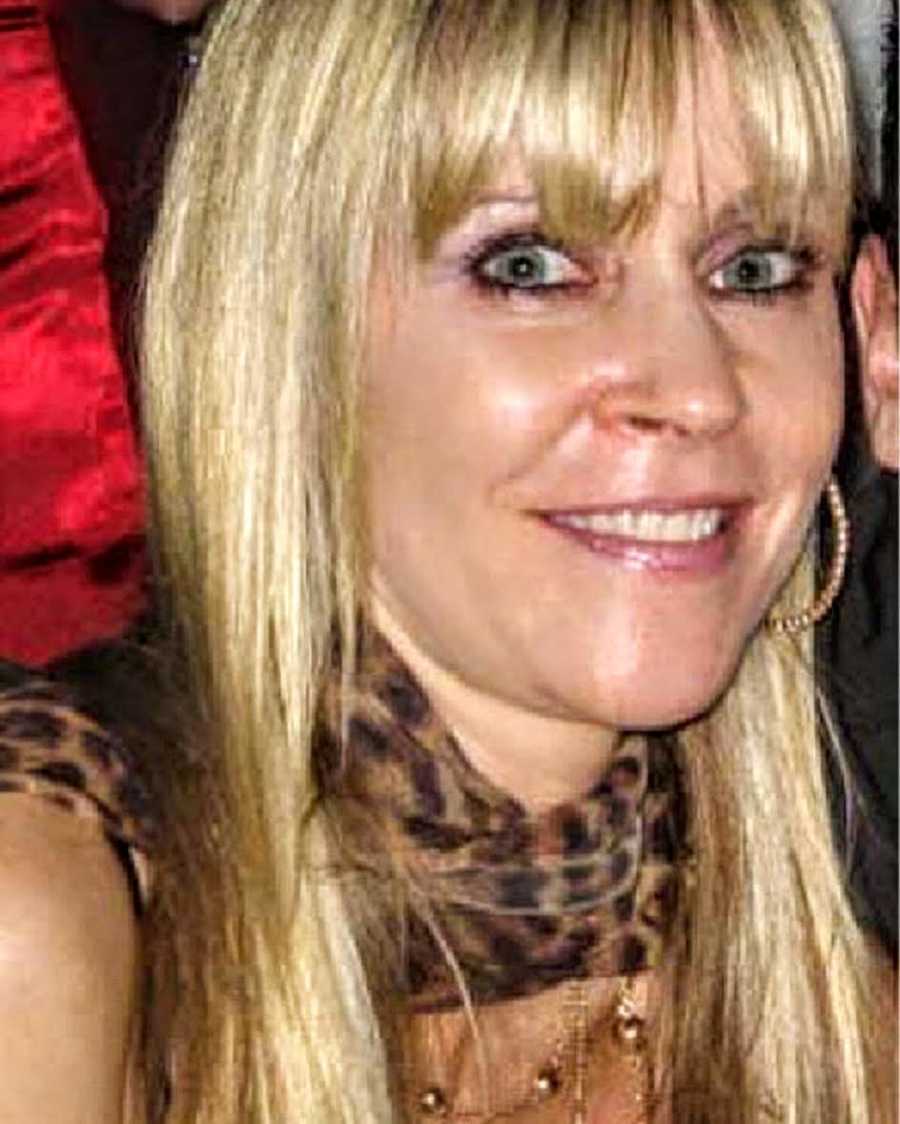
By 41, I was done. I would become a mother on my own. Four IVF cycles later—three fresh, one frozen—I conceived three times, losing each pregnancy within weeks. The hormonal rollercoaster amplified my depression and suicidal thoughts. After the fourth failure, I attempted suicide again, resulting in my third hospitalization. Fortunately, it would be my last.
The next five years blurred in alcohol, drugs, binge eating, partying, and escapism. At 45, my journey to recovery began—enter bodybuilding. Despite addiction and self-neglect, I had clung to cardio classes fueled by vanity and low self-esteem. An injury forced me to give up cardio, leaving weightlifting as the only option. Initially, it was just another attempt to control my body and seek external validation.
I threw myself into bodybuilding at 45, naïve to the challenges. I invested time, money, and energy, fearing the stage and doubting myself. But feeding my body nutritious food, supplementing, lifting heavy weights, and prioritizing sleep began healing me physically and mentally. Slowly, cheat nights became fewer, alcohol disappeared, and discipline strengthened my mind.
At the heart of recovery was mindset. Hypnosis, visualizations, affirmations, and nightly routines gave me tools to face my fear of the stage. After my first competition, I was devastated: despite physical success, I still hated myself. My coach encouraged me to compete again, and reluctantly, I agreed—without knowing this commitment would lead to my full recovery.
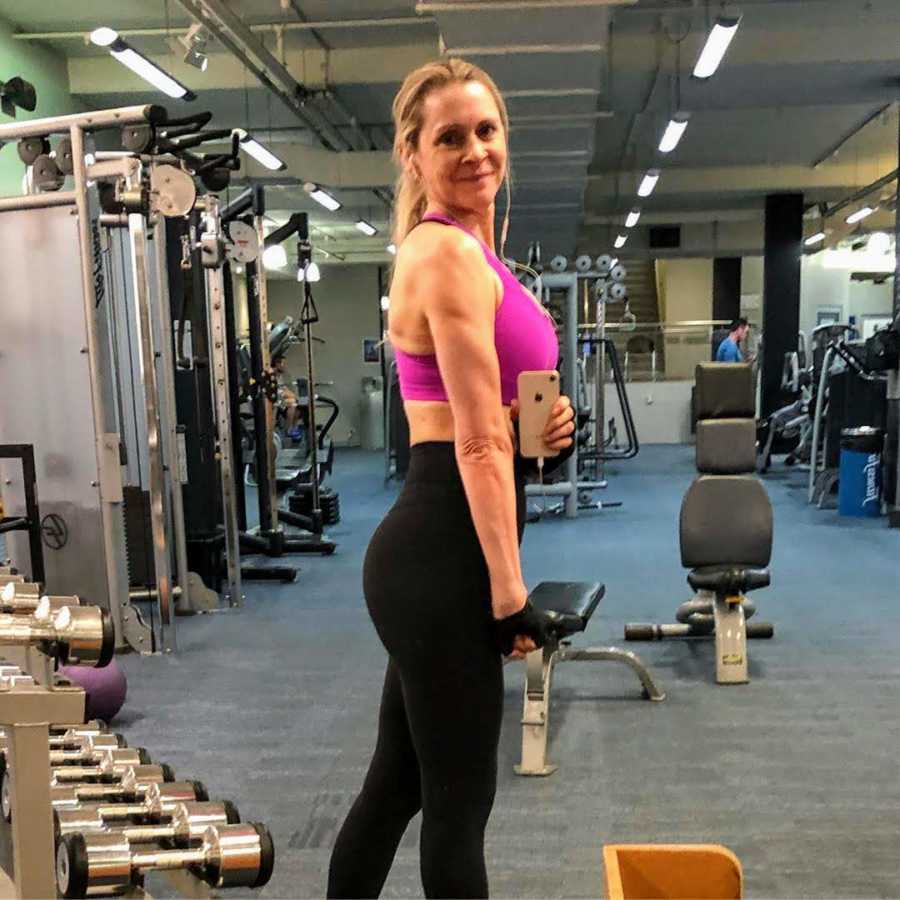
Nine months of clean living, mindset work, and consistent training transformed me. By the time I prepared for my 50th competition in 2016, I realized I was alive, thriving, and ready to celebrate life on stage. That year, I also published my book, sharing my darkness and healing publicly for the first time.
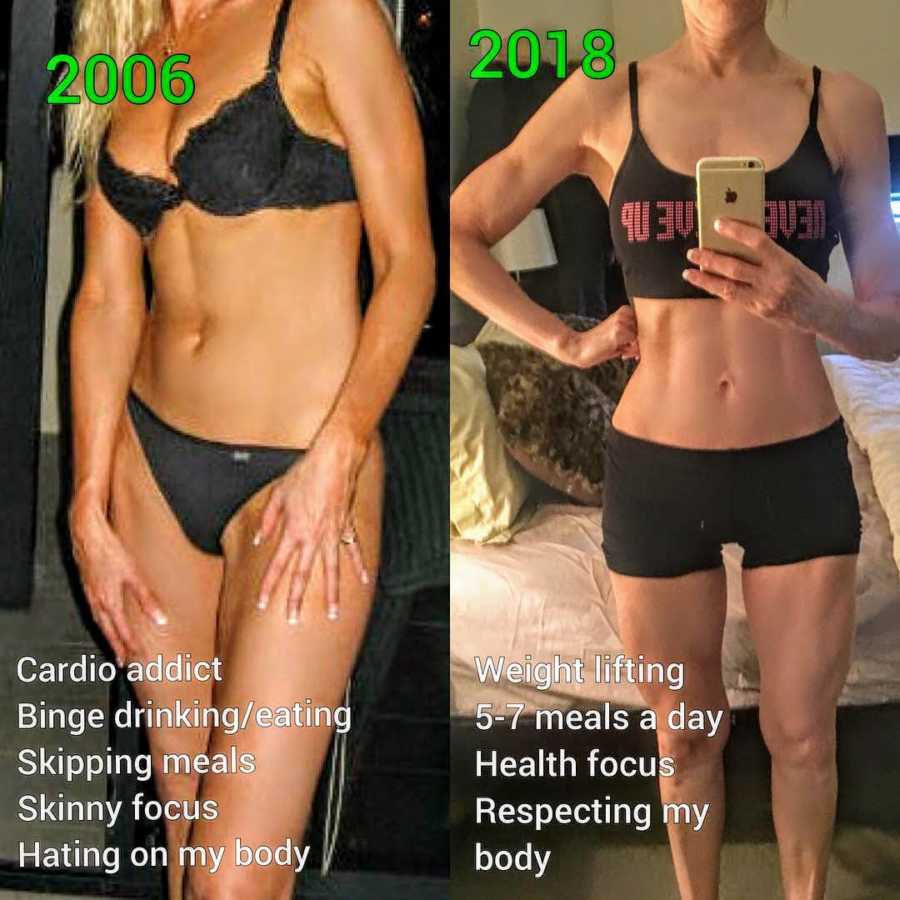
After years of pain, heartbreak, and failed attempts, I declared myself fully recovered in October 2016. Too often, society tells women that mental illness, addiction, and eating disorders are life sentences. But recovery is possible, often requiring self-empowerment beyond medication or traditional therapy.
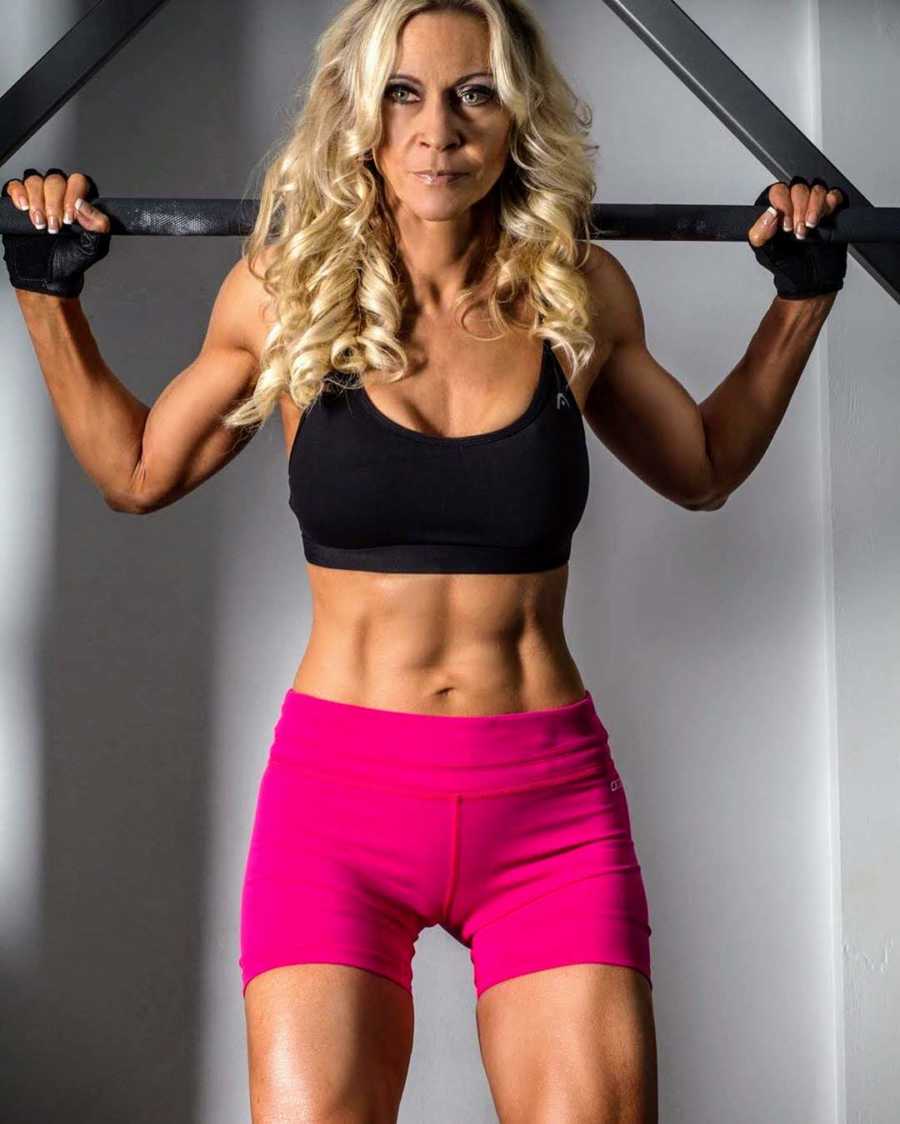
Today, my mission is to support women who suffer as I did. I share my journey openly, offering hope, guidance, and inspiration to those battling inner demons, showing them that the light on the other side is real—and reachable.