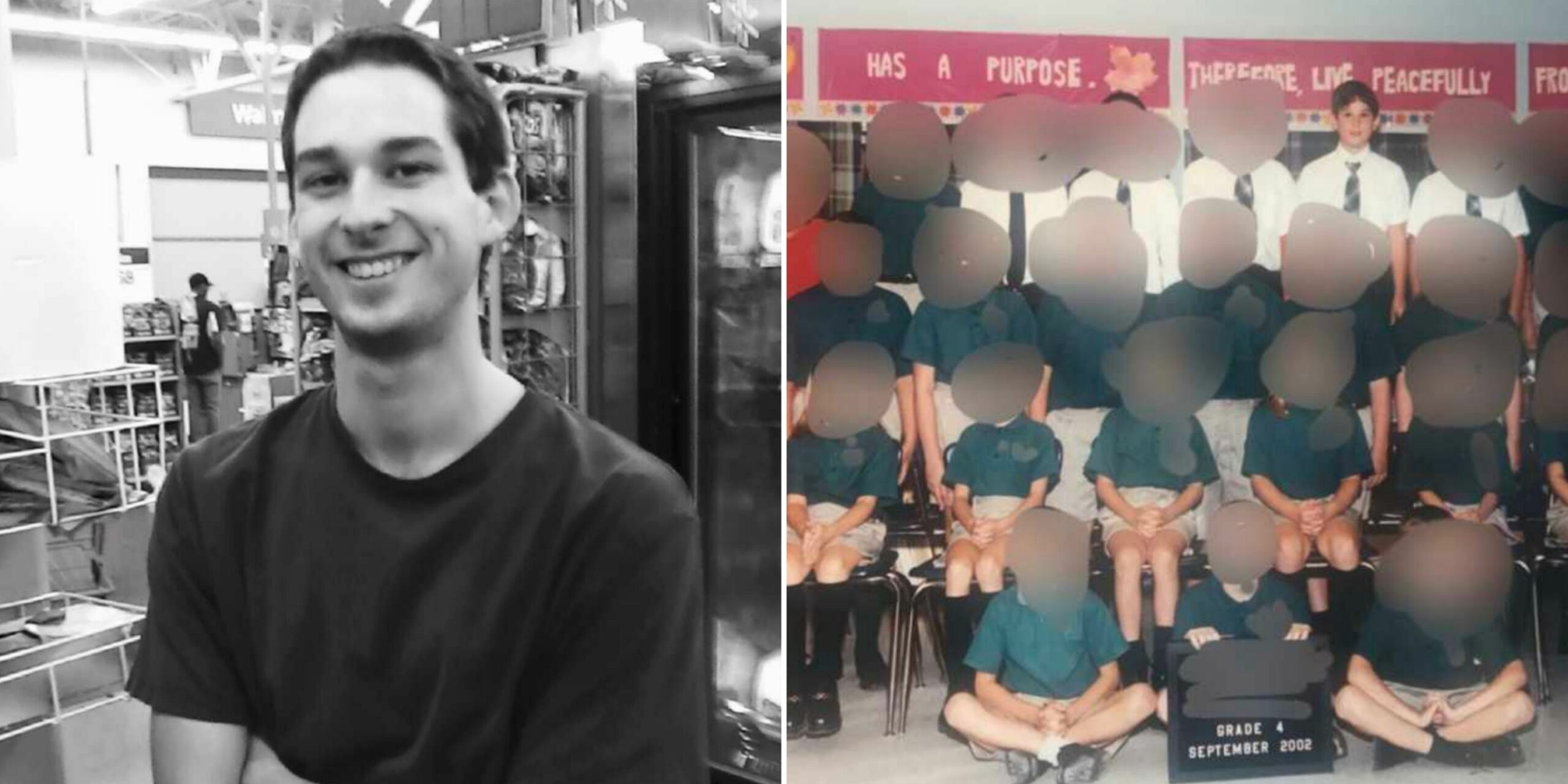
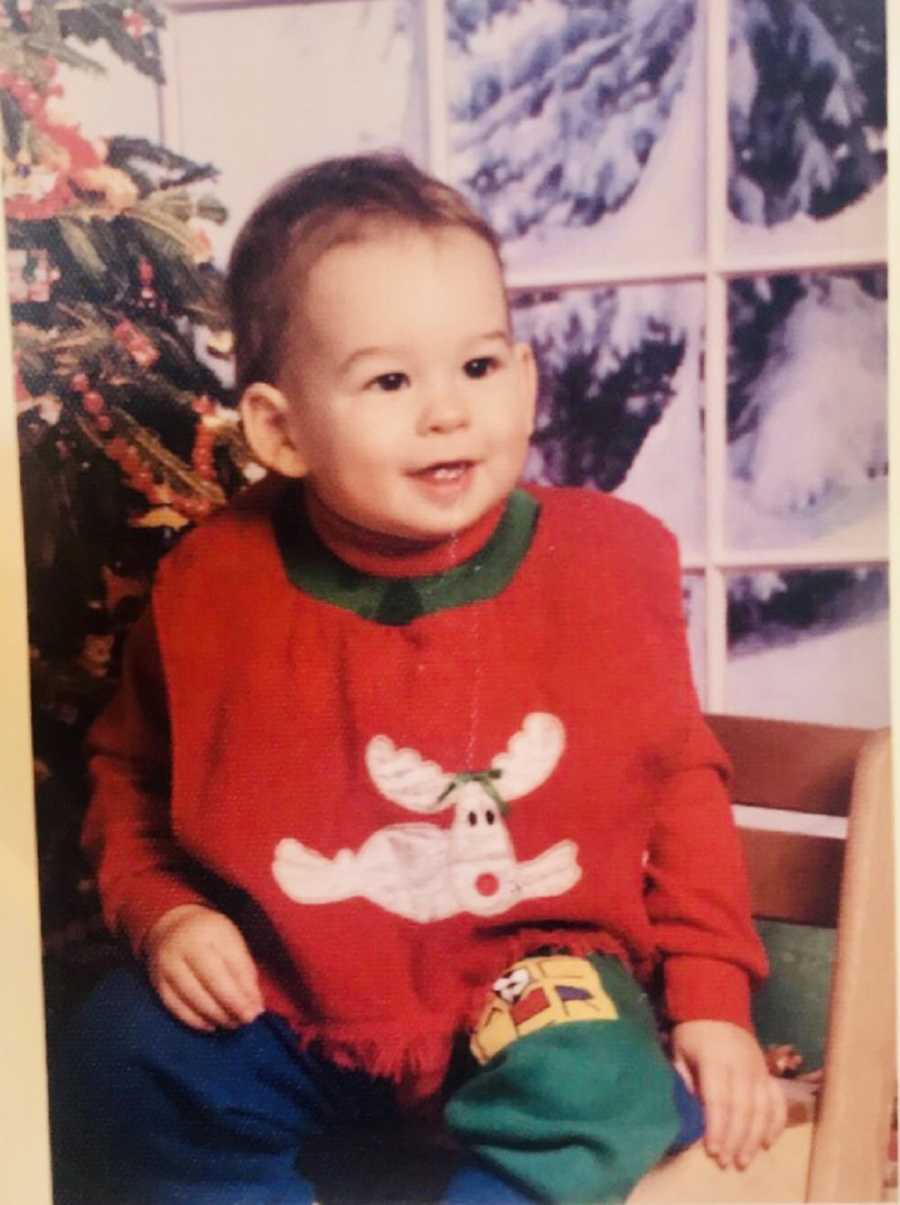
It was the morning of October 11th, 1996, on Long Island, New York. My big brother, Glenden—who liked to be called “Glen”—woke up on his fourth birthday to a very special present: me, his little sister! We shared the same birthday, and though we were four years apart in age, this connection from the very start felt like a bond neither of us could break.
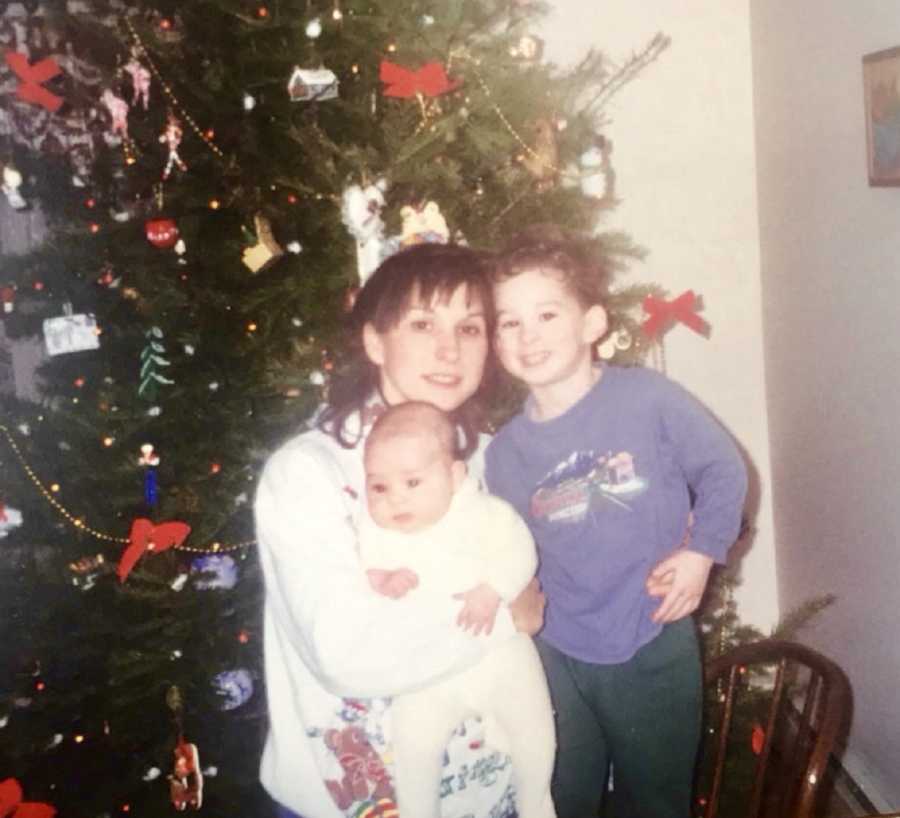
Growing up, Glen was my hero. I looked up to him in every way—he was funny, smart, and effortlessly cool. Some of my earliest memories with him are treasures I’ll never forget: waking up early to watch cartoons together, building LEGO “robots” and staging epic battles by the fireplace on Christmas Eve, and watching him catch crabs and fish on the beach during summers, sometimes with nothing but his bare hands. We chased each other around the playground of our small private school and created our own comics, which we proudly hung on the wall behind his bunk bed. But what stands out most is how much Glen cared for me. If I wasn’t around, he would always ask Mom where I was, always checking to make sure I was safe and okay.
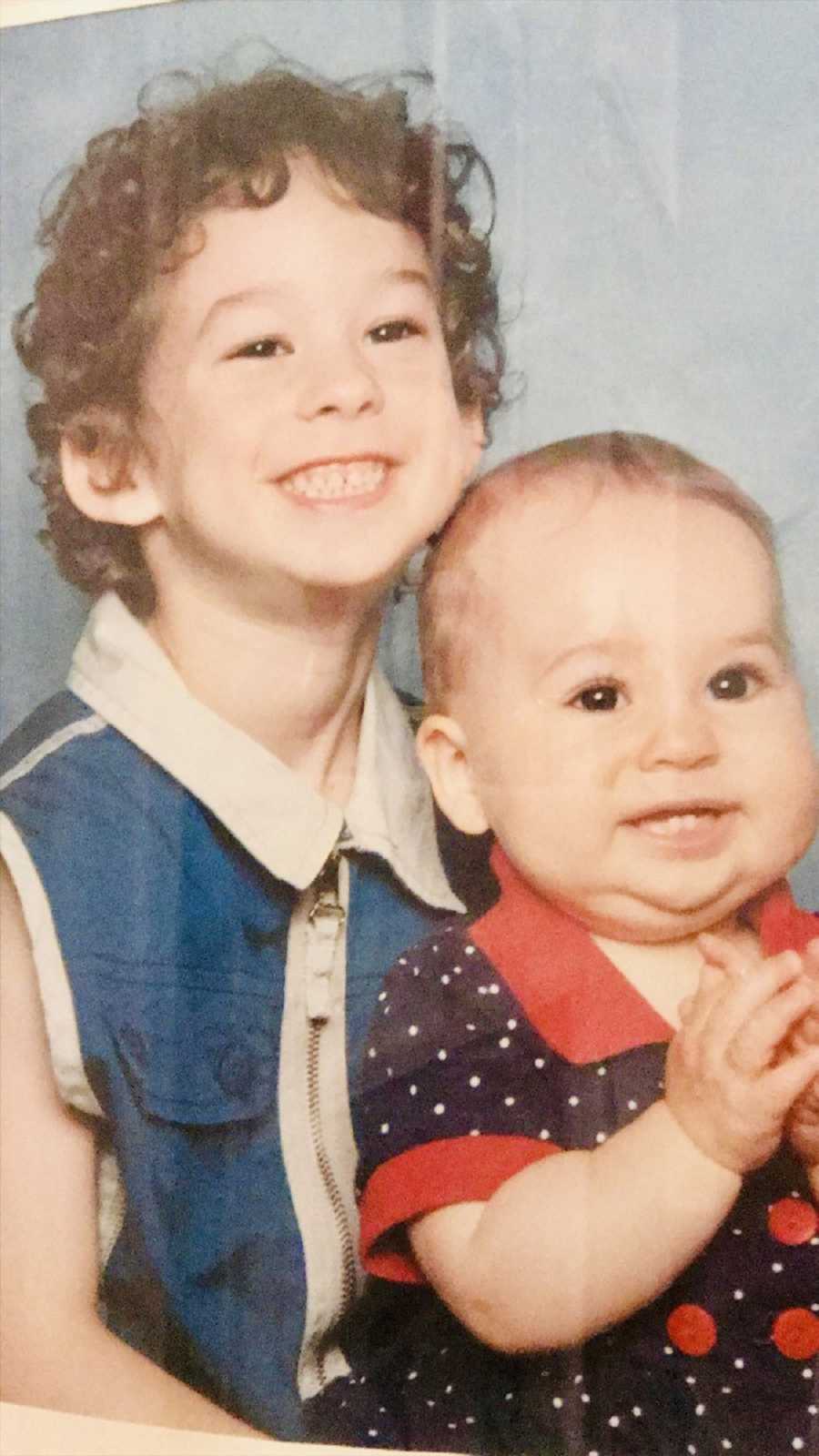
Glen was naturally curious and talented. From a young age, he was fascinated by science, conducting all sorts of silly experiments in the basement with his science kit. He was musically gifted, playing both clarinet and guitar, and spent hours exploring the woods behind our house. He joined the Boy Scouts, learning skills he loved, and our mom recognized his brilliance—but also noticed his boundless energy. Since his birthday was close to the preschool cutoff, she decided he could repeat a year to help him adjust.
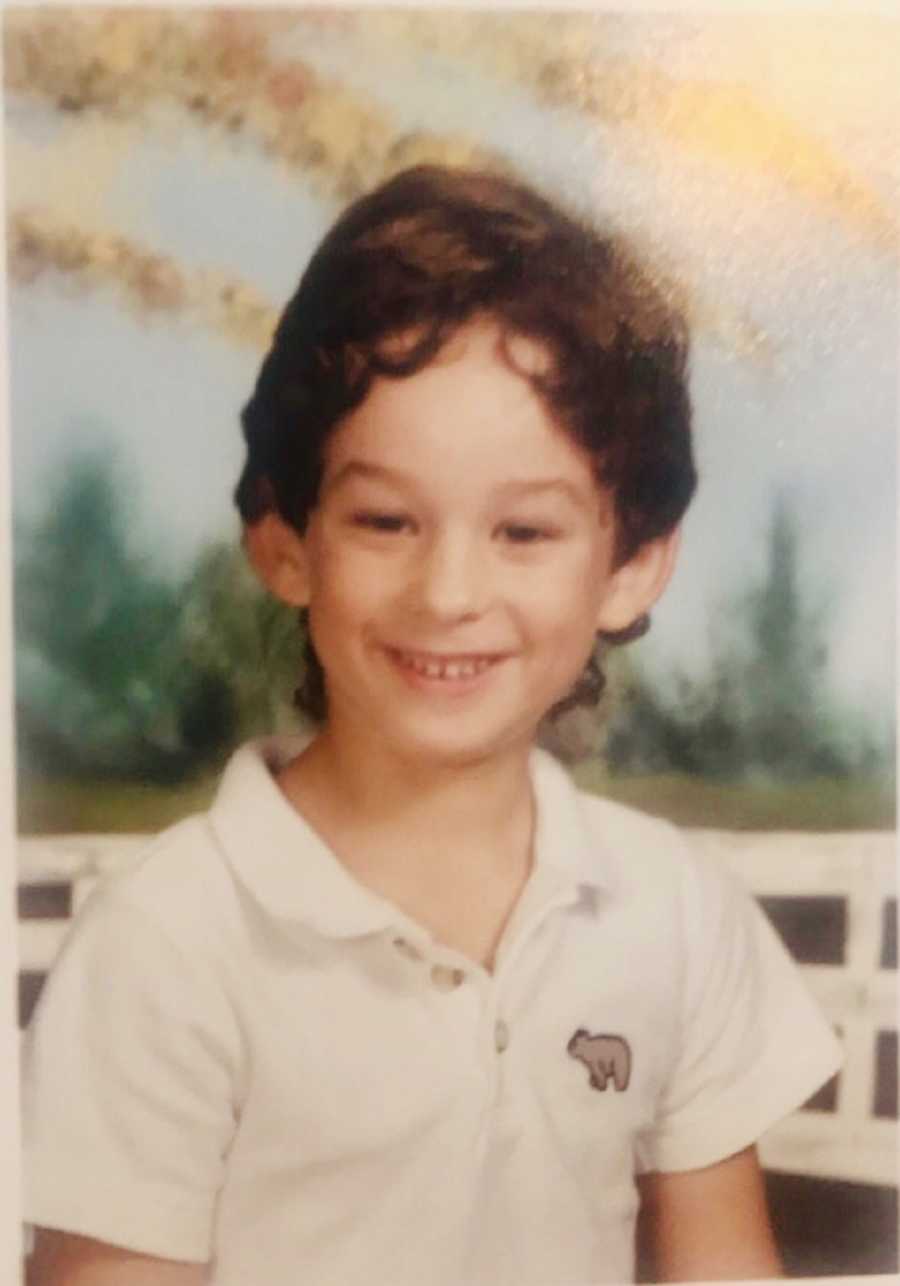
This decision meant that, though we were four years apart in age, Glen and I were three grades apart in school. Even in preschool, his teachers were impressed by him. His artwork was chosen for a preschool conference, and in kindergarten, they called to praise his compassion when he was upset that another child wanted to kill bugs. “Such a kind gesture—he’s very caring,” the teacher said. But by first grade, the calls changed. Glen’s teacher expressed concern about his focus and attention, leading to evaluations by a psychiatrist, a children’s center, and his pediatrician. Eventually, Glen was diagnosed with ADHD, and all the professionals recommended starting him on Ritalin. His hearing test revealed that one ear was unusually sensitive to sound, which meant even small distractions could overwhelm him. The school created an Individualized Education Program (IEP) so he could take tests in a separate, quiet room. Though helpful, it was isolating for a child to feel “different.” Still, when he started medication, Mom received her first positive calls in a long time: Glen was calm, focused, and thriving in class.
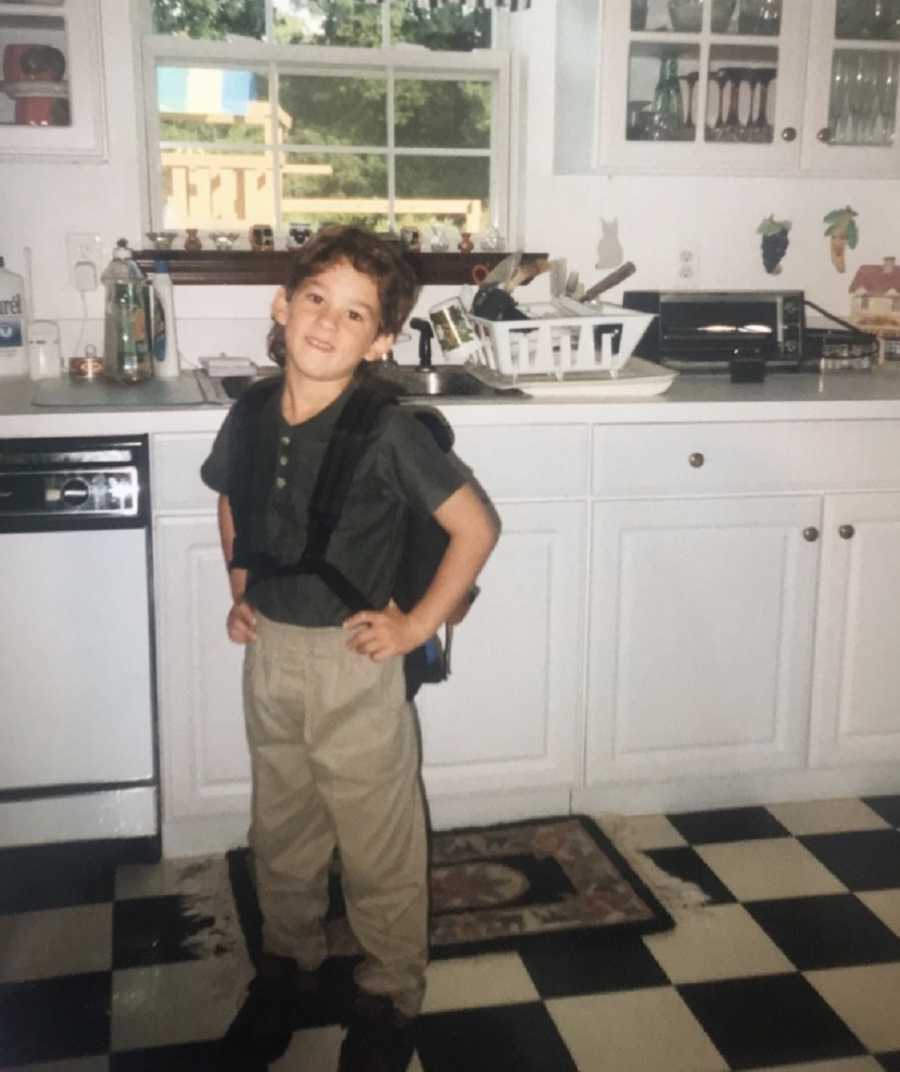
But challenges kept coming. By fourth grade, Glen began twitching—blinking his eyes, exhaling through his nose, and moving his hand near his face. His pediatrician advised stopping the ADHD medication and sent him to a neurologist, who diagnosed mild Tourette’s syndrome. The tics persisted, worsening with anxiety, and now Glen had to navigate school without the medication that had helped him focus.
This coincided with a cruel twist in his academic life. His fourth-grade teacher disliked him, lacking patience and understanding for children with learning differences. The teacher dismissed his gifts in science and ignored his IEP, eventually finding ways to penalize him for minor incidents while other students went unpunished. Glen endured humiliation and unfair treatment, and one day he was expelled. Walking through the school hallway in tears, he begged Mom, “Please, Mom, I don’t want to leave. I promise I’ll be good.” He had to leave his friends behind, and the words he whispered—“I don’t like myself very much”—still echo.
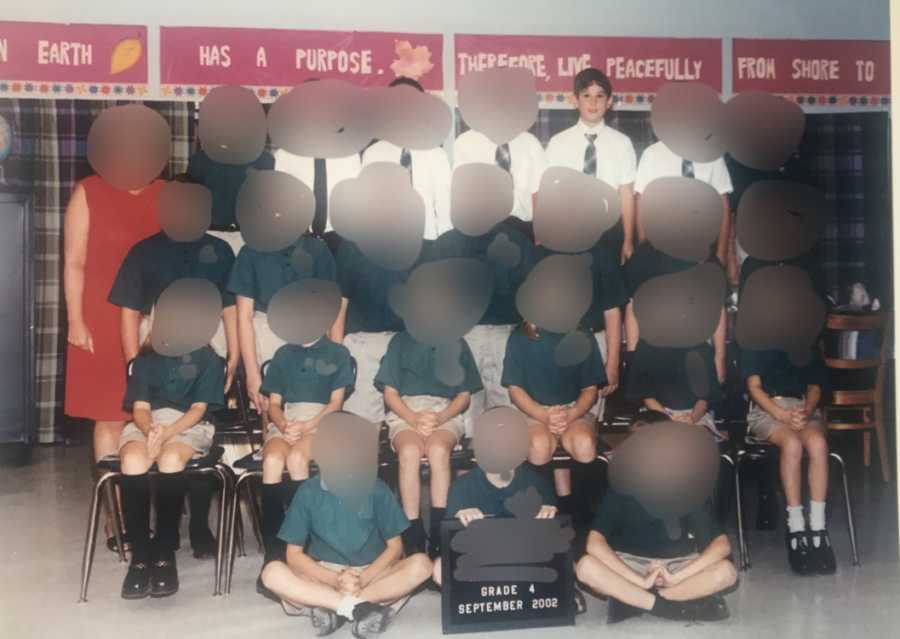
I was in first grade at the time and didn’t fully understand what was happening. But I knew one thing: if Glen was leaving, so was I. We transferred to public school with three months left in the year. I was miserable, scared, and angry. The school was big and overwhelming, the kids were cruel, and Glen was deeply unhappy. Over time, being in different schools created a distance between us that never fully healed. Then, a year later, our parents divorced, and we sold the only home we had ever known. The bright, curious boy I remembered was fading. People outside the family assumed he must be a “bad kid,” and the shame of this label even affected me.
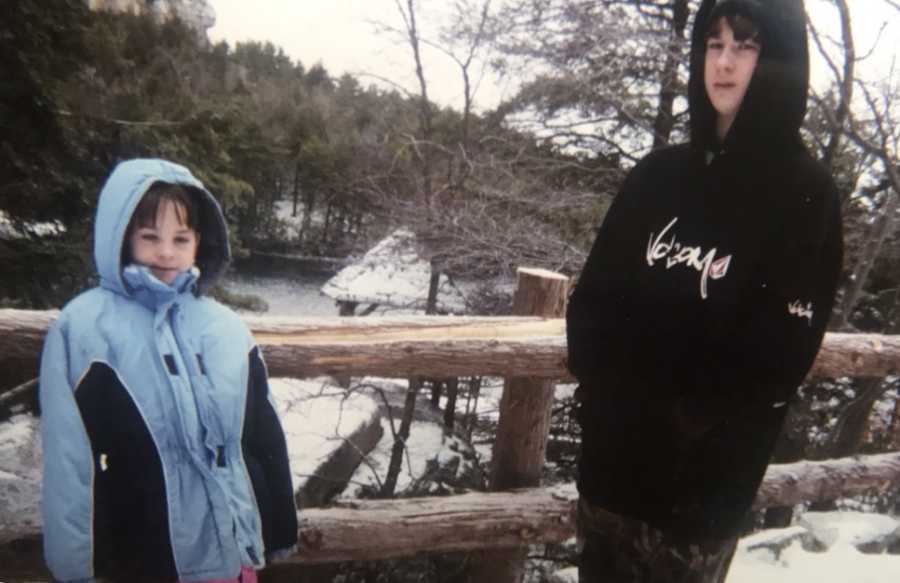
As Glen grew into his teens, we drifted further apart. He fought with Mom constantly, struggled in school, and found himself among the wrong crowd. His anger and frustration manifested in breaking things, cursing, and isolation. I often wondered if maybe the world was right about him—but deep down, I knew he was simply broken by circumstances he could not control. Despite it all, Glen still showed love in small, unforgettable ways. Once, after a fight, I left a note on his door: “I get scared when you yell.” He came down, hugged me, apologized, and whispered, “I love you.”
Glen’s love of the outdoors never faded. He was skilled at sailing, fishing, camping, and hiking. But during one hike, a tick bite introduced Lyme disease into his life, leaving him chronically ill. Antibiotics failed, IV treatment was delayed, and eventually the infection reached his central nervous system. The once vibrant, smart, funny boy became weak, socially anxious, and housebound, avoiding the world entirely. Though physically alive, he had lost so much of himself long before.
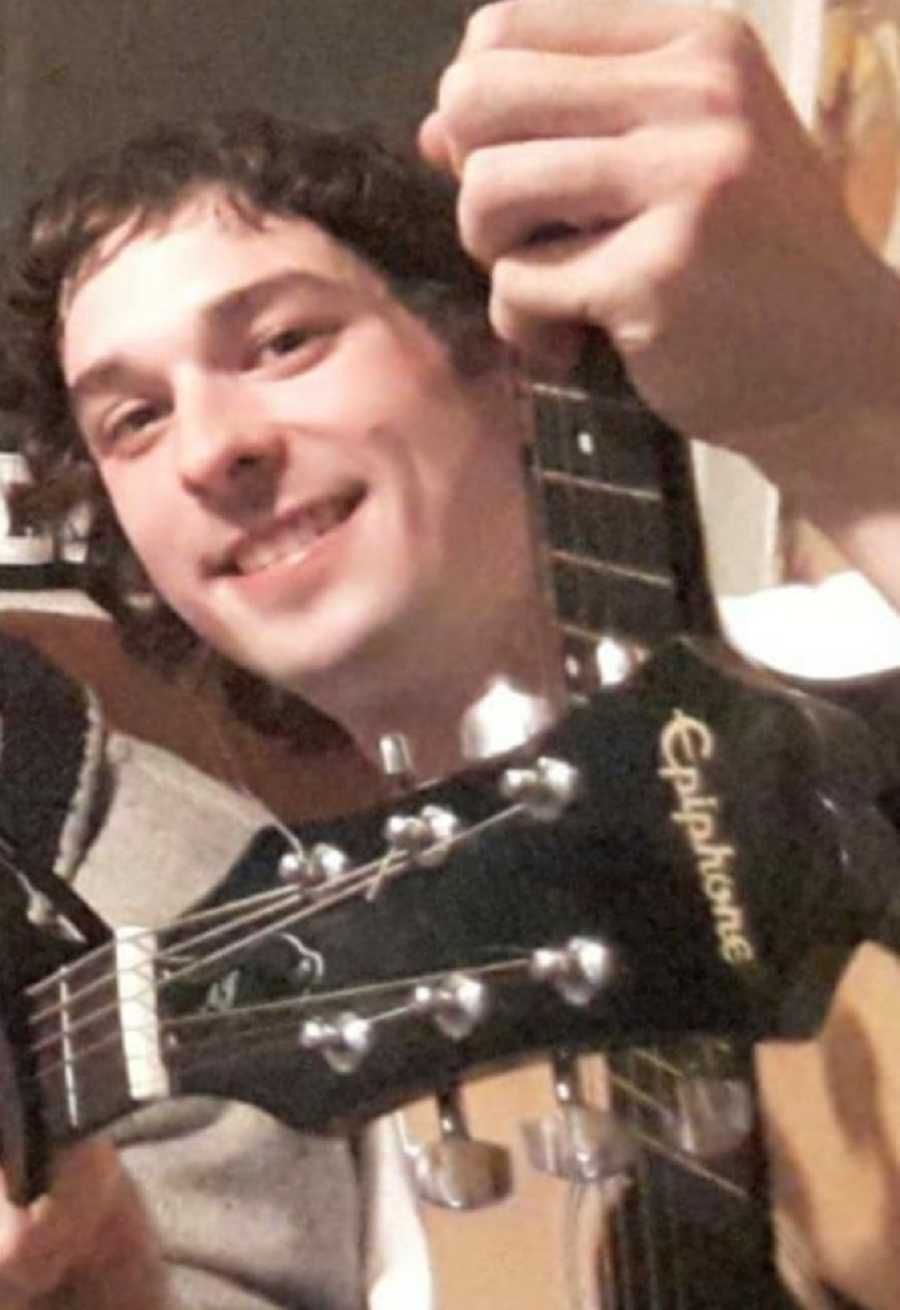
On the night of February 2nd, 2018, Glen was deeply upset. My parents gave him space for the night, but the next morning, we found him gone—face up in his bed, stiff and blue. Amid the chaos of sirens, EMTs, and police, I sat frozen on the stairs, hearing the desperate attempts to save him. “He’s gone,” said an EMT. It was the cruel culmination of a life misunderstood and a soul burdened by pain.
Even now, I remember Glen’s brilliance, humor, and love of life. He was never “the bad kid.” He was a brother, a son, a curious mind, and a kind heart, tragically constrained by misunderstanding, illness, and society’s ignorance. Writing this has allowed me to recall the joy alongside the pain and honor the boy I once knew so well.
Some lessons to carry from Glen’s story: ADHD is a learning impairment, not a behavior problem; Lyme disease is a serious chronic illness; grief is a constant presence; and no one is ever truly “the bad kid.”
Love,
Your little sister,
Juliette
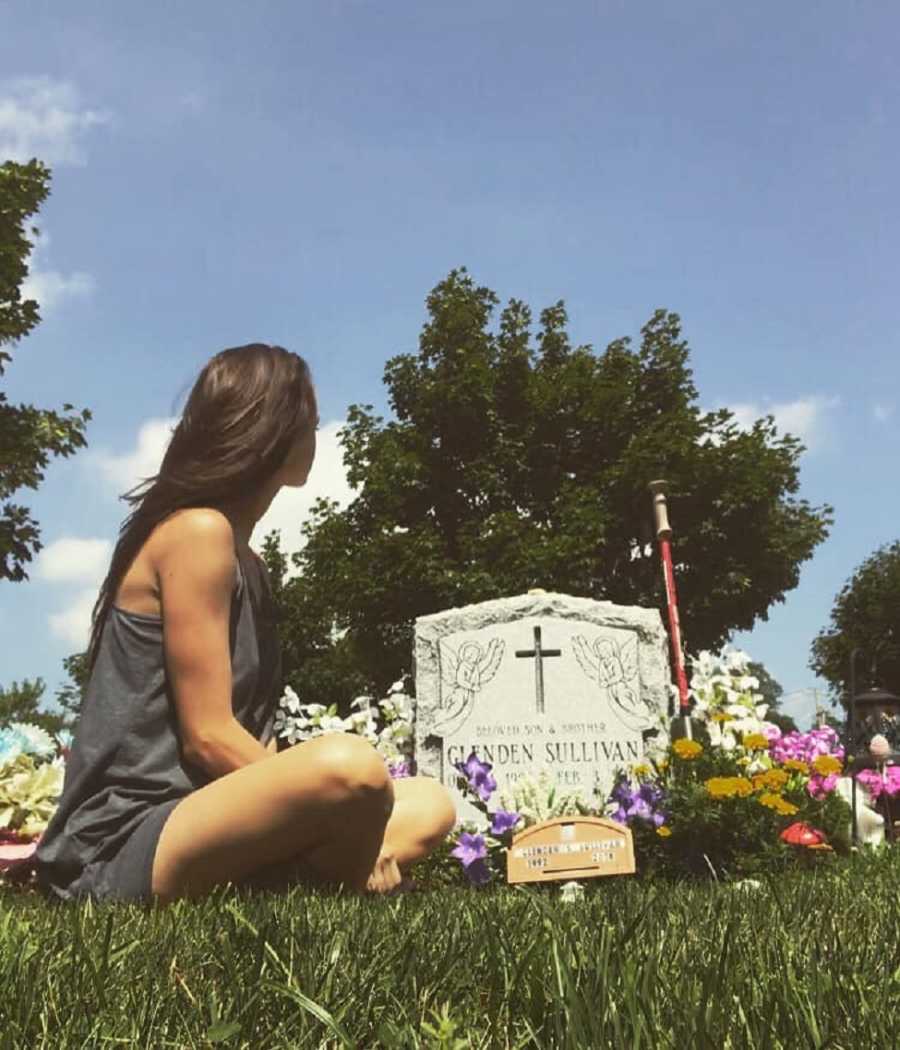
P.S. On grief:
Have you ever met someone
Who’s always around
He may not be in sight
But he’s always in town
You can feel his presence creeping
Almost like it hurts
Sometimes you feel it when you’re sleeping
Kind of like a curse
If you push him away
He’ll come back even stronger
He will wait for the day
You can’t take it any longer
So you never fully deal with him
Because you’re scared of what you’ll do
He kind of just hangs out
Not in front, but still in your view
I think he is bipolar
Most times he is calm
But out of nowhere he’ll just hit me
When I did nothing wrong
He is always there to remind me
What I always try to forget
And then I cling to him so closely
Because he’s all that I have left
Sometimes he even makes me cry
He tells me it’s for relief
I wish he would leave me alone
This person’s name is Grief.