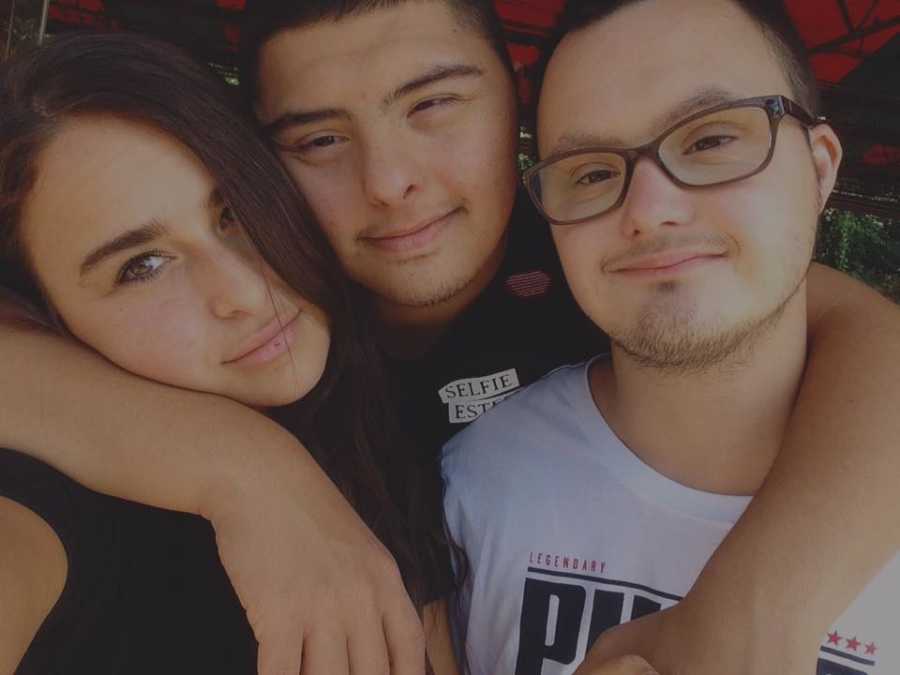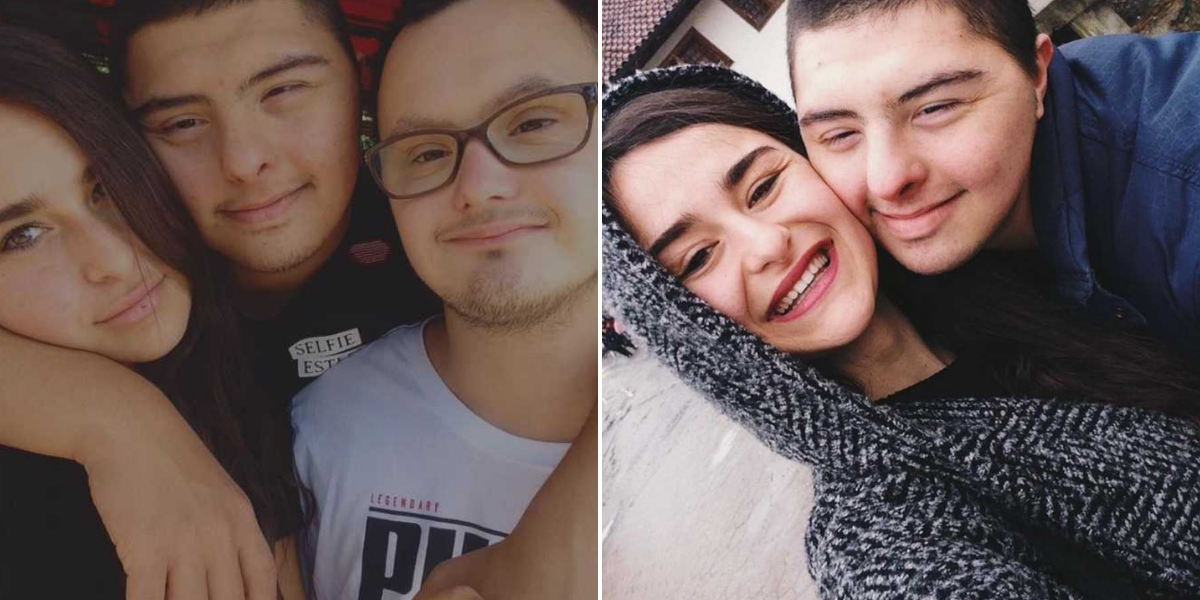
My name is Fjolla, and I was born in 1993—the same year my cousin Meriton came into this world. As a child, I never understood why people would stare at him. No one had told me that Meriton had special needs. It wasn’t until I was seven years old that I first learned he had Down syndrome, and honestly, I didn’t know what that meant. My parents explained it gently: Meriton simply needed extra help to learn things, and that was all. From that moment, I knew I wanted to dedicate my life to supporting people like him—those with an extra chromosome.
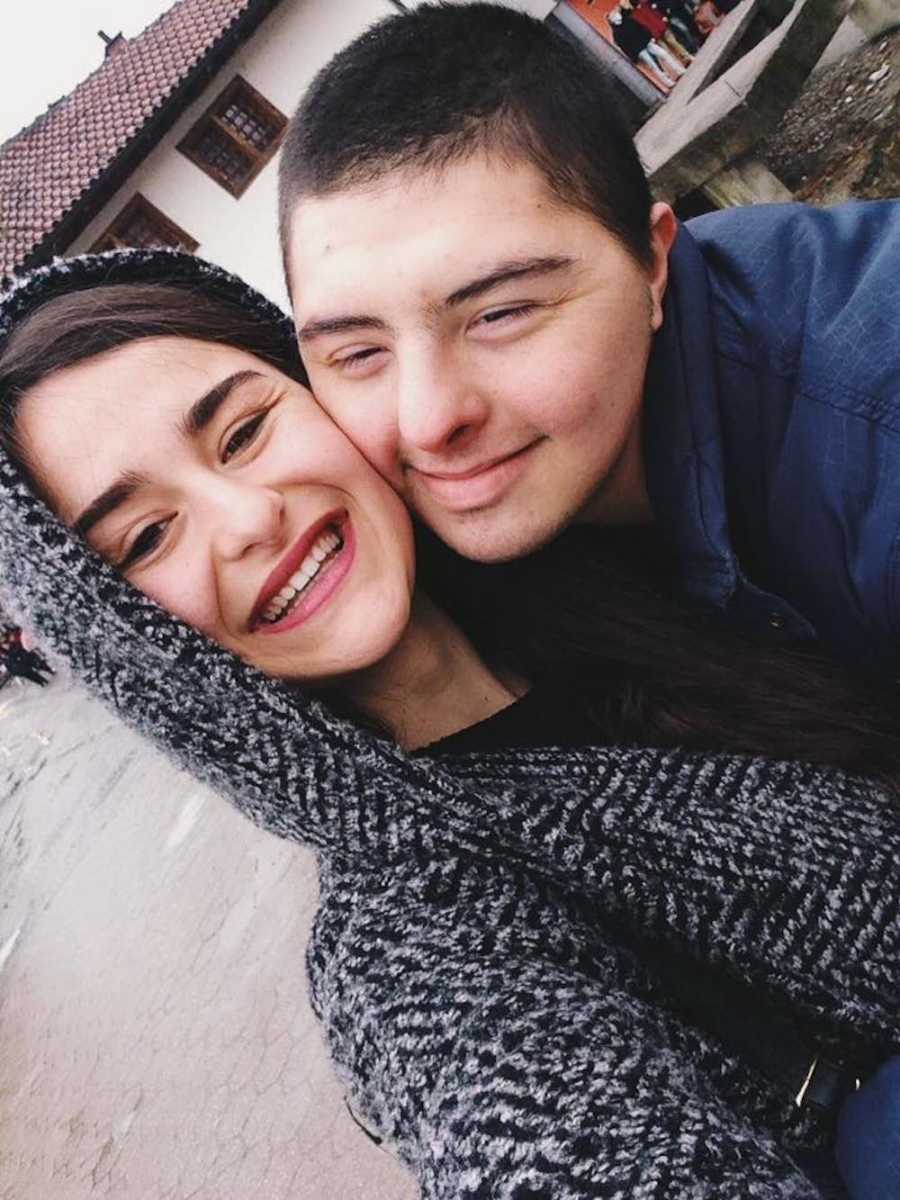
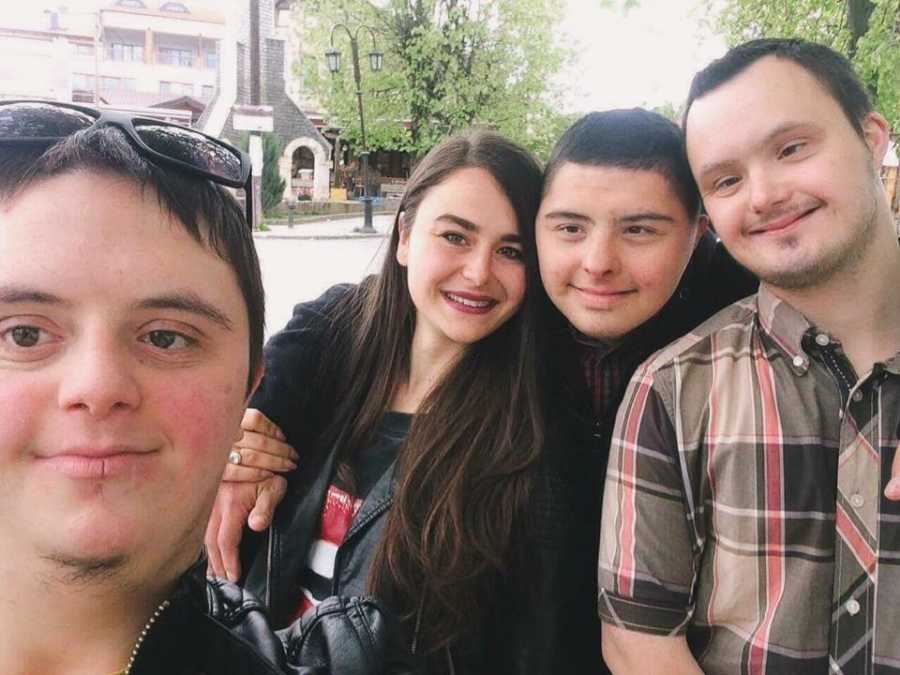
As a kid, I couldn’t have imagined the challenges he would face or how cruel some people could be. During my teenage years, I spent almost every moment with Meriton and his friends, Aldi and Lili. We would go out for coffee, take walks, and explore the world together. In many ways, I found myself teaching them how to face prejudice and gain independence. But, without even realizing it, they were teaching me how to be a better person.
It was heartbreaking to witness the shame or discomfort people felt simply because of their presence. I struggled to understand why my peers found it so hard to treat every person with kindness and respect. Imagine being a teenager with Down syndrome, navigating a world that doesn’t fully accept you for who you are. I made it my mission to support them, to do everything I could to help them feel seen, valued, and loved.
In 2011, I took my commitment a step further and became a volunteer at Down Syndrome Kosova. I attended trainings on spreading awareness about Down syndrome and the importance of early intervention. I wanted to immerse myself even more in their lives, to make their voices heard in a society that still often ignores them. Sadly, their voices are still not always amplified—but I remain determined.
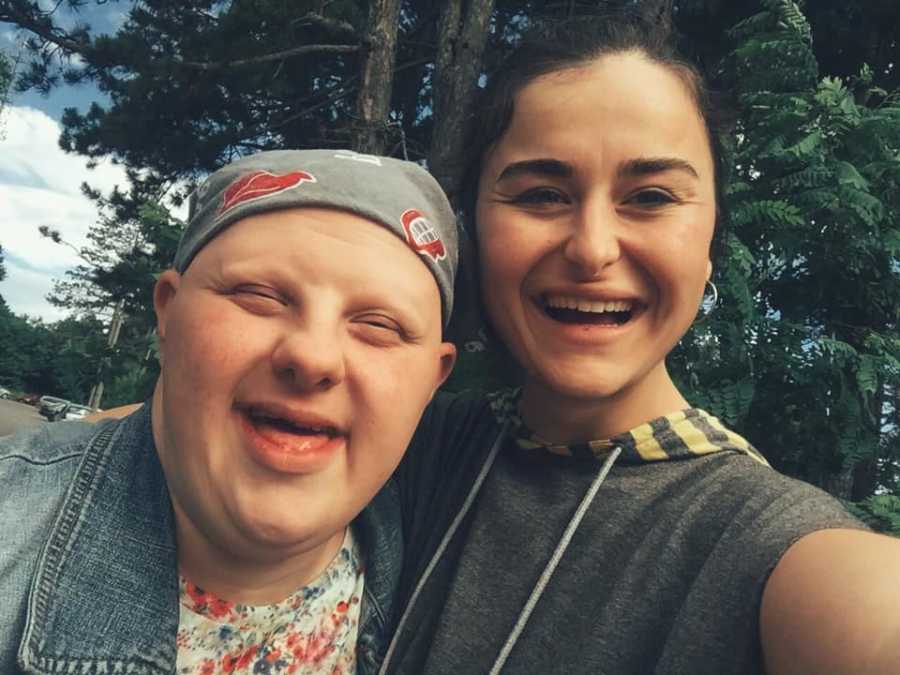
My friends with Down syndrome have taught me lessons I could never have learned elsewhere. They have shown me what it means to accept people fully, to see goodness and potential without judgment. Over the years, I’ve also learned the importance of language—how the words we use can uplift or hurt. For example, saying “people who have Down syndrome” instead of “those who are sick with Down syndrome” makes a world of difference.
There are countless misconceptions about people with Down syndrome. I often hear, “They don’t live very long, maybe only 14 or 15 years.” In reality, life expectancy has dramatically improved, and nowadays, many people with Down syndrome live into their 60s.
Here are some more examples of common phrases and better ways to express them:
- “They can’t do anything alone” → “Your friends might need a little help to achieve what they want in life.”
- “I’ve seen you with that sick friend” → “I’ve seen how happy you are with your companion.”
- “You have a lot of patience to spend time with them” → “How lucky you are to be surrounded by all that love.”
- “Those people all look the same” → “People with Down syndrome may share some physical traits but are unique individuals, just like everyone else.”
- “They’re always laughing and happy” → “People with Down syndrome experience the full range of emotions, just like anyone else.”
- “Your friends are r*******. They’re not normal” → “Your friends with disabilities are just your friends.”
- “Children with Down syndrome are born to older mothers” → “Any mother can have a child with Down syndrome.”
- “They are a burden to society” → “With support, people with Down syndrome can live independent lives and contribute meaningfully.”
- “I feel sorry for their families” → “I feel joy seeing families embrace and celebrate their loved ones.”
When I first heard these kinds of comments, I was shocked. I couldn’t understand how people could think or speak this way about another human being. Over time, I’ve learned to be resilient and compassionate. I’ve realized that ignorance fuels these misconceptions, and that pure, unconditional love truly exists. My friends with Down syndrome are living proof of that love. And knowing them, being part of their lives, is one of the greatest blessings I could ever have.