This is for the rude parent who told their child, after the child exclaimed, “Look, Daddy, a service dog!” —
“Yeah right, that’s not a real service dog.”

And for the woman who said, “Looks like anyone can just put a vest on their dog and call it a service dog these days.”
And to all the others who have given me judgmental stares, whispered comments, or dirty looks—you don’t know me, yet you feel entitled to judge.
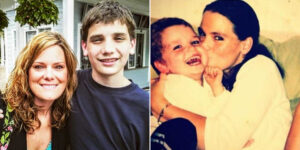
On the outside, I probably look like I’ve got it all together. My hair is perfectly curled, my makeup is flawless, and I’m smiling in my favorite Disney outfit. I might even look cute, cheerful, and completely fine. You would never guess that underneath this exterior, I’m carrying a weight that most people couldn’t imagine.

I have PTSD. I’ve had it for eight long years, ever since I watched my six-year-old son die in a car accident, right before my eyes, on our way to Disney World for his seventh birthday. Every day, the memory of that moment haunts me. Every day. I live with panic attacks that strike without warning, night terrors that rob me of sleep, and anxiety so overwhelming it sometimes feels impossible to manage.
This service dog sitting quietly beside me is my lifeline. When a panic attack hits, he senses it immediately. He leans against me, I bend down to him, he touches his nose to mine, and somehow, he brings me back to the present—without the need for heavy, addictive medications. He keeps me grounded, calm, and able to face the world.
He is not just a service dog—he is my best friend. The confidence and comfort he gives me simply by being by my side is immeasurable. When he’s working in his vest, he walks perfectly beside me, never pulling, never distracted by other dogs or people. He is entirely focused on me and my needs. This isn’t by accident. Countless hours of training at the All American Dog Training Academy have gone into shaping him into the incredible service dog he is today. He doesn’t bark at strangers, he doesn’t get sidetracked by anything around him. If I just wanted to bring a pet everywhere, he wouldn’t be this finely attuned to my every emotional signal.

To those who feel compelled to judge someone because they are different: please stop. You have no idea what battles someone is fighting, what trauma they’ve survived, or what daily challenges they face. Empathy costs nothing. A simple moment of understanding could save someone a world of hurt.
I don’t owe anyone an explanation, but I share my story in hopes of helping others who face the same rude assumptions and insensitive comments. And maybe, just maybe, someone who has been unkind will pause and realize the true impact of their words.
Remember this: disabilities aren’t always visible. You can’t tell someone’s struggles by looking at them. So please—don’t be a jerk.